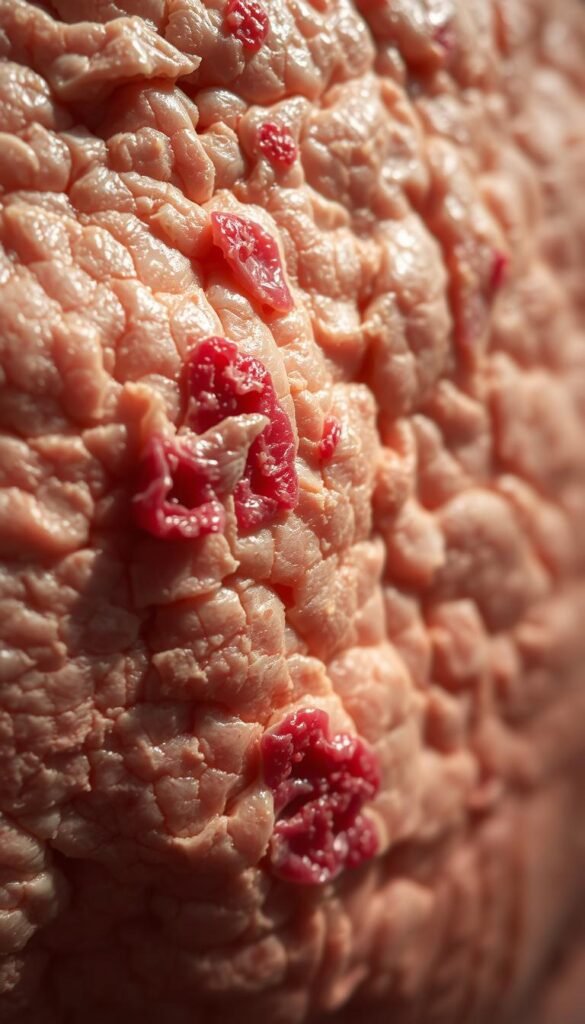
“Healthy skin is a reflection of overall wellness,” Coco Chanel once said. I never understood those words until my face became a battlefield of peeling patches and raw sensitivity. For months, I hid behind layers of makeup, convinced my complexion was beyond repair. Then I discovered the truth: every flare-up stemmed from a broken outer layer.
This Website contains affiliate links. That means I may earn a small commission if you purchase through my links, at no extra cost to you.
The stratum corneum – that delicate shield of cells and lipids – had crumbled. Pollution, harsh products, and stress left it defenseless. Water evaporated faster than I could hydrate. Irritants seeped in like uninvited guests. My confidence? Gone.
But here’s what changed everything: healing starts with understanding. I spent nights researching how this protective layer functions. Simple shifts – gentle cleansers, ceramide-rich moisturizers, and fewer actives – became my lifeline. Progress felt glacial, but each week brought less redness, more resilience.
Key Takeaways
The outermost layer of skin acts as a critical defense system against environmental stressors
Compromised barrier function leads to visible issues like dryness, irritation, and flaking
Effective repair requires consistency, pH-balanced products, and avoiding common irritants
Lipid-rich ingredients help rebuild the skin’s natural protective matrix
Lifestyle factors like stress management impact recovery speed
Visible improvements often take 4-6 weeks with dedicated care
This journey taught me that skin health isn’t about perfection – it’s about rebuilding trust in your body’s ability to heal. What follows isn’t just a product list. It’s a roadmap back to feeling comfortable in your own glow.
Understanding My Skin Barrier
Years of battling redness taught me this truth: what you see on the surface starts with invisible architecture. The body’s frontline defense isn’t found in serums or creams – it’s built into every millimeter of our largest organ.
What Is the Skin Barrier?
Imagine a living fortress made of 15 layers. The stratum corneum forms this shield through a brilliant design: flat, protective cells (corneocytes) stacked like bricks. Between them flows a lipid “mortar” of ceramides, cholesterol, and fatty acids. This structure:
Component
Healthy Barrier
Compromised Barrier
Corneocytes
Tightly packed
Gaps between cells
Lipids
Balanced ratio
Depleted reserves
Moisture
Locked in
Escaping rapidly
Its Role in Protecting My Skin
This biological security system performs two vital tasks. First, it blocks invaders – pollution, microbes, and UV rays. Second, it retains 22% of the body’s total water content. When functioning well, it:
Filters nutrients while rejecting toxins
Maintains optimal pH (4.5-5.5)
Self-repairs overnight
Discovering this intricate system changed everything. I stopped seeing dryness as a surface issue and began nurturing what lies beneath.
Recognizing Signs of a Compromised Barrier
It felt like my face had forgotten how to be skin. Products I’d used for years suddenly turned into liquid fire. Wind felt like sandpaper. That’s when I learned barrier damage speaks through two languages: what you see and what you feel.
Visible Indicators: Peeling and Dryness
Flakes became my unwelcome confetti. No amount of scrubbing fixed the sandpaper texture on my cheeks. Makeup clung to parched patches like chalk on asphalt. The worst? Watching healthy-looking areas suddenly crack like dried mud.
Sensory Clues: Irritation and Sensitivity
Applying moisturizer shouldn’t feel like a betrayal. Yet there I was, wincing as gentle formulas sparked fireworks of sting. Cool breezes left raw tingles. Even pillowcases felt abrasive against tender areas.
Three red flags changed everything: tightness lasting hours after cleansing, random hot patches, and products sitting on skin instead of absorbing. These weren’t just bad days – they were distress signals from compromised defenses.
Common Causes of Skin Barrier Damage
Uncovering the roots of my skin struggles felt like solving a medical mystery. Three culprits emerged – forces I’d underestimated while chasing quick fixes.
Environmental Factors and Weather Conditions
City living became my invisible adversary. UV rays penetrated deeper through thinning defenses, while pollution particles clung like microscopic shrapnel. Winter winds stole moisture faster than I could replenish it. Even indoor heating created a desert-like environment where hydration vanished before noon.
Harsh Skincare Practices and Over-Exfoliation
My bathroom shelf told a story of self-sabotage. Acid toners, gritty scrubs, and foaming cleansers formed a toxic trio. Dermatologist Dr. Whitney Bowe’s words hit hard: “Over-cleansing is the new smoking for your skin.” Each vigorous scrub session eroded protective lipids, leaving entry points for irritants.
Lifestyle Habits and Stress
Chronic tension manifested in unexpected ways. Sleepless nights spiked cortisol, slowing cell renewal. Hot showers melted away ceramides, while chlorine from weekly swims disrupted pH balance. My body’s repair cycle faltered under constant bombardment.
Three changes made the difference:
Swapping stripping products for pH-balanced alternatives
Timing sun exposure during low-intensity rays
Implementing stress-reduction techniques before bed
Recognizing these triggers became my first step toward lasting recovery. Our largest organ remembers every assault – but also every act of mercy.
Implementing My Skin Barrier Repair Routine That Took Me From Peeling to Glowing
Patience wasn’t just a virtue—it became my skincare mantra. True transformation required rewriting every product rule I’d ever followed. Three phases emerged: resetting expectations, rebuilding defenses, and maintaining progress.
The Journey From Damage to Radiance
Week one felt like learning to walk again. Abandoning all active ingredients left my shelf nearly empty—just a milky cleanser and ceramide cream remained. Dermatologist Dr. Sam Bunting’s advice anchored me: “Think of your face as a healing wound, not a canvas for experimentation.”
Phase
Duration
Focus
Reset
Weeks 1-4
Reduce inflammation
Rebuild
Months 1-3
Strengthen lipid matrix
Glow
Month 4+
Enhance radiance
My Personal Step-by-Step Approach
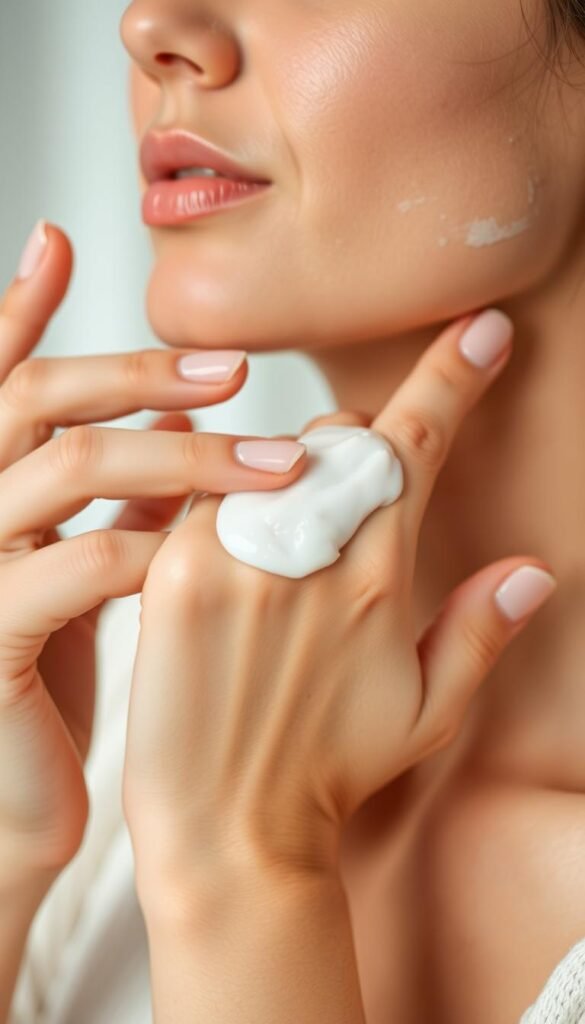
Mornings began with lukewarm water rinses instead of foaming cleansers. Evening routines focused on layered hydration—hyaluronic acid on damp skin followed by cholesterol-rich moisturizers. Weekly progress photos revealed subtle shifts: fewer flakes, softer texture.
By month three, sunlight no longer triggered panic. My regimen evolved into a rhythmic dance of nourishment and protection. The real victory? Discovering that true resilience grows quietly beneath the surface.
Essential Ingredients and Products for Barrier Repair
Rebuilding my complexion’s defenses became a science of selecting molecular allies. Through trial and error, I uncovered six powerhouse components that transformed raw sensitivity into renewed strength.
Ceramides, Lipids, and Natural Oils
Ceramides emerged as my cellular architects – these waxy molecules constitute 50% of the stratum corneum’s structure. Like mortar between bricks, they seal gaps caused by environmental assaults. My nightly ritual incorporated plant-derived oils rich in linoleic acid, particularly rosehip and squalane. These mimicked the skin’s natural sebum without clogging pores.
Ingredient
Source
Key Benefit
Ceramides
Synthetic/Plant
Reinforces cellular bonds
Jojoba Oil
Seed Extract
Balances oil production
Cholesterol
Lanolin/Plants
Enhances lipid synthesis
Hydrating Elements: Hyaluronic Acid and Moisturizers
Hyaluronic acid became my moisture magnet. Applied to damp skin, it created an internal reservoir that survived dry office air and winter winds. Paired with glycerin – a humble humectant – it formed a hydration sandwich that lasted 14 hours.
My research on barrier damage revealed that effective moisturizers need three components: occlusives to seal, emollients to smooth, and humectants to attract. Night creams with 5% urea and pH-balanced formulas became non-negotiable. The result? Skin that remembered how to hold onto precious hydration.
Gentle Skincare Practices to Protect and Repair
Rebuilding resilience required treating my complexion like a delicate ecosystem. Every splash of water, swipe of a towel, and product choice either nurtured recovery or reignited damage. Three principles became non-negotiable: preservation, pH harmony, and persistent protection.
Choosing Soap-Free Cleansers and Mild Formulas
Traditional cleansers became my sworn enemies. Their foamy lathers stripped away essential lipids like thieves in the night. Switching to soap-free alternatives felt like trading sandpaper for silk. I prioritized formulas with oat extract and glycerin – ingredients that lifted impurities without disturbing my skin’s natural balance.
Temperature mattered more than I realized. Hot water melted protective oils faster than butter in a skillet. Lukewarm rinses preserved moisture while still removing residue. Post-cleanse, I learned to press – never rub – a microfiber towel against my face. This simple shift prevented micro-tears in vulnerable areas.
The Importance of Sunscreen and pH Balance
UV exposure doesn’t pause for healing skin. Daily sunscreen application became as routine as brushing teeth. Mineral options with zinc oxide provided a physical shield against rays without chemical irritation. Pairing this with pH-balanced toners (5.5–6.0) created an environment where beneficial microbes thrived.
My cabinet purge removed anything disrupting this delicate equilibrium. Fragrance-free products replaced scented lotions. Acidic exfoliants waited patiently on shelves until my defenses strengthened. Through these ways, I transformed daily rituals into acts of restoration – one gentle choice at a time.
Lifestyle Changes That Enhance Skin Health
It wasn’t until I adjusted my daily habits that my complexion truly began to heal. True resilience blooms when internal care meets external routines – a lesson I learned through trial and revelation.
Nutrition, Hydration, and Sleep
Water became my secret weapon. Drinking eight glasses daily plumped parched areas, while leafy greens provided zinc and vitamins crucial for repair. I noticed dehydration first in my cheeks – tightness that no cream could fix.
Sleep schedules proved transformative. Seven hours nightly let my body produce collagen during peak repair phases. Dark circles faded as cellular turnover accelerated. Rest wasn’t optional – it was fuel.
Stress Management and Daily Routine Adjustments
Morning meditation replaced frantic scrolling. Ten minutes of breathwork lowered cortisol levels, reducing midday flare-ups. I scheduled skincare like meetings – consistent times for cleansing and moisturizing.
Small shifts created ripple effects. Evening walks improved circulation, while silk pillowcases minimized friction. Aligning habits with my body’s rhythm turned maintenance into preventive care – the ultimate glow catalyst.
FAQ
How do I know if my moisture barrier is damaged?
Look for redness, flaking, or sudden sensitivity. If your face stings when applying gentle products or feels tight after cleansing, these are signs your outermost layer needs repair. I experienced persistent dryness before realizing mine was compromised.
Can I use hyaluronic acid on a damaged barrier?
Yes, but pair it with ceramides or squalane. Hyaluronic acid pulls water into skin cells, but without occlusive ingredients to lock hydration in, it might worsen dehydration. I layer it under a lipid-rich cream for best results.
How long does barrier repair take?
For me, visible improvement came in 2-3 weeks, but full recovery took 6-8 weeks. Consistency with pH-balanced cleansers, avoiding physical exfoliants, and using occlusive ointments at night sped up healing. Patience is key—your skin’s natural repair cycle can’t be rushed.
Is sunscreen safe for sensitive, barrier-damaged skin?
Absolutely—opt for mineral formulas with zinc oxide. Chemical sunscreens often contain irritants like avobenzone. I switched to a fragrance-free SPF 30 with niacinamide, which reduced inflammation while protecting against UV rays.
Can diet really impact barrier health?
Omega-3s from salmon and walnuts boosted my skin’s lipid production. I also cut back on sugar, which can trigger inflammation. Hydration from water-rich foods like cucumbers supported my topical routine from within.
Are oils better than creams for repairing dryness?
Oils mimic skin’s sebum but lack ceramides. I use marula oil as a last step over a ceramide moisturizer. This combo reinforces the lipid matrix while preventing transepidermal water loss—critical for rebuilding resilience.
Should I stop all actives during barrier recovery?
Pause retinol and AHAs/BHAs. I kept vitamin C (in stabilized L-ascorbic acid form) since it fights free radicals without stripping. Always patch-test—what works for one person’s skin type might irritate another’s.