“The beauty of a woman is not in the clothes she wears… but in the passion she carries for her choices.” – Audrey Hepburn’s words echoed in my mind as I mixed pantry staples to create my first homemade lip exfoliator. What began as skepticism turned into a revelation: simple ingredients could rival luxury products.
This Website contains affiliate links. That means I may earn a small commission if you purchase through my links, at no extra cost to you.
Chapped lips had plagued me for years. Expensive scrubs offered temporary relief but left my skin drier. Then I discovered Sara Happ’s insight: natural exfoliants like sugar gently remove dead cells while coconut oil nourishes delicate tissue. My kitchen became a lab, blending these staples into a gritty paste.
The results stunned me. After one use, my lips felt silkier than ever. A subtle plumpness emerged, likely from increased blood flow. Best of all? No synthetic fragrances or hidden costs—just pure, customizable care.
Key Takeaways
- Homemade scrubs use gentle ingredients like sugar and oils for safe exfoliation
- DIY formulas can outperform pricey store-bought alternatives
- Natural mixtures allow full control over texture and components
- Immediate results include smoother texture and enhanced volume
- Affordable solutions boost both lip health and personal confidence
Introduction to My Lip Scrub Journey
Applying lipstick used to feel like painting cracked porcelain. No matter how much lip balm I slathered on, flakes would reappear by noon. The constant cycle of dryness made me dread windy days and matte formulas.
Why I Chose to Experiment with a DIY Lip Scrub
After wasting money on countless tubes that promised “24-hour hydration,” a makeup artist friend dropped a truth bomb: “You’re moisturizing over dead skin—it’s like watering concrete.” That’s when I learned lips shed cells faster than other skin but lack oil glands to clear them naturally.
Store-bought lip scrubs helped briefly, yet the gritty textures often irritated. My breakthrough came from a dermatology blog explaining how gentle exfoliation allows hydrators to penetrate deeper. If commercial options missed the mark, maybe a homemade mix could.
The Science Behind Exfoliating Your Lips
Lips have only 3-5 oil glands compared to thousands on your face. This biological quirk makes them lose moisture 3x faster. Removing dead skin buildup does more than smooth texture—it triggers blood flow for natural plumping and reveals fresher cells underneath.
Research shows weekly scrubs can:
- Boost collagen production
- Restore even pigment
- Create a smooth base for color
Armed with this knowledge, I raided my pantry. Why pay $25 for crushed sugar and oil when I could customize my own?
The Benefits of a DIY Lip Scrub for Soft and Plump Lips
Watching my reflection post-scrub felt like discovering a hidden superpower. The gritty mixture transformed my mouth area within moments, revealing a velvety surface I’d forgotten existed. Gentle exfoliation didn’t just erase flakes—it rewrote my entire lip care philosophy.
Immediate Results and Lasting Moisture
That first application erased years of neglect. Sugar crystals buffeted away the ashy film clinging to my mouth, while honey sealed in hydration like liquid silk. My fingertips detected zero roughness—just baby-soft smoothness begging for bold lipstick.
Blood rushed to the surface during the massage, creating a natural flush that rivaled $40 plumping glosses. This wasn’t temporary swelling but genuine circulation boost. By morning, balms soaked in deeper than ever, proving scrubs prime lips to absorb nutrients.
Consistency brought unexpected perks. After three weeks, my natural pigment emerged—a rosy hue previously masked by dead skin. Friends asked if I’d gotten lip blushing tattoos. Nope—just pantry staples and two minutes weekly.
Now I swipe on tinted balms without fearing crusty buildup. Windy days? Bring them. Matte liquid lipsticks? No problem. This kitchen concoction became my secret weapon for moisture-locked confidence that lasts through coffee breaks and desert climates alike.
Gathering the Perfect Natural Ingredients
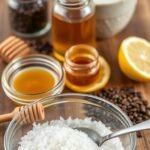
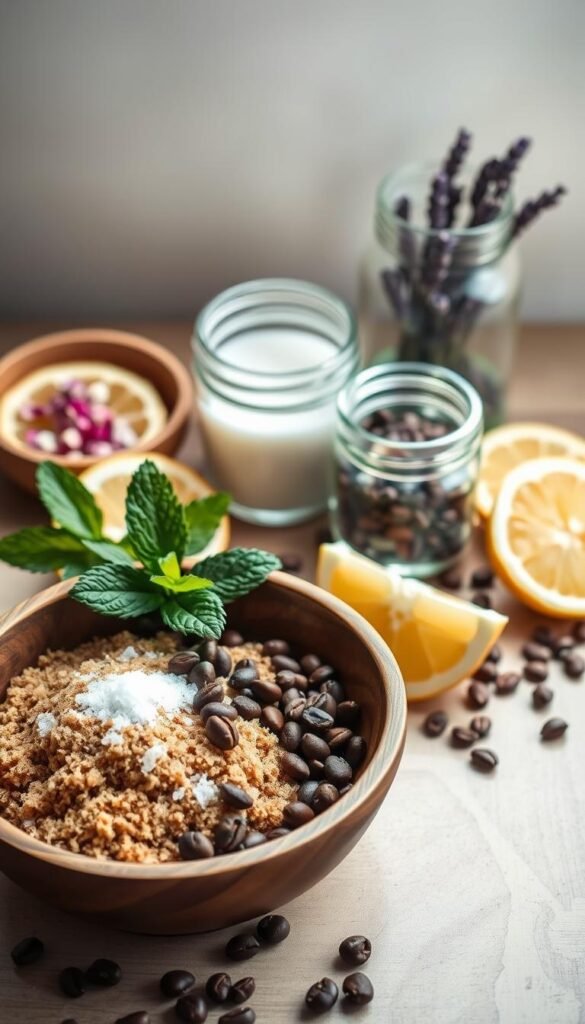
My kitchen counter looked like a wellness boutique during this experiment. Every jar and bottle held potential solutions for cracked lips. The magic? Combining ingredients that buff and hydrate simultaneously.
Must-Have Components for Balanced Care
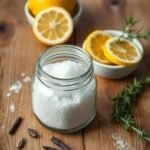
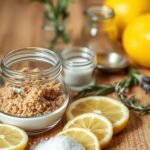
Sugar became my exfoliation MVP. White sugar’s fine granules work for sensitive skin, while brown sugar offers deeper scrubbing. Paired with raw honey—nature’s humectant—the mix traps moisture like morning dew on petals.
Cold-pressed coconut oil sealed the deal. Unlike waxy balms, it melts into lips, delivering fatty acids that repair cracks. For those allergic to coconut, olive oil provides similar hydration without irritation.
Flexible Formulas for Unique Needs
Dry winter lips? Add an extra spoon of coconut oil. Summer sensitivity? Swap in ground oatmeal instead of sugar. I once used mashed strawberries for a vitamin C boost—the pink tint looked adorable!
My golden ratio: 2 parts sugar, 1 part oil, ½ part honey. Adjust textures by choosing granulated or powdered sweeteners. The beauty lies in customization—your lips guide the recipe.
How to Make a DIY Lip Scrub: A Step-by-Step Guide
Creating your own lip treatment requires precision and patience. Through trial and error, I perfected a formula that balances exfoliation with nourishment. Let’s break down the process that transformed my chapped lips into velvety perfection.
Mixing and Measuring in a Small Bowl
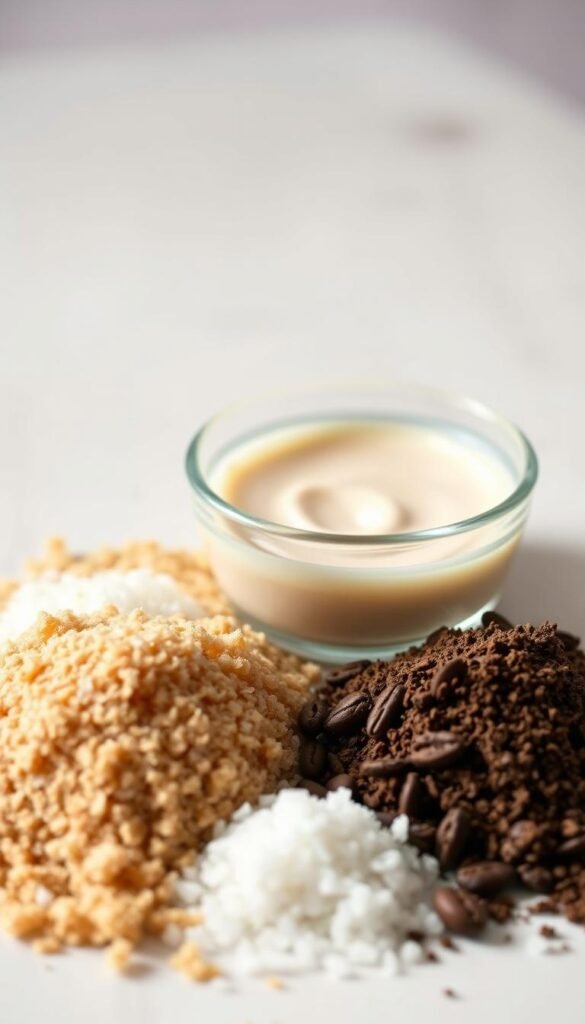
Start with a clean small bowl and these ingredients:
| Ingredient | Measurement | Purpose |
|---|---|---|
| White sugar | 1 tablespoon | Gentle exfoliation |
| Brown sugar | 1 tablespoon | Deep scrubbing |
| Raw honey | 1 teaspoon | Moisture retention |
| Coconut oil | 1 teaspoon | Hydration boost |
Combine all components using a spoon, pressing gently to dissolve clumps. Let the mixture rest 5 minutes—this allows the sugar to absorb oils for even texture. The ideal consistency resembles wet sand that holds its shape when pressed.
Application Techniques Using Circular Motions
Dampen lips slightly before scooping a pea-sized amount. Using your ring finger (it applies the least pressure), massage in circular motions from center to edges. Spend 30 seconds total—15 seconds per lip section.
Rinse with lukewarm water and pat dry. Follow immediately with your favorite balm to lock in moisture. This method removes flakes without irritation, leaving lips prepped for any lipstick formula.
I Tried a DIY Lip Scrub—And It Made My Lips Instantly Softer and Plumper (My Personal Experience)
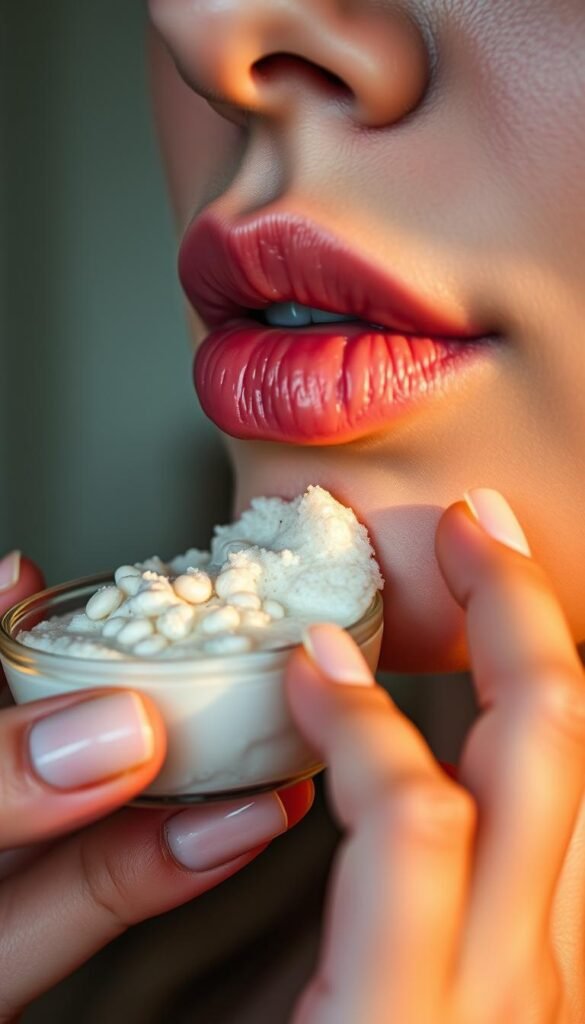
The first swipe felt like tracing silk over sandpaper. As the sugar granules met my parched skin, their gritty texture transformed into a creamy glide—thanks to honey’s golden viscosity. Within seconds, the mixture became a velvety paintbrush, smoothing every crease.
Circling my ring finger clockwise, I felt warmth spread across the surface. Blood rushed to the area, creating a natural flush that made my lip line pop. When I rinsed? No trace of flakiness—just rose-tinted suppleness begging for a bold crimson stain.
Before-and-after comparisons shocked me. My morning mirror had shown cracked edges and uneven pigment. Post-scrub, the surface resembled hydrated satin. Matte lipstick—once my nemesis—glided on evenly without catching on dry patches.
| Aspect | Before | After |
|---|---|---|
| Texture | Flaky, rough | Silky, even |
| Color | Dull pink | Vibrant rose |
| Lipstick Wear | 2-3 hours | 5+ hours |
All day, the plumping effect held strong. I caught myself smiling more, finally trusting my lips to hold vibrant shades without embarrassment. Even my coffee mug stayed clean—no more color bleeding into cracks.
This experiment proved what natural exfoliants can achieve. Store-bought tubes now gather dust while my jar of coconut oil-infused magic sits front-and-center. Sometimes, the simplest solutions shine brightest.
Tips & Tricks for Optimal Lip Exfoliation
Perfecting lip care became a science after I scrubbed my way to irritation. Through trial and error, I discovered how to balance exfoliation with healing—the key to maintaining pillowy-soft texture year-round.
Best Practices to Avoid Over-Exfoliating
Early on, I used my scrub daily, thinking more meant better. Big mistake. My lips turned raw within days. Now I stick to 1-2 weekly sessions—enough to slough dead cells without stripping natural oils.
Watch for these signs to adjust your routine:
| Over-Exfoliation | Healthy Practice |
|---|---|
| Redness or stinging | Pink, supple texture |
| Peeling within 24 hours | Smoothness lasting 3+ days |
| Tight feeling post-rinse | Immediate softness |
Skip scrubbing if cracks or inflammation appear. Let skin heal with pure moisture first. Winter demands gentler pressure—think featherlight circles versus summer’s firm massage.
Post-Scrub Moisturization and Lip Balm Use
Locking in hydration post-scrub is non-negotiable. I apply nourishing lip balm within 60 seconds while pores remain open. My go-to mix: whipped shea butter with a drop of vanilla extract.
Avoid these for 4 hours after treatment:
- Spicy foods (irritates fresh skin)
- Matte lipsticks (dries surface)
- Licking lips (saliva breaks down oils)
Nighttime scrubs work best for me. Slathering on balm before bed lets ingredients penetrate deeply. Wake up to lips that feel like rose petals—no filter needed.
Exploring More DIY Lip Scrub Recipes and Variations
My quest for perfect lips became a culinary adventure. Each ingredient pairing revealed new possibilities for customized care. Let’s explore the formulas that turned my bathroom into a mixology lab.
From Sugar Lip Scrub to Honey-Coconut Combos
Brown sugar emerged as my gentle hero during allergy season. Mixed with 1 tablespoon olive oil, its soft granules polish without irritation. For winter’s harsh grip, 2 teaspoons honey blended with melted coconut oil creates a healing armor against chapping.
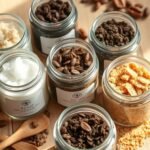
Coffee grounds surprised me most. Combined with 1 tablespoon coconut oil, the caffeine boosted circulation for a natural flush. Summer brought strawberry experiments—mashed fruit with 1 teaspoon sugar delivered gentle acids that brightened pigmentation.
Sensitive days call for oatmeal’s soothing touch. Ground oats mixed with 1 teaspoon honey became my recovery protocol. I prep single-use batches using ice cube trays—no wasted product, endless recipe testing.
My favorite ratios for seasonal shifts:
| Season | Base | Add-In |
|---|---|---|
| Winter | Brown sugar | Coconut oil |
| Summer | White sugar | Strawberry pulp |
| Spring | Oatmeal | Almond oil |
These variations prove one truth: “Your lips’ needs change—your scrub should too.” Whether craving plumping caffeine or fruity freshness, homemade blends adapt like loyal friends.
Conclusion
Transforming lip care through homemade solutions reshaped my beauty routine completely. Years of battling dryness vanished after discovering the power of kitchen staples. This journey proved that gentle exfoliation paired with natural hydration creates lasting results no tube can match.
Consistent use of a homemade scrub delivered what $50 products couldn’t—naturally soft texture and subtle fullness. Mixing sugar with oils became a weekly ritual, saving hundreds annually while letting me control every ingredient. No more hidden chemicals or disappointing outcomes.
The benefits extend beyond aesthetics. Regular scrubs improved my lip health dramatically—fewer cracks, even tone, and better product absorption. A quick rinse with warm water followed by balm keeps them pillow-soft through harsh weather.
For anyone tired of store-bought shortcuts, creating a DIY lip scrub offers freedom and effectiveness. It’s more than skincare—it’s a customizable self-care practice that turns everyday ingredients into luxury. Sometimes, the best solutions truly come from home.