“Simplicity is the ultimate sophistication,” Leonardo da Vinci once said. That philosophy shines in skincare routines that prioritize natural, accessible solutions over costly products. What if I told you a spa-quality treatment could be made with items already in your pantry?
This Website contains affiliate links. That means I may earn a small commission if you purchase through my links, at no extra cost to you.
After years of experimenting, I discovered a powerhouse blend that combines gentle exfoliation with intense hydration. The magic lies in three common components: coconut oil, sugar, and essential oils. This mixture works wonders by sloughing away dead cells while locking in moisture, leaving your skin irresistibly soft.
Store-bought scrubs often contain harsh additives or microplastics. My version skips the chemicals and lets you control every element. Adjust the texture with extra sugar or tweak the scent with lavender, citrus, or peppermint oils. It’s like having a customizable spa experience at home.
Best of all? You’ll save money without sacrificing results. My recipe takes five minutes to prepare and uses quantities you can scale up or down. The grainy yet creamy consistency feels luxurious, and the effects last days. Why pay premium prices when glowing skin is literally at your fingertips?
Key Takeaways
- Create a spa-quality treatment using everyday pantry staples
- Combine natural exfoliation with deep moisturization in one step
- Avoid harsh chemicals found in commercial products
- Customize scents and textures for personal preference
- Achieve immediate results in under five minutes
- Save significantly compared to store-bought alternatives
Introduction to My Homemade Exfoliating Scrub
My love for body scrubs started during a winter when store-bought products left my skin feeling like sandpaper. One desperate evening, I mixed brown sugar with olive oil from my pantry – the silky results shocked me more than a polar plunge!
Commercial scrubs often made my skin flare up like a neon sign. I realized their tiny plastic beads and synthetic fragrances were doing more harm than good. That’s when I committed to creating gentle alternatives that actually exfoliate skin without stripping its natural moisture.
Through trial and error, I discovered the perfect balance: granular textures for renewal paired with nourishing oils. My first successful sugar scrub used just three components – but the real magic came from customizing ratios. Want more hydration? Add extra coconut oil. Need deeper exfoliation? Try coarse sea salt.
What began as a cost-saving hack became my weekly self-care ritual. Now I look forward to mixing fresh batches almost as much as using them. There’s something deeply satisfying about smoothing on a scrub that smells like citrus sunshine and knowing every ingredient by name.
Friends started asking for jars after noticing how my skin glowed. That’s when I knew – sometimes the best solutions aren’t found in fancy bottles, but in our own kitchens.
Why I Love Using Kitchen Ingredients for My Scrub
There’s a special kind of magic in transforming everyday items into something extraordinary. My bathroom shelf used to overflow with fancy jars until I realized my pantry held better solutions. Now I reach for coarse sugar instead of plastic microbeads, and my skin thanks me daily.
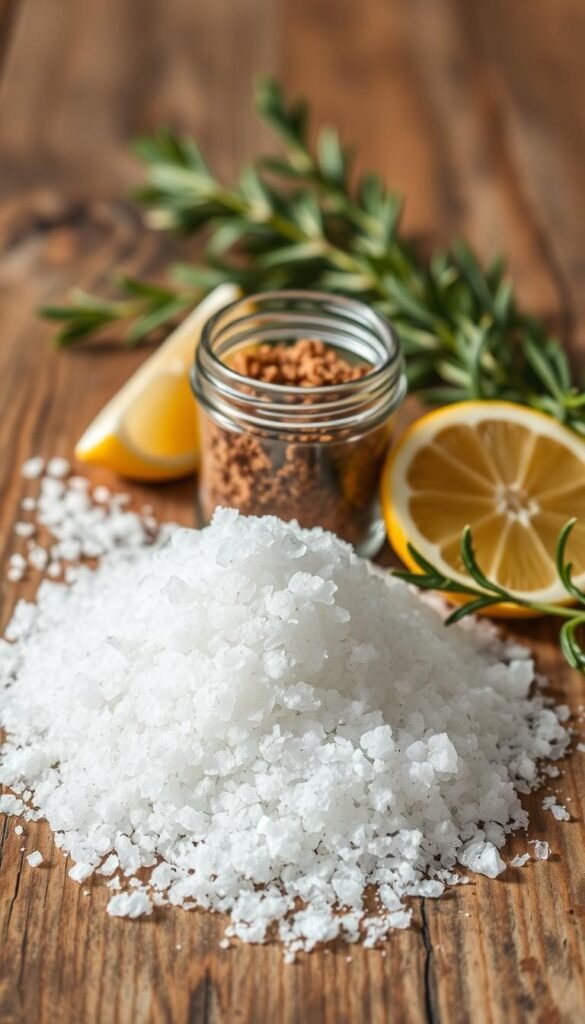
What sealed the deal? Science backs these staples. A 2018 study showed coconut oil strengthens the skin‘s protective layer while calming irritation. Unlike store-bought versions that leave me itchy, this golden oil melts into my body like liquid silk.
Here’s why this approach works:
- Pantry staples cost 75% less than luxury brands
- Granulated sugar dissolves completely, avoiding shower drain drama
- Custom textures let me adjust grit based on my skin‘s needs
Another reason I’m hooked? Instant freshness. Commercial scrubs sit on shelves for months, but mine uses vibrancy you can smell. Last week I blended lemon zest into my mix – it felt like rubbing sunshine onto my legs.
The best part? No chemistry degree required. When every component comes from my cooking staples, I know exactly what nourishes my body. It’s skincare without the mystery ingredients or buyer’s remorse.
Essential Tools and Ingredients for My DIY Sugar Scrub
Crafting my signature scrub feels like conducting a sweet symphony – every tool plays its part. Through countless batches, I’ve refined my toolkit to match professional results without specialty equipment.
Tools I Use in the Kitchen
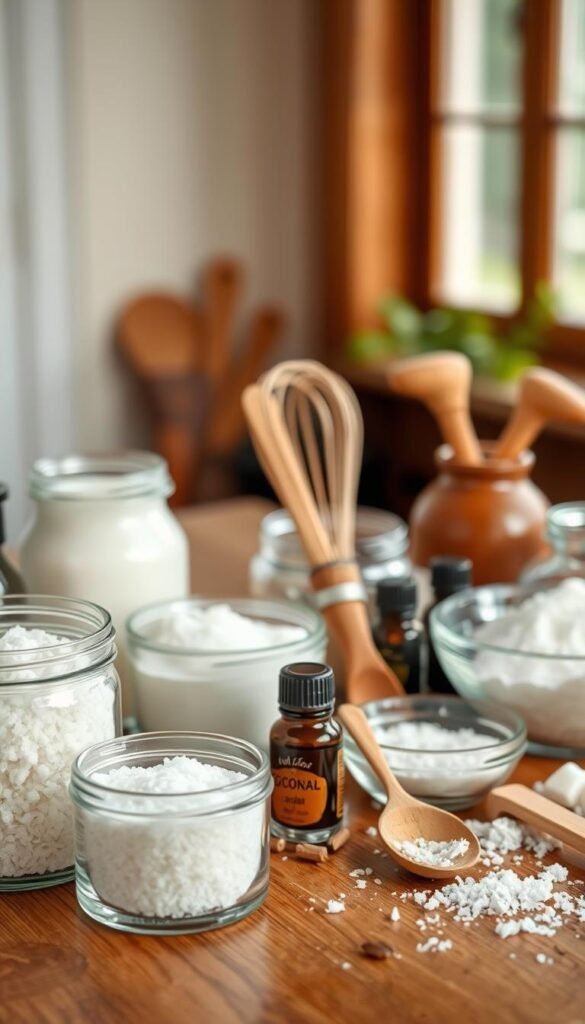
My trusty bowl sits center stage – wide enough for vigorous mixing yet compact for easy storage. Measuring cups and tablespoons ensure I nail the 2:1 sugar-to-oil ratio every time. A silicone spatula scrapes every last bit from the edges, while a basic whisk blends clumps into velvety smoothness.
For scent customization, I keep pipettes in my drawer. They let me add just 5 drops of peppermint oil without overpowering the mixture. When gifting, glass containers with bamboo lids turn practical storage into Pinterest-worthy presents.
Ingredient Checklist and Their Benefits
The beauty of this sugar scrub lies in its simplicity. Coarse sugar acts as nature’s loofah, sloughing off dead cells without irritation. Coconut oil – measured precisely with my tablespoon – becomes the hydrating backbone. A cup of this golden liquid melts into skin like tropical rain.
Optional add-ins let me reinvent the base recipe. Lavender oil calms my nerves during evening showers, while lemon zest adds morning freshness. During dry winters, I’ll swap half the sugar for honey in the same bowl, creating an ultra-moisturizing blend that lasts through February.
3 Kitchen Ingredients to Make This Game-Changing Homemade Exfoliating Scrub
The secret to glowing skin might be sitting in your cupboard right now. My go-to blend combines sugar, coconut oil, and essential oils – a trio that works like magic. Each component brings unique benefits that store-bought products struggle to match.
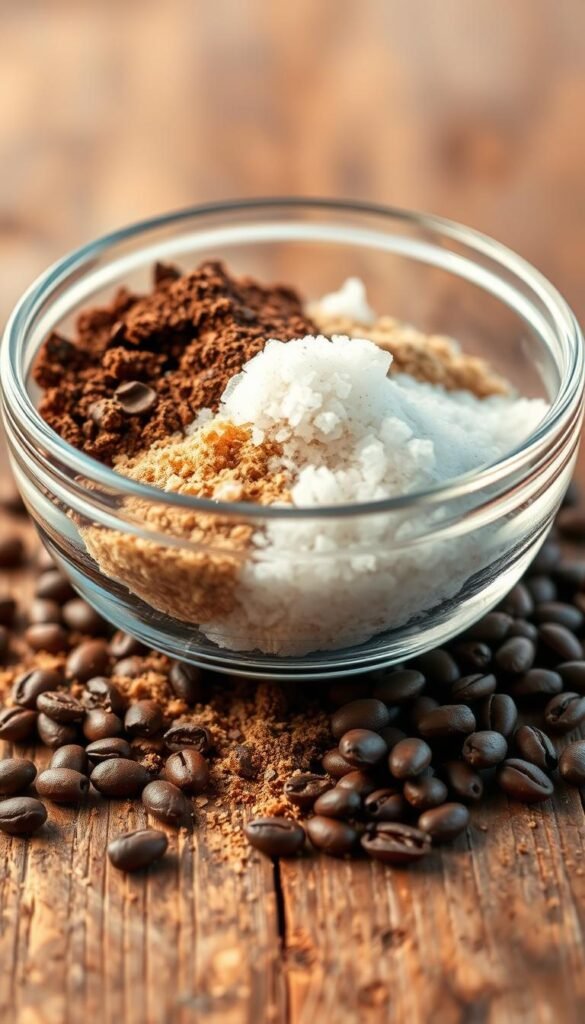
Sugar forms the scrub’s backbone, polishing away dullness without irritation. Unlike harsh exfoliants, its granules melt completely during rinsing. This means no gritty residue in your shower drain or on your skin.
For every two cups of sugar, I mix one cup coconut oil. This golden liquid transforms into a velvety base that nourishes as it cleanses. Research shows it strengthens skin’s moisture barrier better than many lab-made creams.
| Component | Primary Role | Key Benefit | Customization Tip |
|---|---|---|---|
| Sugar | Physical exfoliation | Water-soluble & gentle | Use brown sugar for sensitive areas |
| Coconut Oil | Moisture retention | Anti-inflammatory properties | Substitute with olive oil for drier skin |
| Essential Oils | Aromatherapy boost | Mood enhancement | Blend citrus + mint for energizing scrub |
Fifteen drops of essential oil personalizes each batch. My current favorite mix: grapefruit for morning showers and lavender for evening relaxation. The oil component does double duty – scent therapy plus extra skin nourishment.
What makes this scrub truly special? You control the texture. More sugar increases exfoliation power, while extra coconut oil creates a richer consistency. It’s skincare that adapts to your needs, not the other way around.
Step-by-Step Recipe Process
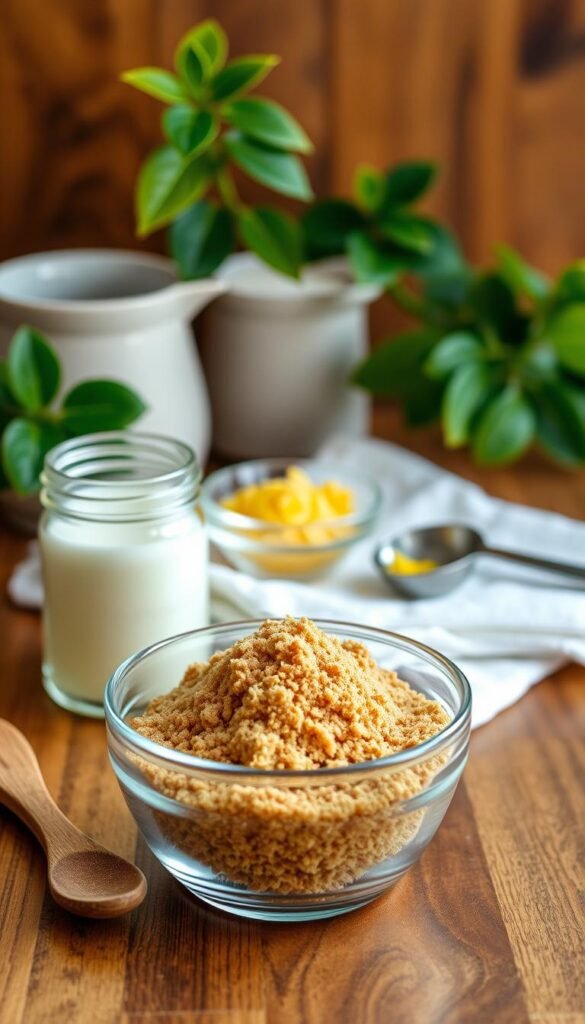
Perfecting your scrub requires the precision of a pastry chef and the intuition of a painter. Let me walk you through my foolproof method that guarantees salon-quality results every time.
Mixing and Combining Ingredients
I always begin by softening the coconut oil until it reaches a spreadable consistency. In my favorite bowl, I stir combine two parts sugar with one part oil using slow, circular motions. This gradual approach prevents clumping and ensures each crystal gets evenly coated.
Once the base mixture resembles wet sand, I add essential oils. My trick? Pour them along the edge of the bowl rather than directly into the center. This distributes fragrance more evenly without overwhelming any section.
Adjusting the Texture for Perfect Consistency
The ideal texture should hold together when squeezed but crumble lightly when rubbed. If your mixture feels slick, sprinkle in extra sugar one tablespoon at a time. I test by pressing a spoonful against my palm – it shouldn’t leave an oily residue.
Remember: this recipe thrives on personalization. Need deeper exfoliation? Use coarse-grain sugar. Prefer a creamier feel? Increase oil slightly. The consistency adapts beautifully to your skin’s changing needs through seasons.
Tips to Customize Your DIY Sugar Scrub
What makes homemade skincare truly special? The power to craft scrub recipes that evolve with your needs. Let me share my favorite ways to transform the base formula into personalized treatments.
Choosing Essential Oils for a Personal Scent
My essential oils collection rivals a perfumer’s workshop. For evening relaxation, I add 8 drops of lavender – its floral notes melt tension away. Morning showers get 5 drops each of grapefruit and peppermint for an energizing kick.
| Essential Oil | Scent Profile | Skin Benefit |
|---|---|---|
| Lavender | Floral & Calming | Reduces redness |
| Peppermint | Minty & Invigorating | Cooling sensation |
| Citrus Blend | Zesty & Uplifting | Brightens complexion |
Blending essential oils creates complex aromas. Try 3 parts bergamot with 1 part vanilla for a creamsicle effect. Always mix in a glass bowl – some oils degrade plastic containers.
Adding a Twist with Natural Zest and Herbs
Fresh lemon zest adds gentle acidity that dissolves dead cells. I stir in 2 tablespoons per batch, avoiding the bitter white pith. Dried rosemary leaves create a subtle exfoliating texture while boosting circulation.
Summer batches feature crushed mint leaves for cooling relief. In winter, I infuse the oil with cinnamon sticks overnight. Pro tip: Strain herbal additions after 24 hours to prevent mold growth.
How I Store and Preserve My Homemade Scrub
Keeping your creation fresh requires smart storage solutions. Through trial and error, I’ve perfected methods that maintain quality while fitting seamlessly into daily routines.
Container Choices & Freshness Tricks
Glass mason jars became my go-to container after plastic ones let moisture creep in. Their airtight seal locks in freshness while showcasing the scrub’s natural beauty – bonus points for looking chic on shower shelves!
Three storage essentials I swear by:
- Always use dry hands or a clean spoon to scoop
- Store away from direct sunlight to prevent oil separation
- Label batches with creation dates using washable markers
Basic sugar-oil blends last 3-4 weeks at room temperature. When adding fresh ingredients like citrus zest, I transfer smaller portions to the fridge. Pro tip: Use preservative-free storage methods for maximum shelf life without compromising natural integrity.
Through weekly use, I’ve learned water is the enemy. Even tiny droplets accelerate spoilage. Now I keep a dedicated towel nearby during showers and wipe the jar’s rim after each use. This simple habit extends my batches’ lifespan better than any fancy gadget!