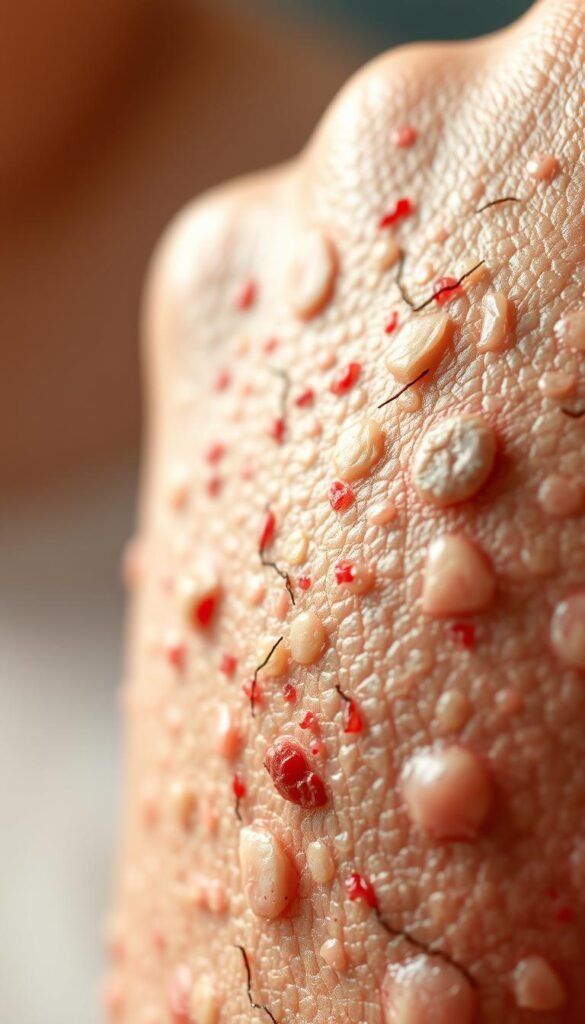
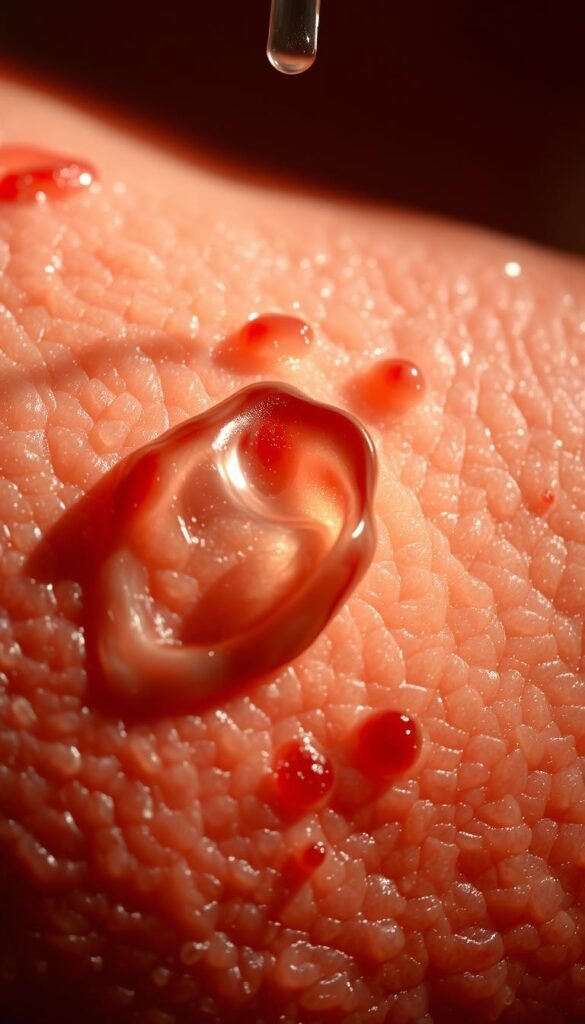
“You may encounter many defeats, but you must not be defeated.” Maya Angelou’s words echoed in my mind during years of battling reactive skin. Like countless others, I believed skincare should tingle or sting to “work.” Instead, my face erupted in redness, tightness, and chemical burn-like reactions—even from products labeled “gentle.”
This Website contains affiliate links. That means I may earn a small commission if you purchase through my links, at no extra cost to you.
Acids, fragrances, and common formulas left me scrambling to rinse my face within minutes. Blisters formed after using a popular exfoliant just once. Dermatologists confirmed what I feared: my skin barrier was compromised, turning routine products into triggers.
Through research and consultations, I discovered a truth: pain isn’t part of effective skincare. This revelation sparked a journey toward rebuilding my skin’s resilience. I’ll share how I transformed from constant irritation to calm, balanced skin—without sacrificing results.
Key Takeaways
Chemical reactions from skincare often stem from improper use of acidic ingredients
Persistent redness or burning signals compromised skin barriers
Immediate rinsing minimizes damage from harsh product reactions
Professional guidance accelerates recovery for reactive complexions
Understanding My Sensitive Skin Journey
Navigating product aisles became a minefield in my twenties. Every cleanser or cream promised radiance but delivered fire. What started as occasional tingling escalated into full-face reactions that left me baffled and frustrated.
Learning Through Painful Trial
Persistent redness around my nose and temples became my unwanted signature. Even basic moisturizers caused stinging within seconds. The worst reaction left visible flakes resembling chemical burns—a wake-up call that pain-free skincare wasn’t optional but essential.
Decoding Physical Alarms
Three patterns emerged repeatedly:
Symptom
What It Signals
Immediate Action
Burning after application
Chemical irritation
Rinse with cool water
Rash-like bumps
Allergic response
Stop product use
Tight, dry patches
Barrier damage
Apply ceramide cream
Nighttime itching disrupted sleep, while daytime tightness made facial expressions uncomfortable. I finally understood these weren’t “adjustment periods” but crisis signals. Tracking reactions in a journal revealed patterns—fragrance and alcohol denat triggered 80% of flare-ups.
Identifying the Causes of Skin Burning and Irritation
My quest for clear skin backfired spectacularly when routine products turned into aggressors. Through elimination trials and dermatologist consultations, I uncovered surprising triggers hiding in everyday formulas.
Common Culprits in Skincare Routines
Many products contain stealth irritants disguised as beneficial ingredients. Fragrance additives topped my personal danger list—these synthetic or plant-derived scents caused immediate redness despite their pleasant aromas. Preservatives like methylisothiazolinone proved equally problematic, creating delayed allergic reactions I initially blamed on stress.
Essential oils shocked me most. While marketed as natural alternatives, compounds in thyme and cinnamon bark oil acted like chemical warfare on my compromised barrier. Even “gentle” moisturizers became enemies when they included these deceptive irritants.
How Allergens and Overuse of Actives Affect My Skin
Chemical exfoliants revealed a cruel irony. While AHAs in proper concentrations (pH ~4) can benefit some, my overzealous application of glycolic acid serums eroded protective lipids. Dermatologists explained how repeated use of acids creates microscopic cracks, allowing allergens deeper access to vulnerable layers.
Combination products worsened the damage. A single night cream containing retinol and vitamin C and hyaluronic acid overwhelmed my skin’s capacity to process ingredients. This cocktail approach—common in anti-aging formulas—transformed potential allies into inflammatory triggers.
Through patch testing, I learned that irritation often stems from cumulative exposure rather than single applications. What began as occasional tingling evolved into full-blown reactions as my barrier weakened from constant assault.
My Skin Burned From Everything—Until I Found This Sensitive Skin Care Routine
Breaking free from constant irritation required radical simplicity. After years of chasing quick fixes, I discovered healing through restraint—replacing 12-step regimens with three trusted essentials.
What Changed When I Switched Routines
My bathroom shelf went from overflowing to minimalist overnight. The new protocol:
Old Approach
New Method
Result Timeline
5+ actives daily
Zero actives
14 days
Fragranced products
Unscented formulas
Immediate
Instant application
48-hour patch tests
Ongoing
Ditching exfoliants and serums felt counterintuitive. Yet within days, tightness faded. By week two, mirror checks showed plumper texture without stinging during application.
I became an ingredient detective, scrutinizing labels for hidden irritants. Learning that “natural” doesn’t equal gentle was pivotal. Chamomile extracts and essential oils joined my avoid list alongside synthetic fragrances.
The real victory came during a stressful workweek. Previously, stress meant guaranteed flare-ups. Now, my barrier held strong—no redness, no burning. That resilience proved more valuable than any temporary glow.
Crafting a Gentle Skincare Routine for Sensitive Skin
Rebuilding trust with my complexion meant rethinking every step. The right combination of cleanser and moisturizer became my foundation—not just products, but daily acts of repair.
Choosing the Right Cleanser and Moisturizer
Foaming formulas felt luxurious but left cheeks tight. Switching to cream-based options changed everything. Here’s what worked:
Cleanser Type
Key Benefit
Frequency
Cream Cleanser
Maintains natural oils
Twice daily
Micellar Water
Non-rinse makeup removal
As needed
Oil Balm
Dissolves sunscreen gently
Evenings only
Hydration came from moisturizers with ceramides—they rebuilt what acids destroyed. I avoided anything with alcohol or floral scents, even if brands claimed they were “calming.”
Testing taught me to apply products on damp skin. This simple trick helped hyaluronic acid absorb better without sticky residue. Nighttime became about recovery, using thicker creams that didn’t trigger pillowcase friction.
Finding balance took patience. Some days required just micellar water and a single moisturizer. Others demanded layered hydration. Listening to my skin’s needs—not product instructions—finally brought lasting comfort.
Effective Techniques to Soothe Irritated Skin
Finding relief required combining quick fixes with lasting solutions. While instant cooling brought temporary comfort, true healing demanded strategic care. These methods transformed flare-ups from week-long crises to manageable events.
Methods I Used to Calm Inflammation
Speed proved crucial during reactions. The moment burning started, I’d rinse with cool water for 20 minutes—no exceptions. This simple step diluted irritants before they caused deeper damage.
Symptom Relief
Treatment
Timeframe
Burning sensation
Cold compress
Instant
Dryness/flaking
Petroleum jelly
24-48 hours
Redness
Aloe vera gel
30 minutes
Patting—never rubbing—skin dry prevented further agitation. For stubborn pain, chilled green tea bags worked better than store-bought gels. Their antioxidants reduced swelling without sticky residue.
Home Remedies and Dermatologist Tips
My dermatologist stressed moisture as the cornerstone of repair. “Think of your barrier like cracked soil,” she advised. “Gentle hydration fills those gaps.” I layered thin coats of ceramide cream between damp cloth applications.
Two unexpected heroes emerged:
Oatmeal baths for body flare-ups
Silk pillowcases to minimize friction
“Healing isn’t linear—expect good days and setbacks.”
Board-Certified Dermatologist
Sun avoidance became non-negotiable. Even mild UV exposure worsened skin irritation. I kept curtains drawn during peak daylight and used mineral sunscreen only after redness subsided.
Understanding the Impact of Exfoliating Acids
Discovering the double-edged nature of exfoliants transformed my approach to skincare. While acids promise glowing results, they demand respect—especially for delicate complexions.
The Paradox of Chemical Exfoliation
Alpha hydroxy acids (AHAs) initially seemed miraculous. Glycolic and lactic acids smoothed rough patches and brightened dullness. But repeated use left my face feeling raw, like sandpaper had replaced soft tissue. Chemical burns appeared after combining multiple acid-based products.
Acid Type
Benefits
Risks
Glycolic (AHA)
Unclogs pores
Peeling/flaking
Salicylic (BHA)
Reduces acne
Redness/flushing
Lactic (AHA)
Hydrates gently
Stinging sensation
Beta hydroxy acids (BHAs) like salicylic acid penetrated deeper into pores. This made them effective against breakouts but increased irritation risks. Using a cleanser, toner, and spot treatment containing BHAs created a triple threat my skin couldn’t handle.
Sun protection became non-negotiable. Both AHAs and BHAs strip away protective layers, making skin vulnerable to UV damage. I learned to apply mineral sunscreen daily—even when staying indoors—to prevent further sensitivity.
Recovery required complete avoidance of acids for six months. When reintroducing them, weekly applications of 2% lactic acid replaced daily 10% glycolic serums. This gradual approach maintained results without reigniting inflammation.
Managing Product Reactions and Avoiding Over-Exfoliation
Mastering product reactions became my survival skill after multiple setbacks. The turning point came when I realized my face wasn’t “purging”—it was screaming for mercy.
Spotting the Red Flags
Three signals demanded immediate action:
Persistent stinging lasting over 60 seconds after application
Cluster of tiny bumps along jawline and cheeks
Sudden dryness in typically oily zones
These symptoms revealed my barrier couldn’t handle active ingredients. I created a triage system:
Reaction Severity
Action Plan
Timeline
Mild tingling
Skip actives for 48 hours
Monitor 3 days
Visible redness
Stop all new products
1-week reset
Burning/flaking
Basic routine only
2-4 weeks
Over-exfoliation left my complexion paradoxically oily yet tight. I learned to track product combinations—using retinol with vitamin C doubled irritation risks. Now, I phase in actives one at a time, testing for 14 days before adding another.
My recovery protocol uses just:
pH-balanced cleanser
Ceramide-rich moisturizer
Zinc oxide sunscreen
Patience proved crucial. “Healing happens beneath the surface before you see changes,” my dermatologist reminded me during flare-ups. Waiting six weeks before reintroducing any actives broke the cycle of damage.
Adjusting My Routine to Restore a Damaged Skin Barrier
Repairing my compromised complexion felt like fixing a leaky roof—every solution needed to address both immediate damage and future protection. My dermatologist explained that trans epidermal water loss created a vicious cycle: dehydration triggered oil overproduction, leaving me with shiny yet flaky skin.
Strategies for Replenishing Moisture and Protection
I swapped hot showers for lukewarm rinses to avoid stripping natural oils. Morning routines included patting—never rubbing—a ceramide cream onto slightly damp skin. At night, a thin layer of squalane created an occlusive seal without clogging pores.
“Think of your barrier as a brick wall—ceramides are the mortar holding it together.”
Board-Certified Dermatologist
Consistency proved crucial. For six weeks, I avoided all actives and used the same three products. Results came slowly: reduced tightness by day 10, normalized oil production by week 3. This taught me that true repair happens beneath the surface before visible improvements appear.
Preventative Measures to Stop Further Skin Irritation
Transforming my approach from reactive to proactive changed everything. Prevention became my armor against flare-ups—simple habits that kept skin calm despite daily challenges.
Daily Defense Tactics
Three non-negotiable rules emerged:
Sunscreen first: Mineral formulas with zinc oxide became my daily shield, especially when using retinoids. I apply it even indoors—UV rays penetrate windows.
Temperature control: Lukewarm water replaced steaming showers. Hot temperatures strip natural oils, worsening skin barrier issues.
Product probation: Every new item gets tested behind my ear for 72 hours. This “trial zone” revealed irritants before they reached my face.
I learned to read labels like a detective—avoiding alcohol denat and synthetic fragrances. pH-balanced cleansers (4.5-5.5) proved gentler than harsh foaming washes. Consistency mattered most: using skincare products as directed prevented overuse disasters.
Friends often ask how I maintain resilience. My secret? Treating prevention as ongoing care, not emergency fixes. When introducing actives, I follow the “one at a time” rule—waiting weeks between new additions. This patience pays off in lasting comfort.
FAQ
What ingredients should I avoid if my skin burns easily?
Fragrance, alcohol, and harsh acids like glycolic or salicylic acid often trigger irritation. I also steer clear of essential oils and physical scrubs, which can worsen sensitivity. Always check labels for these irritants!
How do I know if a product is causing an allergic reaction?
Redness, stinging, or sudden dryness after application are red flags. I patch-test new products on my wrist first. If burning occurs within 24 hours, I stop using it immediately.
Can I still use vitamin C or retinol with sensitive skin?
Yes, but start with low concentrations and buffer them with moisturizer. I use gentler alternatives like bakuchiol instead of retinol and opt for stabilized vitamin C serums to minimize irritation.
What’s the best way to repair a damaged moisture barrier?
Simplify your routine! I relied on ceramide-rich creams like CeraVe Moisturizing Cream and slugging with Vaseline at night. Avoid exfoliants until your skin feels less reactive.
How often should I exfoliate if I have sensitive skin?
Rarely—or not at all. If I use acids, I choose lactic acid once a week max. Over-exfoliation caused my worst flare-ups, so now I prioritize hydration over scrubbing.
Are mineral sunscreens better for reactive skin?
Absolutely! Zinc oxide-based sunscreens like EltaMD UV Clear Broad-Spectrum SPF 46 soothe while protecting. Chemical sunscreens often made my face sting, but mineral options feel calming.
What home remedies help calm burning skin fast?
Cold aloe vera gel (no alcohol added!) and oatmeal masks saved me. My dermatologist also recommended using thermal spring water sprays like Avène to reduce inflammation between steps.
Can over-moisturizing make sensitivity worse?
Surprisingly, yes. Heavy creams trapped heat in my skin during flare-ups. Now I layer lightweight hydrators like Neutrogena Hydro Boost Gel-Cream and seal them with a thin occlusive.