“The beauty of a woman is not in facial mode but the true beauty in a woman is reflected in her soul.” – Audrey Hepburn. This quote became my mantra when I first noticed subtle changes in my delicate eye area. Like many, I assumed these early signs were inevitable, but curiosity drove me to challenge that belief.
This Website contains affiliate links. That means I may earn a small commission if you purchase through my links, at no extra cost to you.
My journey began with research. I learned the skin around our eyes renews itself slower over time, making it prone to showing age first. Constant facial movements like smiling, combined with environmental stressors, accelerate this process. Prevention became my priority – but how?
Through trial and error, I discovered success requires balancing science-backed skincare with lifestyle adjustments. I phased out habits like late-night screen time and prioritized hydration. Weekly progress photos revealed gradual improvements, teaching me consistency matters more than quick fixes.
Key Takeaways
- The eye area shows aging first due to thin skin and frequent muscle use
- Daily habits impact skin health as much as topical products
- Combining prevention and treatment yields best results
- Visible changes require 6-8 weeks of consistent care
- Professional treatments can enhance home care routines
What surprised me most? Genetics aren’t destiny. While my mother had pronounced lines by 40, strategic care helped me maintain smoother skin at the same age. This experience transformed how I view aging – not as a countdown, but as a dialogue with my body.
Introduction to the Causes and Effects of Aging on the Eye Area
When I first noticed feathery creases mirroring my laugh lines, I assumed they were harmless. Then they stayed put when my face relaxed. That’s when I realized my skin’s story was more complex than simple expressions.
My Wake-Up Call With Time’s Signature
My dermatologist identified my early lines as dynamic wrinkles – souvenirs from decades of joyful reactions. But why did they linger? Research showed collagen production drops 1% yearly after 25. The math was sobering: at 35, I’d lost 10% of my skin’s scaffolding.
Three factors deepened my concern:
- Sunscreen skipped during dog walks added UV damage
- City pollution oxidized my skin’s protective layer
- Winter winds sapped moisture from delicate areas
Environmental Chess Game
I mapped my daily exposures like a detective. Morning commutes meant particulate matter settling on my face. Lunchtime walks without sunglasses? Free radical invitations. Even my office’s dry AC air played villain.
The turning point came when I learned elasticity loss isn’t just genetic. My abandoned smoking habit had left oxidative debt. Now, every squint at screens compounded the issue. Protecting this fragile zone became non-negotiable.
Preventative Skincare Steps to Minimize Wrinkles Under Eyes
Transforming my skincare strategy became pivotal when I realized visible changes required more than wishful thinking. Through meticulous experimentation, I discovered three non-negotiable elements: science-backed ingredients, disciplined routines, and intelligent sun defense.
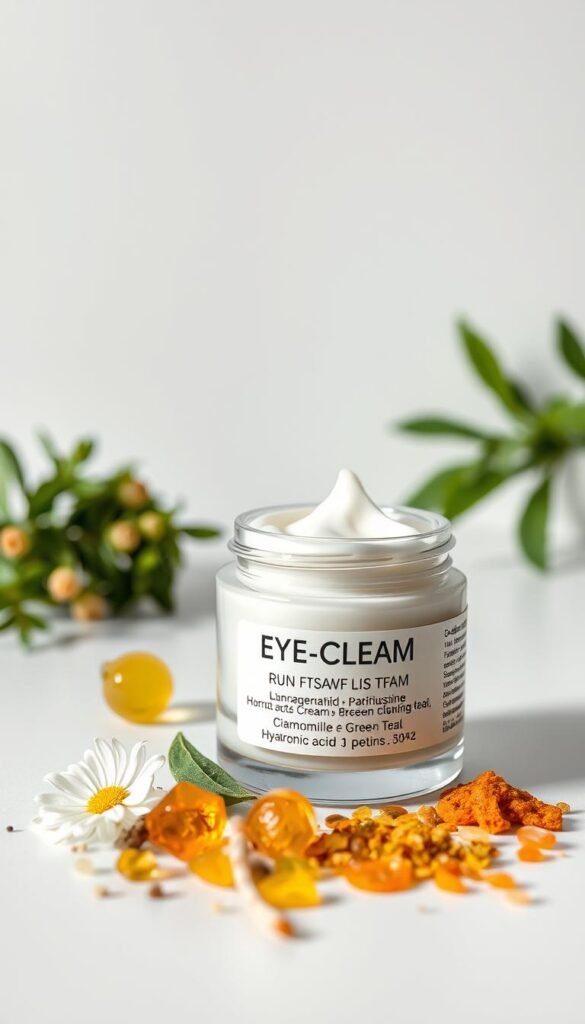
Essential Ingredients: Retinoids, Hyaluronic Acid, and Vitamins
My game-changer was learning how compounds interact with skin biology. Retinoids became my nighttime ally – boosting cell turnover while protecting collagen. I started slowly: 0.3% retinol twice weekly, working up to nightly use over 12 weeks.
Mornings began with vitamin C serum. Its antioxidant power neutralized free radicals while stimulating collagen production. The real hydration hero? Hyaluronic acid. Applied to damp skin, it plumped fine lines like nature’s filler.
Daily Routines and Protective Measures Against Sun Exposure
I designed my regimen like armor against environmental stressors:
- Gentle cleanser pH-balanced for delicate eye areas
- SPF 50 zinc oxide cream reapplied every 2 hours outdoors
- Wide-brimmed hats during midday dog walks
Application technique mattered. Using my ring finger, I pat – never rub – products. This prevented tugging on fragile skin. Nightly rituals included a peptide-infused moisturizer to support skin repair during sleep cycles.
Consistency delivered results. After 10 weeks, my reflection showed smoother texture and brighter tone. While professional treatments enhanced progress later, this foundation proved indispensable.
Natural Home Remedies and Lifestyle Changes for the Eye Area
My bathroom became a lab when I shifted focus from store-bought solutions to holistic approaches. Combining ancient wisdom with modern science revealed surprising connections between daily habits and skin vitality.
DIY Remedies and Facial Exercises for Eye Tightening
I developed a morning ritual of facial exercises while brewing coffee. Gentle thumb presses along brow bones and slow blinks strengthened muscles supporting the skin around eyes. Weekly aloe masks became my Saturday staple – the cooling gel reduced puffiness while improving appearance.
Diet, Sleep, and Reducing Stress for Improved Skin Elasticity
My grocery list transformed into a skin rescue mission. Bell peppers and spinach replaced snacks, their vitamin C boosting cell renewal. Silk pillowcases solved my sleep crease mystery – waking up with fewer lines felt like magic.
| Solution | Benefit | Frequency |
|---|---|---|
| Aloe vera masks | Hydrates & reduces fine lines | 2x weekly |
| Side-sleeping prevention | Prevents pressure lines | Nightly |
| Antioxidant-rich meals | Supports collagen production | Daily |
Managing allergies with nasal sprays cut exposure to irritants causing redness. Evening meditation sessions lowered cortisol levels – my face visibly relaxed within weeks. These changes proved that prevention isn’t just topical – it’s a full-body commitment.
Professional Treatments and Cosmetic Procedures for Wrinkles Under Eyes
Exploring professional treatments felt like unlocking a new skincare dimension. After years of home care, I discovered these procedures could amplify my results in ways creams alone couldn’t. My dermatologist became my guide through this landscape of modern solutions.
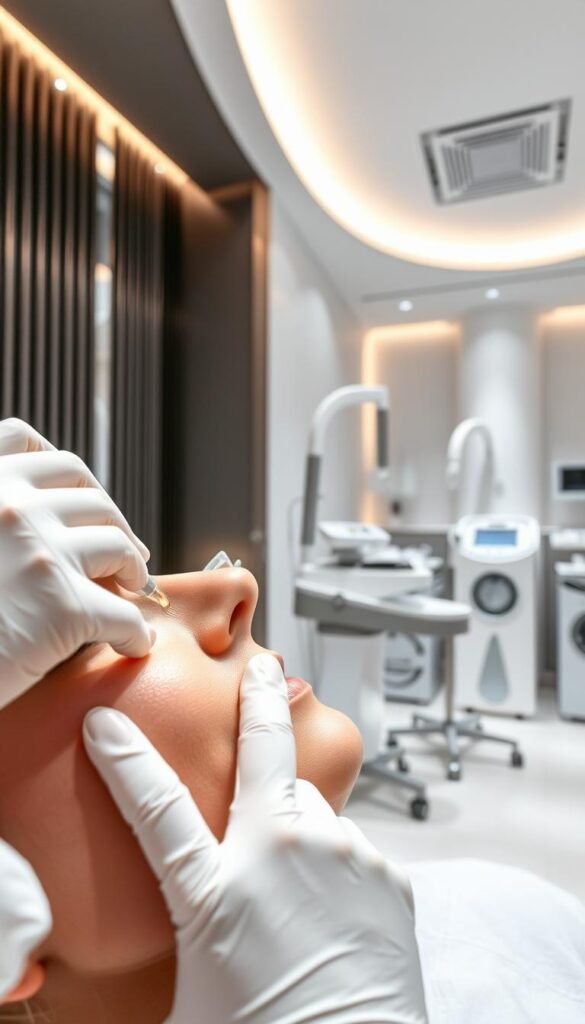
Non-Invasive Options: Botox, Fillers, and Laser Treatments
Botox transformed my dynamic lines within days. The treatment relaxed muscles causing repeated creasing. Fillers addressed hollow areas I’d battled for years – hyaluronic acid injections plumped the area instantly. Fractional lasers became my secret weapon, stimulating collagen through controlled micro-injuries.
Advanced Procedures: Chemical Peels and Microneedling
Microneedling surprised me most. Tiny needles triggered my skin’s repair mode, improving texture over three sessions. Chemical peels offered faster results, removing damaged layers to reveal fresher skin. Both required recovery time but delivered lasting changes.
| Procedure | Primary Benefit | Duration | Downtime |
|---|---|---|---|
| Botox | Relaxes muscle movement | 3-4 months | 2 days |
| Fillers | Restores volume | 6-24 months | 3 days |
| Microneedling | Boosts collagen | 6+ months | 4 days |
Combining these treatments with my skincare routine created synergy. While procedures addressed deeper issues, daily care maintained their effects. This dual approach proved more effective than either method alone.
Conclusion
Navigating the delicate balance between prevention and correction reshaped my understanding of skin health. Through trial and error, I learned that maintaining the skin around eyes demands a multi-layered strategy. Daily sun protection, nutrient-rich ingredients, and mindful lifestyle choices form the bedrock of lasting results.
Patience proved vital. Visible improvements in fine lines emerged gradually, typically after three months of consistent care. Combining at-home routines with professional procedures amplified outcomes, each method reinforcing the other’s effectiveness.
While aging naturally affects collagen production, proactive measures can soften its visible effects. I now view my skincare ritual not as a battle against time, but as nourishment for my body’s largest organ. For those starting this journey: begin with prevention, stay adaptable, and consult experts when exploring advanced treatments.
The path to healthier-looking skin around eyes isn’t about perfection – it’s about informed, compassionate care that honors your unique biology.