“Let food be thy medicine,” Hippocrates famously declared. Though he lived centuries ago, his words resonate deeply with my journey toward clearer skin. For years, I struggled with breakouts that felt uncontrollable—until I uncovered the transformative power of intentional eating.
This Website contains affiliate links. That means I may earn a small commission if you purchase through my links, at no extra cost to you.
Acne impacts over 50 million Americans annually, making it our nation’s most widespread skin concern. While no single treatment guarantees perfection, research reveals that nutritional choices can visibly influence complexion health. Through trial, error, and countless studies, I learned that low-glycemic fruits like berries, fiber-rich whole grains, and omega-packed fish became my allies against inflammation.
This isn’t about quick fixes or deprivation. My skin transformed when I shifted focus to nourishing rather than restricting. Sweet potatoes replaced sugary snacks. Leafy greens crowded out processed carbs. The results? Fewer flare-ups, smoother texture, and renewed confidence.
Science confirms that diet alone won’t eradicate acne completely. But strategic eating creates a foundation for skin resilience. In this guide, I’ll share the exact meals that calmed my breakouts—and the triggers I eliminated to maintain progress.
Key Takeaways
Acne affects 50 million Americans yearly, making it the most common skin condition nationwide
Dietary changes can support skin health but work best alongside other treatments
Low-glycemic foods and omega-3 sources may reduce inflammation linked to breakouts
Processed sugars and refined carbs often worsen acne symptoms
Consistent nutritional choices create lasting improvements in complexion clarity
My Journey to Clear Skin: How I Transformed My Life Through Diet
Each day started with a battle against the mirror, where red marks told a story of frustration. My confidence crumbled under the weight of stubborn acne that dominated my face. I didn’t realize then that my breakfast pastries and late-night snacks were sabotaging my skin health.
Everything changed when I swapped processed foods for whole ingredients. I tracked every meal in a journal, noting how my body reacted. Within days, sugary cereals left my cheeks inflamed, while salmon and spinach meals calmed flare-ups. The pattern was undeniable.
“Food isn’t just fuel—it’s information for your cells,” a nutritionist once told me. That truth became my compass.
Here’s what shifted in my daily routine:
Old Habits
New Choices
Visible Impact
White bread sandwiches
Quinoa bowls
Reduced redness
Soda & energy drinks
Green tea & water
Fewer breakouts
Milk chocolate
Dark berries
Smoother texture
Consistency mattered most. I stopped chasing perfection and focused on progress. By week six, my reflection showed fewer symptoms—a testament to how diet reshapes our largest organ.
This journey taught me that clear skin starts with respecting your body’s needs. You hold that power too—one mindful meal at a time.
Understanding Acne: Hormones, Inflammation, and the Role of Diet
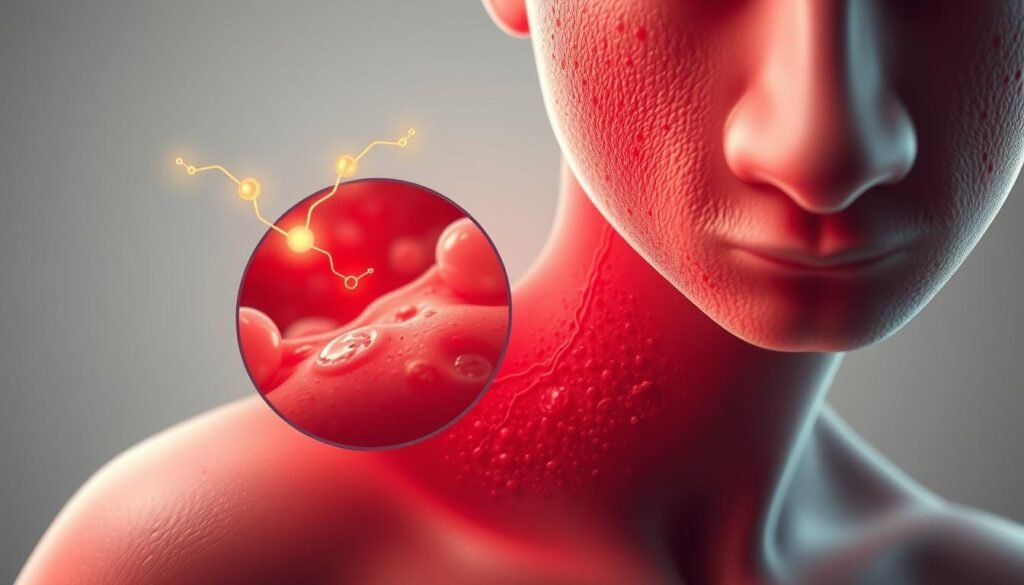
I never imagined that my breakfast choices could influence my hormones until I connected sugary cereals to my weekly breakouts. Science shows three key players in acne formation: overactive oil glands, cellular debris, and inflammatory responses.
Hormonal Influences and Sebum Production
During stressful periods, my sebum production skyrocketed. Research explains why: androgens stimulate oil glands, while insulin spikes from white bread boost IGF-1. This hormone duo turns pores into oil factories.
My dermatologist confirmed what I observed—high-glycemic foods act like hormonal grenades. Each blood sugar surge triggered more facial grease than a fast-food fryer. Cutting refined carbs helped stabilize my oil levels within weeks.
Inflammation and Pore Clogging Explained
Dead cells and sticky sebum formed cement-like plugs in my pores. Trapped bacteria then threw inflammatory parties under my skin. Anti-inflammatory foods became my cleanup crew.
I learned that omega-3s from walnuts calm fiery inflammation, while berries combat cellular debris. This dual approach kept my pores clearer than any scrub ever did. Knowledge truly became my best skincare product.
Fueling Your Complexion: Strategic Eating for Radiant Results
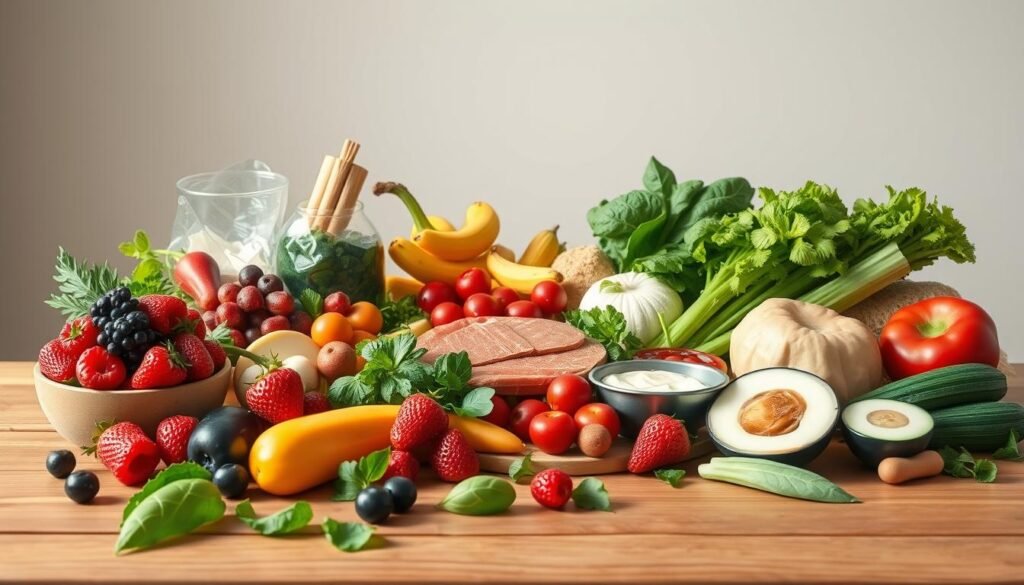
My kitchen became my first line of defense against stubborn breakouts. Through meticulous tracking, I identified which ingredients became allies—and which acted as saboteurs. This trial-and-error process revealed patterns that forever changed my approach to nourishment.
My Skin-Supporting Staples
Steel-cut oats with blueberries became my morning ritual. These low-glycemic foods prevented the blood sugar rollercoaster I once endured. Lentils and quinoa kept me satisfied while delivering zinc—a mineral studies link to reduced inflammation.
I stocked my fridge with:
Colorful vegetables like spinach and bell peppers
Omega-rich walnuts and chia seeds
Fermented kimchi for gut-skin balance
Each choice actively worked toreduce acneflare-ups through targeted nutrition.
Triggers I Eliminated for Good
White pasta dinners left my cheeks inflamed within hours. Sugary lattes caused clusters of bumps along my jawline. Even “healthy” granola bars packed with honey became problematic.
My no-exceptions list:
All forms of cow’s milk (switched to oat milk)
Refined grains like bagels and instant rice
Anything with added sugars in the first 5 ingredients
Cutting thesefoodsthatworsen acneproved more effective than any topical treatment I’d tried.
This nutritional shift didn’t just calm existing breakouts—it built skin resilience. My complexion now reflects every smart choice, glowing with vitality I once thought unattainable.
Embracing Low-Glycemic and Nutrient-Rich Foods for Clear Skin
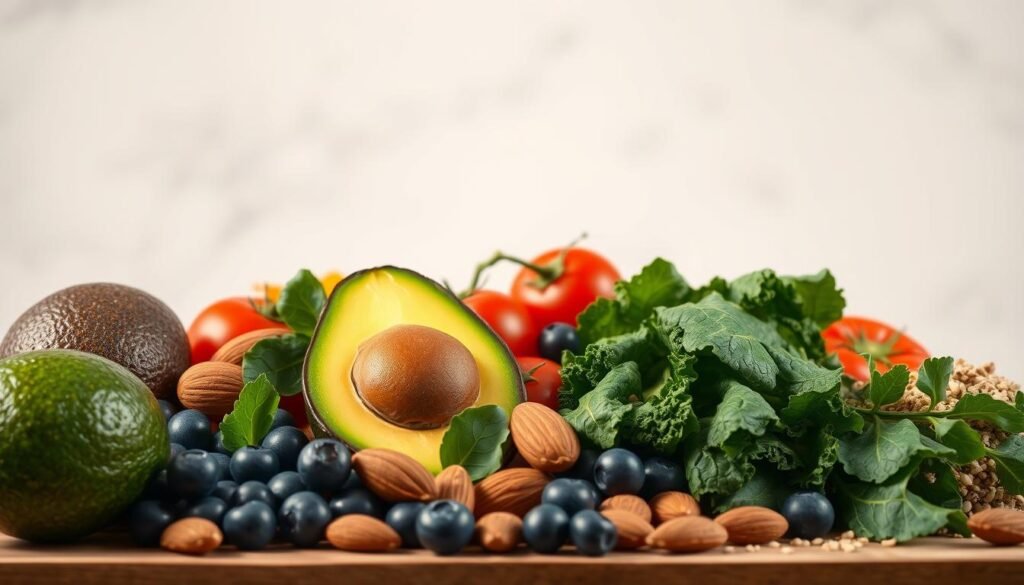
The colors on my plate became my secret weapon. Vibrant orange sweet potatoes, emerald spinach, and ruby-red tomatoes replaced beige processed meals. This rainbow strategy delivered nutrients my skin craved while keeping blood sugar stable—a game-changer for managing acne.
Low-Glycemic Fruits, Vegetables, and Whole Grains
Carrots and apricots became my sweet treats. Their natural sugars digest slowly, preventing the insulin spikes that once fueled breakouts. Quinoa and brown rice kept me full for hours without clogging pores like white bread did.
My journey showed that these choices matter:
Sweet potatoes supply vitamin A to regulate oil production
Whole wheat bread offers zinc to calm inflammation
Blueberries combat cellular damage with antioxidants
Powerful Nutrients: Omega-3s, Antioxidants, and Probiotics
Salentrips became my skin’s best friend. The omega-3s in fatty fish and walnuts cooled fiery breakouts better than any cream. Pumpkin seeds and lentils added zinc—research shows it may reduce acne severity by 30% in some cases.
I boosted my routine with:
Fermented kimchi for gut-skin balance
Vitamin C-rich bell peppers to strengthen collagen
Probiotic yogurt to fortify my skin’s barrier
These nutritional shifts didn’t just fade existing blemishes—they built lasting health from within. My complexion now glows with vitality I once thought impossible.
Navigating Dairy, Sugars, and Other Dietary Pitfalls
My morning latte used to feel innocent—until I discovered its hidden role in my breakouts. What began as a quest to understand dairy and sugar became a revelation about how everyday choices shape our body’s largest organ.
The Impact of Cow’s Milk and High-Sugar Foods on Acne
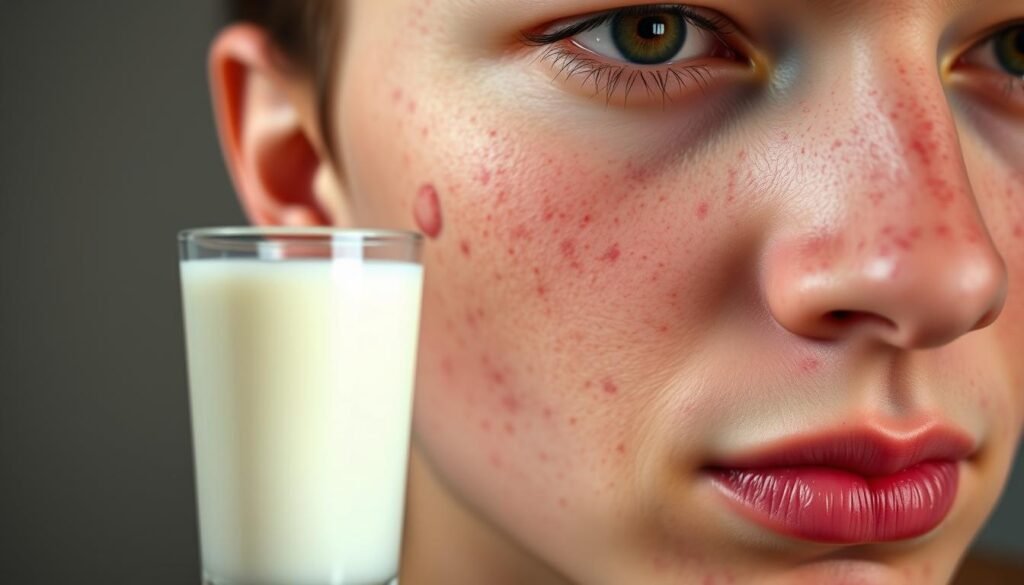
Switching from whole to skim milk didn’t help—it made things worse. Research stunned me: women drinking two+ glasses of skim milk daily had 44% higher acne risk. This explained why my cereal habit left cheeks dotted with bumps.
Fermented dairy told a different story. Yogurt and cheese never triggered flare-ups, likely due to their broken-down proteins. But liquid cow’s milk? Its hormones and growth factors turned my oil glands into overachievers.
Sugar played accomplice. Each soda spiked my blood sugar, igniting insulin surges that worsened inflammation. I learned this chain reaction:
High-glycemic snacks → rapid glucose rise
Insulin spike → increased sebum production
Clogged pores → bacterial chaos
Ditching milk and refined sweets brought changes I’d never seen with creams alone. Within three weeks, my jawline cleared—proof that diet acne connections are real, personal, and powerful.
Personal Tips for an Acne-Friendly Diet and Lifestyle
Tracking meals and symptoms revealed hidden triggers I never suspected. My breakthrough came through systematic observation—not guesswork—guided by three non-negotiable practices.
Mapping Patterns Through Conscious Logging
My food diary became a revelation. Jotting down every snack and breakout exposed connections between dietary choices and facial reactions. Dairy emerged as a villain, while zinc-rich pumpkin seeds calmed inflammation.
Patience proved vital. The American Academy of Dermatology notes dietary adjustments may require 12 weeks to show visible changes. I marked my calendar, celebrating small wins while trusting the process.
Strategic Preparation for Daily Success
Meal prepping salmon bowls and veggie stir-fries eliminated impulsive snacking. I stored acne-friendly snacks everywhere—walnuts in my glove compartment, sliced cucumbers at my desk.
Sleep schedules and meditation became non-negotiable. Stress-induced cortisol spikes once worsened my skin, but evening yoga sessions restored balance. Progress accelerated when I treated my routine holistically.
Sharing logs with my dermatologist transformed my treatment plan. Data-driven insights helped us target hormonal imbalances through both diet and topical solutions. This partnership empowered me to achieve lasting clarity—proof that meticulous tracking fuels real change.
FAQ
How does my diet directly influence acne breakouts?
I’ve learned that foods impacting blood sugar levels—like refined carbs or sugary snacks—trigger hormonal shifts. These spikes increase sebum production and inflammation, clogging pores and worsening acne. Balancing my meals with low-glycemic options keeps my skin calmer.
Which foods became my skin’s best allies during my clear-skin journey?
Leafy greens, berries, and fatty fish like salmon transformed my skin. Their antioxidants, omega-3s, and zinc fight inflammation and repair damaged cells. I also swapped cow’s milk for almond milk, which reduced flare-ups linked to dairy hormones.
Why do high-glycemic foods like white bread worsen acne?
These foods skyrocket blood sugar levels, spiking insulin. This hormone surge accelerates skin cell growth and oil production, trapping bacteria in pores. Switching to quinoa, sweet potatoes, and lentils stabilized my insulin and kept breakouts at bay.
Can probiotics really improve my skin’s health?
Absolutely! Adding kimchi, kefir, or sauerkraut to my meals boosted gut health, which studies tie to reduced inflammation. A balanced microbiome means fewer toxins triggering acne—my complexion glows when my gut thrives.
How did tracking my meals help me identify acne triggers?
My food diary revealed patterns—like dairy or late-night sweets—that caused flare-ups. Apps like MyFitnessPal made it easy. Over time, I eliminated triggers and prioritized skin-loving nutrients, turning my diet into a personalized acne treatment plan.
Are all dairy products equally harmful for acne-prone skin?
Cow’s milk, especially skim milk, was the worst offender for me due to its hormones and growth factors. However, fermented options like Greek yogurt (in moderation) caused fewer issues. Experimenting helped me find balance without fully cutting out dairy.
What role do omega-3s play in reducing inflammation?
Omega-3s in walnuts, chia seeds, and mackerel are natural anti-inflammatory powerhouses. They calm redness and regulate oil production. I noticed fewer cystic bumps after adding these to smoothies and salads regularly.
How long did it take to see results after changing my diet?
Patience was key! My skin started improving within 4-6 weeks, but full clarity took 3 months. Consistency with nutrient-rich meals and avoiding processed snacks made all the difference. Trust the process—your skin cells renew every 28 days!