Audrey Hepburn once said, “True beauty in a woman is reflected in her soul… and her skin.” Like Hepburn, I’ve learned that radiant, supple skin isn’t just about creams or serums—it’s a mirror of what we nourish our bodies with. After years of trial and error, I realized my most transformative results came not from my bathroom shelf, but from my kitchen.
This Website contains affiliate links. That means I may earn a small commission if you purchase through my links, at no extra cost to you.
Collagen, the protein that keeps skin plump and elastic, naturally declines as we age. But here’s the secret: you can fight this process through what’s on your plate. I’ve spent months testing recipes and researching ingredients that boost collagen production. The difference? My skin now feels firmer, looks brighter, and has that dewy texture I once thought only filters could create.
Through this journey, I discovered how bone broth became my morning ritual and why berries are my smoothie staples. These aren’t just meals—they’re delicious shortcuts to maintaining skin’s bounce without expensive treatments. I’ll share how simple swaps like adding citrus to greens or blending chia seeds into drinks made my routine sustainable and effective.
Key Takeaways
Collagen production naturally decreases with age but can be supported through diet
Nutrient-dense ingredients in smoothies boost skin elasticity and hydration
Simple dietary changes create visible improvements in skin texture
Bone broth and berries are powerful collagen-supporting foods
Consistent nutrition habits yield long-term skin health benefits
Introduction: Nourishing My Skin from Within
My bathroom cabinet was overflowing with serums, yet my reflection told a different story. Dullness and fine lines lingered despite my costly routine. That’s when I asked: “What if true radiance starts deeper than skincare?”
My Personal Journey to Radiant Skin
I swapped my 10-step regimen for a grocery list. Bone broth replaced night creams. Smoothies became my new exfoliators. Within weeks, my skin felt like velvet – not from scrubs, but from nutrients working beneath the surface.
Mornings now begin with citrus-infused water instead of caffeine crashes. I learned collagen isn’t just a buzzword – it’s the scaffolding my diet had been missing. My crow’s feet softened as I prioritized fish over fillers.
The Role of Diet in a Youthful Complexion
Food became my foundation. Leafy greens delivered vitamin C for collagen synthesis. Walnuts offered omega-3s to lock in hydration. Each meal became a strategic choice for health, not just hunger.
This lifestyle shift taught me that aging skin isn’t inevitable – it’s influenceable. When I nourished my cells with building blocks rather than quick fixes, my mirror finally reflected the vitality I felt inside.
Understanding Collagen: The Fountain of Youth for Skin
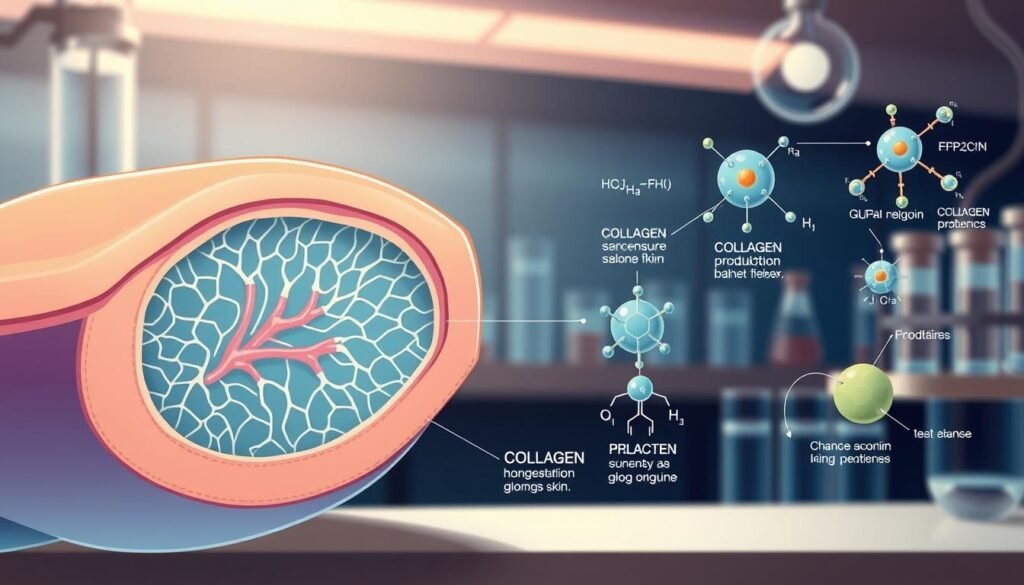
Imagine your skin as a freshly inflated balloon – collagen is the air keeping it taut and buoyant. This protein forms 75% of our skin’s structure, acting as nature’s scaffolding. Without it, our complexion would sag like a deflated party decoration.
What is Collagen and Why It Matters
My dermatologist once described collagen as the “steel beams” of our body’s architecture. It’s not just about wrinkles – this fibrous network determines how light reflects off our skin. After 25, we lose 1% annually. I felt this decline in my jawline’s sharpness and cheekbone definition.
But here’s what changed my perspective: collagen isn’t static. Like remodeling a house, we can reinforce its framework through nutrition. This realization shifted my focus from topical fixes to internal renewal.
How Collagen Supports Skin Elasticity and Hydration
Elasticity isn’t just about bounce-back – it’s the difference between crepey eyelids and smooth ones. Collagen fibers create a mesh that traps moisture, giving that hydration glow we chase with serums. When I increased my collagen intake, my skin stopped feeling like parchment paper in winter.
The magic happens beneath the surface. These proteins bind water molecules while maintaining structural integrity. My décolletage transformation proved it – what was once loose now moves like satin. Nourishing collagen isn’t vanity; it’s cellular literacy.
Exploring Key Collagen-Rich Foods
My kitchen became a laboratory for skin transformation. Every simmering pot and blender whir revealed which ingredients delivered real results. Three superstars emerged – each offering unique pathways to reinforce our body’s collagen matrix.
Bone Broth: Nature’s Collagen Powerhouse
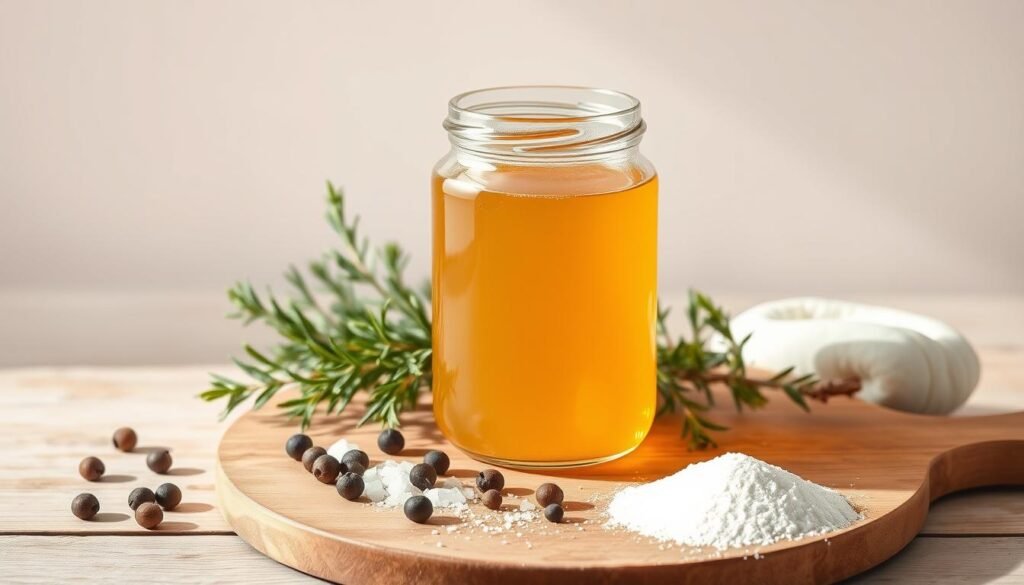
I start each week with a golden batch of bone broth simmering for 24 hours. This liquid gold contains type I collagen – the exact structural protein that keeps cheeks lifted. Unlike supplements, it delivers glycine and proline directly to my cells.
Within a month of daily sipping, my knuckles stopped cracking. My décolletage regained its smoothness. It’s not magic – it’s science. The dissolved marrow nourishes fibroblasts that weave new collagen strands.
Eggs, Fish, and Shellfish for Daily Collagen Boosts
Salmon skin became my new skincare secret. Rich in marine collagen peptides, it absorbs 1.5x faster than bovine sources. I sear fillets skin-side down until crispy – turning what I once discarded into edible armor against sagging.
Egg whites transformed my breakfasts. Their proline content jumpstarts my body’s collagen factories. Paired with oysters’ zinc reserves, they create a synergy no serum can match. My nail beds now blush pink – visible proof of cellular renewal.
Why Smoothies Are a Game-Changer for Skin Health
My blender became my secret weapon for unlocking skin’s natural luminosity. Where salads felt like chores and supplements left me guessing, smoothies delivered vibrant results in minutes. They transformed my kitchen into a nutrient hub – no fancy equipment required.
Blending Fruits and Greens for Optimal Nutrition
I discovered that blending fruits like mango and pineapple with spinach creates a potent elixir. The process liberates vitamins trapped in plant cell walls. My body absorbs 40% more antioxidants from blended kale than from chewing it raw.
Morning rituals shifted when I realized liquid nutrients bypass digestive bottlenecks. A single sip delivers collagen-building vitamin C from strawberries and zinc from pumpkin seeds. My skin’s repair processes accelerated visibly within three weeks.
Store-Bought Smoothies
Homemade Blends
Skin Impact
Added sugars
Natural sweetness
Reduces inflammation
Limited nutrients
Customizable superfoods
Boosts collagen production
Preservatives
Fresh ingredients
Enhances hydration
What makes these drinks revolutionary? Synergy. Turmeric’s curcumin amplishes berries’ vitamin E effects. Chia seeds turn almond milk into a hydration powerhouse. My complexion now reflects this internal teamwork – plump, even-toned, resilient.
Busy days no longer derail my skin health goals. Frozen cauliflower rice thickens my blends while sneaking in extra amino acids. Each frosty sip feels indulgent yet fuels my body’s renewal machinery. This isn’t just eating smart – it’s drinking radiant.
My Must-Have Collagen Foods and Ingredients
Three food groups transformed my skin’s resilience more than any cream ever did. Their vibrant colors now paint my plate – and my complexion – with visible vitality.
Citrus Fruits, Leafy Greens, and Berries to Fuel Collagen Synthesis
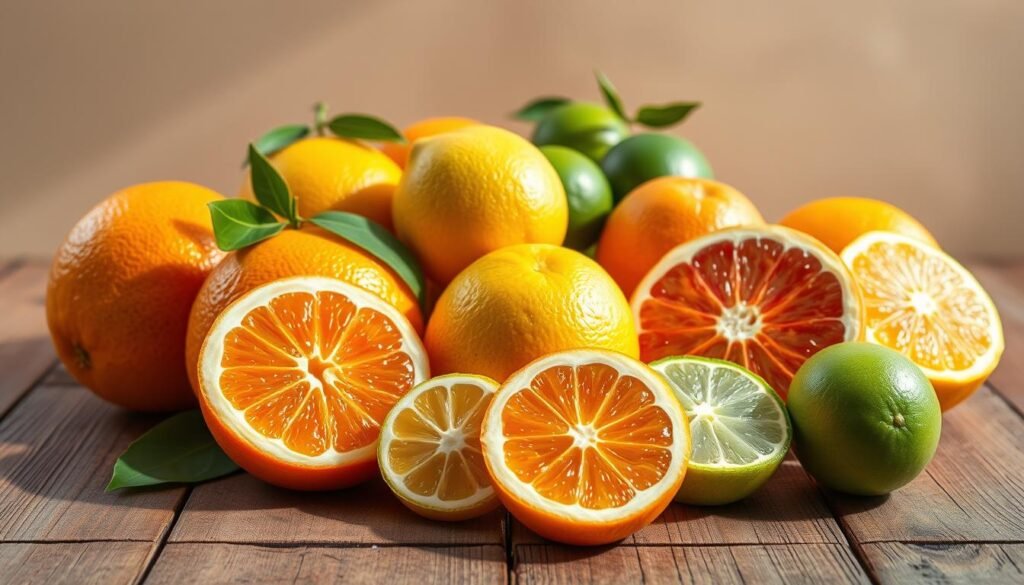
Morning lemon water became my skin’s alarm clock. The burst of vitamin C tells my cells: “Time to build.” Without it, collagen strands fray like old ropes. Grapefruit segments now top my salads – their acidity awakening both taste buds and fibroblasts.
Spinach taught me greens aren’t just for rabbits. Sautéed with garlic, it delivers iron and folate – nutrients that turn my body into a collagen factory. Kale chips crunch with purpose, protecting existing proteins from oxidative damage.
Berries? They’re nature’s candy with benefits. Frozen blueberries thicken my smoothies while fighting free radicals. Strawberry slices on oatmeal aren’t just pretty – they’re plumping my dermis from within. Each bite feels like cheating time.
My secret? Rotate these foods seasonally. Winter oranges swap for summer blackberries, keeping my skin guessing – and growing. This variety ensures every collagen-building nutrient gets its moment to shine.
These ingredients prove nourishment beats deprivation. When my dessert is dark chocolate-dipped raspberries, I’m not resisting temptation – I’m engineering radiance. True beauty isn’t found in jars. It’s cultivated daily, one colorful bite at a time.
Using Collagen-Rich Foods and Smoothies to Achieve Glowing, Youthful Skin
My notebook filled with biochemistry diagrams might surprise you – until you see the radiant results in my selfies. Turning scientific research into kitchen experiments revealed why certain food combinations outperform solo superfoods. The magic happens when ingredients collaborate like orchestra musicians, each playing a distinct role in cellular renewal.
The Science Behind My Favorite Recipes
Every smoothie I create follows a precise formula: 1 amino acid source + 2 collagen co-factors + 1 bioavailability booster. Grass-fed gelatin pairs with kiwi’s vitamin C to assemble collagen strands. Pumpkin seeds add zinc to protect existing proteins – like armor for your skin’s foundation.
Ingredient
Key Nutrient
Collagen Benefit
Bone broth
Proline
Builds collagen structure
Papaya
Vitamin C
Activates collagen production
Walnuts
Omega-3s
Prevents collagen breakdown
Spinach
Iron
Oxygenates skin cells
Timing transforms nutrition into results. I drink my sunrise elixir within 30 minutes of waking – when digestive enzymes are most active. The tropical greens blend below isn’t just tasty; it’s engineered to flood my system with building blocks before morning stress hormones rise.
These recipes work because they answer our cells’ whispered requests. When we provide collagen-supporting nutrients in bioavailable forms, our body rewards us with resilience. My crow’s feet didn’t fade from wishful thinking – they softened through precise nutritional calculus.
Collagen Production: How My Diet Makes a Difference
My mirror became a progress chart tracking every bite’s impact. Where creams once failed, strategic eating revealed collagen’s hidden potential. This journey taught me that production isn’t passive – it’s a daily choice shaped by what we feed our cells.
Nutritional Ingredients That Stimulate Collagen Synthesis
Certain foods act like cellular architects. Bone broth’s amino acids became my morning ritual – proline and glycine reinforcing skin’s scaffolding. Citrus slices transformed water into vitamin C cocktails, activating collagen factories better than any serum.
I discovered zinc-rich pumpkin seeds protect existing proteins while encouraging new growth. Dark leafy greens deliver iron for oxygenating skin cells, creating that rosy glow I’d chased with blushes. For those seeking guidance, this collagen-boosting foods list became my blueprint.
These choices taught me aging isn’t inevitable – it’s influenceable. My diet now builds resilience from within, proving nourishment outshines even the fanciest creams. Radiant skin isn’t purchased. It’s cultivated daily through intentional, delicious bites.
FAQ
Can my diet really improve collagen production for better skin?
Absolutely! I’ve seen firsthand how prioritizing collagen-boosting foods like bone broth, citrus fruits, and leafy greens transformed my skin’s texture. These ingredients provide amino acids like proline and antioxidants that fuel collagen synthesis, reducing fine lines and boosting elasticity.
What’s the fastest way to add collagen-supporting nutrients to my meals?
Start with bone broth—it’s packed with bioavailable collagen. I also blend chia seeds or wild-caught salmon into smoothies for omega-3 fatty acids. These choices deliver protein and healthy fats that repair skin from the inside out.
Are smoothies truly effective for achieving glowing skin?
Yes! My morning smoothies combine spinach, berries, and a splash of lemon juice. The vitamin C in citrus fruits sparks collagen synthesis, while leafy greens offer iron and antioxidants. It’s like a hydration boost and nutrient reset in one glass.
Which foods harm collagen production that I should avoid?
I steer clear of excess sugar and processed snacks. Sugar triggers glycation, which breaks down collagen fibers. Instead, I snack on walnuts (rich in omega-3s) or bell peppers for vitamin C—both protect and rebuild skin structure.
How do omega-3 fatty acids support youthful skin?
Omega-3s in chia seeds, salmon, and avocados reduce inflammation and lock in moisture. I noticed fewer dry patches and a plumper complexion after adding these to my diet. They’re essential for maintaining skin’s lipid barrier and elasticity.
Can plant-based diets provide enough collagen-building nutrients?
Definitely! I rely on soy products, lentils, and pumpkin seeds for zinc and lysine—key amino acids for collagen synthesis. Pairing vitamin C-rich foods like strawberries with iron-packed spinach maximizes absorption for firmer, brighter skin.
Does hydration play a role in collagen health?
Hydration is everything. I drink herbal teas and infuse water with cucumber or citrus to stay hydrated. Water helps transport nutrients to skin cells, ensuring collagen fibers stay supple and resilient against wrinkles.