“The best foundation you can wear is glowing, healthy skin.” – Audrey Hepburn’s words became my mantra after years of battling stubborn texture and uneven tone. Like 45% of Americans who regularly use skincare products, I chased that elusive glow through countless creams and serums – until my wallet cried uncle.
This Website contains affiliate links. That means I may earn a small commission if you purchase through my links, at no extra cost to you.
My turning point came during a particularly frustrating flare-up. Expensive treatments left my complexion red and irritated, while drugstore options either dried me out or caused breakouts. That’s when I discovered the magic of combining pantry staples into a gentle yet effective solution.
This accidental breakthrough taught me three vital lessons: simplicity often outperforms complexity, natural ingredients can be surprisingly potent, and skincare shouldn’t require a second mortgage. The results? Smoother texture, balanced oil production, and savings that let me finally book that facial I’d been eyeing.
Key Takeaways
- Two common household ingredients can replace multiple skincare products
- Gentle exfoliation helps maintain skin’s natural balance
- Customizable solutions work better than one-size-fits-all routines
- Cost-effective care prevents overspending on unnecessary items
- Simple formulations often cause less irritation than complex formulas
Why I Chose a DIY Approach to Skincare
My wake-up call came during a $300 spa visit that left me hiding for days. The technician’s “miracle treatment” burned my face like jalapeño juice, creating redness that lasted longer than my paycheck recovery. That moment sparked a realization: maybe glowing skin shouldn’t require suffering or bankruptcy.
Breaking Up With Beauty Counter Hype
For years, I chased quick fixes from luxury creams to celebrity-endorsed serums. My bathroom shelf looked like a Sephora explosion, yet my complexion remained dull and irritated. The turning point arrived when I calculated spending $1,200 annually on products that either expired unused or worsened breakouts.
Switching to simple solutions felt radical. I started with kitchen staples like oatmeal and yogurt, amazed at how calming they felt. Within weeks, my skin stopped rebelling. No more tightness after cleansing. Fewer surprise pimples. Just balanced texture that actually absorbed moisturizer.
Nature’s Hidden Skincare Arsenal
Historical beauty practices revealed surprising wisdom. Cleopatra bathed in milk. Ancient Greeks used honey masks. I experimented with:
| Commercial Product | Natural Alternative | Cost Comparison |
|---|---|---|
| Chemical exfoliator | Baking soda mix | $40 vs $0.25 per use |
| Hydrating serum | Coconut oil | $65 vs $0.50 per use |
| Soothing mask | Aloe vera leaf | $30 vs free from my garden |
This table isn’t just about savings. It shows how common ingredients often outperform lab-engineered formulas. My skin now thrives on fewer interventions – just thoughtful combinations of pantry items and seasonal produce.
Understanding the Benefits of Exfoliation for Healthy Skin
Breaking through my skincare confusion required understanding what happens beneath the surface. Our bodies naturally shed millions of skin cells daily, but some stick around like uninvited guests. This buildup creates a dull barrier that traps oil and bacteria.
How Exfoliation Enhances Skincare Product Absorption
I once slathered on a $90 vitamin C serum for months with zero results. Turns out, it was stuck on a layer of dead skin cells like cars in rush-hour traffic. Gentle scrubbing changed everything. By clearing this debris:
- Moisturizers soak in deeper
- Active ingredients reach living tissue
- Pores stay unclogged
My favorite toner suddenly worked twice as fast. Even basic skin care products became power players when they could actually penetrate.
Maintaining a Youthful, Glowing Complexion
Regular exfoliation acts like a reset button. It speeds up skin cell renewal – our body’s natural anti-aging process. I noticed fewer fine lines when my face started producing fresher cells every 28 days instead of 40. The bonus? Increased blood flow brings oxygen that makes cheeks rosy without blush.
Friends asked if I’d gotten a facial. Nope – just consistent care that lets my skin breathe and regenerate. Now I understand why dermatologists call exfoliation the foundation of glowing skin.
Essential Ingredients for a Homemade Exfoliating Scrub
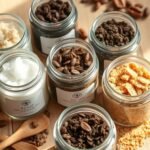
What makes a great scrub isn’t complexity – it’s smart ingredient pairing. After testing countless combinations, two kitchen staples emerged as non-negotiable: coconut oil and baking soda. Their synergy creates a texture that buffs gently while nourishing deeply.

The Dynamic Duo: Coconut Oil & Baking Soda
Coconut oil works overtime as both moisturizer and binding agent. Its fatty acids create a protective barrier, locking in hydration without clogging pores. When blended with baking soda’s ultra-fine grains, you get a creamy paste that removes flakes like magic eraser.
| Ingredient | Key Role | Top Benefits |
|---|---|---|
| Coconut Oil | Moisture base | Antimicrobial, nourishing |
| Baking Soda | Exfoliator | pH-balancing, gentle |
My basic mix uses ½ cup softened coconut oil and ¼ cup baking soda. Stir until it resembles whipped frosting. Store in a jar – no refrigeration needed. This combo lasts weeks, ready whenever your skin needs refreshment.
Boosters for Specific Needs
While the core recipe shines alone, some days call for extras. A tablespoon of aloe vera gel calms sun-stressed cheeks. Drops of tea tree oil tackle breakouts without drying. Lavender adds aromatherapy benefits during evening routines.
These additions let me tailor the scrub to my skin’s daily needs. Yet the base remains unchanged – proof that natural ingredients offer flexibility commercial products rarely match. No more deciphering chemical-laden labels or worrying about shelf life.
A Step-by-Step Guide to Mixing and Applying Your Scrub
Creating your own skincare blend feels like unlocking a kitchen secret. Through months of experimentation, I discovered precise methods that transform simple ingredients into spa-quality care. Let me walk you through the process that transformed my routine.
Preparing and Blending the Ingredients
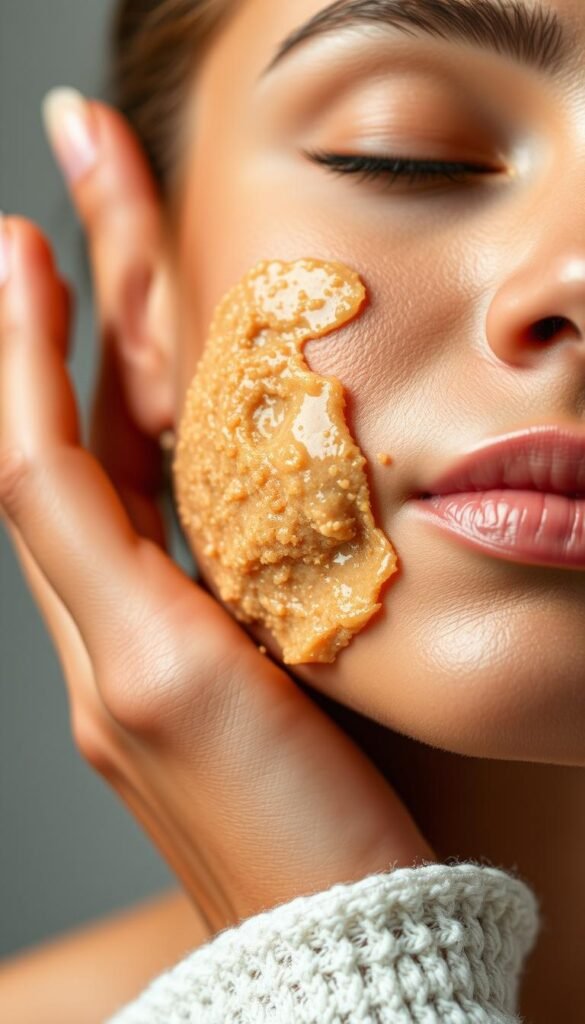
Start with ½ cup coconut oil at room temperature. If it’s too solid, warm the jar in your palms for 2 minutes. Combine with ¼ cup baking soda in a glass bowl. Stir until it resembles whipped frosting – this texture prevents harsh scrubbing.
The magic happens when oil and powder merge. Too runny? Add more baking soda. Too crumbly? Drizzle in melted coconut oil. Store the mix in an airtight container – no refrigeration needed. Mine stays fresh for three weeks.
Perfecting the Application Technique for Best Results
Begin with damp skin. Splash water on your face until droplets cling to your cheeks. Scoop a tablespoon of scrub – about the size of a walnut. Rub between palms to activate the oil’s spreadability.
Massage upward using ring fingers around eyes. Focus on rough areas like the T-zone. Rinse thoroughly until no granules remain. Pat dry with a cotton towel. Follow with your regular moisturizer for amplified hydration.
Pro tip: Use lukewarm water – hot temperatures strip natural oils. Limit use to 2-3 weekly sessions. Your face will thank you with renewed softness and clarity.
This Homemade Exfoliating Face Scrub Cleared My Skin and Saved My Wallet

Discovering this two-ingredient miracle felt like finding buried treasure in my pantry. What began as a desperate experiment became my holy grail – a face scrub that outperforms luxury brands while costing pennies per use. After six months of consistent results, I’ve abandoned store-bought exfoliators completely.
Commercial products left my skin either stripped or breakout-prone. Now, a $4 jar lasts three months – 90% cheaper than my previous routine. Friends noticed the change first: “Your face looks airbrushed!” became a common compliment.
The transformation goes beyond appearance. Rough patches vanished within weeks. My skin drinks up moisturizers instead of repelling them. Even sensitive areas like my nose creases stay smooth without irritation.
Sharing this all-natural facial exfoliator recipe became my new hobby. A cousin replaced her $75 weekly spa visits with it. My sister’s rosacea improved dramatically. Their success stories prove simple solutions often work best.
This journey taught me that glowing skin doesn’t require complex chemistry. Sometimes, the most effective care hides in plain sight – waiting to be mixed in a humble kitchen bowl.
Tips for Safe Use, Especially on Sensitive Skin
Navigating skincare with reactive complexions requires a light touch and smart timing. Through trial and error, I discovered even natural formulas need thoughtful application to avoid redness or dryness.
Finding Your Rhythm
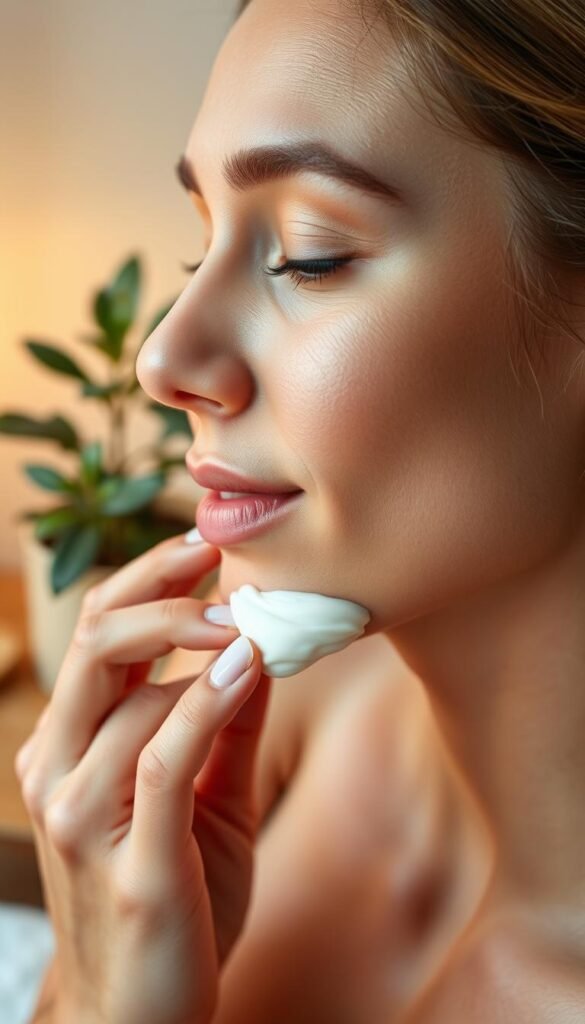
Start slow – once weekly works best for delicate types. My sweet spot became Tuesday and Friday evenings after cleansing. Watch for tightness or flushing. If occurs, skip a session. Cold water rinses calm irritation instantly.
The Gentle Art of Removal
Lukewarm water dissolves oils without shocking pores. I cup it in my hands seven times minimum. Pat – don’t rub – with microfiber cloths. Always follow with moisturizer within three minutes to seal hydration.
Key reminders:
- Circle motions stay under chin and forehead
- Skip eyelids and nose creases
- Blot don’t scrub when drying
Those with dry skin might add honey to their mix. My winter hack? Mix scrub with oat milk for ultra-gentle exfoliation. Remember: consistency beats intensity for lasting glow.
Lessons Learned from Traditional Spa Experiences
That $250 facial left me looking like a boiled lobster for days. The technician insisted the burning sensation from their “revitalizing Vitamin C Ampule” meant it was working. Spoiler: It wasn’t. My facial skin peeled like sunburned parchment, teaching me brutal lessons about luxury treatments.
When Luxury Becomes Liability
Many high-end spas use concentrated acids unsuitable for sensitive types. Their one-size-fits-all approach ignores individual needs. During my disastrous session:
- Chemical exfoliants aggravated my oil-deficient areas
- Steam treatments inflamed capillaries
- “Calming” masks contained fragrance that triggered redness
| Treatment Type | Key Ingredients | Cost | Results |
|---|---|---|---|
| Luxury Spa Facial | 40% Vitamin C, Synthetic Fragrance | $250 | 4-Day Recovery |
| Home Care Routine | Oatmeal, Coconut Oil | $1.20 | Immediate Glow |
The table above shows why I now trust pantry staples over pricey products. My face thrives on simplicity – gentle exfoliation paired with natural moisturizers. No more gambling with complex formulas.
That experience reshaped my entire approach. Now I research ingredients instead of brands. Listen to my skin’s signals rather than sales pitches. Most importantly? Learned that true luxury means comfort, not suffering through “tingling” that feels like ant bites.
Exploring Natural Alternatives to Fancy Skincare Products
Ancient beauty rituals hold secrets modern shelves often miss. Ayurvedic practices taught me to see kitchen cabinets as medicine chests, where oatmeal becomes a calming mask and almonds transform into nourishing polish. These time-tested methods work with your body’s rhythms rather than against them.
Advantages of Ayurvedic and DIY Approaches
Ayurveda celebrates individuality – mixing pastes based on your dominant skin type. My dry cheeks thrive with almond meal and olive oil, while coffee grounds tackle oily zones. This customization beats buying six separate products that never quite fit.
Simple blends offer unexpected bonuses. Turmeric reduces dark spots while brightening. Chickpea flour gently removes dead skin cells without microbeads. Best part? You control the texture – add coconut oil for slip or honey for stickiness.
Cost savings stunned me. A $5 bag of organic oats lasts months as cleanser, mask, and scrub. No preservatives mean fresher care – mix small batches weekly. My face now glows from recipes older than Sephora’s foundation aisle.