“We may encounter many defeats but we must not be defeated.” – Maya Angelou’s words echoed through my darkest days battling stubborn breakouts. For years, I chased solutions for rough, irritated patches that refused to fade. Creams, pills, and expensive facials left me feeling hopeless, until I uncovered the truth: my issue wasn’t typical acne at all.
This Website contains affiliate links. That means I may earn a small commission if you purchase through my links, at no extra cost to you.
Redness and texture plagued my face like uninvited guests. I spent nights scrolling forums, desperate for answers. Traditional treatments only worsened the problem, deepening my frustration. Then came the revelation – a hidden culprit required a completely different strategy.
This journey taught me that not all bumps are created equal. What looked like ordinary breakouts stemmed from an imbalance often overlooked. Through trial, error, and relentless research, I pieced together a method that finally brought peace to my complexion. The relief was visceral, like shedding armor I’d worn for decades.
Key Takeaways
- Personal battle with persistent skin issues misdiagnosed as regular acne
- Traditional products worsened irritation due to misunderstood root cause
- Self-education led to identifying fungal-related concerns
- Customized approach restored confidence and comfort
- Proof that specialized solutions exist for “treatment-resistant” cases
My Personal Journey Through Fungal Acne
It began with tiny flesh-colored bumps along my jawline – easy to dismiss as seasonal irritation. “Just use benzoyl peroxide,” friends suggested, unaware these clusters defied standard solutions. By week three, the patches multiplied like wildfire, creeping toward my temples and cheeks.
Mask mandates lifting in 2020 brought unexpected consequences. Returning to office life meant suffocating my face under fabric for hours. What started as minor texture erupted into angry clusters after weeks of trapped humidity. Desperate squeezing left raw marks that mocked me in every mirror.
My mornings became battlegrounds. Layers of foundation turned cakey by noon, yet going bare-faced felt impossible. I’d cancel plans last-minute, claiming migraines rather than admit my shame. Social media taunted me with flawless #skincare posts while my reflection told a different story.
Three failed dermatologist visits later, I stumbled upon an online thread describing identical symptoms. Users shared how antibacterial creams worsened their condition – a revelation that explained my year-long spiral. That midnight research session sparked the first flicker of hope I’d felt in months.
“Sometimes the bravest thing you can do is question what everyone assumes to be true.”
Discovering these weren’t typical breakouts changed everything. The relief of finally naming my enemy outweighed the anger at misdiagnoses. This turning point propelled me toward solutions that actually worked – but only after navigating a maze of conflicting advice and dead ends.
Understanding Fungal Acne: What I Learned
It wasn’t until the itching became unbearable that I questioned everything I knew about breakouts. My bathroom shelf overflowed with products promising clearer skin, yet each application left angry clusters more inflamed. The truth emerged through late-night research – a microbial imbalance requiring entirely new tactics.
What Is Malassezia Folliculitis?
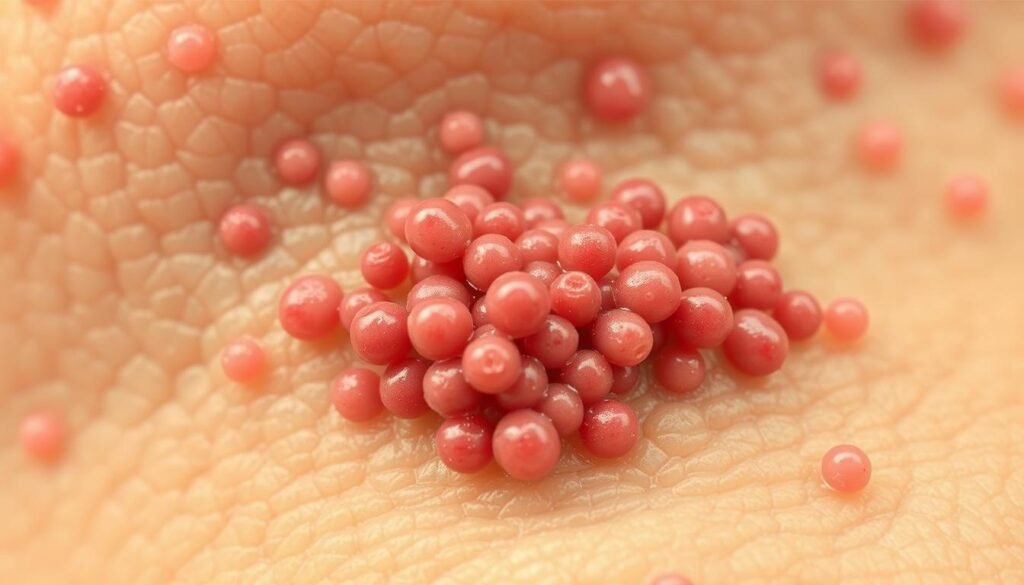
Medical journals revealed my “acne” was actually malassezia folliculitis – yeast colonies overpopulating hair follicles. Unlike bacterial breakouts, these tiny invaders feed on oils and thrive in humidity. Our bodies naturally host this fungus, but triggers like sweat or heavy creams can spark rebellions.
How to Identify the Telltale Signs
Clusters of uniform bumps became my red flag. Unlike random pimples, these soldiers marched in formation across oily zones. Persistent itching separated them from regular acne – a detail I’d dismissed as product irritation. Chest breakouts worsened after workouts, while my forehead glistened like an oil slick by noon.
Traditional benzoyl peroxide dried my face into sandpaper, proving antibacterial agents couldn’t touch this fungal foe. The revelation explained years of failed treatments – I’d been fighting shadows while the real enemy multiplied unchecked.
“Knowledge became my flashlight in the dark – suddenly, every symptom made brutal sense.”
Debunking Myths About Fungal Acne Treatments
My bathroom shelf became a graveyard of failed solutions. Bottles of benzoyl peroxide gathered dust while expensive creams hardened into concrete. Each product promised relief but delivered chaos instead.

Traditional acne treatments worsened my texture like gasoline on flames. Starving the yeast required abandoning bacterial warfare tactics. Antibacterial agents couldn’t touch the root issue – like bringing knives to a gunfight.
| Common Mistake | Why It Fails | Better Approach |
|---|---|---|
| Benzoyl peroxide cleansers | Target bacteria, not yeast | Zinc pyrithione washes |
| Oil-based moisturizers | Feed malassezia growth | Gel-based hydrators |
| Physical exfoliants | Damage protective barrier | Chemical exfoliation (sparingly) |
Heavy creams disguised as “deep hydration” became my downfall. Rich formulas turned pores into all-you-can-eat buffets for hungry fungi. Switching to lightweight gels felt counterintuitive but proved revolutionary.
Scrubbing obsessively with grainy textures left raw patches screaming. Damaged barriers invited more invaders – a vicious cycle I broke by embracing gentle care. Less friction meant faster healing.
“Unlearning bad habits hurt more than the breakouts themselves.”
Discovering these truths freed me from expensive guesswork. What once seemed like betrayal – trusted products causing harm – became a roadmap to recovery. Knowledge dismantled myths that kept me trapped.
This Fungal Acne Routine Saved My Skin When Nothing Else Helped
Dawn broke with new purpose after months of disappointment. My bathroom counter transformed into a lab where every product earned its place through rigorous testing. The breakthrough came through a stripped-back regimen focused on balance rather than aggression.
Mornings started with lukewarm water rinses – a revelation for my compromised barrier. Garnier’s gel cleanser became my evening anchor, dissolving grime without feeding yeast colonies. Strategic pauses between steps let each treatment work its magic:
- Ketoconazole masks applied on damp skin for 7 minutes
- Cosrx toner sweeping away dead cells without stripping
- Snail mucin sealing in hydration like liquid silk
“Less became more,” I whispered while patting on the Rohto vitamin C essence. Dark spots faded as inflammation cooled, revealing smoother texture beneath. For the first time in years, makeup became optional rather than mandatory armor.
“True healing began when I stopped fighting my complexion and started collaborating with it.”
This method thrived on consistency over complexity. By week six, friends asked if I’d discovered fountain-of-youth products. The truth was simpler – targeted ingredients working in harmony, respecting my skin’s delicate ecosystem. What once felt like surrender became my greatest act of self-care.
Customizing My Skincare Routine for Fungal Acne Relief
Transforming my approach required dismantling everything I thought I knew about cleansing. For years, aggressive scrubs and foaming formulas left my face tight and irritated. The breakthrough came when I realized gentle care could combat yeast overgrowth better than harsh tactics.
Revamping My Cleansing Habits
Mornings began with lukewarm water splashes instead of stripping cleansers. This simple shift preserved my skin’s protective layer while removing sweat buildup. Evenings featured a gel-based wash that dissolved impurities without feeding malassezia – Garnier’s fungal-safe formula became my nightly anchor.
| Old Approach | Issue | New Solution |
|---|---|---|
| Foaming cleansers | Stripped natural oils | Water rinses AM |
| Scrubbing brushes | Caused microtears | Pat-dry technique |
| Oil-based removers | Clogged pores | Gel cleanser PM |
Integrating Antifungal Treatments Effectively
Ketoconazole became my secret weapon – applied like a mask to problem zones for seven minutes before rinsing. Using it thrice weekly prevented dryness while disrupting yeast colonies. Consistency trumped intensity: steady applications healed my face faster than daily overuse ever could.
“Cleansing became my daily meditation – each rinse washing away more than just impurities.”
Strategic timing transformed my skincare routine. Treatments followed evening cleansing when pores were most receptive. Lightweight products layered seamlessly, avoiding the heavy textures that once trapped moisture. This tailored system brought balance where chaos once reigned.
The Power of Key Ingredients in Fighting Fungal Acne
Discovering the right components transformed my battle from hopeless to manageable. While others chased complex formulas, I learned victory lies in strategic ingredients working smarter, not harder.
Salicylic Acid: Benefits and My Experience
This beta-hydroxy acid became my pore-clearing ally. Unlike harsh scrubs, salicylic acid dissolved dead cells gently at 0.5% strength. Higher concentrations caused peeling, but moderate use kept follicles clear without stripping moisture.
| Concentration | Frequency | Result |
|---|---|---|
| 2% | Daily | Irritation |
| 1% | Every 3 days | Balanced exfoliation |
| 0.5% | Alternate days | Optimal clearance |
Combining it with hydration preserved my barrier. The acid’s oil-soluble nature reached deep into pores, disrupting yeast breeding grounds. “Finally, an exfoliant that worked with my skin instead of against it,” I marveled after week two.
Tea Tree Oil and Natural Alternatives
Diluted tea tree oil (1:10 with water) became my natural defender. Its antimicrobial properties reduced inflammation without harsh chemicals. Patch testing prevented disasters – a lesson learned after rash-inducing experiments with undiluted solutions.
Apple cider vinegar toners (1:3 dilution) balanced pH levels when used weekly. Natural options required patience but offered gentle support. Through trial, I discovered botanical ingredients could complement medical treatments when applied wisely.
“Nature’s remedies work best when we respect their potency.”
Enhancing Your Skin Barrier: Hydration and Nutrition
The mirror reflected more than my face—it showed a battlefield where every meal left traces. Strengthening my skin barrier became the foundation of recovery, requiring equal attention to topical care and internal nourishment.
Foods and Supplements for Clear Skin
I discovered my breakfast choices directly impacted midday flare-ups. Sugary cereals and white toast vanished, replaced by probiotic-rich kefir and fermented vegetables. This shift starved yeast colonies while feeding beneficial bacteria.
| Avoid | Why | Choose Instead |
|---|---|---|
| Sweetened yogurt | Spikes insulin | Unsweetened Greek yogurt |
| White rice | Rapid glucose release | Quinoa |
| Soda | Feeds fungal growth | Kombucha |
Hyaluronic acid became my hydration hero. Lightweight serums with this ingredient plumped parched areas without creating fungal-friendly moisture traps. Paired with increased water intake, my complexion transformed from brittle to resilient.
“Nourishing my body became the ultimate act of skin rebellion.”
Kimchi and sauerkraut joined daily meals, their live cultures balancing my gut ecosystem. This internal support team worked synergistically with antifungal treatments, addressing fungal acne triggers from multiple angles. Evening skincare rituals now include three layers of hyaluronic acid-infused toners, sealing in moisture that once escaped through compromised barriers.
Lifestyle Changes That Made a Difference
Closet revelations came when my favorite polyester blouse became public enemy number one. Beyond creams and serums, true healing required rethinking daily habits. Small adjustments created an environment where progress could flourish.
Choosing Breathable Fabrics
Synthetic fabrics clung to sweat like plastic wrap, creating breeding grounds for trouble. Switching to cotton undershirts and moisture-wicking workout gear reduced chest breakouts within weeks. The difference felt like trading a sauna suit for breathable linen.
| Old Choices | New Solutions | Result |
|---|---|---|
| Polyester bras | Organic cotton | Reduced irritation |
| Nylon leggings | Bamboo blends | Less sweat buildup |
| Spandex tops | Loose linen | Improved airflow |
Diet Adjustments and Their Impact
Morning pastries and sweetened coffee fueled midday flare-ups. Cutting refined sugars and embracing fermented foods helped starve stubborn yeast colonies. Hydration became my secret weapon – carrying a water bottle ensured my face maintained its protective moisture balance.
Oil-free makeup proved crucial for daytime wear. Lightweight mineral powders replaced heavy foundations, letting pores breathe while concealing redness. Evening removal became ritualistic – gentle cleansing preserved months of progress.
“True transformation happens when our environment supports our efforts.”
Lukewarm showers replaced scalding sessions, preventing pore dilation that invited trouble. These shifts felt insignificant individually but collectively rebuilt my confidence. Each choice became a love letter to healthier skin.
Understanding Treatment Timelines: Patience and Consistency
Watching the calendar became part of my healing ritual. Like seasons changing, progress unfolded in phases rather than overnight miracles. A friend using prescription medication saw noticeable results after 30 days, but full clarity took six months. Another found relief within 72 hours by ditching triggering products entirely.
My turning point came at week three. Gentle use of salicylic acid (0.5% concentration) began smoothing stubborn texture. By month two, consistent morning rinses and evening applications reduced clusters significantly. True transformation required 14 weeks of unwavering commitment.
Early victories tempted me to abandon the plan. When flare-ups resurfaced at week six, doubling salicylic acid frequency backfired spectacularly. Returning to moderate use taught me balance – healing occurs on the skin’s schedule, not ours.
Tracking progress through photos revealed subtle shifts. What felt stagnant day-to-day showed remarkable improvement across months. Time became my silent partner, amplifying small daily efforts into lasting change.
For those feeling discouraged: visible shifts often start between days 10-21. Stick with antifungal allies like salicylic acid even when mirrors lie. True clarity emerges when we outlast the yeast’s lifecycle – a marathon won through persistent, loving care.