“Beauty begins the moment you decide to be yourself,” Coco Chanel once said. Those words became my compass during years of struggling with breakouts. Like many, I believed makeup was either a temporary fix or a trigger for worse skin – until I cracked the code.
This Website contains affiliate links. That means I may earn a small commission if you purchase through my links, at no extra cost to you.
Dermatologist Jeffrey Hsu, MD, warns that improper product choices can aggravate sensitive complexions. But through relentless experimentation, I found a sweet spot where coverage meets care. This approach isn’t about masking flaws – it’s enhancing what makes you uniquely beautiful while keeping pores happy.
My breakthrough came when I stopped treating skincare and cosmetics as separate battles. Prepping with non-comedogenic moisturizers created the perfect canvas. Using color-correcting primers neutralized redness without heavy layers. Each step became intentional, like building armor that breathes.
The real victory? Discovering that strategic application matters more than product quantity. A damp beauty blender replaced cakey brushes. Sheer, buildable formulas let my natural glow shine through. Now, my daily regimen feels less like a chore and more like creative self-care.
Key Takeaways
- Proper skin preparation prevents makeup from clogging pores
- Lightweight, non-comedogenic formulas provide natural-looking coverage
- Color correction techniques reduce reliance on heavy concealers
- Tool selection impacts finish more than product price tags
- Layering thin applications creates lasting wear without texture
- Skincare-makeup hybrids support complexion health long-term
Introduction to My Acne Makeup Journey
My battle with blemishes began as a teenager, but my real education started when I traded panic for strategy. Those mornings staring at angry red spots taught me one brutal truth: slapping on thick layers of foundation only created a mask, not a solution. The mirror reflected someone hiding, not healing.
By my twenties, I faced a cruel pattern. Each attempt to conceal pimples with full-coverage formulas left my face suffocated. Breakouts multiplied like unwelcome guests at a party. “Why does it look worse by noon?” I’d whisper, wiping away oily residue in bathroom stalls.
Three game-changing realizations shifted everything:
- Heavy products weren’t allies – they were saboteurs
- True confidence comes from enhancing, not erasing
- Healthy skin thrives under breathable layers
I swapped my cakey concealer for green-tinted primers that neutralized redness. Learned to pat – not drag – a damp sponge over problem areas. Discovered the magic of non-comedogenic formulas that let pores sing instead of scream.
This journey wasn’t just about finding the right routine. It became a rebellion against the idea that beauty requires sacrifice. Today, my makeup bag holds tools of empowerment, not escape. And that? That’s worth every trial and error.
Why I Chose “This Acne Makeup Routine Covers Everything Without Looking Cakey”
The turning point came during a humid summer day when my foundation slid off before noon. I stared at my reflection – cracked texture emphasizing every imperfection. That moment sparked my quest for breathable coverage that respects skin’s natural rhythm.
Personal Inspiration and Challenges
Observing backstage beauty artists transformed my perspective. They treated complexions like landscapes, using peach-toned correctors to soften shadows rather than plastering layers. My breakthrough arrived when I realized less product often means more confidence.

Striking the balance between concealing redness and avoiding mask-like finishes felt impossible initially. Thick formulas settled into creases, making pimples resemble miniature volcanoes. Switching to featherlight serums with buildable pigments became my saving grace.
Benefits of a Non-Cakey Look
Breathable layers transformed my relationship with cosmetics. Instead of fearing midday shine, I welcomed my natural glow. Pores stayed clear thanks to oil-free formulations, while subtle color correction preserved my skin’s authentic texture.
The psychological shift surprised me most. Friends started complimenting my “radiant complexion” rather than asking if I felt unwell. Touch-ups became optional – a liberation I never imagined possible during my cakey makeup days.
Prepping Your Skin for Flawless Makeup
Transforming my complexion from reactive to radiant began long before brushes touched my face. I learned that skin behaves like silk – handle with care, and it becomes the perfect canvas. The secret? Treating every cleanse and moisturize as sacred rituals.
Cleansing Techniques and Gentle Washes

Mornings start with lukewarm water swirling across my face, never hot enough to shock pores into oil production. My go-to gel cleanser foams gently, lifting impurities without that dreaded tightness. For angry spots, I use fingertips instead of washcloths – think feather strokes, not scrubbing battles.
Three non-negotiable rules emerged:
- Blot dry with paper towels to avoid bacterial transfer
- Apply prescription treatments before sunscreen
- Wait 5 minutes between layers for proper absorption
Pre-Makeup Skincare Essentials
Hydration became my armor. A dime-sized drop of oil-free moisturizer seals in active ingredients without clogging pores. I make sure hands are freshly washed before touching my face – cross-contamination is breakouts’ best friend.
The final touch? Breathing room. Rushing leads to pilling and uneven texture. Now I sip tea while serums settle, knowing this patience pays in smooth application and lasting wear. Your face isn’t a race – it’s a masterpiece in progress.
Step-by-Step Guide: Applying Primer, Concealer, and Foundation
Every blemish told a story, but I learned to rewrite it through calculated cosmetic layering. The secret lies in treating each product like a whisper rather than a shout – gentle adjustments that harmonize with your natural canvas.
Priming for a Smooth Base
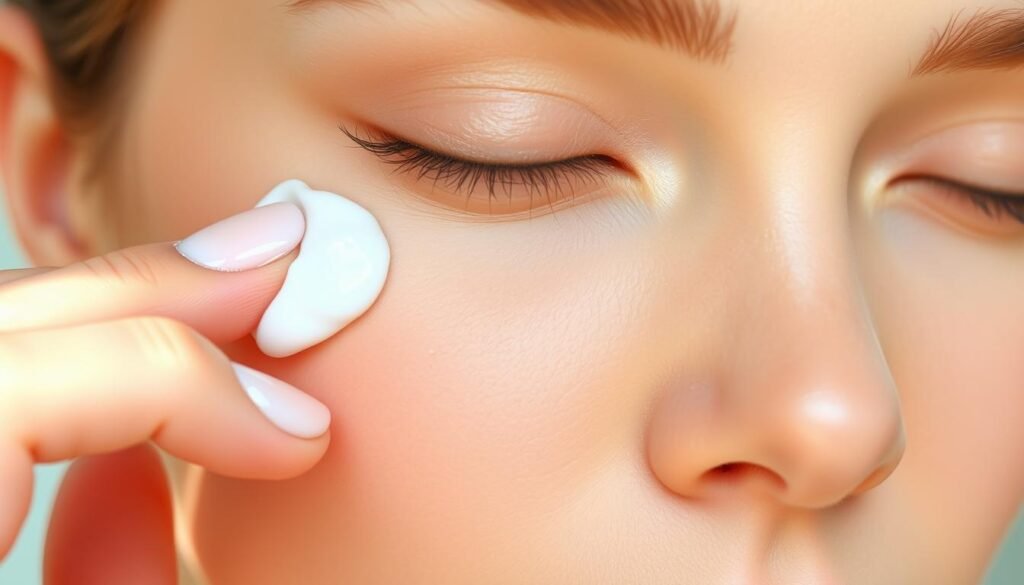
My morning ritual begins with primer – the unsung hero of lasting coverage. A pea-sized drop warmed between clean fingers becomes liquid silk. I press it into my T-zone first, then outward in featherlight taps. This technique avoids tugging at healing spots while creating a breathable shield for subsequent layers.
Color-Correcting and Matching Concealers
Redness meets its match with strategic color theory. For angry crimson spots, a mint-hued corrector applied with a micro-brush neutralizes without thickness. Deeper hyperpigmentation gets softened with peach tones blended at the edges. Only then do I reach for skin-tone concealer, dabbing just enough to bridge the gap between correction and reality.
Layering Foundation for Even Coverage
The final act: foundation as performance art. A damp sponge becomes my paintbrush, bouncing sheer washes of product across cheeks and forehead. First pass – barely there. Second layer – focused only where shadows linger. Third touch – reserved for truly stubborn areas. This gradual build preserves texture while granting coverage that moves with me, not against me.
Choosing Acne-Safe Makeup and Avoiding Harmful Ingredients
Decoding cosmetic labels became my superpower after realizing my complexion reacted to ingredients like a mood ring. What glides on smoothly doesn’t always play nice with pores – especially when formulas contain stealthy irritants.
Key Ingredients to Look For
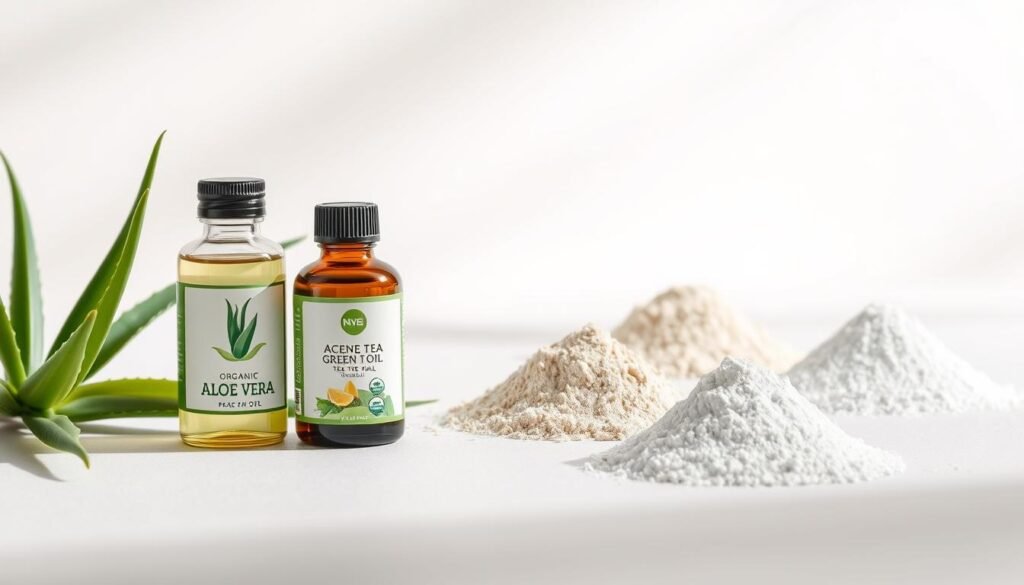
Mineral-based formulas transformed my relationship with coverage. Zinc oxide and titanium dioxide became allies, offering breathable protection without suffocating pores. I prioritize products labeled “non-comedogenic” – these formulations undergo rigorous testing to ensure they won’t clog delicate pathways.
Through trial and error, I discovered brands specializing in acne-safe cosmetics often use silica for oil control. Hyaluronic acid in liquid foundations maintains hydration balance, crucial for combination skin types. These discoveries taught me that intentional formulation trumps marketing hype.
Ingredients to Avoid for Acne-Prone Skin
My bathroom shelf now bans four pore saboteurs: silicone creates artificial smoothness while trapping debris, natural oils disrupt sebum balance, lanolin mimics pore-clogging sebum, and talc causes desert-like dryness. Even “clean” brands sometimes use these under different names – dimethicone for silicone, euphorbia extract for plant oils.
Regular brush cleaning and product expiration dates became non-negotiable. Bacteria-laden tools undo the benefits of careful ingredient selection. Investing in quality applicators and setting reminders to replace items every 3-6 months keeps my routine truly skin-friendly.
Tips for Makeup Application to Prevent Shine and Breakouts
The secret to a natural finish lies in strategic product placement and mindful application. What once felt like a constant battle against midday oiliness became manageable through smart tool choices and intentional techniques.
Tools and Techniques for a Natural Finish
My toolkit now centers on precision. A fluffy brush dusted with mineral powder absorbs excess oil in my T-zone without dulling luminosity. Circular motions blend seamlessly, avoiding the chalky residue I once dreaded. Cleanliness matters – weekly brush washes prevent bacterial buildup that could trigger new concerns.
Time-Saving Application Tips
Mornings flow smoother since organizing products by step. Prepping sponges and brushes the night before shaves minutes off my routine. For touch-ups, blotting papers remove shine without disrupting layers underneath. A final spritz of setting spray locks everything in place, letting me focus on the day ahead.
When using liquid formulas, I follow expert guidance on applying setting powder – a light swirl-tap-dust method keeps coverage intact. Noncomedogenic options ensure pores stay clear, proving that protection and beauty can coexist effortlessly.


