Did you know 65% of adolescents use skincare products that accidentally worsen their concerns? As hormonal shifts trigger acne and sensitivity, many young people fall into the trap of overcomplicating their routines. Board-certified dermatologist Dr. Tiffany J. Libby confirms: “Most teens don’t need a 10-step regimen to achieve healthy skin.”
This Website contains affiliate links. That means I may earn a small commission if you purchase through my links, at no extra cost to you.
I spent years battling breakouts and frustration before realizing less truly is more. My journey taught me that glowing skin thrives on consistency, not expensive serums or endless steps. Instead of masking imperfections, I focused on nurturing my skin’s natural balance.
This guide isn’t about chasing perfection. It’s about building habits that celebrate your unique complexion while tackling challenges like cystic acne or sun damage. You’ll discover how to create a routine that adapts to your life – not the other way around.
Key Takeaways
- Complex routines often irritate skin more than they help
- Hormonal changes require gentle, targeted solutions
- Consistency beats expensive products every time
- Your skin type evolves – your routine should too
- Healthy habits now prevent future damage
Understanding the Unique Needs of Teen Skin
When I first noticed breakouts appearing, I felt confused about why my complexion suddenly became unpredictable. Research revealed our bodies undergo dramatic shifts during adolescence that directly impact oil production and cell turnover. Knowledge became my greatest ally in creating effective solutions.
The Science Behind Breakouts
Androgen surges during growth phases activate oil glands – a natural process I once misunderstood as “bad skin.” This excess sebum mixes with dead cells, creating ideal conditions for acne-causing bacteria. Instead of harsh scrubs, I now use pH-balanced cleansers that respect this biological reality.
Beyond Biology: Hidden Influences
My family history of sensitive complexions taught me genetics matter, but environment plays equal partner. Pollution particles cling to oilier skin types, while cafeteria snacks sometimes left me with inflamed pores. Tracking these connections helped me develop personalized countermeasures:
| Factor | Impact | Solution |
|---|---|---|
| Hormonal Fluctuations | Increased oil production | Oil-free moisturizers |
| Genetic Predisposition | Clog-prone follicles | Non-comedogenic products |
| Environmental Stressors | Oxidative damage | Antioxidant serums |
Stress management surprised me most – exam weeks always brought new blemishes. Incorporating mindfulness exercises reduced both anxiety and unexpected flare-ups. This holistic approach transformed my relationship with my changing body.
Keeping It Simple: The Essential Skincare Routine for Teens
Navigating product aisles used to overwhelm me until I discovered the power of minimalism. My bathroom shelf once overflowed with miracle cures and trendy treatments. Now? Three trusty bottles give me better results than any 10-step regimen ever did.
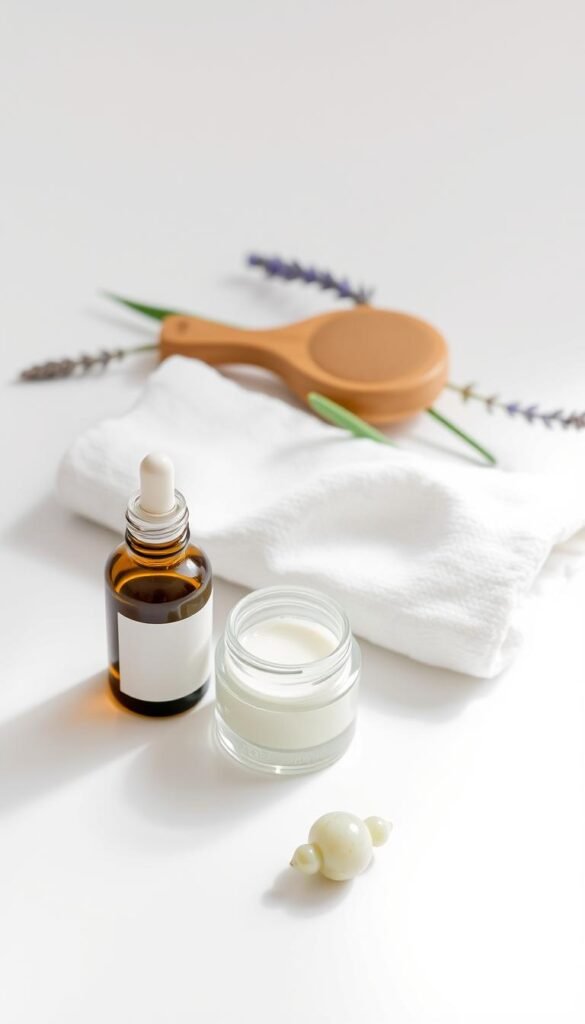
The Beauty of Bare Necessities
Through trial and error, I realized young complexions thrive on simplicity. Our bodies already work hard during growth phases – bombarding them with endless formulas often backfires. A dermatologist once told me: “Think of your face as delicate silk, not a stain-resistant couch.”
Here’s what transformed my approach:
| Product Type | Key Benefit | Recommended Features |
|---|---|---|
| Cleanser | Removes impurities gently | pH-balanced, fragrance-free |
| Moisturizer | Maintains hydration balance | Oil-free, non-comedogenic |
| Sunscreen | Prevents UV damage | SPF 30+, broad spectrum |
Consistency became my secret weapon. Sticking to basics meant no skipped steps during busy mornings. My skin stopped rebelling against product overload, revealing its natural glow. Friends started asking what expensive treatments I’d discovered!
Choosing gentle formulas made all the difference. Harsh scrubs and alcohol-based toners once left my face tight and angry. Switching to kinder options helped my protective barrier strengthen over time. Now I look for hypoallergenic labels and avoid ingredient lists longer than my grocery list.
Gentle Cleansing, Moisturizing, and Sun Protection Essentials
I once believed clean skin meant that tight, squeaky feeling after washing. Now I know better – true care means respecting your face’s natural balance. Three elements form the foundation of my daily ritual: a thoughtful cleanser, smart hydration, and unwavering sun defense.
My Favorite Gentle Cleanser Techniques
Morning and night, I use a non-comedogenic cleanser that lifts impurities without aggression. Here’s my game-changing process:
- Apply to damp skin using circular motions
- Massage for 30 seconds – no rushing
- Rinse with lukewarm water (hot water disrupts moisture)
This method transformed my complexion from irritated to calm. As one esthetician told me: “Cleansing is art – treat it like meditation, not a race.”
Choosing the Right Moisturizer and Sunscreen
Lightweight hydration became my mantra after realizing heavy creams suffocated my face. My oil-free moisturizer locks in natural moisture without clogging pores. Pair it with broad-spectrum SPF 30 – my daily armor against UV damage.
| Product | Key Feature | My Non-Negotiables |
|---|---|---|
| Cleanser | pH-balanced | No sulfates or fragrance |
| Moisturizer | Water-based | Humectant-rich formula |
| Sunscreen | Reapplication ready | No white cast |
I reapply sunscreen every two hours outdoors. This habit prevents future damage while letting my natural glow shine through today.
Teen Skincare: Expert Tips from Board-Certified Dermatologists
Why do so many routines backfire despite good intentions? After struggling with redness and irritation, I turned to professionals who understand young skin’s biology. Their guidance cut through the noise of viral trends and product overload.
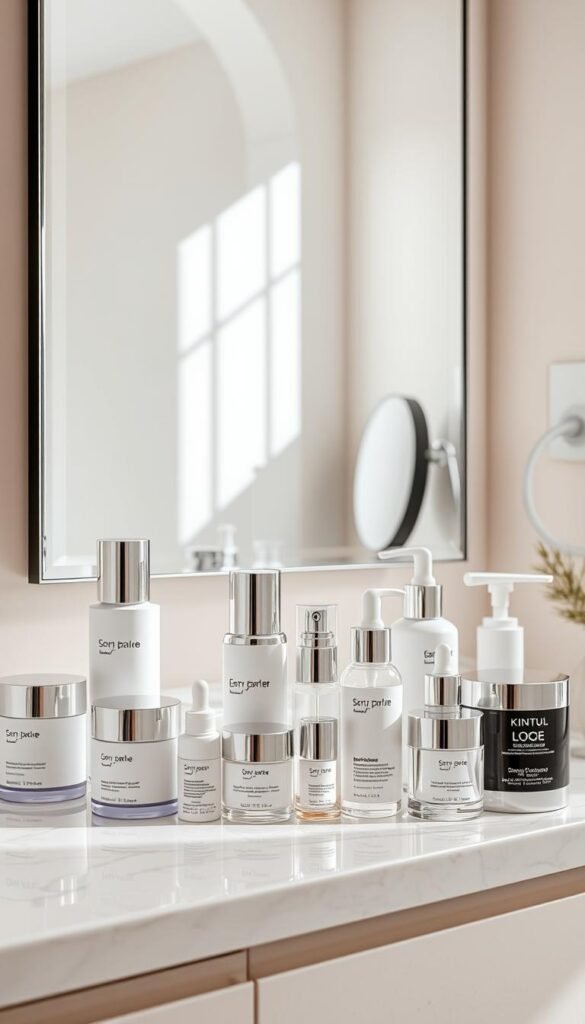
Dr. Carmen Castilla, a board-certified dermatologist in Manhattan, transformed my perspective: “Skin-care routines for teenagers need to be simple. They don’t need harsh toners or endless steps.” Her advice echoes what I’ve learned through trial and error – effective care requires restraint, not complexity.
Advice I Follow From Trusted Sources
Medical experts like Dr. Sonal Shah see daily how excessive products harm young complexions. Her patients often arrive with 10-20 item routines that strip natural oils. This convinced me to prioritize quality over quantity.
Three principles guide my choices now:
- Evidence over hype: Board-certified dermatologists base recommendations on clinical studies, not TikTok challenges
- Preventive mindset: Sun protection today prevents wrinkles and dark spots tomorrow
- Skin dialogue: Flare-ups signal when to simplify rather than add more products
Trusting these professionals freed me from chasing every new serum. My routine now focuses on gentle cleansing and consistent hydration – steps that truly work with my body’s rhythms. When doubts arise, I remember Dr. Castilla’s wisdom: “Your skin knows what it needs. Our job is to listen.”
Spotlight on Trending Ingredients for Youthful, Clear Skin
Finding the right ingredients felt like solving a chemistry puzzle at first. Through research and experimentation, I discovered which components truly deliver results without overwhelming delicate complexions. This knowledge transformed my approach from guesswork to strategy.
Why Targeted Formulas Matter
Salicylic acid became my breakout hero after learning how it dissolves pore-clogging debris. Unlike harsh scrubs, this beta-hydroxy acid works beneath the surface to calm inflammation. I use it in a 2% serum twice weekly – enough to keep congestion at bay without drying my face.
Glycolic acid offers similar benefits for surface texture. A gentle toner with this alpha-hydroxy acid helps fade post-breakout marks. I always pair it with sunscreen since exfoliation increases sun sensitivity.
Hydration Heroes Worth Hype
Hyaluronic acid’s moisture-binding power shocked me. A lightweight serum plumps my skin like nothing else, especially when applied to damp skin. It’s become my secret weapon against midday shine – hydrated skin produces less excess oil.
| Ingredient | Best For | My Routine Tip |
|---|---|---|
| Salicylic Acid | Preventing clogged pores | Spot treat 3x weekly |
| Glycolic Acid | Surface renewal | Use PM before moisturizer |
| Hyaluronic Acid | All-day hydration | Layer over damp skin |
When exploring new products, I prioritize formulas safe for young complexions. Understanding ingredient percentages helped me avoid irritation – sometimes less really is more. Now I scan labels with confidence, knowing exactly what my skin needs to thrive.
Effective Spot Treatments and Acne Solutions
My bathroom mirror once reflected frustration until I discovered smarter ways to manage breakouts. Early intervention and strategic product choices transformed my approach to temporary flare-ups and persistent concerns.
Over-the-Counter Options That Work
Through trial and error, I learned basic solutions often outperform complex regimens. A 2% salicylic acid gel became my go-to for emerging blemishes, while acne-fighting products with benzoyl peroxide tackled deeper congestion. Here’s what works best:
| Treatment | Best For | Application Tip |
|---|---|---|
| Benzoyl Peroxide (2.5-5%) | Inflammatory breakouts | Apply thinly at bedtime |
| Salicylic Acid (0.5-2%) | Blackheads & texture | Use AM after cleansing |
| Hydrocolloid Patches | Surface protection | Apply on clean, dry skin |
Pimple patches surprised me most. These transparent stickers prevent picking while absorbing impurities – I keep them in my gym bag for emergencies. For stubborn spots, I layer treatments: acid serum first, then a moisture-balancing cream.
When to Seek Professional Help
After eight weeks of consistent use without improvement, I consulted a dermatologist. She explained persistent acne often needs prescription-strength solutions like retinoids or antibiotics. “Your skin deserves expert care when basic methods stall,” she advised during our consultation.
Three signs prompted me to schedule appointments:
- Cysts forming beneath the surface
- Redness spreading beyond breakout areas
- Scarring from previous inflammation
Prescription options cleared my skin when OTC products couldn’t. Now I view professional guidance not as failure, but as empowered self-care. Whether through topical solutions or oral medications, effective answers exist for every concern.
Learning from Social Media: Navigating Skincare Trends
I used to trust every glowing review until a bad reaction taught me to question influencers. Platforms overflow with #skincareroutines promising miraculous results, but discerning truth from marketing requires strategy. Over 60% of beauty content creators receive compensation for product endorsements, according to a 2023 FTC report.
Identifying Accurate Information vs. Hype
My turning point came when a trending clay mask caused redness despite 500K+ likes. Now I analyze posts through a critical lens:
| Source Type | Red Flags | Green Flags |
|---|---|---|
| Influencer Accounts | “#ad” in caption • Limited ingredient analysis | Disclosed sponsorships • Science references |
| Professional Profiles | Promoting single brands • Alarmist claims | Board certifications shown • Balanced product reviews |
Dr. Sonal Shah’s advice changed my approach: “Follower count means nothing if the content lacks medical validation.” I now follow dermatologists who explain why ingredients work rather than pushing specific products.
Three lessons guide my media consumption:
- Check credentials before trying viral routines
- Research ingredients independently
- Notice patterns across trusted sources
This mindset shift helped me spot questionable claims. When five influencers promoted the same serum last month, I waited. Two weeks later, medical professionals debunked its harsh formula for young users. Social platforms become powerful tools when you curate wisely.
Tailoring Your Routine to Different Skin Types
Customizing my approach transformed how my face responded to daily care. While friends chased universal solutions, I learned that honoring my skin’s unique needs creates lasting results. The magic lies in balancing science with self-awareness – recognizing when to hydrate, soothe, or clarify.
Strategies for Oily, Dry, and Sensitive Skin
Oily skin thrives with gel-based cleansers that remove excess shine without stripping. I pair mine with oil-free moisturizers to maintain harmony – dehydration often triggers more grease. Weekly clay masks absorb buildup, letting my natural glow surface.
Dry types taught me the power of replenishment. Without proper oils, the skin barrier cracks like parched earth. Rich creams with ceramines became my allies, sealing in moisture after lukewarm showers. For extra care, I layer hydrating serums under thicker balms during harsh winters.
Sensitive complexions demand gentleness. Fragrance-free formulas and minimal steps prevent flare-ups. I rebuilt my skin barrier using oatmeal-based washes and thermal water sprays. Now redness fades faster when I listen to my body’s signals.
Discover more about adjusting your approach as needs evolve. Your routine isn’t static – it’s a living conversation with the face you present to the world.