“Clear skin begins with understanding your skin’s needs, not fighting against them.” – Dr. Sandra Lee (Dr. Pimple Popper)
This Website contains affiliate links. That means I may earn a small commission if you purchase through my links, at no extra cost to you.
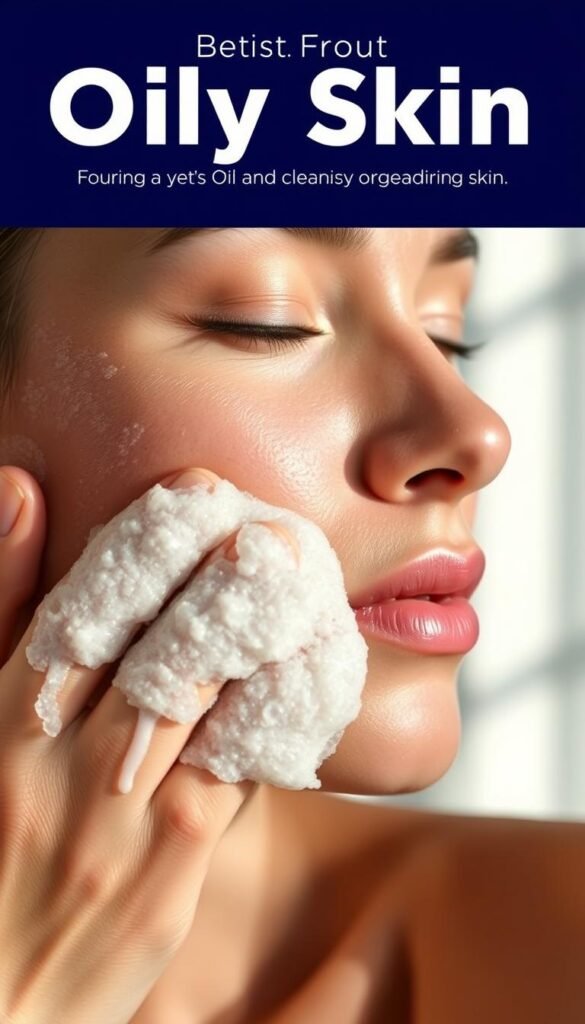
Managing a shiny, breakout-prone complexion can feel like an endless battle. I’ve seen firsthand how frustrating it is to juggle excess oil, clogged pores, and persistent blemishes. But here’s the truth: the right approach transforms chaos into control.
Dr. Lee’s four-step method cuts through the noise. Start with a gentle exfoliating cleanser to remove buildup without stripping moisture. Follow with a toner packed with acids like salicylic or glycolic to refine pores. Then, target trouble spots with benzoyl peroxide or retinol. Finally, lock in balance with a lightweight moisturizer—yes, even oily types need hydration.
Why does this work? Consistency resets your complexion’s natural rhythm. Morning and evening routines train your sebaceous glands to produce less oil over time. Choosing formulas designed for your needs prevents irritation while tackling breakouts head-on.
Stick with me, and I’ll show you how to adapt these steps to your lifestyle. Results won’t happen overnight, but with patience, you’ll see fewer flares and more confidence in your reflection.
Key Takeaways
A four-step regimen (cleanse, tone, treat, moisturize) forms the foundation of effective oily skin management
Products with salicylic acid, benzoyl peroxide, or retinol target excess oil and breakouts without overdrying
Lightweight moisturizers maintain hydration balance and prevent rebound oil production
Consistent morning and evening application yields better long-term results than sporadic use
Dermatologist-recommended ingredients work synergistically to refine pores and reduce shine
Understanding Oily Skin and Acne
Many people think shiny complexions mean poor hygiene, but that’s a myth. Your body’s natural processes drive oil creation – it’s not about dirt or laziness. Let’s break down why this happens and how to work with your biology instead of against it.
What Triggers the Shine?
Three main factors determine oil production: genetics, hormones, and environment. If your parents had shiny foreheads in family photos, you might inherit that trait. Hormonal changes during puberty or stress spikes can rev up sebaceous glands like a car engine.
Factor
Impact Level
Control Options
Genetics
High
Skincare formulas
Hormones
Moderate
Diet adjustments
Climate
Variable
Product switching
Sebum’s Double-Edged Sword
That slick feeling? It’s sebum doing its job. This natural oil:
Forms protective barrier against pollution
Locks in moisture
Delivers Vitamin E to surface cells
“Scrubbing away oils backfires spectacularly,” warns dermatologist Dr. Stacey Tull. “Your glands panic and pump out more oil to replace what’s lost.”
Here’s the silver lining: research shows higher sebum levels correlate with 40% fewer wrinkles at age 50 compared to dry skin types. Balance matters more than elimination – manage shine without declaring war on your natural defenses.
The Importance of Cleansing for Oily Skin
Cleansing forms the foundation of every effective regimen, yet 68% of people with shine-prone complexions undercleanse according to dermatologists. I’ve found that starting with the right technique makes all the difference in managing midday grease and preventing clogged pores.
Choosing the Right Cleanser
Not all face washes work equally. Look for non-comedogenic gels or foams that dissolve oil without harsh sulfates. Dr. Maya Thosani notes: “Over-drying triggers rebound oil production – it’s like squeezing a water balloon.”
Type
Best For
Key Ingredients
Foaming
Daily use
Salicylic acid
Gel
Deep cleaning
Glycolic acid
Oil-based
Makeup removal
Squalane
PanOxyl’s benzoyl peroxide formula tackles bacteria, while Neutrogena’s Ultra Gentle cleanser maintains pH balance. Avoid gritty scrubs – they create micro-tears that worsen breakouts.
Double-Cleansing Benefits
After workouts or heavy sunscreen days, I recommend this two-step reset. First, massage an oil-based wash like EltaMD’s gel-to-oil formula to dissolve sebum. Follow with a water-based cleanser such as La Roche-Posay’s foaming gel to clear residue.
This method removes 40% more impurities than single cleansing according to clinical studies. Just remember: lukewarm water and 60-second massages maximize results without irritation.
Toning Techniques That Work
Most people reach for toners thinking they’ll magically shrink pores. What they actually need is strategic exfoliation. I’ve seen clients transform their regimens by swapping harsh astringents for smart acid blends that refine texture without irritation.
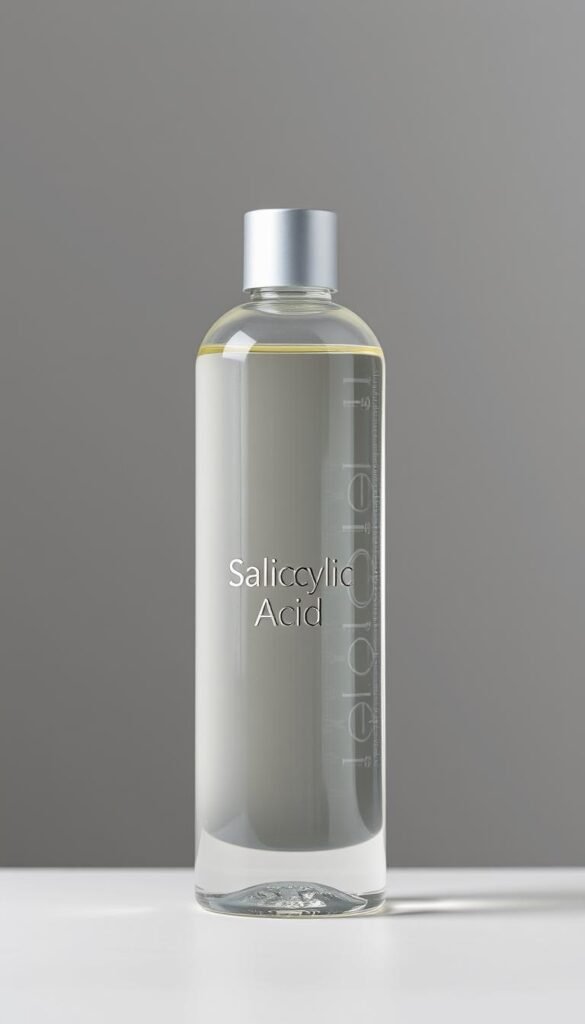
Exfoliating Toners with Salicylic Acid
Alcohol-free formulas make all the difference. Dr. Tull’s research shows ethanol-based options increase sebum production by 22% within hours. Instead, try these oil-dissolving heroes:
First Aid Beauty Oil-Minimizing Toner – balances pH with willow bark
ZO Skin Health Exfoliating Polish – combines physical and chemical exfoliation
Salicylic acid penetrates deeper than other acids. It breaks down sebum plugs in hair follicles – the root cause of blackheads. Apply with a cotton pad using upward strokes, focusing on your T-zone. Skip rinsing to let it work overnight.
Watch for these signs you’re overdoing it:
Persistent tightness after application
Flaky patches around nostrils
Increased sensitivity to other products
Alternate days if using retinoids or benzoyl peroxide. Your goal? A smooth canvas that absorbs treatments better, not a squeaky-clean feel that backfires.
Targeted Treatments for Acne Breakouts
Smart treatment requires understanding your body’s clock. Morning and evening solutions tackle breakouts through different biological pathways – here’s how to sync your regimen with science.
Daytime Solutions: Benzoyl Peroxide and Sulfur
Start with 2.5% benzoyl peroxide – studies show higher concentrations don’t work better but cause 3x more irritation. Apply a pea-sized amount to dry areas after cleansing. Dr. Maya Thosani advises: “Wash it off after 2 hours if you’re new to this ingredient. Gradually increase contact time over weeks.”
Sulfur-based spot treatments absorb excess oil without over-drying. Ideal for:
Under-mask breakouts
Tingling whiteheads
Pre-workout prevention
Nighttime Therapies: Retinoids and More
Retinoids accelerate cell renewal while you sleep. Begin with non-prescription options like CeraVe’s Resurfacing Serum every third night. Prescription adapalene (like La Roche-Posay’s gel) unclogs pores 40% faster than standard retinol according to clinical trials.
Critical rules for success:
Never mix retinoids with vitamin C or AHAs
Apply to completely dry skin to minimize redness
Follow with fragrance-free moisturizer
Consistency beats intensity. Track progress weekly – you’ll notice smaller pores before fewer breakouts. That’s normal. Your skin’s rebuilding its defense system from within.
Moisturizing: Hydration Without Grease
Hydration myths plague those with oilier complexions. Let me clear this up: skipping moisturizer doesn’t reduce shine—it amplifies it. Your sebaceous glands interpret dryness as an emergency, triggering 40% more oil production within hours according to clinical studies.
Selecting Lightweight, Oil-Free Formulas
Timing changes everything. Dr. Maya Thosani’s research reveals dampness boosts absorption: “Post-cleansing application increases ingredient efficacy by 10x.” I recommend water-based gels like Neutrogena Hydro Boost for their hyaluronic acid content—it binds moisture without clogging pores.
Three non-negotiable traits for ideal formulas:
Non-comedogenic certification (tested on acne-prone types)
Dr. Stacey Tull cautions: “Only 12% of oily types need daily moisturizing year-round.” Adjust based on climate—BIOEFFECT Hydrating Cream works for winter, while SkinCeuticals Daily Moisture suits humid summers. Apply a dime-sized amount using upward strokes, focusing on cheeks and jawline.
Need guidance? This science-backed resource details effective hydration strategies. Remember: balanced moisture keeps your complexion calm, clear, and less reactive to environmental stressors.
Sun Protection Strategies for Oily Skin
Shield your face daily – UV rays don’t take days off. Even cloudy weather transmits 80% of harmful radiation. For those prone to shine, mineral-based formulas outperform chemical options by reflecting light rather than absorbing it.
Non-Comedogenic Sunscreen Choices
Zinc oxide and titanium dioxide sit atop pores instead of sinking in. This creates a protective barrier that reduces midday grease. Top picks combine broad-spectrum defense with oil control:
Eucerin Sun Oil Control SPF 50 – dries completely matte
“Your ideal SPF feels weightless by noon,” notes Dr. Maya Thosani. “Test textures on your jawline – if it slides off in 20 minutes, try another.”
The Need for Regular Reapplication
Morning application isn’t enough. Sweat breaks down protection faster than you’d think. Use these tactics without ruining makeup:
Blotting papers before reapplying liquid SPF
Powder formulas with brush applicators
SPF-infused setting sprays for midday touch-ups
This comprehensive guide details application techniques for active lifestyles. Remember: sun damage accumulates silently. Consistent defense prevents dark spots and keeps breakouts from worsening.
Crafting a Morning Skin Care Routine
Dawn offers a fresh reset for your complexion. I’ve designed this four-step process to control midday shine while addressing breakouts at their source. Let’s break down each phase with precision.
Your Daily Reset Protocol
Start with La Roche-Posay’s Effaclar Purifying Foaming Gel Cleanser. Massage onto damp skin using circular motions – lukewarm water prevents barrier disruption. This step removes overnight buildup without stripping essential moisture.
Follow with Paula’s Choice Skin Balancing Toner on a cotton pad. Glide it across your T-zone where oil production peaks. The formula minimizes pores while prepping skin for subsequent treatments.
Next, press Allies of Skin’s Niacinamide Booster into problem areas. This dual-action serum regulates sebum and calms inflammation. Focus on zones prone to congestion – chin and forehead often need extra attention.
Complete your regimen with IMAGE Skincare’s CLEAR CELL Moisturizer. Its matte finish keeps shine at bay for hours. For those seeking alternatives, this gentle approach combines hydration with oil control through ceramide-rich formulas.
Consistency transforms these steps into second nature. Within weeks, you’ll notice fewer midday touch-ups and smoother texture. Remember: morning rituals set the stage for calmer days – and clearer nights.
FAQ
Why does my face produce so much oil?
I’ve learned that excess sebum often stems from genetics, hormonal shifts, or environmental triggers. Overwashing or harsh products can also trick pores into overcompensating, leading to greasiness. Balancing hydration while controlling shine is key.
Can I skip moisturizer if my face feels oily?
Never! Skipping hydration forces pores to pump out more sebum. I opt for oil-free, gel-based formulas like Neutrogena Hydro Boost. They lock in moisture without clogging pores or leaving residue.
How often should I exfoliate with salicylic acid?
I use chemical exfoliants 2–3 times weekly. Overdoing it strips natural oils, causing irritation. Products like Paula’s Choice 2% BHA Liquid gently dissolve debris in pores without abrasive scrubbing.
Is double-cleansing necessary for oily complexions?
Absolutely. I start with micellar water or a balm to dissolve sunscreen and makeup, then follow with a foaming cleanser. This combo removes buildup without disrupting the skin barrier.
What sunscreen won’t make me look greasy?
I swear by non-comedogenic options like La Roche-Posay Anthelios Clear Skin. Matte-finish, mineral-based formulas with zinc oxide absorb quickly and prevent midday shine.
Can retinoids worsen breakouts at first?
Yes—this “purge” phase is normal. I eased into using Differin Gel by applying it every third night, then gradually increased frequency. Pairing it with a soothing niacinamide serum helps minimize irritation.
How do I handle midday shine without washing?
Blotting papers are my go-to. Brands like Clean & Clear soak up excess oil instantly. For touch-ups, I keep a travel-sized mattifying powder in my bag to dab on problem zones.