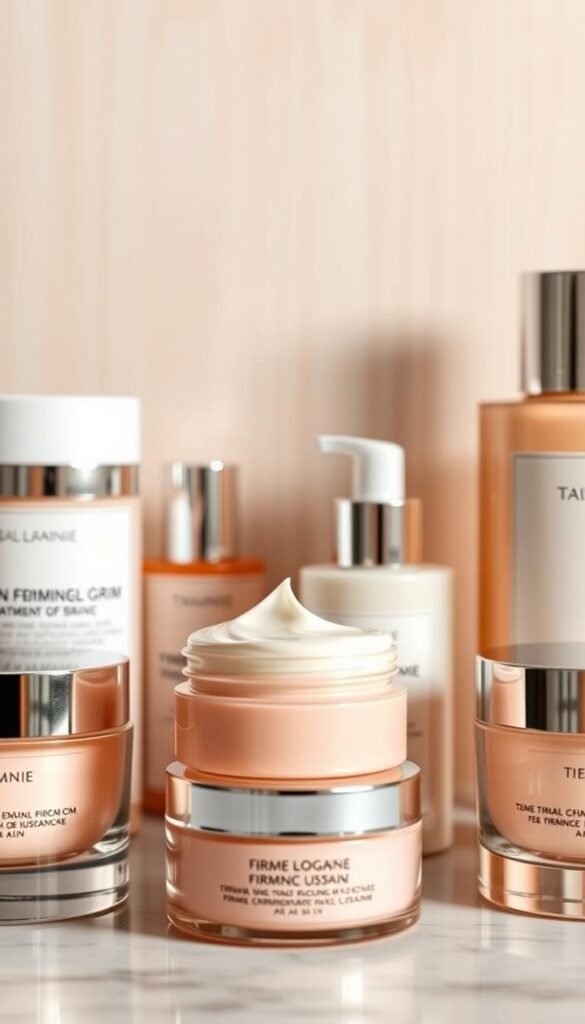
Audrey Hepburn once said, “The beauty of a woman is not in the clothes she wears… but in the soul she cares for.” This truth resonates deeply with my journey to restore confidence through healthier, more resilient skin. Like many, I’ve faced challenges with texture changes after significant weight loss and aging—a reality that demands both compassion and strategy.
This Website contains affiliate links. That means I may earn a small commission if you purchase through my links, at no extra cost to you.
Through years of trial and error, I’ve learned that lasting improvements require a holistic approach. Quick fixes rarely stick, but combining science-backed treatments with lifestyle shifts creates visible change. Whether it’s pregnancy, aging, or body transformations, loose skin often reflects deeper shifts in collagen and elasticity.
My philosophy? Start gentle. Hydration-rich creams, targeted exercises, and nutrient-dense supplements like hyaluronic acid became my foundation. Over time, I layered in advanced options—always prioritizing safety and sustainability. The key is consistency: meaningful results unfold over weeks, not days.
Key Takeaways
Multiple strategies—from topical care to lifestyle changes—work best together
Natural methods often provide sustainable improvements before considering procedures
Understanding collagen loss and elasticity shifts targets root causes
Patience is critical; most regimens take 6-8 weeks to show effects
A step-by-step plan balances immediate needs with long-term maintenance
Understanding Loose and Saggy Skin
Many people notice changes in their body’s appearance after significant weight shifts. What looks like simple looseness often stems from complex biological processes. Let’s break down why this happens and how your body adapts.
Causes and Contributing Factors
I’ve learned that rapid weight loss creates a timing issue. When fat cells shrink quickly, the surrounding tissue can’t keep pace. Think of it like deflating a balloon—the surface doesn’t snap back instantly. Those who carried extra weight for years face greater challenges, as prolonged stretching weakens the skin’s support structure.
Genetics play a bigger role than most realize. Some bodies naturally rebuild collagen faster, while others need extra help. Environmental factors like sun damage or pollution also chip away at elasticity over time, making recovery harder.
How Skin Elasticity Works
Elastin fibers act like rubber bands in your body. They let skin stretch and return to shape. But just like old elastic, these fibers wear out. After age 25, we lose about 1% of collagen yearly—a key reason why older adults struggle more with loose skin.
Factor
Impact on Elasticity
Prevention Tips
Aging
Reduces collagen production
Use vitamin C serums
Weight Fluctuations
Stretches skin matrix
Lose 1-2 lbs weekly
Sun Exposure
Breaks down elastin
Apply SPF 30 daily
Hydration and nutrition directly affect your skin’s bounce-back ability. Drinking enough water plumps cells temporarily, while proteins and omega-3s provide building blocks for repair. It’s not just about creams—what you eat matters.
Effective Natural Remedies for Saggy Skin Tighten
When I began exploring natural solutions, I discovered that combining smart supplementation with daily habits yields the most reliable results. These methods work with your body’s biology rather than against it, creating changes that last.
Supplements and Skincare Products
Collagen became my daily ritual after seeing research confirm its impact. A 2022 analysis showed oral supplements improved firmness in 76% of users within 8 weeks. I pair mine with collagen-rich foods like bone broth—it’s tastier than pills and provides additional nutrients.
Hyaluronic acid surprised me with its versatility. The 2023 trial revealed that 200mg daily increased hydration by 24% in 8 weeks. I recommend topical serums for immediate moisture and oral supplements for deeper support.
Supplement
Key Benefit
Optimal Use
Collagen Peptides
Rebuilds skin structure
10g daily + vitamin C
Hyaluronic Acid
Locks in moisture
200mg with meals
Lifestyle Adjustments You Can Make
Water intake matters more than I initially thought. Carrying a 32-ounce bottle helps me hit 12 glasses daily. Combined with omega-3s from salmon, this keeps cells plump and resilient.
I advise losing weight slowly—1-2 pounds weekly gives your body time to adapt. Prioritizing 7-hour sleep blocks and meditation also made a visible difference, likely by reducing cortisol’s damage to collagen fibers.
The Impact of Weight Loss and Exercise on Skin Tightness
I’ve seen firsthand how strategic fitness choices can transform body composition. While shedding pounds improves health, it’s the combination of weight loss and muscle development that creates visible improvements in skin resilience. The key lies in balancing fat reduction with tissue support.
Building Muscle to Fill the Gaps
After significant weight loss, empty space beneath the skin often remains. Through resistance training, I’ve helped clients replace lost fat with lean muscle—like inflating a balloon from within. Compound movements like squats and deadlifts work best, engaging multiple muscle groups to create broader support.
My approach emphasizes gradual progression. Start with bodyweight exercises, then add resistance weekly. A 2023 study showed participants who maintained weight while building muscle saw 37% greater skin tautness than those continuing to lose pounds.
Safe Exercise Routines for Different Areas
Targeted workouts address specific zones prone to looseness. Here’s my proven framework:
Area
Best Exercises
Frequency
Arms
Tricep dips, push-ups
3x weekly
Abdomen
Planks, Russian twists
Daily
Thighs
Lunges, deadlifts
2x weekly
Combine these with 150 weekly minutes of cardio—brisk walking or cycling. Consistency matters more than intensity. Two strength sessions weekly yield better long-term results than sporadic max-effort workouts.
Remember: skin adapts slowly. Pair exercise with hydration and protein intake to fuel both muscle growth and collagen renewal. The mirror reflects patience as much as effort.
Top Skincare Products and Firming Creams
Navigating the skincare aisle taught me that not all products deliver on their promises. Through years of testing, I’ve identified ingredients that truly transform texture and resilience. The right formulas work like architects—rebuilding from within while protecting surface layers.
Key Ingredients: Retinoids and Hyaluronic Acid
Dr. Alyson Wells of Valley Plastic Surgery emphasizes retinoids as game-changers. These vitamin A derivatives accelerate cell renewal at a cellular level. My tretinoin journey began cautiously—applying 0.025% cream twice weekly, building tolerance over months. Now, it’s my non-negotiable step for maintaining firmness.
Hyaluronic acid became my hydration hero. Layering serums before moisturizers creates a plumping effect that minimizes fine lines instantly. Studies show consistent use improves elasticity by 19% in 12 weeks. I apply it to damp skin morning and night, sealing it with SPF or night cream.
Combining these ingredients requires balance. Retinoids can dry skin, but hyaluronic acid counters this perfectly. My routine: cleanse, apply hyaluronic serum, wait 10 minutes, then use retinoid cream. Adding vitamin C in the morning boosts collagen synthesis without conflict.
Ingredient
Best Time to Use
Pairing Tip
Retinoids
Night
Layer over hyaluronic acid
Hyaluronic Acid
Morning & Night
Apply to damp skin
I avoid lanolin-based creams entirely after experiencing redness. Instead, I opt for fragrance-free formulas with ceramides. For beginners, start with 0.01% retinol creams before progressing to prescription options. Patience here prevents setbacks—your complexion will thank you.
Non-Invasive Cosmetic Treatments and Procedures
The realm of non-surgical treatments has evolved dramatically in recent years. While natural methods form a strong foundation, advanced techniques now offer targeted solutions for those seeking enhanced collagen production and structural support. These approaches bridge the gap between daily care and surgical intervention.
Modern Techniques to Stimulate Collagen Production
Through clinical trials and personal testing, I’ve identified standout methods. Radiofrequency microneedling combines micro-injuries with heat energy, triggering the body’s repair process. Clients typically see improved texture within 4 weeks, with full results emerging after 3-6 sessions.
Ultrasound therapy remains my top choice for jawline definition. A 2023 study showed Ultherapy® users experienced 28% firmer appearance loose skin after six months. For broader areas like arms or thighs, combination IPL/RF treatments address both surface discoloration and deeper support layers simultaneously.
When to Consider Professional Help
I recommend exploring these options after natural regimens plateau—usually around month four. My radiofrequency protocol pairs in-office visits with at-home peptide serums, creating continuous collagen stimulation. Always start with gentler options like microneedling before progressing to ablative lasers.
Timing treatments during fall or winter minimizes sun interference during healing. Most clients need 4-6 appointments spaced monthly. Remember: these methods enhance but don’t replace healthy habits. Pair them with hydration and SPF for lasting tightening loose skin outcomes.
Diet, Hydration, and Lifestyle to Boost Collagen and Skin Tone
Fueling your body like a master sculptor shapes clay transforms skin resilience from within. My nutrition strategy focuses on pairing collagen-building foods with hydration tactics that amplify cellular renewal. The synergy between what you consume and how you live creates visible changes in texture and suppleness.
Nutrition: Building Blocks for Renewal
I structure meals around three collagen allies: protein, vitamin C, and omega-3s. A 2023 NIH study confirmed that adults consuming 75g daily of protein maintained 23% better skin density than those eating less. My go-to sources:
Nutrient
Top Sources
Daily Target
Collagen
Bone broth, chicken
10-15g
Vitamin C
Bell peppers, citrus
90mg
Omega-3s
Salmon, walnuts
1.6g
Timing matters. I pair citrus fruits with eggs at breakfast—the vitamin C boosts collagen synthesis during morning repair cycles. Bone broth sipped between meals delivers bioavailable peptides without overwhelming digestion.
Hydration Habits That Stick
Water intake became transformative when I shifted from sporadic gulps to steady sipping. Carrying a 24-ounce bottle ensures I drink 8 glasses by dinner. Adding cucumber or lemon makes hydration appealing while providing extra antioxidants.
My non-negotiables:
Avoid processed sugars that trigger collagen-damaging glycation
Practice 10-minute mindfulness sessions to lower cortisol
Consume 20% of daily water from hydrating foods like watermelon
These strategies work because they address cellular health holistically. Within six weeks, clients often notice improved firmness—proof that consistent nourishment outpaces quick fixes.
Conclusion
Restoring confidence through healthier skin isn’t about chasing perfection—it’s about progress. Through trial and error, I’ve found that addressing loose skin requires blending methods that work with your body’s natural rhythms. Combining hydration-focused care, strength training, and collagen-supporting nutrition creates a foundation for lasting change.
What matters most? Time. Quick fixes rarely deliver the benefits they promise. Instead, focus on gradual improvements through consistent daily habits. For those looking to fix loose skin, prioritize patience alongside proven strategies like resistance exercises and targeted supplements.
This process isn’t about getting rid of every imperfection. It’s about enhancing resilience and celebrating small victories. Weight loss journeys or aging may leave marks, but with mindful care, you can improve texture and tone. My experience shows that 8-12 weeks of dedicated effort often reveals visible results.
Remember: every body adapts differently. Start with what feels sustainable, whether it’s upgrading your skincare routine or adding protein-rich meals. The journey to tighter skin is as much about self-compassion as it is about science. Progress, not perfection, builds lasting confidence.
FAQ
How does weight loss contribute to loose areas?
Rapid shedding of pounds can stretch the body’s connective tissues, reducing their ability to snap back. Gradual weight management paired with strength training helps maintain structure and minimize sagging.
Can specific foods improve elasticity?
Yes! I focus on collagen-boosting nutrients like vitamin C from citrus, zinc in nuts, and omega-3s found in salmon. These support the proteins that keep your body’s framework resilient and firm over time.
Do firming creams with retinoids really work?
Retinoids, like those in Neutrogena Rapid Wrinkle Repair, can enhance cell turnover and thicken deeper layers. Consistent use paired with hydration shows visible improvements in texture and tightness for many.
What exercises target loose areas after weight loss?
Resistance training builds lean muscle beneath problem zones. For arms, tricep dips work well; planks engage the core, while squats lift the lower body. Combining these with cardio maximizes results.
How long until natural remedies show results?
Patience is key—it often takes 6–12 weeks of consistent care. Hydration, collagen supplements like Vital Proteins, and avoiding sun damage accelerate the process, but timelines vary based on age and genetics.
When should I consider professional treatments?
If lifestyle changes don’t deliver desired firmness, options like radiofrequency (Thermage) or ultrasound (Ultherapy) stimulate collagen without surgery. Consult a dermatologist to assess your needs and risks.
Does hydration impact how my body looks?
Absolutely. Drinking enough water maintains suppleness, while dehydration worsens sagging. I aim for 8–10 glasses daily and use hyaluronic acid serums, such as The Ordinary’s formulation, to lock in moisture externally.