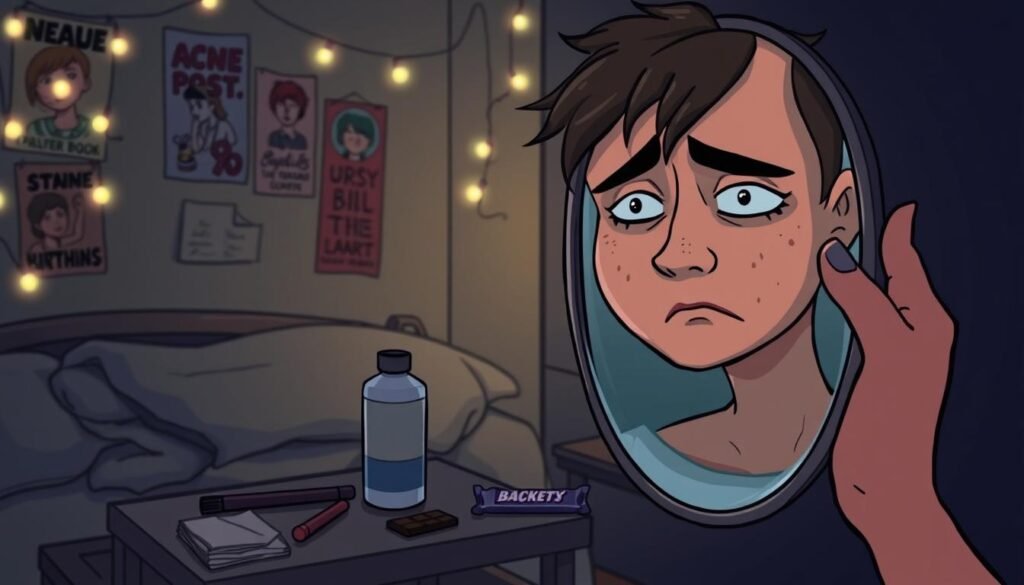
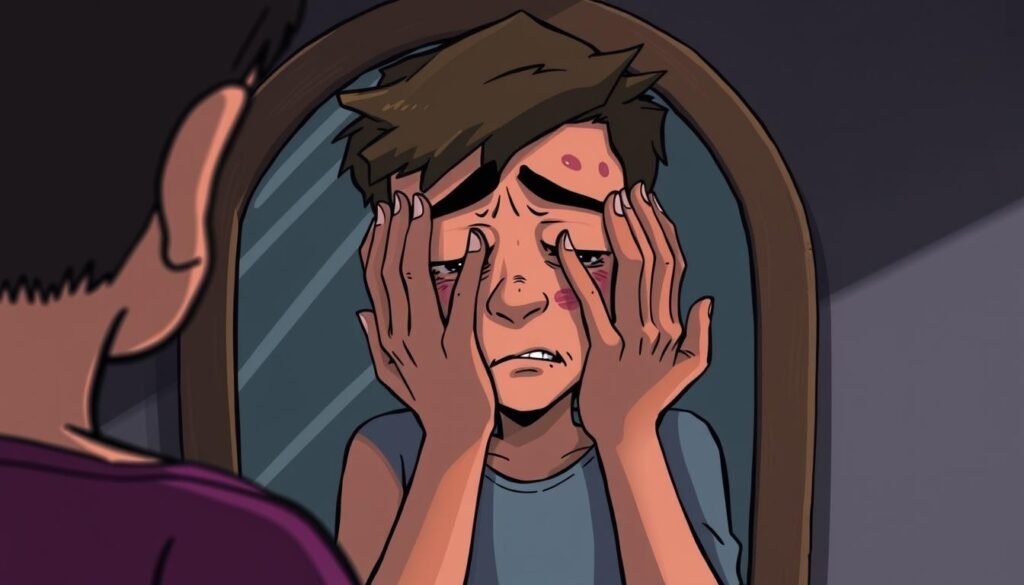
“You may not control all the events that happen to you, but you can decide not to be reduced by them,” Maya Angelou once said. This quote became my anchor when relentless breakouts turned mirrors into enemies and self-confidence into a distant memory.
This Website contains affiliate links. That means I may earn a small commission if you purchase through my links, at no extra cost to you.
For years, reflections showed only flaws—textured skin, inflamed pores, and scars that felt like permanent reminders of failure. Photos became landmines of insecurity. Overhead lighting? A cruel spotlight. Social gatherings? Battlegrounds for avoiding eye contact. The emotional toll seeped into every corner of daily life.
This isn’t just a story about clearing skin. It’s about rebuilding trust in your own reflection. The journey included late-night research, trial-and-error routines, and moments when progress seemed impossible. But breakthroughs emerged—not just in creams or treatments, but in learning to separate self-worth from surface-level imperfections.
Healing required patience. Some days, the mirror still whispered doubts. Others, it revealed resilience. Today, it reflects a person who understands that skin doesn’t define character—and that true transformation starts within.
Key Takeaways
Severe acne often creates deep emotional struggles tied to self-image and daily confidence
Effective healing requires addressing both physical symptoms and psychological impacts
Progress frequently involves setbacks that test commitment to long-term solutions
Reclaiming comfort with reflections marks a pivotal point in personal growth
Holistic approaches combining skincare and mindset shifts yield lasting results
My Acne Was So Bad I Hated Mirrors—Here’s How I Turned It Around
Morning routines turned into tactical missions. I’d angle my body sideways while brushing teeth to avoid full-face reflections. Bathroom lights stayed dimmed—brightness only emphasized uneven texture and redness. Friends’ dinner invites? Declined if smartphones might appear. “Let’s just stay in” became my protective mantra.
Breakouts dictated wardrobe choices—high collars hid jawline cysts, hats shaded forehead bumps. Makeup tutorials promised coverage, but layers couldn’t mask the sinking feeling when mirrors betrayed me. One particularly brutal morning stands out: rushing to blot inflammation before work, I accidentally leaned into a sunlit mirror. The unfiltered view triggered tears before my coffee cooled.
This wasn’t vanity. Persistent skin issues warped basic interactions. Compliments about outfits or hairstyles rang hollow—all I heard was “they didn’t notice your chin”. Strangers’ glances in elevators felt like silent critiques. Even passing shop windows became psychological landmines.
What few understood? The real damage happened internally. Each reflection check chipped away at self-assurance until basic confidence felt like a foreign language. Yet through online forums, I discovered countless others whispering similar stories into their screens—nightly skincare warriors fighting the same lonely battle.
That collective ache became my turning point. If so many of us hid from glass surfaces and camera flashes, maybe our shared struggle held seeds of solution. The journey from dread to acceptance began with one shocking realization: mirrors only showed part of the story.
Origins of My Acne Journey
Looking back, the first cracks in my confidence appeared long before breakouts became severe. Clear skin during early high school created false security—until biology class projects about puberty turned uncomfortably personal. “You’re so lucky,” friends would say, unaware how quickly fortune changes.
Early Signs and Teen Years
Red bumps emerged during junior year like uninvited guests. Stress from college applications collided with hormonal shifts, creating perfect conditions for rebellion beneath the surface. While peers’ complexions cleared, mine developed maps of raised terrain no over-the-counter product could flatten.
La Tarris’s experience mirrored mine: “My family thought it was just grease from fries.” Without guidance, I scrubbed skin raw, unaware irritation fueled inflammation. Each failed remedy deepened the belief that flaws defined me.
Understanding My Triggers
Years later, patterns emerged. Breakouts peaked during exam weeks and hormonal cycles. Cafeteria pizza lunches left cheeks burning by third period. The real breakthrough came when connecting academic pressure to cortisol spikes that activated oil glands.
School environments became pressure cookers—literal and metaphorical. Crowded hallways meant brushing against perfume clouds that clogged pores. All-nighters disrupted sleep cycles critical for skin repair. Identifying these connections didn’t erase scars, but gave weapons to fight smarter.
The Emotional Impact of Acne on My Self-Esteem
The mirror didn’t just reflect blemishes—it became a liar. Every glance whispered “unworthy” while friends discussed weekend plans I’d declined. Mari’s story hit hard:
“Not one day passed where I looked at my face and saw beauty. I cried over products that failed me.”
Breakouts created a cruel paradox. Stress about skin worsened breakouts, which increased stress. Social events felt like minefields—I’d cancel plans when cysts flared, convinced everyone noticed. Morning mirror checks dictated entire days: clear skin meant confidence, redness meant hiding.
Simple acts became loaded. Applying makeup felt like painting over cracks in porcelain. Compliments about clothes or achievements? Meaningless noise. “They’re just being polite,” I’d think, certain my face overshadowed everything.
The lowest point came during finals week. Stress-induced breakouts covered my jawline. I skipped three classes, crying under blankets while textbooks gathered dust. That’s when I realized—acne wasn’t just affecting my skin. It was stealing my life.
Healing began when I stopped letting reflections define me. Therapy helped separate self-worth from breakouts. Support groups showed how many battled this silent war. Today, I understand: skin changes don’t diminish human value. True confidence grows when we stop letting mirrors tell lies.
Struggles with Social Pressure and Mirror Anxiety
Mirrors transformed from tools into tormentors during my worst skin days. Nicole’s words resonated deeply:
“Not feeling like socializing when you’re having a bad skin day… the last thing I wanna do is slather makeup over breakouts.”
Public restrooms became danger zones—I’d memorize reflective surfaces to avoid accidental glimpses. Even smartphone screens felt treacherous when they darkened.
Dealing with Mirror Avoidance
Social media amplified the struggle. Scrolling through filtered perfection made my reflection seem monstrous. One forum user confessed: “I don’t look people in the eye. Don’t want them seeing my hideous face.” I rearranged furniture to eliminate mirror sightlines and chose seats facing walls in cafes.
Situation
Avoidance Behavior
Healthy Approach
Public restrooms
Quick exits
Neutral self-talk
Social gatherings
Back-to-wall positioning
Focus on conversation
Home environment
Covered mirrors
Gradual exposure
This dance drained joy from daily life. Spontaneity vanished—I planned routes to avoid store windows. Dating? Impossible when eye contact felt like surrender. Healing began when I practiced glancing at reflections while repeating: “This is temporary. I am more.” Small victories rebuilt what mirrors had shattered.
Facing Unwanted Advice and Negative Comments
Unsolicited remarks about skin became unexpected hurdles in daily interactions. While some meant well, others cut deep—each comment reinforcing the idea that visible imperfections required public commentary.
When Good Intentions Sting
Nicole’s story mirrored my reality:
“People asked if I’d tried cutting dairy or seen a dermatologist—like I hadn’t spent years researching solutions.”
Relatives suggested turmeric masks during holiday dinners. Friends recommended charcoal cleansers as birthday gifts. Each tip, though well-meant, felt like a grade on my self-care efforts.
Comment Type
Typical Phrase
Better Response
Family “Solutions”
“Your cousin’s skin cleared using XYZ cream”
“I appreciate your concern—my dermatologist and I have a plan”
Peer Comparisons
“You should try what worked for me!”
“Every skin journey is different, but thanks”
Stranger Remarks
“Wow, that’s a lot of redness”
“I’d rather discuss something else”
Casual cruelty from acquaintances cut deepest. A classmate once joked, “At least my forehead isn’t a minefield!” during a group project. Laughter followed—except mine. Days later, their words still echoed during mirror checks.
Setting boundaries became survival. I rehearsed phrases like “I’m not seeking advice right now” until they felt natural. With time, I realized most comments revealed others’ discomfort—not my worth. Educating one tactless relative or redirecting a friend’s concern slowly rebuilt my armor against unwelcome opinions.
Finding Comfort in the Acne Community
Discovering online forums felt like finding sunlight after years in tunnels. Scrolling through hashtags like #AcnePositivity, I saw real skin—textured, flushed, unapologetic. Megha’s post stopped me: “Representing my community matters. When you share your story, others realize they’re not broken.”
Forums became lifelines. Caroline’s comments on Banish’s page mirrored my relief: “Seeing people recommend what works for their skin? That’s power.” We traded midnight skincare routines and laughed about hydrocolloid patch fails. Social media shifted from enemy to ally.
This world taught me to reframe reflections. Where mirrors once highlighted flaws, they now showed shared humanity. Breakouts didn’t vanish, but their meaning changed—from personal failure to collective experience.
Today, I post unfiltered selfies. Not for likes, but for the quiet teen scrolling at 2 AM. Our stories whisper: You’re seen. You belong. That’s the magic no cream can replicate.
FAQ
How long did it take to see improvements in your skin?
Consistency was key. After adjusting my skincare routine and diet, I noticed fewer breakouts in 6–8 weeks. But fading scars took months. Patience and trusting the process helped me stay committed even when progress felt slow.
Did hormonal acne play a role in your struggles?
Absolutely. Stress and hormonal shifts worsened my breakouts. Working with a dermatologist to balance hormones and using targeted treatments like salicylic acid and retinoids made a noticeable difference over time.
How did you handle hurtful comments about your skin?
At first, unsolicited advice crushed my confidence. Over time, I learned to set boundaries. I’d say, “I’m managing it—let’s talk about something else.” Surrounding myself with supportive people who valued me beyond my appearance changed everything.
What skincare products worked best for you?
Gentle, non-comedogenic cleansers and moisturizers became staples. Ingredients like niacinamide and azelaic acid reduced redness, while sunscreen prevented scars from darkening. Trial and error taught me that “harsh” doesn’t mean “effective”—hydration and simplicity healed my skin.
How did mirror anxiety affect your daily life?
Avoiding reflections made me feel trapped. I started small: glancing at my eyes first, not my breakouts. Over time, affirmations like “My skin doesn’t define me” rebuilt my confidence. Now, I focus on what my body does for me, not just how it looks.
Did diet changes really help your acne?
Cutting dairy and sugar reduced inflammation, but balance mattered. I didn’t deprive myself—moderation and adding gut-friendly foods like probiotics made a bigger impact. Mental health was part of the puzzle too; stressing over “perfect” eating only fueled breakouts.
What advice would you give someone feeling isolated because of acne?
Find your tribe. Online communities like Reddit’s SkincareAddiction or Instagram groups reminded me I wasn’t alone. Sharing stories and tips created connection instead of shame. Healing isn’t linear, but you deserve support—and hope—every step of the way.