“The greatest danger to our skin isn’t neglect—it’s the harm we inflict while chasing perfection.” This adaptation of Coco Chanel’s wisdom perfectly captures my journey. For years, I believed rigorous routines equaled healthy, glowing skin. Little did I know my habits were quietly sabotaging my complexion.
This Website contains affiliate links. That means I may earn a small commission if you purchase through my links, at no extra cost to you.
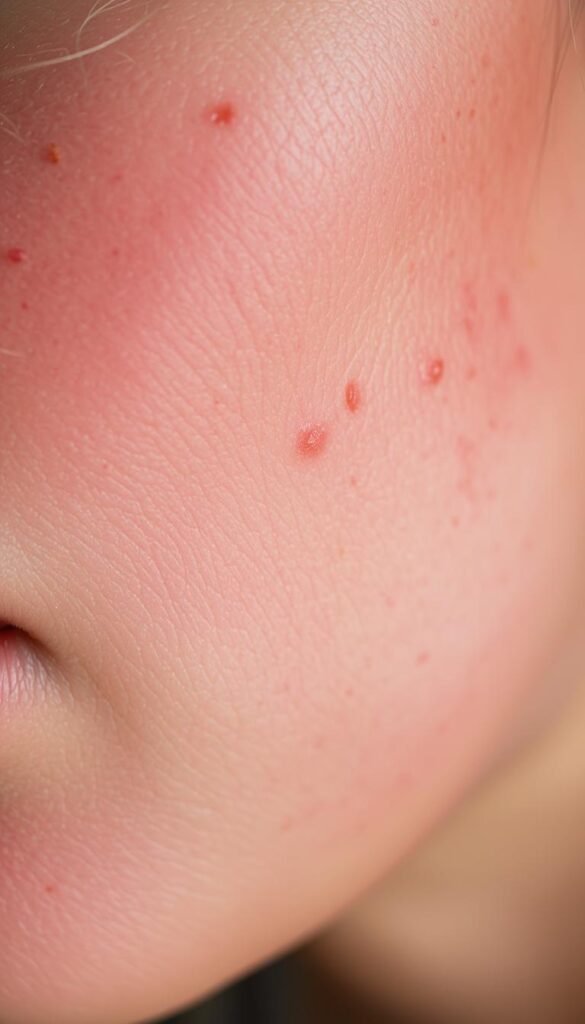
Confidence in my multi-step regimen shattered one evening. A simple mix-up—retinol layered over chemical exfoliants—left my face raw and flaking. The mirror reflected what experts call a compromised moisture barrier, a consequence of relentless scrubs and acids.
Research revealed a startling truth: many skincare enthusiasts unknowingly repeat this pattern. The pursuit of smoothness often overshadows skin’s need for balance. My recovery taught me that healing requires patience, not potency.
Key Takeaways
- Over-cleansing and excessive acids can weaken skin’s protective layer
- Barrier damage often appears as redness, tightness, or sudden sensitivity
- Recovery focuses on gentle hydration and ceramide-rich products
- Weekly exfoliation proves more effective than daily scrubbing
- Listening to your complexion prevents long-term damage
This experience transformed my approach to self-care. What began as a beauty mishap became a lesson in respecting skin’s natural resilience. Now, my routine celebrates nourishment over punishment—and the results speak for themselves.
Introduction: How My Skincare Routine Went Wrong
Three years of meticulous planning led me to believe I’d cracked the code to perfect skin. My spreadsheet-tracked regimen alternated acids, retinoids, and antioxidants like clockwork. “Precision prevents problems,” I’d tell friends while explaining my product rotation strategy.
My Initial Skincare Approach and Expectations
Weekdays followed strict rules: Mondays for chemical exfoliation, Wednesdays for retinol, Fridays for vitamin C serums. This dance between active ingredients felt scientific—a calculated way to avoid overwhelming facial cells. Research papers and beauty forums shaped my belief that consistency breeds results.
The mirror seemed to agree initially. Temporary glow after each treatment fueled my conviction. Yet beneath the surface, invisible changes were brewing—changes no spreadsheet could predict.
The Moment Everything Changed
Exhaustion paved the way for disaster. After removing a weekly peel, sleep-deprived hands reached for what I thought was moisturizer. Morning light revealed the truth: retinol cream had sealed acid-treated skin beneath it. Flakes resembling cracked desert earth stared back from my reflection.
| Aspect | Initial Approach | Ideal Practice |
|---|---|---|
| Exfoliation Frequency | 3x weekly | 1x weekly |
| Active Ingredients | Layered separately | Paired with hydrators |
| Moisturizing | Lightweight formulas | Ceramide-rich creams |
Dermatologist Dr. Lisa Yang later explained: “Skin needs recovery days like muscles need rest.” My rigid schedule had ignored this biological truth, prioritizing product variety over cellular healing.
I Was Over-Exfoliating for Years—This Barrier Repair Skin Care Saved My Face
Looking back, the clues were there long before the crisis. A persistent tightness after cleansing. Sudden reactions to familiar products. What once felt like progress—that polished, glass-like texture—slowly revealed itself as a cry for help.
How I Discovered the Damage
Online forums became my wake-up call. Scrolling through Reddit threads, countless stories mirrored mine: enthusiasts chasing smoothness only to face redness and dry skin. Dermatologist surveys confirmed it—75% of practitioners regularly treat barrier impairment from excessive scrubbing.
Dr. Marie Hayag’s observation hit hardest: “Many confuse waxy surfaces with radiance. True health shows through suppleness, not tension.” My reflection suddenly made sense—the shiny finish wasn’t glow, but a fragile shield struggling to retain moisture.
| Perceived Benefit | Actual Condition | Key Difference |
|---|---|---|
| Smooth texture | Thinned protective layer | Lack of natural oils |
| Reduced oiliness | Dehydration | Water loss > oil production |
| Instant brightness | Inflammation | Blood flow vs. irritation |
Three critical realizations emerged. First, damage accumulates silently—my nightly acids had eroded resilience over months. Second, communities overflow with similar struggles, proving this isn’t personal failure. Finally, true healing begins when we trade aggression for attentive care.
Swapping exfoliants for ceramide serums marked my turning point. Within weeks, that dreaded tightness faded. Skin began functioning properly again—self-regulating, defending, thriving. The journey taught me to celebrate subtle cues over dramatic transformations.
Understanding Exfoliation and Its Benefits
Proper exfoliation walks a tightrope between transformation and trauma. This process works like nature’s edit button—removing dullness while sparking renewal. When balanced, it reveals skin’s inherent vitality without stripping essential defenses.
What Exfoliation Does for the Skin
Our outer layer sheds dead skin cells naturally every 30 days. Exfoliation accelerates this cycle, clearing debris that dulls texture. Chemical options like glycolic acid dissolve bonds between cells, while physical scrubs manually lift buildup.
Effective application lets serums penetrate deeper. Research shows gentle removal of dead skin increases hydration absorption by 70%. This process also stimulates collagen—key for maintaining elasticity and preventing wrinkles.
Exfoliation Methods: Physical Versus Chemical
Bristle brushes and grainy scrubs dominated my early routine. Yet harsh rubbing often caused micro-tears. Switching to AHAs and BHAs brought precision—salicylic acid cleared pores without abrasion.
Dermatologist Dr. Ranella Hirsch explains: “Chemical exfoliants offer controlled shedding. They adapt to skin’s pH, minimizing irritation risks.” This approach maintains the protective layer while promoting cell turnover.
Recognizing the Signs of Over-Exfoliation
Skin communicates distress through visible cues we often misinterpret. What begins as temporary tightness can spiral into chronic sensitivity when ignored. Learning these signals transformed how I approach product choices and treatment frequency.

Redness, Dryness, and Irritation
Persistent redness differs from temporary flushing. Mine lingered for days, resembling sunburn without heat exposure. Paired with dry skin that resisted moisturizers, it revealed compromised defenses.
Flaking occurred despite regular hydration—a paradox explained by dermatologists. “Over-stripped cells can’t retain moisture,” one expert noted. The solution? Fewer scrubs and more lipid-rich formulas to rebuild resilience.
Clogged Pores and Breakouts
Paradoxically, excessive exfoliation triggers acne. Without its protective layer, skin overproduces oil to compensate. This creates a breeding ground for bacteria while pores struggle to self-regulate.
I learned the hard way: that “glow” post-scrub was actually inflammation. True balance comes from respecting the skin natural renewal cycle rather than forcing it. Now, gentle enzymes replace harsh acids in my routine.
My Personal Journey to Recovering a Healthy Skin Barrier
Healing began when gentle products started stinging. What once felt soothing now burned—a clear sign my defenses had crumbled. The path to restoration required unlearning everything I thought I knew about glowing complexions.

The wake-up call from my skin
Desert-like tightness persisted despite religious moisturizing. Flakes appeared midday, mocking my hydration efforts. A dermatologist’s diagnosis cut deep: “You’ve essentially scrubbed away your natural barrier.”
Cold-turkey elimination became crucial. Out went retinols, acids, even foaming cleansers. For seven days, only three items touched my face: micellar water, ceramide serum, and a rich cream. The initial purge felt like failure—until suppleness slowly returned.
Lessons learned from dermatologists and experts
Dr. Hayag’s advice reshaped my perspective: “Damaged skin needs scaffolding, not stimulation.” Ceramides became my bricks, fatty acids the mortar. This biological blueprint taught me true repair requires mimicking the skin barrier’s natural architecture.
Three revelations guided my recovery:
- Foam-free cleansers preserve essential lipids
- Humectants work best when layered under occlusives
- Silk pillowcases reduce friction during healing
Patience proved more potent than any acid. Where weekly peels once ruled, moon cycles became my new metric. True radiance emerged not from force, but from nurturing the barrier’s innate wisdom.
Essential Barrier Repair Ingredients and Products
Rebuilding compromised defenses requires strategic ingredient selection. Three components emerged as non-negotiable allies during rehabilitation—each addressing specific weaknesses while working synergistically.

The Powerhouse Trio: Moisture & Resilience
Hyaluronic acid proved vital for reversing dehydration. This moisture magnet binds water molecules like molecular Velcro, creating lasting hydration without greasiness. Layered under richer formulas, it became my daily moisture foundation.
Ceramides delivered transformative results by mimicking natural lipids. These waxy substances act as cellular mortar, sealing gaps in protective layers. Regular use restored suppleness better than any temporary plumping serum.
Peptides offered unexpected benefits beyond collagen support. Their anti-inflammatory properties calmed residual redness while accelerating healing. Dermatologist Dr. Whitney Bowe confirms: “These amino acids signal skin to repair itself—nature’s reset button.”
Curated Solutions for Lasting Recovery
Product selection became mission-critical. The CeraVe Hydrating Cleanser set the standard—its ceramide-infused formula cleansed without stripping essential oils. Morning routines began with this milky solution, leaving skin prepped for treatment layers.
EltaMD Skin Recovery Serum addressed multiple concerns simultaneously. Tiger grass extract reduced visible irritation while vitamin B5 reinforced moisture retention. Nightly application created visible improvements in texture within 14 days.
| Product | Key Ingredients | Primary Benefit |
|---|---|---|
| SkinFix Cream | Ceramides + Peptides | Triple lipid restoration |
| Weleda Skin Food | Plant Oils + Beeswax | Occlusive protection |
| Aquaphor Ointment | Petrolatum + Glycerin | Moisture barrier lock |
These formulas taught me that true nourishment comes from respecting biological processes. By combining science-backed ingredients with disciplined application, resilience became my complexion’s new normal.
Developing a Healing and Balanced Skincare Routine
The path to recovery began with simplifying my approach. Stripping back to essentials allowed natural processes to reset—a revelation after years of complex regimens. Gentle consistency became my new mantra.
Steps to Allow Recovery
First, cleansers switched to milky formulas without sulfates. Morning and night, these preserved essential lipids while removing impurities. Next came hydrating serums with hyaluronic acid, applied to damp skin for maximum absorption.
Dermatologist Dr. Ferzli’s advice changed everything: “Slather moisturizer like cupcake icing—generous layers let moisture penetrate deeply.” Evening routines ended with occlusive balms, creating a protective seal against environmental stressors.
Key phases in the routine:
- 7-day pause on active ingredients
- Twice-daily application of ceramide-rich creams
- Weekly assessments of texture changes
This structured yet flexible approach transformed tightness into suppleness. Within days, the skin began self-regulating again. True resilience emerged not from force, but from honoring biological rhythms.