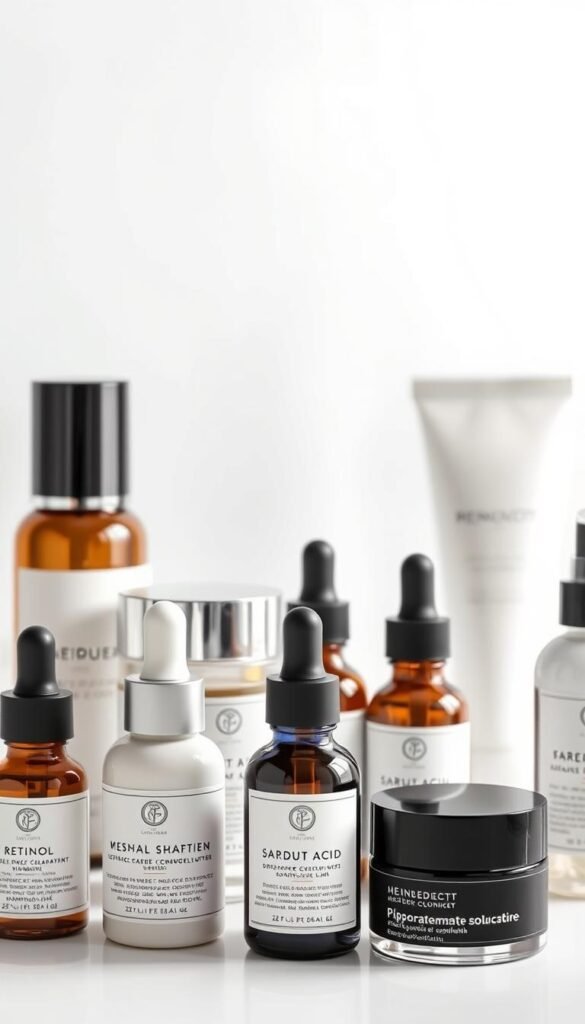
“The beauty of a woman is not in a facial mode but the true beauty in a woman is reflected in her soul.” – Audrey Hepburn’s timeless words remind us that confidence begins within, yet caring for our skin remains a powerful form of self-respect. As we age, fine lines naturally emerge like delicate brushstrokes on a canvas, telling stories of laughter, wisdom, and life lived fully.
This Website contains affiliate links. That means I may earn a small commission if you purchase through my links, at no extra cost to you.
Your body evolves constantly, and changes in your face reflect this journey. Over 50 million Americans explore ways to maintain their skin’s vitality each year, fueling a $50 billion industry. But knowledge is your greatest ally—understanding why these changes occur helps you make smarter choices.
In this guide, I’ll break down the science behind skin maturation and share practical strategies to address visible signs of aging. You’ll learn how collagen depletion, sun exposure, and lifestyle habits influence your appearance. More importantly, we’ll explore solutions that align with your unique needs—because effective care isn’t one-size-fits-all.
Key Takeaways
Skin changes are a natural part of the aging process, influenced by both genetics and lifestyle
Over 50% of U.S. adults actively seek solutions to maintain a youthful appearance
Effective strategies combine science-backed treatments with daily skincare habits
Prevention starts with understanding your skin’s unique biology and needs
Professional guidance can enhance at-home care for better long-term results
Understanding Facial Wrinkles: Causes and Characteristics
As we journey through life, our skin tells a story with every line and crease. These visible markers often appear first in areas where we express emotions—like around the eyes when smiling or between the brows when concentrating. Let’s explore what creates these changes and how they evolve.
Visual Signs of Maturity
Fine lines often start as temporary marks that vanish when your face relaxes. Over time, they deepen into permanent grooves. Three common patterns emerge:
Dynamic lines: Appear during movements like squinting or laughing
Static creases: Remain visible even at rest
Folds: Develop where skin loses firmness, like along the jawline
Collagen’s Crucial Role
Your body’s natural collagen acts like scaffolding beneath the surface. This protein keeps skin plump and springy—imagine a balloon slowly losing air. After age 30, production drops by about 1% yearly. Without enough collagen, the top layer thins while the deeper layer weakens.
Sun exposure and repetitive motions accelerate this process. The result? Lines become etched where your skin bends most. While genetics set the stage, daily habits determine how quickly these changes become part of your appearance.
Key Causes Behind Facial Wrinkles
Our body’s natural rhythms shape how we wear life’s experiences. While some marks of time tell cherished stories, others reflect biological shifts we can influence. Let’s explore why these changes occur beneath the surface.
Aging and Reduced Skin Cell Production
Your skin renews itself slower as years pass. After 25, cell turnover drops by nearly 30%, making the top layer thinner. The dermis—your skin’s support structure—loses 1% of its collagen yearly.
This creates a perfect storm:
Weakened elastin fibers struggle to snap back
Thinning layers become more transparent
Natural oils diminish, leading to dryness
Environmental Factors and Lifestyle Impacts
City air carries invisible threats. Microscopic pollutants like nitrogen dioxide penetrate pores, triggering collagen breakdown. A 2022 UCLA study found urban dwellers develop wrinkles 22% faster than rural populations.
Internal Factors
External Factors
Slowed cell renewal
Air pollution
Collagen loss
UV exposure
Genetic predisposition
Smoking/alcohol
Daily habits matter more than you think. Squinting at screens creates “tech neck” lines, while chronic dehydration starves cells of repair materials. “The face you have at 40 reflects the care you took at 20,” notes dermatologist Dr. Lisa Chen.
Your choices today determine how gracefully your skin weathers time. Small changes—like drinking more water or using antioxidant serums—can reset your biological clock.
The Impact of Sun Damage and External Stressors
Imagine your skin as a delicate fabric—sunlight acts like bleach, slowly weakening its threads. UV radiation accounts for 80% of visible aging signs, according to Yale School of Medicine research. Let’s explore how daily environmental challenges reshape your skin’s architecture.
UV Exposure and Its Effects on Skin
Sunlight’s UVA rays penetrate deep into your skin layers, breaking down collagen like termites gnawing at wood. This triggers a flawed repair process: your body releases metalloproteinase enzymes to fix damage, but they often destroy healthy fibers instead. Over time, this creates solar elastosis—thickened, leathery patches that resist smoothing.
Three sun-related changes accelerate aging:
DNA mutations in skin cells
Formation of free radicals that attack proteins
Disruption of natural moisture barriers
Pollutants, Smoking, and Other Contributing Factors
Cigarette smoke delivers a one-two punch: it starves skin of oxygen while slashing collagen production by 40%. A Johns Hopkins study found smokers develop vertical lip lines 5 years earlier than non-smokers. Urban pollution adds fuel to the fire—microscopic particles cling to your face, generating inflammation.
Common environmental aggressors include:
Vehicle exhaust particles
Indoor heating/cooling systems
Blue light from screens
“Your skin remembers every sunset and smoke break,” warns dermatologist Dr. Alicia Patel. Combining SPF 30+ with antioxidant serums creates a shield against these cumulative assaults. Remember—protection today prevents regrets tomorrow.
Effective Treatments for Facial Wrinkles
Modern science offers multiple paths to address skin changes. Over 4 million Americans chose minimally invasive procedures in 2020 alone. Let’s explore options that range from daily creams to clinic visits.
Vitamin A Powerhouses
Retinoids like retinol and tretinoin work like cellular trainers. These vitamin A derivatives dive deep into your skin layers, kickstarting collagen production. Studies show they can reduce lines by 40% with consistent use.
Start with lower concentrations to avoid irritation. Nightly application yields best results—pair with SPF 30+ sunscreen for daytime protection.
Professional-Grade Solutions
For deeper concerns, clinic treatments offer targeted solutions. Chemical peels come in three strengths:
Laser treatments come in two forms. Ablative lasers remove outer layers for dramatic change. Non-ablative options stimulate collagen with less downtime. “Choose based on your recovery capacity,” advises dermatologist Dr. Emily Torres.
Injectable options like Botox temporarily soften expression lines. These quick procedures take minutes but require repeat sessions. Always consult licensed professionals for optimal results tailored to your skin type.
Lifestyle Strategies to Prevent and Reduce Wrinkle Formation
Time leaves its mark, but smart habits can slow the clock. Your daily choices act as invisible armor against premature aging. Let’s explore practical methods to nurture your skin while honoring your body’s natural rhythms.
Daily Skincare and Protective Measures
Sun protection remains your first defense. Apply broad-spectrum SPF 30+ every morning—even on cloudy days. Reapply every two hours when outdoors. Wide-brimmed hats and UV-blocking sunglasses offer extra shields against harmful rays.
Moisturizers work like internal hydration boosters. Look for formulas with hyaluronic acid or ceramides. These ingredients reinforce your skin’s moisture barrier, preventing dryness that accelerates the aging process.
Diet, Hydration, and Habits to Maintain Skin Elasticity
What you eat directly impacts your appearance. Berries, leafy greens, and fatty fish deliver antioxidants that combat cellular damage. Limit sugar intake—it creates harmful compounds called AGEs that degrade collagen.
“Every cigarette steals oxygen from your cells,” explains nutritionist Dr. Rachel Kim. Quitting smoking improves blood flow within weeks, helping your body repair itself. Pair this change with seven hours of sleep nightly—your prime recovery time.
FAQ
How do I recognize early signs of aging on my skin?
Early signs often include fine lines around the eyes (crow’s feet), forehead creases, or shallow folds near the cheeks. These deepen over time due to collagen loss and repeated muscle movements like squinting or smiling.
Why does collagen matter for keeping my skin smooth?
Collagen provides structure and elasticity. As I age, my body produces less of it, leading to thinner skin and more visible creases. Environmental stressors like UV rays break it down faster, accelerating sagging.
Can lifestyle choices really affect how quickly I develop lines?
Absolutely. Smoking reduces blood flow, dehydrating skin. Lack of sleep or a poor diet lacking antioxidants weakens repair processes. Sunbathing without SPF? That’s a fast track to leathery texture and deeper folds.
What’s the best way to shield my skin from sun damage?
I use broad-spectrum sunscreen daily (SPF 30+), even on cloudy days. Reapply every two hours outdoors. Wide-brimmed hats and UV-blocking sunglasses help protect delicate areas like the eyelids and neck.
Do retinoids work for minimizing existing creases?
Yes! Prescription retinoids like tretinoin boost cell turnover and collagen production. Over-the-counter retinol options, like Neutrogena Rapid Wrinkle Repair, are gentler but require consistent use for visible results.
Are procedures like Botox or laser resurfacing worth the cost?
It depends on your goals. Botox relaxes muscles causing dynamic lines (e.g., frown lines). Laser treatments, such as Fraxel, target sun spots and texture. I’ve seen smoother results, but downtime and expense vary.
How can I maintain elasticity through daily habits?
Hydrate with water-rich foods (cucumbers, berries) and use hyaluronic acid serums. Avoid excessive sugar, which harms collagen. Gentle cleansers, like CeraVe, and avoiding harsh scrubs also preserve your skin’s barrier.