“Beauty begins the moment you decide to be yourself,” Coco Chanel once said. This philosophy is at the heart of creating a radiant complexion that works with your natural texture, not against it. If you’ve ever struggled with uneven application or products that emphasize texture, you’re not alone—traditional methods often overlook the unique needs of delicate complexions.
This Website contains affiliate links. That means I may earn a small commission if you purchase through my links, at no extra cost to you.
Through years of experimenting, I’ve learned that achieving a seamless finish starts long before picking up a brush. It’s about understanding how to nurture your face’s moisture balance while enhancing its natural glow. This guide isn’t just about covering imperfections—it’s a roadmap to embracing what makes your features uniquely beautiful.
I’ll share why generic routines fail many and how small tweaks can make all the difference. From selecting formulas that melt into your face to mastering application that feels effortless, every step prioritizes hydration and care. Let’s redefine what it means to create a look that lasts—without compromise.
Key Takeaways
Traditional techniques often worsen texture on delicate complexions
Product formulas matter more than application tools
Hydration should guide every step of your routine
Gentle blending creates natural-looking results
Prep work determines long-lasting wear
Introduction: Understanding Makeup for Dry Skin
Working with delicate textures taught me that true radiance begins beneath the surface. Our faces reflect everything from weather changes to product choices, requiring strategies beyond standard beauty advice.
Building Your Canvas: The Prep Work Difference
Gentle cleansing removes flakes without stripping moisture. I look for formulas with ceramides or hyaluronic acid—they cleanse while reinforcing your moisture barrier. Three non-negotiable steps after washing:
Pat (never rub) with a microfiber towel
Apply essence on damp skin
Lock in hydration with a cream-to-oil product
Transforming Texture Challenges
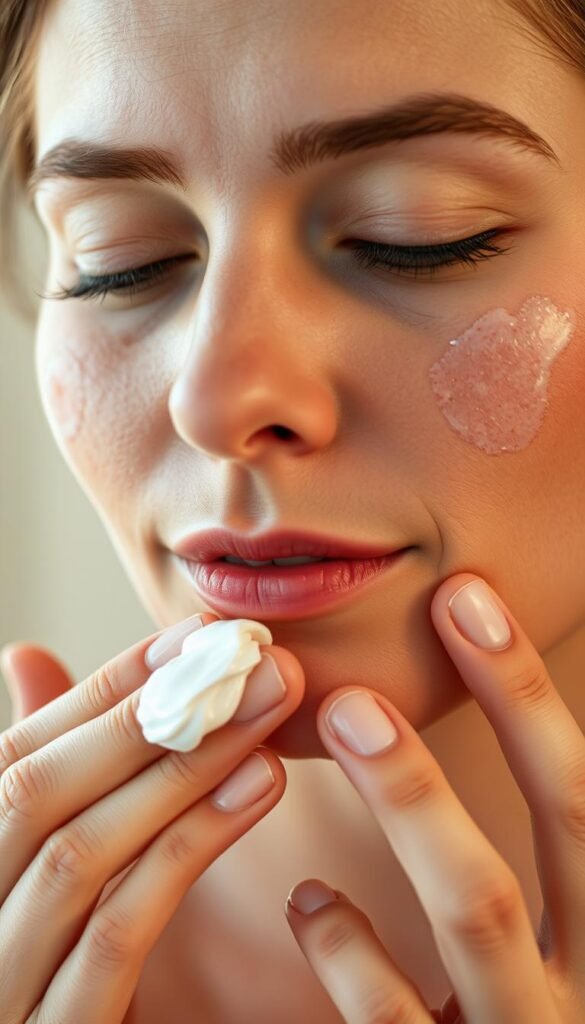
Flakiness often comes from conflicting routines. Harsh exfoliants or retinoids might be worsening what you’re trying to fix. Instead, try a konjac sponge twice weekly—it buffs gently while distributing natural oils.
Myth buster: Layering multiple thick products creates a slick surface. Use thin, water-based layers that penetrate rather than sit on top. This approach prevents the “crusty” effect some experience with traditional methods.
Step-by-Step Dry Skin Makeup Tutorial
Mastering the art of flawless coverage begins with strategic preparation. I’ve discovered that addressing texture concerns before reaching for cosmetics creates lasting results. Let’s explore the two-phase process that changed my approach to enhancing natural beauty.
Exfoliating and Hydrating: My Essential Routine
Chemical exfoliants became my game-changer. The L’Oréal Paris RevitaLift Glycolic Acid Toner gently dissolves dead skin cells while aloe vera soothes. Apply it with a cotton pad using upward sweeps – never scrub. Wait 90 seconds before moving to hydration.
Layering is crucial but requires finesse. I start with their Hyaluronic Acid Serum pressed into damp cheeks. Follow with the Micro Hyaluronic Acid Water Cream – its ceramides reinforce moisture barriers. Here’s my absorption timeline:
Product
Wait Time
Visual Cue
Exfoliating Toner
1-2 minutes
Dewy sheen appears
Hyaluronic Serum
45 seconds
Surface feels tacky
Water Cream
3 minutes
No visible residue
Creating a Smooth Base with Hydrating Primers
The L’Oréal Age Perfect Blurring Primer bridges skincare and foundation. Its whipped texture fills fine lines without settling. I warm a pea-sized amount between fingers before pressing it into high-texture areas.
Pro tip: Test primer readiness by touching your forehead. If it feels supple but not slick, you’re primed. Avoid matte formulas – they create a parched canvas. This hydrating layer helps foundation melt into your complexion rather than sit on top.
Choosing the Best Makeup Products for Dry Skin
What separates a good cosmetic from a great one? It’s not just pigment quality—it’s how ingredients interact with your natural texture. Through countless product tests, I’ve identified formulas that enhance delicate complexions rather than fight them.
Hydrating Formulas to Nourish and Protect
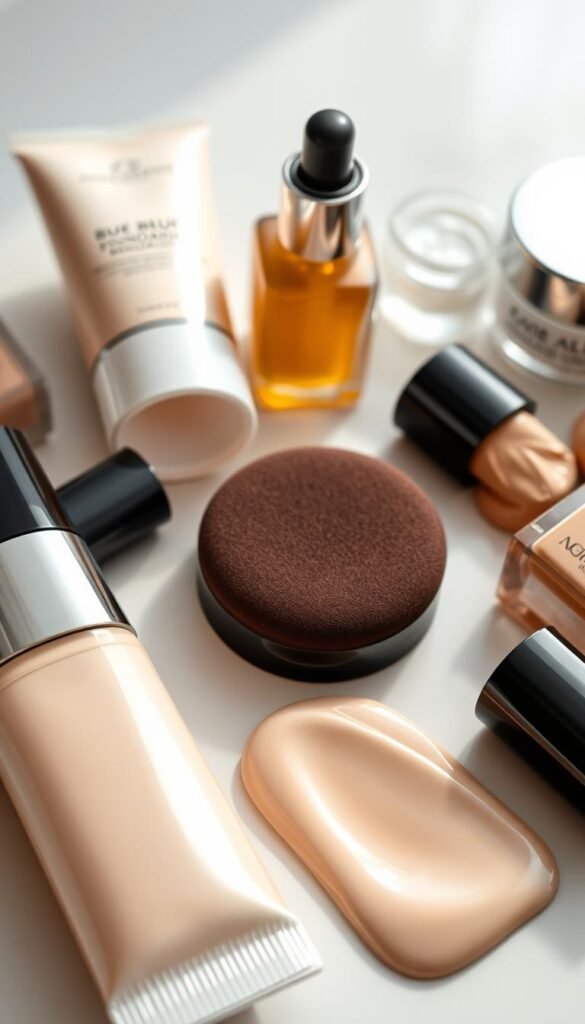
The L’Oréal Paris True Match Super-Blendable Foundation remains my top pick. Its glycerin-rich formula creates a natural finish that mimics healthy radiance. For those preferring cream textures, the Age Perfect 4-in-1 Tinted Face Balm melts like skincare while offering buildable coverage.
Key features of ideal products:
Water-based or oil-infused textures
Satin or dewy finishes
Hyaluronic acid or ceramides in ingredients
Products to Avoid: Matte and Cakey Options
Matte foundations often contain alcohol derivatives that highlight uneven texture. Powder blushes can settle into fine lines, creating a patchy appearance. Instead, try L’Oréal’s Lumi Le Liquid Blush—its weightless formula blends seamlessly without emphasizing dryness.
When shopping, check labels for these red flags:
“Oil-absorbing” or “long-wear matte” claims
Talcs listed in top ingredients
Thick, mousse-like consistencies
Effective Application Techniques for Dry Patches
Perfecting your technique transforms how products interact with delicate complexions. The right tools and motions help cosmetics enhance rather than mask your natural beauty.
Using Damp Sponges for a Seamless Finish
A moist beauty sponge became my secret weapon. Squeeze it under running water until fully expanded, then press out excess moisture. The ideal dampness leaves a faint water trail when rolled across your wrist.
Dip the rounded side into foundation and press—don’t swipe—onto cheeks. Roll the sponge outward in semicircles to blend edges. This motion deposits pigment without disturbing flaky areas.
For stubborn texture, try a makeup artist hack: gently pat clean Scotch tape on problem zones before applying products. The adhesive lifts loose flakes instantly, creating a smoother surface.
Build coverage gradually. Let each layer set for 30 seconds before adding more. If patches appear, mist the sponge with thermal water and re-press the area. This reactivates formulas for seamless blending.
Remember: hydrated tools prevent product absorption. Store your sponge in a sealed container with a damp paper towel between uses to maintain perfect moisture levels.
Enhancing and Setting Your Flawless Look
The final act of creating lasting radiance lies in strategic enhancement. I’ve found that liquid and cream textures work like watercolors for delicate complexions – they add depth without compromising hydration.
Accentuating with Cream Blush, Liquid Highlighters, and Dewy Setting Sprays
For natural flush, warm the L’Oréal Paris Lumi Le Liquid Blush between your fingers before dabbing it onto cheek apples. Blend outward using circular pats – this mimics blood flow beneath the surface. The formula’s hyaluronic acid keeps your finish supple for hours.
Highlighters should melt, not glitter. I layer the True Match Lumi Glotion under foundation on collarbones, then tap a tiny amount on brow bones after setting. Its shea butter base prevents midday fading.
Product
Best For
Wear Time
Infallible 3-Second Mist
Urban environments
18-24 hours
GlamGlow GlowSetter
Special events
12-16 hours
Lumi Le Blush
Daily wear
8-10 hours
Adding a Radiant Glow: Tips from Makeup Experts
Celebrity artist Jordan Liberty recommends spraying thermal water on brushes before applying cream products: “It reactivates skincare ingredients for second-skin adhesion.”
When touching up, press – don’t swipe – a damp sponge over areas needing refreshment. Follow with a single drop of facial oil mixed with setting spray on palms. Pat gently to revive your soft glow without cakiness.
For evening events, apply highlighter in three light layers instead of one heavy coat. This builds luminosity that photographs beautifully under any lighting while maintaining your skin’s comfort.
Conclusion
Creating beauty that lasts starts with respecting your natural canvas. Through thoughtful preparation and product harmony, delicate complexions transform into radiant masterpieces. Remember: hydration-first strategies lay the groundwork, while flexible formulas adapt to your unique texture.
Patience proves essential when working with sensitive types. Pressing motions preserve moisture barriers better than swiping, and water-based products melt into thirsty areas effortlessly. My L’Oréal Hyaluronic Acid Serum remains a game-changer – its lightweight layers build resilience without overwhelming pores.
Embrace experimentation as you refine your approach. Track how different cream textures interact with your morning routine, adjusting application pressure based on daily needs. True artistry emerges when techniques evolve alongside your changing requirements.
Your complexion isn’t a problem to fix – it’s the foundation for innovative expression. With these principles, you’ll craft looks celebrating natural luminosity while nurturing comfort. Radiant results await those who partner with their skin’s wisdom rather than fighting its truths.
FAQ
How do I prep my face before applying products?
I start with gentle exfoliation to remove dead cells, then layer a hyaluronic acid serum followed by a rich moisturizer. Letting it absorb fully ensures a smooth base for primers.
What formulas work best for avoiding flaky texture?
Cream-based or liquid options with a dewy finish are my go-to. Brands like Fenty Beauty Eaze Drop or NARS Light Reflecting Foundation blend seamlessly without clinging to rough spots.
Can I still use powder without emphasizing patches?
Yes, but sparingly! I press a tiny amount of finely-milled setting powder only on areas that tend to crease. Avoid buffing motions—patting keeps the hydrated look intact.
How do I handle midday touch-ups without cakiness?
I carry a hydrating mist like MAC Fix+ to refresh. For shine control, blotting papers remove excess oil while preserving that soft glow. Reapply cream blush if needed for vibrancy.
Are matte lipsticks off-limits for parched complexions?
Not necessarily! Prep lips with a balm first, then opt for satin or liquid formulas with nourishing oils. Pat lightly with a finger to blur lines and prevent feathering.
Why does my foundation sometimes pill during application?
This often happens when skincare layers aren’t fully absorbed. Wait 5–7 minutes after moisturizing, and use primers with similar bases (water vs. silicone) as your foundation to avoid separation.