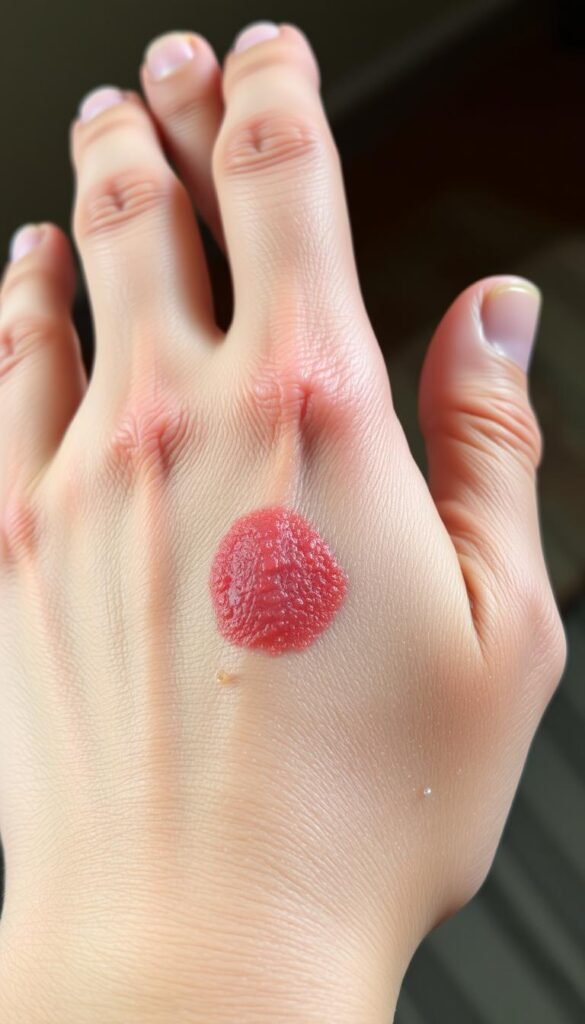
Audrey Hepburn once remarked, “The beauty of a woman is not in facial mode but the true beauty in a woman is reflected in her soul.” While inner radiance matters, I learned firsthand how discomfort from persistent roughness and tightness could dim even the brightest spirit. For years, I battled patches that felt like parchment paper – until I discovered a method that restored both my confidence and my skin’s vitality.
This Website contains affiliate links. That means I may earn a small commission if you purchase through my links, at no extra cost to you.
Xeroderma, as dermatologists call it, isn’t just about appearance. That sandpaper texture? It’s your body’s largest organ crying for help. My wake-up call came when scratching left visible marks, making me realize this wasn’t a phase – it was a barrier to living fully.
Through trial and error, I cracked the code: lasting relief comes from layered solutions. Hydration starts internally but needs external reinforcement. Weatherproofing your routine matters as much as choosing the right moisturizer. I’ll walk you through the exact combination that worked when nothing else did – no magic potions, just smart science.
Key Takeaways
Xeroderma affects nearly 60% of adults over 60 but can strike at any age
Effective management combines hydration, barrier protection, and trigger avoidance
Consistent routines outperform quick fixes – skin renews every 28 days
Common irritants lurk in unexpected places like laundry detergents and hard water
Affordable drugstore products often rival luxury brands when used strategically
Understanding Dry Skin: Causes and What I Learned
My journey began with a hard truth: effective solutions require knowing why roughness occurs. Through research and consultations, I mapped three primary culprits – environmental assaults, biological shifts, and hidden health connections.
Weather Wars and Daily Habits
Cold months became my nemesis. Indoor heating and outdoor winds created a moisture-sucking combo. I tracked how humidity levels below 40% made my face feel like cracked clay. Three lifestyle mistakes worsened the problem:
Steamy showers that felt heavenly but damaged protective barriers
Antibacterial soaps stripping essential lipids
Wool sweaters causing friction during workouts
Hidden Health Connections
A family history of thyroid issues explained my stubborn elbow patches. My dermatologist noted:
“When body systems misfire, your largest organ shows distress first.”
This revelation made me:
Request thyroid function tests
Switch fragrance-free detergents
Monitor hydration alongside blood sugar levels
Seasonal changes now trigger proactive measures – humidifiers hum in November, and I layer ceramide creams before frost warnings. Understanding these factors transformed my approach from reactive fixes to strategic prevention.
My Personal Journey: Recognizing the Signs of Dry Skin
I didn’t realize my body’s largest organ was signaling distress until subtle changes escalated into relentless discomfort. At first, I blamed seasonal shifts for the tightness gripping my arms after showers. But when scratching left red trails on my shins during meetings, I knew this wasn’t ordinary irritation.
Early Symptoms I Noticed
The first clues appeared as fleeting sensations. A prickly feeling across my knuckles after washing dishes. Rough patches on my calves resembling fish scales. My dermatologist later explained: “Persistent tightness means your barrier is compromised – it’s not just surface-level dryness.”
Within weeks, occasional itching morphed into nighttime torment. I’d wake with crescent-shaped marks from subconscious scratching. Flakes dusted my office chair like powdered sugar, making me dread dark fabrics. The turning point came when cracks near my ankles wept slightly – proof my defenses had crumbled.
Identifying the Triggers in My Daily Life
Tracking flare-ups revealed surprising patterns. My favorite citrus-scented hand soap caused redness within hours. Nickel jewelry left wrist rashes resembling eczema. Even “gentle” laundry pods triggered chest bumps. Through elimination, I discovered:
Hard water amplified roughness on my limbs
Stress intensified itching cycles
Synthetic fabrics trapped irritants against sensitive areas
Armed with this knowledge, I began shielding myself proactively. Fragrance-free became my mantra, and cotton layers replaced wool blends. Understanding these connections transformed random reactions into manageable challenges.
Managing dry Skin with Simple Lifestyle Changes
Transforming my daily habits became the cornerstone of lasting relief. Small adjustments to hydration and environment created a ripple effect – sometimes the simplest solutions yield the most dramatic improvements.
Hydration and Dietary Adjustments
Water became my first defense. I carried a reusable bottle everywhere, aiming for eight glasses daily. But internal hydration needs allies. My nutritionist emphasized: “Foods with vitamins A and E act like moisture magnets.”
I swapped afternoon chips for cucumber slices and watermelon. Salmon dinners replaced red meat twice weekly, boosting omega-3 intake. Avocado toast turned into a breakfast staple – its healthy fats helped reinforce my barrier from within.
Modifying Bathing Habits and Home Environment
My beloved hour-long showers had to go. Switching to lukewarm, ten-minute rinses every other day felt drastic initially. Within weeks, the tightness across my shoulders eased. I learned to pat gently with cotton towels instead of rubbing – preserving every drop of moisture.
A humidifier revolutionized my bedroom air quality. Combined with fragrance-free laundry detergent, it reduced nighttime itching. I also discovered that closing bathroom doors during showers traps humidity, creating a mini spa effect.
These tweaks required patience but delivered compounding benefits. Now, I time moisturizer application within three minutes of bathing – when pores best absorb hydration. It’s proof that smart routines trump drastic overhauls.
Effective Home Treatments and Remedies
Discovering solutions that worked felt like solving a complex puzzle – each piece needed precise placement. Through months of experimentation, I identified key strategies that transformed my approach to care without expensive treatments.
Choosing the Right Moisturizers
My dermatologist shared a golden rule: “Occlusives seal, humectants attract, emollients smooth.” This became my framework for selecting products. I created a comparison chart to simplify choices:
Type
Key Ingredients
Best Use Time
Benefits
Barrier Repair
Petroleum jelly, ceramides
Night
Prevents moisture loss
Humectant
Glycerin, hyaluronic acid
Day
Draws water to surface
Natural Oil
Coconut, jojoba
Post-shower
Fast absorption
Anti-inflammatory
Colloidal oatmeal
Flare-ups
Reduces irritation
Three non-negotiable criteria emerged:
Fragrance-free formulas to prevent reactions
Sealant properties for lasting protection
Texture matching my skin’s needs
Practical Bathing and Skincare Routines
I adopted a three-step ritual post-shower:
Pat skin until slightly damp
Apply humectant serum
Lock in with occlusive cream
Oatmeal baths became my secret weapon. Mixing colloidal powder with warm water provided instant calm during rough patches. For maintenance, I use coconut oil as a pre-shower treatment – its fatty acids penetrate deeper when pores are open.
Consistency proved vital. Morning and evening applications, even when not visibly needed, maintained my barrier integrity. As my esthetician noted:
“Skin remembers consistency – treat it like daily dental care.”
Exploring Over-the-Counter and Prescription Options
The moment my sheets started feeling like sandpaper against my legs, I knew my DIY approaches weren’t cutting it. While home remedies provided temporary comfort, persistent flare-ups demanded professional insight. This crossroads taught me how to navigate medical treatments without abandoning proven self-care strategies.
When I Considered Professional Advice
Three sleepless nights from relentless itching pushed me to schedule a dermatology appointment. My doctor identified three forms of dermatitis complicating my situation: contact from fragrance exposure, seborrheic on my scalp, and atopic (eczema) behind my knees. “Each requires distinct approaches,” she explained while sketching a treatment flowchart.
We agreed on a stepped plan:
OTC hydrocortisone for sudden flare-ups (limited to 7-day cycles)
Prescription steroid cream for stubborn elbow patches
Oral antihistamines during pollen season
Comparing Different Treatment Modalities
Understanding treatment tiers became crucial. This comparison chart guided my decisions:
Type
Active Ingredients
Best For
Duration
OTC Creams
1% hydrocortisone
Mild itching
Short-term
Prescription Topicals
Triamcinolone
Inflammation
2-4 weeks
Systemic Meds
Dupilumab
Severe eczema
Ongoing
My dermatologist emphasized: “Potent solutions require precise timing – like using heavier medications before bedtime when absorption peaks.” Through monthly check-ins, we adjusted ratios until my regimen balanced effectiveness with safety.
The Role of Skincare Products I Embraced
Reforming my product cabinet became pivotal in achieving lasting comfort. What I once considered “basic hygiene” turned out to be a minefield of hidden irritants. My breakthrough came when I realized ingredient literacy mattered more than brand prestige.
Gentle Cleansers and Fragrance-Free Formulas
Traditional soap bars vanished from my shower first. Their foamy lathers left my hands feeling like crumpled paper. Switching to cream-based cleansers with oat lipids preserved natural oils while removing impurities. My dermatologist noted: “Many ‘squeaky clean’ sensations signal barrier damage – aim for moisturized comfort instead.”
Nickel allergies emerged as a sneaky culprit. Belt buckles and jewelry left angry rashes mistaken for contact dermatitis. Now, I apply clear nail polish to metal surfaces and choose titanium accessories. For household chores, cotton-lined rubber gloves shield against harsh cleaners that once cracked my knuckles.
Product testing became scientific. I patch-test new items behind my ear for 48 hours, tracking reactions in a dedicated skin care journal. Surprisingly, some “natural” botanical extracts triggered more redness than synthetic alternatives. Fragrance-free labels became non-negotiable – even in laundry detergents and fabric softeners.
Through trial and error, I curated a minimalist routine: pH-balanced cleanser, hyaluronic acid serum, and ceramide cream. This trifecta maintains balance without overwhelming sensitive areas. As my esthetician wisely stated: “When your barrier functions well, everything else follows.”
Diet and Lifestyle Adjustments to Fight Dry Skin
Revamping my plate became my secret weapon against persistent roughness. What I ate directly influenced how my body retained moisture. Strategic food choices paired with smart hydration habits created lasting improvements no cream could match alone.
Nutrient-Rich Foods and Supplements for Skin Health
I discovered certain foods act like internal moisturizers. Vitamin A-packed beef liver accelerated cell renewal, while yellowfin tuna’s selenium shielded against environmental damage. Sweet potatoes became my go-to snack – their vitamin C boosted collagen better than expensive serums.
Three key additions transformed my meals:
Chia seeds stirred into morning oats for omega-3s
Avocado slices at lunch for healthy oil content
Walnuts as afternoon snacks for zinc support
Staying Consistent with Hydration Techniques
Water intake became non-negotiable, but timing mattered. I sip steadily throughout the day rather than chugging gallons at once. Herbal teas count toward my daily goal while providing antioxidants.
I layer hydration methods like skincare – moisture-rich food complements eight glasses of water. Evening primrose oil supplements helped from within, proving that what we consume impacts our outer layer as much as topical treatments.
FAQ
What environmental factors worsened my condition?
Cold weather, low humidity, and indoor heating stripped moisture from my body. I noticed flare-ups during winter or in overly air-conditioned spaces. Using a humidifier helped balance indoor air quality.
How did I identify triggers in my routine?
I tracked reactions after using certain soaps, detergents, or skincare products. Fragrances and alcohol-based formulas caused redness. Switching to hypoallergenic options reduced irritation.
Which dietary changes improved hydration?
Increasing omega-3-rich foods like salmon and walnuts supported my barrier function. I also prioritized water intake and reduced caffeine, which can dehydrate tissues.
Why did I avoid long, hot showers?
Prolonged exposure to steaming water disrupted my natural oils. I switched to lukewarm baths under 10 minutes and applied moisturizer immediately after patting damp areas.
When did I seek medical treatment?
Persistent itching, cracking, or signs of infection (like oozing) prompted me to consult a dermatologist. They prescribed topical steroids for severe eczema patches.
What ingredients do I prioritize in cleansers?
Ceramides, hyaluronic acid, and glycerin became staples. I avoid sulfates and synthetic fragrances, which aggravate sensitivity. Cream-based formulas work better than foaming ones.
How does stress management help?
Anxiety worsened flare-ups. Incorporating mindfulness, adequate sleep, and gentle yoga reduced cortisol levels, which can weaken the skin’s protective layer.
Can clothing choices make a difference?
Yes! Rough fabrics like wool irritated me. I now wear breathable, loose-fitting cotton layers and rinse new clothes before wearing to remove chemical residues.