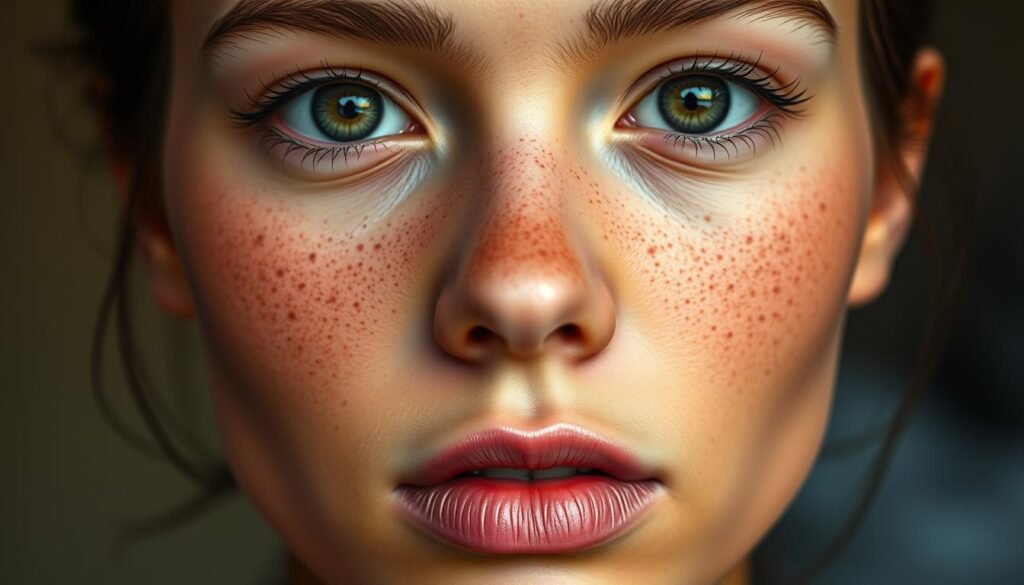
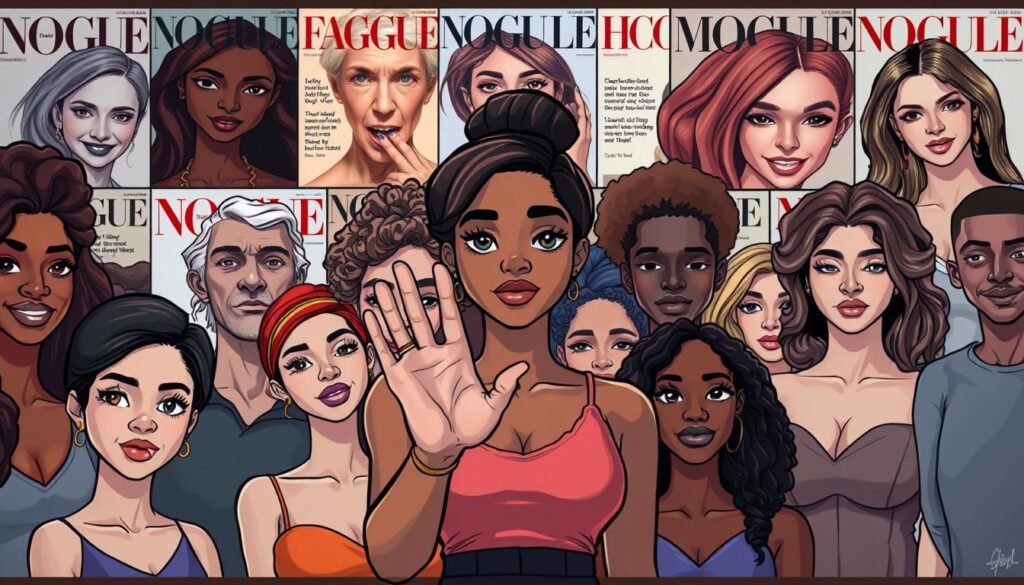
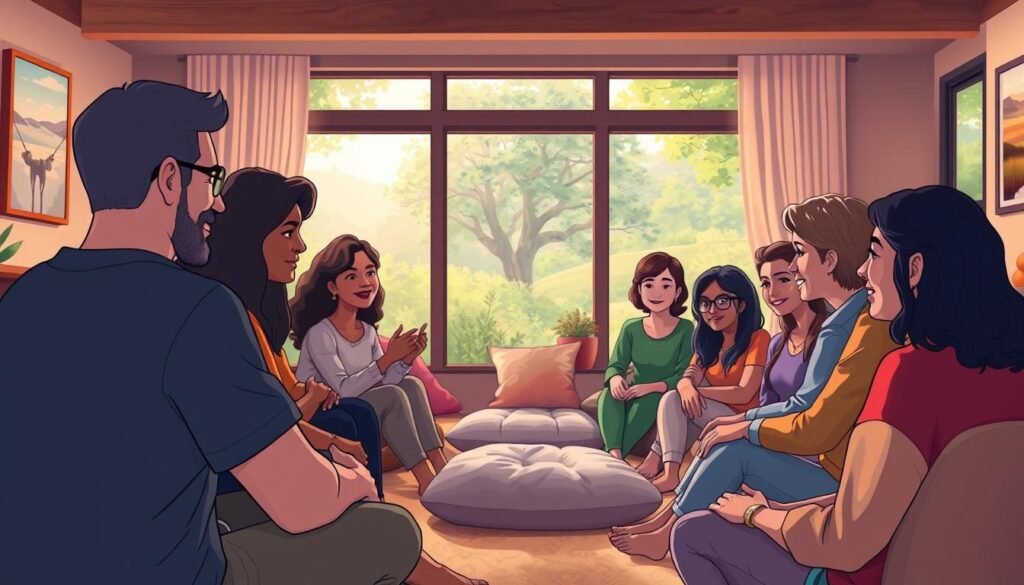
“If you are always trying to be normal, you will never know how amazing you can be.” – Maya Angelou’s words echo through a growing movement reshaping beauty standards. For decades, society equated flawless complexions with worth, but now, millions are rejecting that narrative.
This Website contains affiliate links. That means I may earn a small commission if you purchase through my links, at no extra cost to you.
Research shows over 50 million Americans experience breakouts, yet mainstream media rarely reflects this reality. That’s changing. When activists like Lou Northcote launched campaigns to normalize textured skin in 2018, they sparked a revolution. Today, the #freethepimple hashtag boasts thousands of unfiltered stories—real faces reclaiming their space.
I’ve watched this shift unfold, and it’s not just about skipping concealer. It’s a rebellion against impossible ideals. True confidence isn’t found in hiding behind layers of makeup but in embracing our unique stories. My journey taught me that every blemish carries power—proof of living, healing, and growing.
This cultural reset matters because it’s rewriting rules. Beauty no longer demands perfection. Instead, it celebrates resilience. When we stop apologizing for our skin, we make room for self-love that outshines any filter.
Key Takeaways
Over 50 million Americans experience breakouts, yet representation in media remains limited
Social media movements are challenging outdated beauty standards by celebrating natural skin
Embracing imperfections fosters deeper self-confidence than covering them up
The movement focuses on authenticity rather than achieving “flawless” skin
Cultural shifts in beauty standards reflect growing demand for real human experiences
My Personal Journey with Acne: Embracing Imperfections
At 14, I stared at my reflection, tracing angry red spots across my cheeks. Like Melodie and Kim—two strangers who later became my online allies—I believed my skin defined my worth. For years, I chased “fixes” while hiding behind layers of foundation.
Navigating Through Self-Doubt
Every morning became a battle. I’d count blemishes like failures, convinced a smooth complexion would magically solve everything. Prescription creams, harsh scrubs, even lemon juice—I tried them all. Nothing worked long-term.
Treatment Phase
Emotional Cost
Lasting Impact
Over-the-counter products
Hope followed by disappointment
Temporary relief
Prescription medications
Anxiety about side effects
Faded scars
Makeup-free social posts
Initial fear, then empowerment
Community support
Finding Strength in Vulnerability
The day I left home without makeup changed everything. Wind whipped my bare face, yet no one pointed or laughed. Slowly, I shared unfiltered photos online. Messages poured in: “You look like me” and “Thank you for being real.”
My scars became proof I’d survived shame. Now, when I see new spots, I whisper: “This is living.” True confidence isn’t about flawless skin—it’s about rewriting your story, one vulnerable chapter at a time.
Acne Positivity Is the New Pretty—Here’s Why You Don’t Have to Hide
Cultural tides shifted when Justin Bieber told 142 million followers that pimples are trendy. Celebrities like Adwoa Aboah and Iris Law followed, sharing unfiltered selfies that mirrored millions of real breakouts. Suddenly, the same platforms that once glorified airbrushed skin became stages for raw authenticity.
Breaking Free from Traditional Beauty Norms
For decades, magazines and ads sold us lies: clear skin meant worthiness. “We’re conditioned to view blemishes as failures,” explains beauty expert Ayesha Amir. I remember believing my breakouts made me unlovable—until I saw Kendall Jenner post makeup-free photos with red patches.
Stars aren’t just normalizing imperfections—they’re dismantling myths. Many still blame pimples on poor hygiene or diet, but science proves otherwise. Every time someone shares a bare-faced story, it chips away at these harmful stereotypes.
“Real skin isn’t a trend—it’s rebellion.”
Ayesha Amir
This movement isn’t about rejecting skincare. It’s about choice. Some people treat their skin; others let it breathe. Both paths become valid when rooted in self-respect, not shame.
I’ve watched strangers transform when they stop hiding. Their confidence doesn’t come from flawless complexions—it blooms from embracing life’s messy, beautiful reality. And that’s a standard worth celebrating.
Challenging Unrealistic Beauty Standards in Media
I’ll never forget watching Lady Bird in theaters and seeing a teenage character with actual texture on her cheeks. For decades, movies and ads erased natural skin from reality, but recent films and campaigns are finally mirroring what we see in mirrors.
The Problem with Flawless Images
Traditional media taught us smooth complexions were default. Remember high school shows where 30-year-olds played teens with porcelain skin? Beauty bloggers like Ayesha Amir face daily hate for showing real texture—proof of how deep this conditioning runs.
Traditional Media
Emerging Trends
Impact
Airbrushed skin as norm
#SkinPositive campaigns
Reduced shame
Acne as joke or “before” shot
ZitSticka’s unretouched ads
Increased visibility
Celebrity perfection
Raw celebrity selfies
Community building
The Empowerment of Unfiltered Selfies
When photographer Ashley Armitage shot ZitSticka’s campaign without retouching, it became a blueprint. Every unfiltered post on social media chips away at toxic standards. These photos aren’t just content—they’re declarations that our faces belong in public spaces.
Brands slowly notice. After Anastasia Beverly Hills shared a creator’s video featuring texture, backlash erupted—but so did support. Real representation isn’t about token spots in ads. It’s letting life’s marks tell their own stories.
Impact on Mental Health and Building Confidence
Standing in a crowded room, I once counted ceiling tiles to avoid eye contact—terrified someone might notice my skin. Mental health struggles often hide beneath surfaces, but research confirms what many feel: 63% of people with visible skin concerns report social anxiety, according to NICE guidelines. Dr. Tanya Bleiker puts it bluntly:
“Skin conditions can fracture self-image, making isolation feel safer than connection.”
British Association of Dermatologists
Overcoming Anxiety and Embracing Self-Love
My turning point came when I realized confidence grows through small acts of courage. Instead of canceling plans, I’d attend events makeup-free. Each time, anxiety loosened its grip. Rewiring thoughts from “flawed” to “human” became my daily practice—a healthier way to navigate life’s ups and downs.
Creating a Community of Support
Sharing my story online connected me with others fighting similar battles. We swapped tips on managing mental health journeys while celebrating raw selfies. These spaces prove our worth isn’t skin-deep—it’s built through shared moments of vulnerability and growth.
Redefining Beauty Through Real Representation
What if our mirrors reflected more than polished ideals? Across social platforms, courageous voices rewrite the script. Take Afia Kufuor, who built Don’t Pop That Spot—a space where people bond over shared skin journeys. Her words stick with me: “I owe it to my younger self to embrace my skin, not let it control me.”
Inspiring Stories from Advocates
Vlad P. spent six years hiding scars before sharing his story. Now he says, “That was lost time—I could’ve been making memories instead of fixing my face.” Blogger Ruby Martinez takes it further with her acne-neutrality approach: “My skin doesn’t ruin my day anymore.”
These people prove beauty thrives in raw honesty. When bloggers post unfiltered selfies, they show life’s texture—scars, spots, all of it. Their courage chips away at old myths, replacing them with something real.
True representation isn’t about flawless faces. It’s letting every mark tell its story. As more others join this movement, they redefine what beauty means—one authentic post at a time.
FAQ
How can I start embracing my skin when I feel insecure about breakouts?
I began by shifting my focus from flaws to what my body does for me daily. Small affirmations like “This is my story” or “My worth isn’t tied to my complexion” helped reframe my mindset. It’s not easy, but celebrating tiny wins—like going makeup-free for a day—builds courage over time.
Why does social media make it harder to accept imperfections?
Platforms often highlight edited perfection, creating a distorted reality. I unfollowed accounts that triggered comparison and followed creators sharing raw, unfiltered selfies. Seeing others proudly flaunt blemishes reminded me that real skin has texture, scars, and life—not just filters.
Can focusing on acne positivity actually improve mental health?
Absolutely. For years, I tied my confidence to clear skin, which fueled anxiety. Letting go of that pressure freed me. Sharing my journey online connected me with others who felt alone. Together, we’re rewriting the narrative that beauty requires “flawlessness.”
How do I handle judgment from others about my complexion?
I used to shrink under comments, but now I set boundaries. If someone criticizes, I say, “My skin isn’t up for discussion.” Surround yourself with people who uplift you. Remember: their opinions say more about their biases than your worth.
What’s one practical step to challenge beauty standards daily?
Start small. Post a no-makeup selfie, even if it’s just for yourself. Follow influencers like @myfacestory or @skinpositive who normalize texture. Every time you choose authenticity over hiding, you chip away at outdated norms—and inspire others to do the same.
How do scars or marks fit into acne positivity?
They’re proof of resilience. My scars used to feel like failures, but now I see them as badges of survival. They remind me I’ve navigated tough days and still showed up. Healing isn’t about erasing history—it’s about honoring how far you’ve come.