“The beauty of a woman is not in the clothes she wears, but in the skin she cares for.” – Audrey Hepburn’s timeless words remind us that healthy skin isn’t about quick fixes, but understanding its needs. Millions wake up daily to tightness, flakes, or rough patches despite using moisturizers. If this sounds familiar, you’re not alone.
This Website contains affiliate links. That means I may earn a small commission if you purchase through my links, at no extra cost to you.
Dryness occurs when skin loses moisture faster than it can replenish. By age 60, nearly everyone experiences this struggle. But why does it persist even with consistent care? The answer lies in hidden factors – from shifting seasons to aging oil glands – that quietly sabotage hydration.
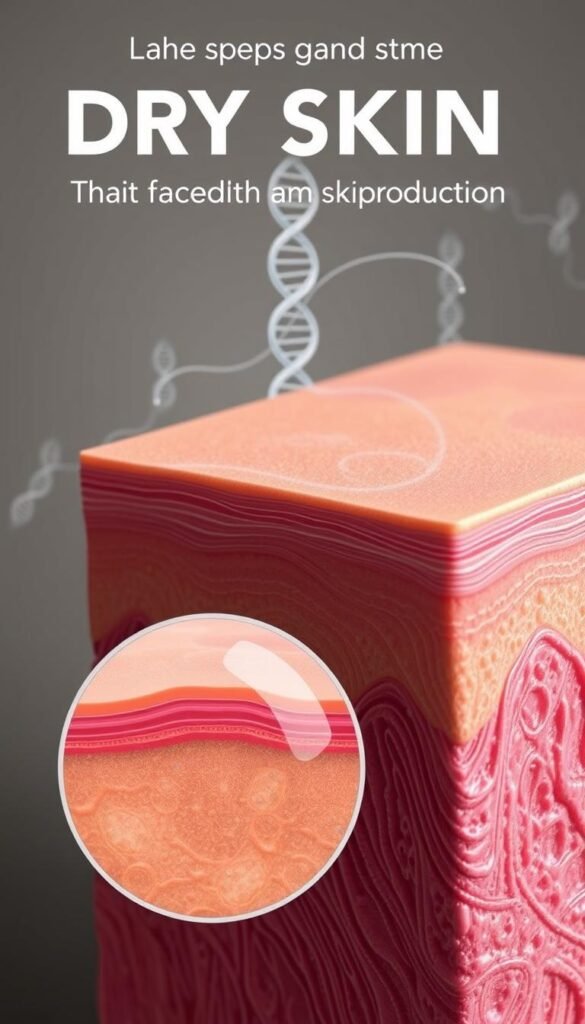
Your skin’s barrier acts like a protective shield. When compromised, moisture escapes like water through cracks. Medical conditions, harsh cleansers, or even hot showers can weaken this defense system. The good news? Identifying these triggers creates opportunities for lasting change.
Key Takeaways
Over 50% of adults experience chronic dryness by age 60
This isn’t about blaming your skincare routine. It’s about unlocking personalized solutions that address root causes. Whether it’s adapting to winter air or choosing gentler products, small shifts create visible transformations. Ready to break the cycle?
Understanding Dry Skin and Its Impact
Your skin’s hydration battle begins long before you feel that first itch. Think of it as a silent conversation between your body and the world—one where moisture balance determines comfort. Let’s decode the hidden forces at play.
What Causes Dry Skin?
Skin becomes dehydrated when its protective lipid layer weakens. This thin shield normally traps water like cling wrap. But aging, cold winds, or steaming showers can poke holes in it. By age 50, oil production drops nearly 30%, leaving skin vulnerable.
Daily habits matter more than you think. Hot baths might feel soothing, but they strip natural oils faster than a desert wind. Even your genes play a role—some people inherit skin that’s naturally prone to dryness.
Common Symptoms and Effects on Your Body
Early signs whisper before they shout. A slight tightness after washing your face? That’s your barrier crying for help. Left unchecked, it escalates to flaking, redness, or cracks that sting. Chronic dryness can even trigger eczema flares.
Your whole body feels the strain. Itchy legs disrupt sleep. Rough elbows snag fabrics. But here’s the hope: recognizing these signals lets you act. Like fixing a leaky roof before the storm hits, early care prevents bigger issues.
Recognizing Common Signs and Symptoms
Your skin speaks in whispers before it shouts. Those faint signals—a fleeting itch or temporary tightness—hold clues to its hydration needs. Learning this language transforms how you respond.
https://www.youtube.com/watch?v=qICdR140Ef0
Patches, Itchiness, and Flaky Texture
Rough patches often appear first, like sandpaper on elbows or knees. Dehydration tightens your skin, creating a mask-like sensation after washing. Itchiness follows, escalating when fabrics rub against affected areas.
Flakes resemble snowdust on dark clothing. Cracks may form in severe cases, particularly on hands or heels. Discoloration—red or ashy patches—signals inflammation. “What starts as minor dryness can become a gateway for irritation,” notes dermatologist Dr. Lisa Kim.
When to Seek Professional Advice
Persistent itching that disrupts sleep warrants attention. Bleeding cracks or oozing patches indicate compromised barriers. Eczema often appears as coin-shaped dry areas that resist moisturizers.
Track symptom patterns: Does humidity improve them? Do certain fabrics trigger flares? Your body offers evidence. If redness spreads or OTC creams fail after two weeks, consult a specialist. Early intervention prevents chronic damage.
The Hidden Culprits Behind Persistent Dryness
Many assume their moisturizer alone determines hydration levels. Truth lives in the shadows – daily rituals and invisible aggressors often undermine even the best skincare efforts.
Harsh Skincare Ingredients and Irritants
Your cleanser might be the problem. Common foaming agents like sodium lauryl sulfate create that satisfying lather while eroding natural oils. Alcohol-based toners deliver a “fresh” feeling by dissolving protective lipids. Fragrance additives trigger 60% of contact dermatitis cases according to clinical studies.
Commercial bars soap illustrates the pH dilemma. While your skin thrives in mild acidity (4.7-5.7), most cleansers operate at alkaline levels (9-10). This mismatch weakens barrier proteins over time, letting moisture escape like steam from a kettle.
Overwashing, Hot Water, and Stripping Natural Oils
That post-gym double cleanse? It’s washing away ceramides along with sweat. Each 20-minute shower removes 40% more lipids than a 5-minute rinse. Hot water melts protective oils faster than winter wind evaporates puddles.
Try this test: pat skin with a tissue after washing. If it sticks instead of gliding, you’ve crossed into stripping territory. Warm water and sulfate-free cleansers preserve your skin’s natural armor better than extreme measures.
Environmental Factors and Low Humidity
Indoor heating creates Sahara-like conditions while you sleep. Forced air systems pull moisture from surfaces – including your face. Car heaters blast dehydrating air at eye level during commutes.
Combat atmospheric thieves with layered defense. Humidifiers add protective vapor to bedroom air. Occlusive creams act like greenhouse roofs at night, trapping hydration. Remember: “Environment adaption is skincare’s secret weapon,” advises dermatologist Dr. Ellen Marks.
Identifying Risk Factors and Hidden Causes
Your journey to hydrated skin might be influenced by factors you’ve never considered. While creams provide temporary relief, lasting solutions often lie beneath the surface—in your DNA or medicine cabinet.
Genetics and Natural Skin Type
Your genetic blueprint determines how tightly your skin holds moisture. The filaggrin protein acts like nature’s glue, binding cells together. “Those with filaggrin deficiencies have skin that leaks hydration like a sieve,” explains dermatologist Dr. Rachel Nguyen. Ethnic backgrounds amplify this – darker tones may show ashiness, while Asian skin often battles sensitivity.
Underlying Health Conditions and Medications
Persistent dryness sometimes signals deeper health concerns. Thyroid imbalances slow oil production, while diabetes affects circulation to skin layers. Common medications add fuel to the fire – 23% of birth control users report increased dryness according to recent studies.
Hormonal shifts during menopause reduce collagen by 30%, thinning the skin’s moisture barrier. Even OTC acne treatments containing benzoyl peroxide can strip natural oils. Pro Tip: Track symptoms alongside medication changes – patterns often reveal surprising triggers.
Understanding these hidden influences transforms skincare from guesswork to strategy. When creams fail, look inward – your body might be sending coded messages about broader wellness needs.
Choosing the Right Skincare for Deep Hydration
The secret to lasting hydration lies in understanding your skin’s language. Like a master locksmith, the right ingredients can seal moisture while repairing your natural defenses. Let’s explore the tools that turn fleeting relief into enduring results.
Ingredients That Lock in Moisture
Hyaluronic acid acts like a microscopic sponge, holding 1,000 times its weight in water. Glycerin pulls moisture from humid air into your skin barrier, while ceramides rebuild cracked cellular walls. “These three ingredients form the holy trinity of hydration science,” says dermatologist Dr. Emily Torres.
Ingredient
Function
Best For
Hyaluronic Acid
Plumps & retains water
All skin types
Ceramides
Repairs barrier
Sensitive skin
Petrolatum
Seals moisture
Extreme dryness
Shea Butter
Nourishes deeply
Rough patches
Moisturizers and Barrier Repair Solutions
Effective skincare products combine three actions: attracting water (humectants), softening texture (emollients), and locking hydration (occlusives). Lightweight lotions with hyaluronic acid suit mild dryness, while cracked skin needs petrolatum-based creams.
Nighttime transforms your routine. Jojoba oil mimics natural sebum, helping your barrier recover as you sleep. For daytime, choose non-greasy formulas with dimethicone – this silicone creates an invisible shield against moisture loss.
Adopting Lifestyle Changes for Lasting Hydration
True hydration thrives when daily habits align with your body’s natural rhythms. Small, consistent adjustments create cumulative benefits that creams alone can’t match. Think of it as building a moisture fortress—one thoughtful choice at a time.
Adjusting Bathing Habits and Water Temperature
Lukewarm showers preserve protective oils better than steaming sessions. Limit washing to 5-7 minutes, using gentle cleansers. Pat skin dry instead of rubbing—then apply moisturizer within 3 minutes to lock in hydration.
Diet, Hydration, and Nutrition
Drinking half your body weight in ounces daily maintains internal moisture reserves. Foods rich in omega-3s (walnuts, salmon) and vitamin C (bell peppers, citrus) strengthen barrier function. Pro tip: Green tea’s antioxidants combat dehydration triggers like UV exposure.
Discover more targeted lifestyle adjustments that transform hydration from fleeting to fundamental. Remember—every sip, bite, and mindful ritual rebuilds your natural defenses.
FAQ
What lifestyle habits worsen dry skin?
Long showers with hot water, using harsh soaps, and neglecting to moisturize immediately after bathing can strip your skin’s natural oils. Small changes like lukewarm water, gentle cleansers, and applying Cerave Moisturizing Cream while skin is damp can make a big difference.
Can my diet affect skin hydration?
Absolutely! Foods rich in omega-3s (like salmon and walnuts) and antioxidants (think berries and spinach) support your skin barrier. Pair this with drinking enough water daily to boost moisture from within.
How do I know if my dry skin needs medical attention?
If you experience redness, cracking, or intense itching that disrupts sleep, it could signal eczema or psoriasis. Dermatologists can recommend targeted treatments like La Roche-Posay Lipikar Balm or prescription options to heal your skin.
Why does low humidity cause dryness?
Dry air pulls moisture from your skin. Combat this with a humidifier in your bedroom and layering hydrating serums with hyaluronic acid under moisturizers. Brands like The Ordinary offer lightweight, effective options.
Are certain medications linked to dry skin?
Yes! Blood pressure medications, retinoids, and some acne treatments can reduce natural oils. If you suspect this, talk to your doctor about adjusting doses or adding a nourishing routine with Vanicream Moisturizing Ointment.
What ingredients repair a damaged skin barrier?
Look for ceramides (in Dr. Jart+ Ceramidin Cream), glycerin, and squalane. These mimic your skin’s natural lipids, sealing in moisture and strengthening protection against irritants.
Can genetics play a role in dry skin?
Definitely. If your family has a history of eczema or sensitive skin, you might need richer creams like Eucerin Advanced Repair. Consistency is key—stick to a routine tailored to your skin type.
How often should I exfoliate dry skin?
Over-exfoliating worsens dryness. Use a gentle chemical exfoliant like Paula’s Choice 2% BHA Liquid once a week. Always follow with a moisturizer to replenish hydration.