When temperatures plummet, your complexion faces its toughest opponent. Cold air and indoor heating create a double assault on your body’s largest organ, stripping essential moisture and weakening protective barriers. Dermatologist Dr. Shasa Hu confirms that seasonal changes trigger visible consequences, from increased dryness to flare-ups in sensitive skin types.
This Website contains affiliate links. That means I may earn a small commission if you purchase through my links, at no extra cost to you.
This isn’t about temporary fixes. Building an effective cold-weather strategy means understanding why your skin behaves differently when frost appears. Humidity levels drop both outdoors and indoors, while reduced sunlight exposure impacts natural renewal processes. Even without existing conditions, everyone benefits from adjusted care during seasonal shifts.
The good news? With intentional steps, you can maintain glowing resilience against winter’s challenges. This guide reveals science-backed methods to lock in hydration, strengthen your moisture barrier, and prevent common cold-weather concerns. Your path to healthier-looking skin starts with adapting your daily habits to meet seasonal demands head-on.
Key Takeaways
- Cold air and indoor heating dramatically reduce skin’s moisture levels
- Seasonal changes affect all skin types, not just sensitive complexions
- Protective barrier maintenance prevents dryness and irritation
- Daily habit adjustments yield visible improvements in skin health
- Proactive care helps maintain radiance despite harsh conditions
Understanding the Impact of Winter on Your Skin
Your complexion battles invisible forces during colder months. While frosty mornings and cozy sweaters define the season, hidden environmental shifts silently reshape your skin’s behavior. Let’s decode what really happens when mercury drops.
How Cold Air and Low Humidity Affect Your Skin
Chilly air acts like a moisture vacuum. Cold temperatures reduce the atmosphere’s ability to hold water vapor, creating parched conditions that pull hydration from your skin. This explains why even normal complexions feel tighter by December.
Indoor heating worsens the problem. Central systems slash humidity levels to desert-like 10-20%, compared to summer’s 40-60%. Your face essentially lives in two extreme climates daily – arid outdoors and Saharan indoors.
The Role of Indoor Heating and Wind Exposure
Blustery weather doesn’t just mess your hair. Wind accelerates moisture evaporation while weakening the protective lipid layer. This double damage makes skin more vulnerable to UV rays and pollution – even on cloudy days.
Modern life creates a perfect storm. Constant shifts between heated spaces and windy outdoors keep your moisture barrier in survival mode. Recognizing these triggers helps you build defenses that work with your biology, not against it.
Gentle Cleansing to Preserve Natural Oils
Your winter skincare success starts with rethinking your first step. Harsh cleansers that worked in summer can sabotage your natural oils when temperatures drop. Dermatologists agree: cold weather demands a smarter approach to maintaining your skin’s protective armor.
Smart Solutions for Daily Care
Dr. Shari Lipner from Weill Cornell Medical Center reveals a game-changing truth: “Cleansing frequency matters as much as product choice.” If your face feels tight after washing, your routine needs adjustment. Try cleansing fully at night and using just water in the morning – your oil barrier gets precious recovery time.
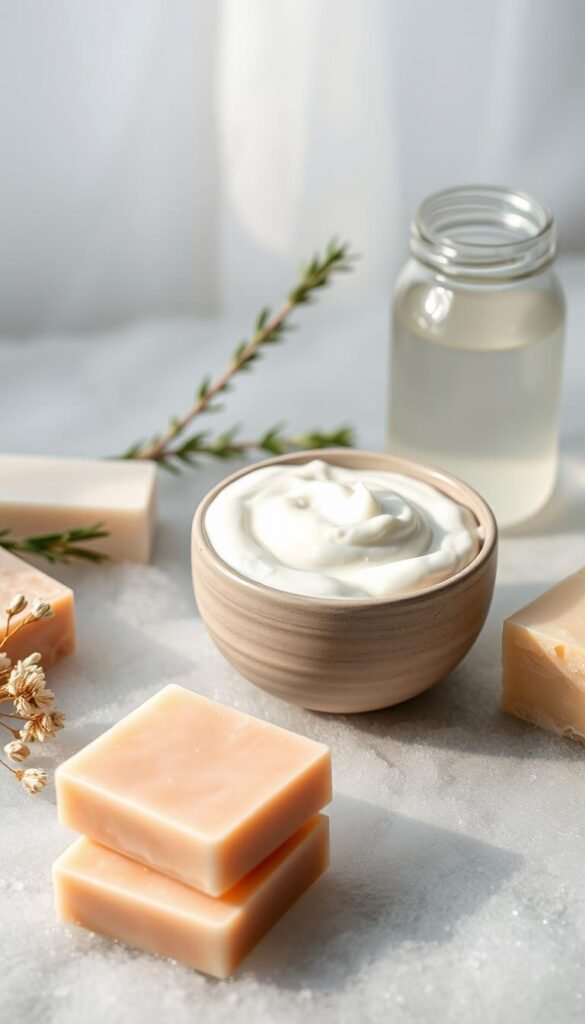
Cream-based formulas lead the charge against dryness. Unlike foaming products that leave skin parched, these rich textures dissolve impurities while locking in moisture. For an extra nourishing option, cleansing oils melt away makeup without stripping essential lipids.
Every skin type benefits from this shift. Those with normal complexions prevent winter dryness, while sensitive types reduce irritation risks. Remember: your cleansing ritual should leave your face balanced, not barren.
Moisturizing Techniques and Creams for Dry, Sensitive Skin
Winter transforms your skin’s needs, demanding richer protection against moisture loss. The right moisturizer becomes your strongest ally, creating a shield that combats harsh elements while nourishing delicate complexions.
Why Heavy-Duty Formulas Win in Cold Weather
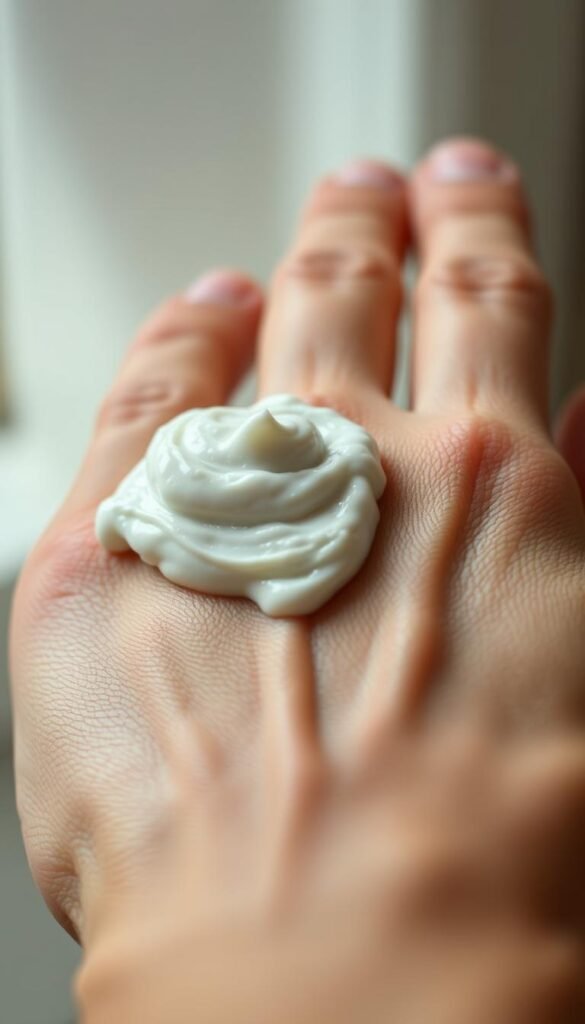
Thick, occlusive creams act like armor for your skin barrier. Ingredients like petrolatum and shea butter form a breathable seal, trapping hydration where it matters most. Dermatologist-approved components work synergistically:
| Ingredient | Benefit | Best For |
|---|---|---|
| Dimethicone | Locks in moisture | Sensitive types |
| Hyaluronic Acid | Attracts water molecules | All skin types |
| Jojoba Oil | Mimics natural oils | Dry patches |
The 60-Second Rule for Lasting Hydration
Timing changes everything. Apply lotion within one minute of showering while skin remains slightly damp. This simple trick boosts absorption by 300%, according to dry skincare routine experts.
“Damp skin acts like a sponge – it drinks up moisturizers more effectively than completely dry skin.”
For sensitive skin, layer products strategically: hydrating serums first, followed by protective creams. This dual approach maintains moisture levels throughout frosty days and heated indoor environments.
9 Tips for a Winter Dry Skin Routine That Actually Works
Cold weather demands smarter ingredient management. Potent products like retinoids and exfoliants require careful timing – overuse during frosty months risks damaging your skin’s delicate moisture balance. Dr. Lipner advises reducing exfoliation to weekly sessions or less, depending on your complexion’s response.
Environmental tweaks make surprising differences. A bedroom humidifier replenishes moisture stolen by heating systems, while brief lukewarm showers preserve protective oils. These changes work synergistically with your winter dryness prevention strategies for amplified results.
| Active Ingredient | Winter Frequency | Key Benefit |
|---|---|---|
| Retinoids | 2-3x weekly | Maintains cell turnover |
| AHAs/BHAs | 1x weekly | Gentle exfoliation |
| Vitamin C | Daily AM use | UV protection boost |
Never compromise on sun defense. UV rays penetrate cloud cover, making daily SPF 30+ non-negotiable. Morning applications should follow hydrating serums for optimal skin protection without greasiness.
Nighttime offers prime recovery opportunities. Layer ceramide-rich creams over damp skin to maximize absorption. This simple evening habit strengthens your barrier against tomorrow’s cold winds and dry air.
Key Ingredients to Look for in Winter Skincare Products
The right components transform ordinary products into winter warriors. Arm your routine with science-backed elements that combat dryness while reinforcing your skin barrier. Let’s explore the heroes hiding in your moisturizer jar.
Hydrators That Work Like Moisture Magnets
Hyaluronic acid pulls water from the air like a microscopic sponge, holding 1,000 times its weight in hydration. Pair it with glycerin – a humectant that draws moisture deep into skin layers. These dynamic duos thrive in layered routines, especially when sealed with occlusives.
Dermatologists emphasize their role in winter skincare essentials, noting how they prevent flakiness without clogging pores. Apply them to damp skin for amplified absorption.
Nature’s Protective Powerhouses
Rich plant oils and butters create an invisible shield against harsh elements. Shea butter repairs cracks, while jojoba oil mimics your skin’s natural lipids. These emollients smooth rough patches and lock in lasting softness.
For maximum defense, seek formulas combining these with ceramides – a tip highlighted in best skincare ingredients for dry skin guides. Your complexion stays resilient through snowstorms and dry indoor heat.