“The beauty of a woman is not in the clothes she wears, but in the eyes that have cried, laughed, and witnessed life.” – Maya Angelou’s timeless words remind us that aging is a journey, not a flaw to erase. Yet those delicate lines framing our eyes often spark a search for solutions that honor both wisdom and vitality.
This Website contains affiliate links. That means I may earn a small commission if you purchase through my links, at no extra cost to you.
As skin matures, collagen and elastin production slows, leaving delicate areas prone to fine lines. Many turn to pricey creams packed with synthetic ingredients, unaware that gentle alternatives exist in everyday kitchens. Nature offers solutions that nourish without harsh chemicals, blending tradition with modern skincare insights.
This guide reveals how simple ingredients can rejuvenate the eye area. You’ll learn methods backed by generations of use and emerging science. From antioxidant-rich oils to soothing botanicals, these approaches work with your skin’s biology rather than against it.
Key Takeaways
Collagen loss drives visible signs of aging around eyes
Common kitchen ingredients offer potent anti-aging benefits
Natural solutions avoid harsh preservatives in commercial products
Consistent application yields visible improvements over time
Multiple approaches address both prevention and existing lines
Understanding Crow’s Feet and the Aging Process
The laughter lines framing your eyes carry stories of countless smiles—yet their gradual appearance often sparks curiosity about skin’s natural evolution. These delicate creases form where joy meets biology, revealing how expressions and time collaborate on your face’s canvas.
What Are Crow’s Feet?
Those feathery lines radiating from your eyes’ corners begin as temporary marks during laughter or squinting. Over decades, these dynamic wrinkles transition into permanent fixtures—a process accelerated by the area’s paper-thin skin, which lacks oil glands and fat padding. You’ll notice two distinct types: lines that vanish when relaxed, and deeper creases that linger as testaments to years of vivid expressions.
How Aging Affects the Skin Around the Eyes
The skin surrounding your peepers measures just 0.5mm thick—ten times finer than your forehead’s surface. This fragility makes it hypersensitive to collagen depletion and environmental stressors. By your late twenties, elastin fibers start losing their snap, allowing wrinkles to etch deeper with each sunbeam or late night.
Repeated muscle movements create memory patterns in delicate tissues. Combine this with slowing cell renewal, and you’ll see why the face’s most expressive zone becomes its first visible part aging. Yet these lines needn’t be feared—they’re roadmaps of a life richly experienced.
The Science Behind Skin Elasticity and Declining Collagen
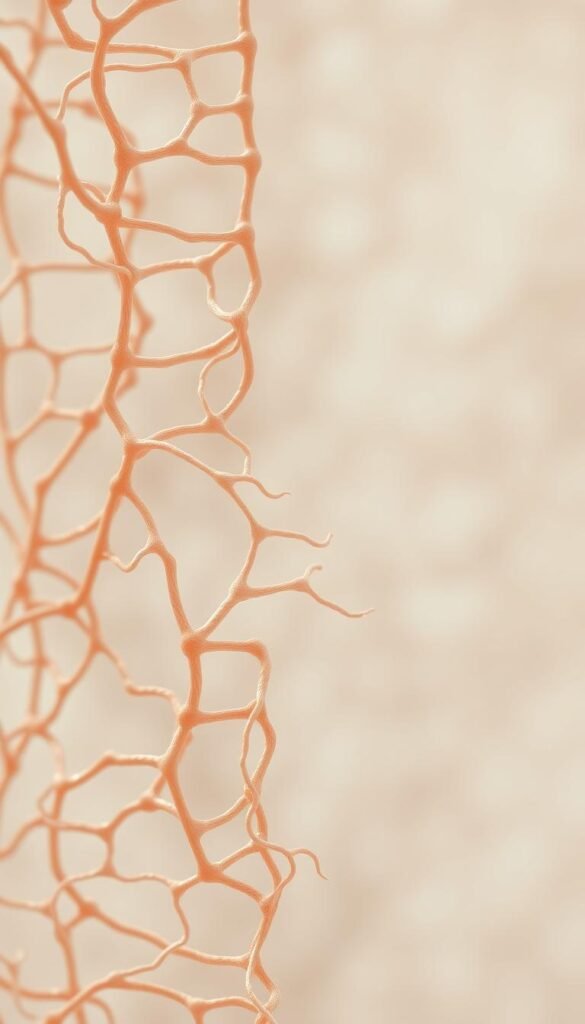
Your skin’s resilience hinges on two mighty proteins working tirelessly beneath the surface. Collagen forms a dense network of fibers, while elastin creates stretchy threads between them. Together, they create a living lattice that keeps your skin firm yet flexible—until time alters the equation.
Role of Collagen and Elastin
Think of collagen as your body’s architectural steel beams. It gives structure to your skin cells, preventing sagging around delicate eye areas. Elastin acts like countless microscopic rubber bands, letting skin snap back after smiles or squints.
Production peaks in your twenties then drops 1% yearly. By forty, you’ve lost nearly a quarter of these vital proteins. This decline thins the skin, making wrinkles more visible.
Effects of Dehydration and Exposure
Dry skin resembles crumpled paper—every crease stands out. Dehydration weakens the collagen-elastin matrix, slowing repairs. UV radiation compounds damage by slicing through proteins like molecular scissors.
Factor
Impact on Proteins
Visible Result
Sun Exposure
Breaks collagen fibers
Deepened wrinkles
Pollution
Creates free radicals
Loss of elasticity
Dehydration
Weakens matrix bonds
Pronounced fine lines
While time affects everyone, smart choices matter. Hydration plumps skin temporarily, but lasting change requires nurturing your body’s protein networks. The next section reveals how everyday ingredients can support this biological masterpiece.
8 Natural Remedies for Crows Feet That Beat Creams
Your refrigerator shelves hold unexpected treasures for combating time’s delicate signatures. These accessible ingredients offer targeted solutions that respect your skin’s natural rhythms while delivering visible changes.
Protein-Powered Solutions
Egg whites work like invisible tape, their magnesium content pulling tissues taut while drawing out impurities. Paired with aloe vera’s vitamin cocktail (A, C, E, B12), this duo repairs cellular damage and restores bounce to tired eye areas.
Hydration Heroes
Coconut oil bridges gaps between weakened skin cells with its linoleic acid embrace. Lemon’s citric acid gently buffs away dullness, while cucumber slices bathe skin in B vitamins—nature’s cooling compress for stressed eyes.
Remedy Type
Active Components
Visible Impact
Protein Treatments
Magnesium + Vitamins
Instant tightening
Moisture Blends
Linoleic Acid + B Vitamins
Plumping & smoothing
Antioxidant Mixes
Lactic Acid + Enzymes
Brightening & firming
Age-Defying Antioxidants
Honey locks in moisture while neutralizing free radicals—think sticky-sweet armor against environmental stressors. Yogurt’s lactic acid removes dead cells gently, revealing fresher layers that catch light beautifully.
Consistency unlocks these ingredients’ full potential. Within weeks, you’ll notice softened lines and renewed radiance—proof that effective care doesn’t require complex formulas.
Incorporating Effective Skincare Techniques
Your hands hold transformative power when paired with nature’s ingredients. Strategic techniques amplify results, turning simple routines into revitalizing rituals that honor your skin’s intelligence.
Daily Routines and Facial Massage Benefits
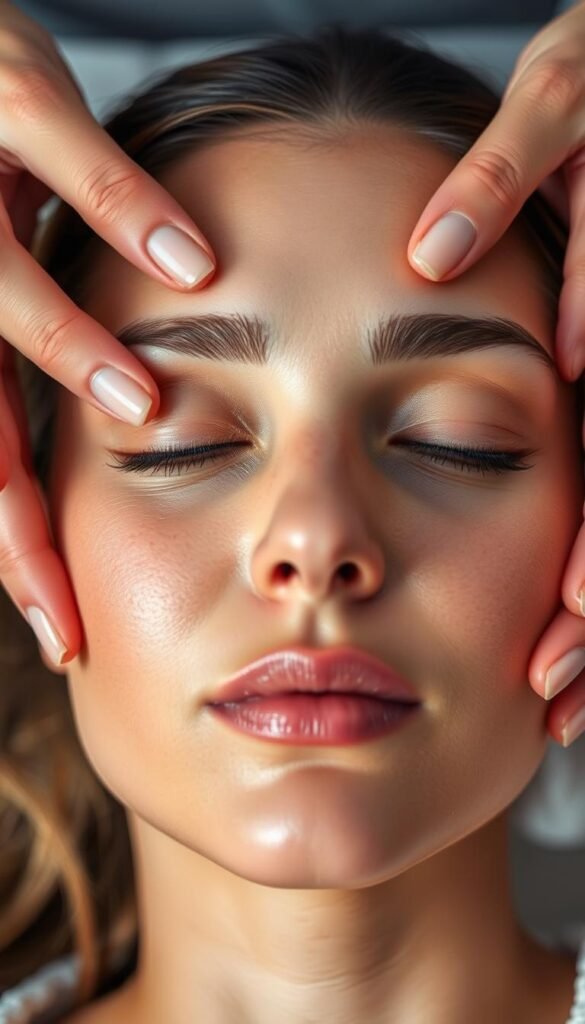
Three minutes of morning massage becomes a love letter to your skin. Gentle upward strokes with warmed coconut oil awaken circulation while guiding fluid toward lymph nodes. This daily dance reduces puffiness and coaxes collagen production through increased oxygen flow.
Focus on the orbital bone using ring fingers—your lightest digits. Circular motions here soften tension in muscles responsible for squint lines. Evening sessions pair beautifully with eye cream applications, sealing moisture as you work.
Enhancing Collagen Through Topical Applications
Peptides act as tiny messengers in plant-based serums. When layered under homemade masks, they signal fibroblasts to weave new collagen networks. Look for rice bran extracts or mushroom derivatives in your DIY blends.
Consistency transforms ordinary care into visible change. Alternate between hydrating days (aloe gels) and active nights (yogurt masks) to maintain skin’s repair cycle. Your reflection will reveal smoother texture and brighter eye areas within weeks—proof that mindful touch reshapes time’s narrative.
Enhancing Results with a Healthy Lifestyle
True beauty blossoms when inner wellness meets outer care—a harmony that transforms how your skin ages. While topical treatments address surface concerns, lasting radiance emerges from daily choices that nurture your body’s natural rhythms.
The Role of Sleep and Stress Management
Nightly rest isn’t just for dreams—it’s when your skin rebuilds collagen stores. Seven to nine hours of sleep allows cellular repair crews to work overtime. Try back-sleeping with a wedge pillow to prevent fluid buildup that exaggerates crow’s feet.
Stress acts like sandpaper on your elasticity. Cortisol surges from chronic tension degrade collagen fibers. A five-minute meditation session or gentle yoga flow can lower stress hormones, protecting your skin’s foundation.
Importance of Sunscreen and Hydration
UV rays break down collagen 20 times faster than aging alone. Apply broad-spectrum SPF 30+ sunscreen daily—even indoors—to shield delicate eye areas. Reapply every two hours during outdoor exposure.
Water is your body’s natural plumping serum. Eight glasses daily help maintain skin volume, smoothing fine lines. Pair hydration with antioxidant-rich foods like berries for enhanced protection against time’s effects.
Comparing Natural Remedies with Cosmetic Treatments
Your journey to smoother skin doesn’t require surrendering to needles or harsh chemicals. While quick fixes promise instant results, natural approaches offer sustainable solutions that align with your body’s rhythms.
Why Nature Often Outperforms Needles
Invasive treatments like Botox temporarily paralyze facial muscles, creating an unnaturally smooth appearance. Though effective for dynamic wrinkles, these methods require repeat visits and carry risks like drooping eyelids. Chemical peels strip layers of skin, increasing sun sensitivity.
Breaking Down Popular Procedures
Dermal fillers plump crow’s feet by adding volume beneath lines—but results fade within months. Laser resurfacing removes damaged layers, though downtime can last weeks. Many seek non-invasive Botox alternatives that don’t disrupt natural expressions.
Natural treatments work gradually but holistically. Ingredients like aloe vera stimulate collagen production without irritating delicate eye areas. Combined with sun protection and hydration, they address wrinkles at their source while preserving your face’s authentic character.
True confidence comes from nurturing your skin’s vitality. By choosing methods that enhance rather than erase, you honor every laugh line as proof of life well-lived.
FAQ
What causes crow’s feet to form around the eyes?
Crow’s feet develop due to repetitive facial movements, sun exposure, and the natural decline of collagen and elastin as we age. The thin, delicate skin around the eyes loses elasticity over time, leading to fine lines and wrinkles.
How can natural ingredients like aloe vera or coconut oil help reduce wrinkles?
Aloe vera hydrates and soothes skin, while coconut oil provides fatty acids that strengthen the skin barrier. Both help improve texture, boost moisture, and support collagen production, reducing the appearance of fine lines without harsh chemicals.
Are DIY remedies as effective as Botox for crow’s feet?
Natural treatments focus on gradual improvement by nourishing skin cells and enhancing elasticity. While Botox offers quick fixes by freezing muscles, remedies like honey masks or cucumber patches provide antioxidants and hydration for long-term skin health.
Can facial massage really minimize the look of crow’s feet?
Yes! Gentle massage increases blood flow, relaxes tense muscles, and encourages lymphatic drainage. Pairing it with oils like vitamin E or rosehip can enhance skin elasticity and soften existing lines over time.
Why is sunscreen critical for preventing crow’s feet?
UV rays break down collagen and elastin, accelerating skin aging. Daily broad-spectrum SPF 30+ shields the eye area, preventing new wrinkles and protecting against further damage from sun exposure.
How does stress contribute to premature aging around the eyes?
Chronic stress triggers cortisol release, which thins skin and weakens its repair process. Managing stress through sleep or mindfulness helps maintain firmness and reduces tension-related squinting or furrowing.
What role do antioxidants play in fighting crow’s feet?
Antioxidants in ingredients like green tea or yogurt neutralize free radicals from pollution and UV rays. They protect skin cells, slow collagen breakdown, and brighten the eye area for a youthful glow.
Can dehydration worsen the appearance of fine lines?
Absolutely. Dehydrated skin looks dull and emphasizes wrinkles. Drinking water and using humectants like hyaluronic acid or aloe plump the skin, making lines less noticeable.