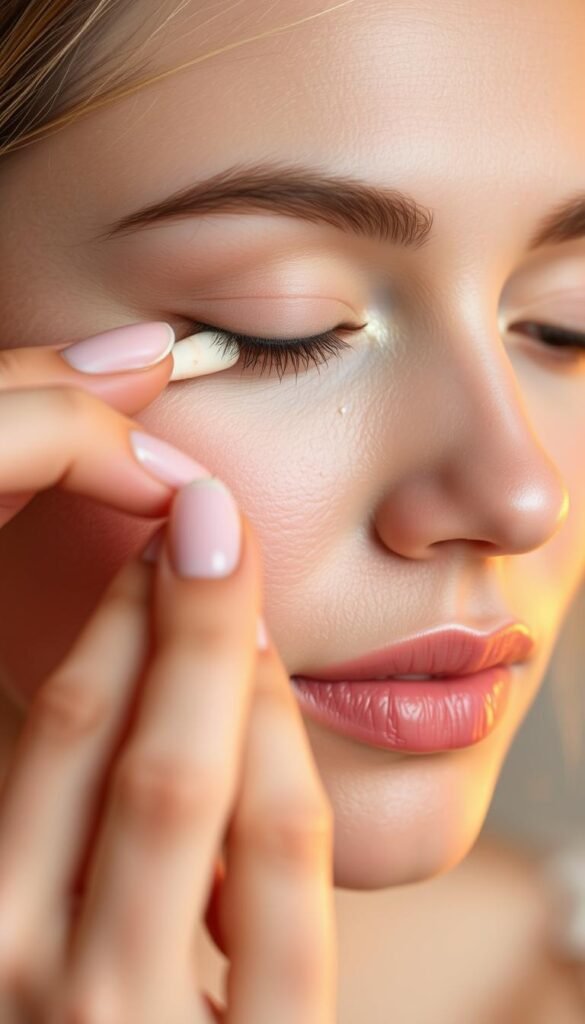
“The beauty of a woman must be seen from in her eyes, because that is the doorway to her heart, the place where love resides.” – Audrey Hepburn’s timeless words remind us how powerfully our eyes communicate vitality. Yet for many, stubborn shadows beneath them can unintentionally signal fatigue or stress instead of confidence.
This Website contains affiliate links. That means I may earn a small commission if you purchase through my links, at no extra cost to you.
Under-eye discoloration affects nearly everyone at some point. Genetics, allergies, or lack of sleep can make blood vessels more visible through delicate skin. This creates a tired appearance that feels impossible to shake. While skincare helps long-term, strategic makeup techniques offer instant transformation.
You don’t need endless products or complicated routines. With the right approach, even deep-toned circles vanish. Professionals rely on color theory, layering methods, and tools designed for the eye area. These strategies create seamless coverage that lasts all day.
Key Takeaways
Dark circles are a common concern influenced by genetics, lifestyle, and skin texture
Professional-grade coverage relies on strategic color correction and product application
Delicate under-eye skin requires specialized techniques to avoid creasing
Affordable tools and multi-use products can deliver flawless results
Confidence grows when your reflection matches your energy
Understanding Dark Circles: Causes and Key Factors
The journey to brighter eyes begins with understanding what’s beneath the surface. “Your under-eye area acts like a biological billboard,” explains dermatologist Dr. Verallo-Rowell. Multiple factors – from your DNA to midnight snacks – shape this delicate zone’s appearance.
Skin Thickness, Aging, and Genetics
Time thins the skin beneath your eyes like tissue paper stretched over a map. Blood vessels become more visible, creating bluish shadows. Those with fair complexions often see more pronounced dark eye circles, while deeper skin tones may notice hyperpigmentation from repeated rubbing.
Impact of Diet, Sleep, and Environmental Stress
Your food choices directly affect your eye area. Processed snacks contain unstable fatty acids that oxidize, staining the skin from within. One restless night spikes cortisol levels, while pollution particles cling to delicate skin like microscopic charcoal.
Three controllable factors influence your appearance:
Sleep quality impacts blood flow and fluid retention
6 Simple Makeup Tricks to Hide Even the Worst Dark Circles
Transforming tired-looking eyes starts with smart preparation. “Your morning ritual sets the stage for all-day radiance,” notes makeup artist Kaye Tuckerman. Follow these pro-approved methods to create smooth, hydrated skin that grips pigment perfectly.
Prepping Your Eye Area: Cleansing, Toning, and Moisturizing
Begin with a fragrance-free cleanser. Pat dry gently – never rub. Apply alcohol-free toner with cotton pads. Lock in moisture with a pea-sized amount of eye cream containing hyaluronic acid.
Step-by-Step Guide to Concealer Application
Use your ring finger to dot product only on shadowed areas. Blend outward toward temples, not downward. Let it set for 30 seconds before layering.
Tool
Best For
Pro Tip
Flat Brush
Full coverage
Press don’t swipe
Beauty Sponge
Natural finish
Dampen first
Fingertip
Warmth activation
Use ring finger
Color Correction and Product Layering Techniques
For severe discoloration: apply red cream product to darkest zones. Blend thoroughly, then top with brightening concealer. Finish with translucent powder using a velvety puff.
Remember: less product means fewer creases. Build thin layers instead of caking on thick formulas. Your eye area deserves this thoughtful approach.
Expert Beauty Tips and Product Insights
Your concealer isn’t just makeup—it’s skincare in disguise. “The best products address both appearance and biology,” says cosmetic chemist Ni’Kita Wilson. This dual-action approach helps combat puffiness while creating seamless coverage.
Choosing the Right Concealer and Creams
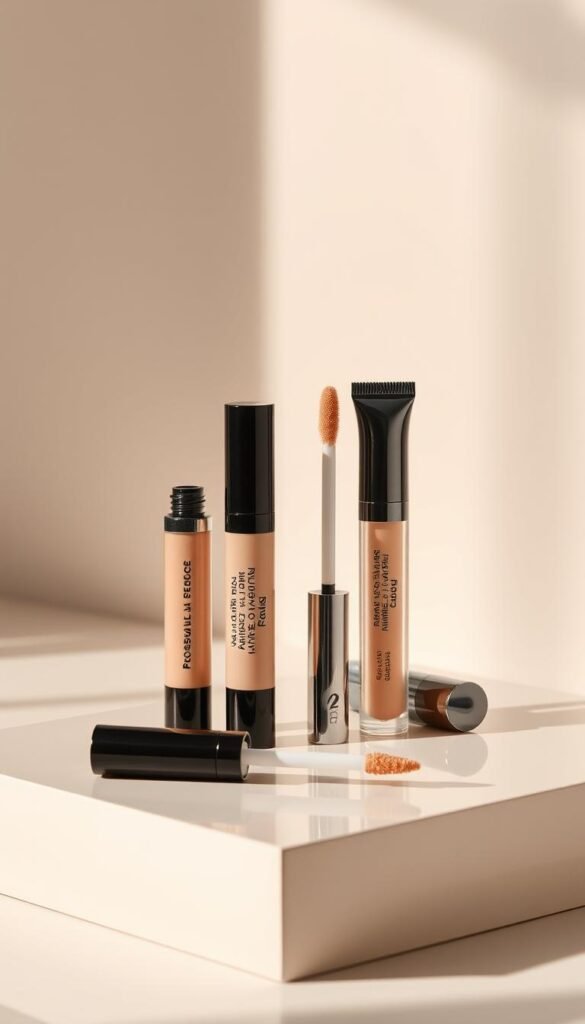
Three products dominate professional kits: NARS Radiant Creamy Concealer melts into skin with light-diffusing minerals, Tarte Shape Tape withstands 24-hour days, and Rare Beauty’s formula brightens with vitamin C. Look for ingredients like hyaluronic acid (plumps) and caffeine (reduces puffiness).
Product
Coverage
Finish
NARS Radiant
Medium-Full
Luminous
Tarte Shape Tape
Full
Matte
Rare Beauty
Buildable
Natural
Additional Hacks from Industry Leaders
Dermatologist Dr. Verallo-Rowell swears by virgin coconut oil at night: “Its antioxidants calm inflammation that worsens bags.” For daytime, blend a pea-sized amount of cream concealer with ring fingers—the warmth improves texture. Set with translucent powder using a strategic makeup technique to prevent creasing.
Remember: Great coverage starts with hydrated skin. Layer thin formulas instead of piling on product. Your eyes deserve this smart fusion of science and artistry.
Conclusion
Mastering your eye area care transforms more than your reflection—it reshapes how you engage with the world. With these techniques, stubborn shadows become a solvable puzzle rather than a daily frustration. Your mornings now hold power: 90 seconds with quality concealers and smart layering creates fresh-looking eyes that last 12+ hours.
Remember—consistency wins. Pair your routine with 7-9 hours of nightly rest and antioxidant-rich meals. This combination addresses circles from both surface and cellular levels. As you refine your approach, share these easy ways to cover dark circles with others facing similar struggles.
You’ve gained more than makeup skills—you’ve unlocked confidence that shines through sleep-deprived days and high-pressure moments. Let your bright-eyed appearance mirror your inner resilience. After all, true beauty thrives when technique meets self-care.
FAQ
Why do dark circles appear more prominent as we age?
Thinning skin and reduced collagen make under-eye veins and pigmentation more visible. Using a hydrating eye cream with peptides or hyaluronic acid can plump the area, while sunscreen protects against further damage.
Can diet really impact the appearance of dark circles?
Absolutely! Lack of iron, vitamin C, or omega-3 fatty acids can worsen discoloration. Incorporate leafy greens, citrus fruits, and fatty fish into meals. Hydration also plays a key role—aim for 8 glasses of water daily.
How do I choose the right concealer shade for dark eye circles?
Opt for a peach or salmon-toned corrector to neutralize blue/purple tones. Layer a concealer 1-2 shades lighter than your skin tone on top. Brands like NARS Radiant Creamy Concealer or Tarte Shape Tape offer full coverage without creasing.
What’s the best way to apply concealer without emphasizing wrinkles?
Prep with a lightweight eye primer to smooth texture. Use a damp beauty sponge to press product into skin, avoiding tugging. Set lightly with translucent powder, like Laura Mercier’s, to lock in coverage while maintaining a natural finish.
Are there quick fixes for dark circles when I’m short on time?
Try a brightening eye serum with caffeine for instant depuffing. A dab of Charlotte Tilbury’s Magic Vanish Corrector blended with fingertips can camouflage shadows in seconds. Finish with a luminous setting spray for a refreshed look.
How can I prevent makeup from settling into fine lines by midday?
Less is more! Avoid heavy layers—build thin coats of product instead. Use a hydrating mist throughout the day to revive your base. Pro tip: Carry a mini powder puff to gently blot excess oil without disturbing your concealer.