“You may encounter many defeats, but you must not be defeated.” Maya Angelou’s words echoed in my mind during my years-long battle with stubborn breakouts. Like millions of Americans, I struggled with acne’s physical and emotional toll—a condition affecting over 50% of women and 20% of men aged 25-45 nationwide.
This Website contains affiliate links. That means I may earn a small commission if you purchase through my links, at no extra cost to you.
My turning point came when I realized quick fixes and harsh products worsened my skin. Random creams promised miracles but ignored root causes like hormonal imbalances and skincare habits. Through trial and error, I uncovered a method blending dermatology-backed principles with affordable home care—no expensive treatments or risky shortcuts.
This approach taught me three truths: consistency beats desperation, gentle routines heal better than aggressive ones, and understanding your unique skin type is non-negotiable. Rule #1? Never pop pimples—a habit that amplifies redness and scarring.
Key Takeaways
- Home-based acne care requires patience and personalized strategies
- Consistent routines outperform sporadic “miracle cure” attempts
- Avoiding pimple popping prevents long-term skin damage
- Skin health depends on addressing root causes, not just symptoms
- Budget-friendly solutions can rival professional treatments
Understanding Acne: Causes and Impact
Demystifying my skin’s biology became the breakthrough I desperately needed. Like solving a puzzle, I discovered acne forms through four interconnected processes: oil overproduction, dead skin buildup, bacterial growth, and inflammation. This revelation transformed frustration into focused action.
What Are Pimples?
Pimples start as microscopic battlegrounds. When excess oil mixes with dead skin cells, they form plugs in hair follicles. These clogged pores become breeding grounds for Cutibacterium acnes bacteria, triggering redness and swelling. My worst breakouts often began as innocent-looking blackheads that evolved into angry cysts.
Factors Contributing to Acne
Three key culprits fueled my breakouts:
- Hormonal surges: Monthly cycles doubled my oil production
- Skin habits: Overwashing stripped protective barriers
- Genetic predisposition: My mom’s teenage struggles mirrored mine
I learned even stress-induced cortisol spikes could activate oil glands. During finals week, my skin became a roadmap of pustules. “Acne isn’t personal failure,” my dermatologist reminded me. “It’s biology needing strategic management.”
This knowledge shifted my perspective. Instead of attacking symptoms, I started addressing root causes—balancing oil control with hydration, managing stress through yoga, and choosing non-comedogenic products. The war against breakouts became winnable through understanding.
Preparing Your Home Acne Treatment Setup
Creating a battle station transformed how I approached skincare. Every successful mission requires strategy, and clearing stubborn breakouts proved no different. My bathroom counter became headquarters – a clean, organized space where science met self-care.
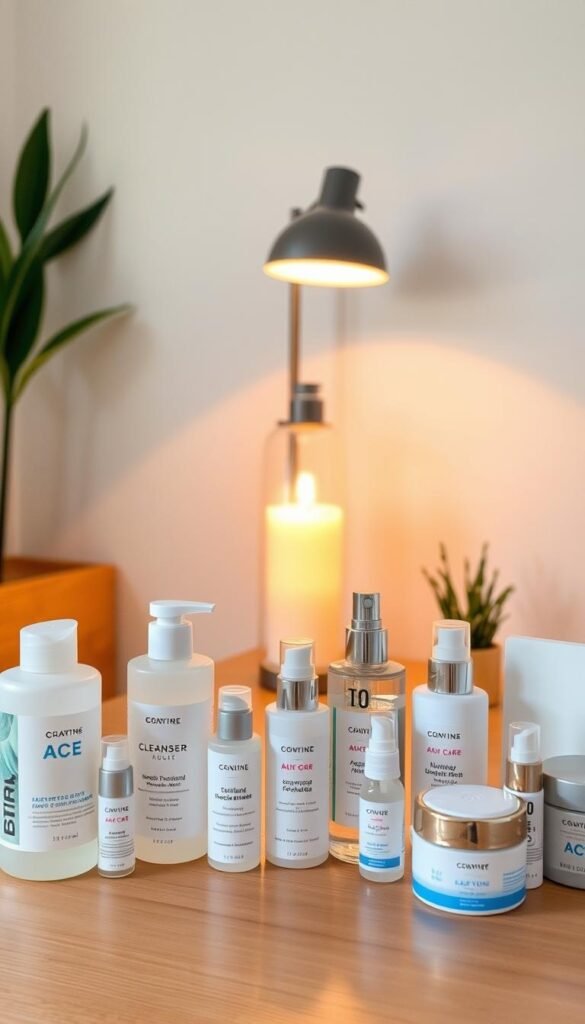
Essential Tools and Ingredients
Three game-changers shaped my toolkit:
- Gentle cleansing weapons: Microfiber cloths replaced harsh scrubs
- Active ingredient allies: 0.5% salicylic acid serum and 2.5% benzoyl peroxide cream
- Reconnaissance gear: Magnifying mirror for tracking progress
Salicylic acid became my pore-clearing MVP, dissolving dead skin cells and excess oil without stripping moisture. Benzoyl peroxide worked nights shifts, quietly neutralizing breakout-causing bacteria. I learned to apply sunscreen religiously – these ingredients make skin sun-sensitive.
Organization prevented overwhelm. Cotton pads lived in sealed jars, ice cubes stood ready in freezer trays, and clean towels occupied their own basket. “Your environment shapes your habits,” my yoga teacher’s advice proved true – seeing my tools daily kept me consistent.
Starting with lower concentrations prevented irritation. The 0.5% salicylic acid cleanser worked gently, while spot treatments packed stronger formulas. Over time, this graduated approach helped my skin build tolerance without triggering redness.
6 Steps I Took to Treat My Acne at Home
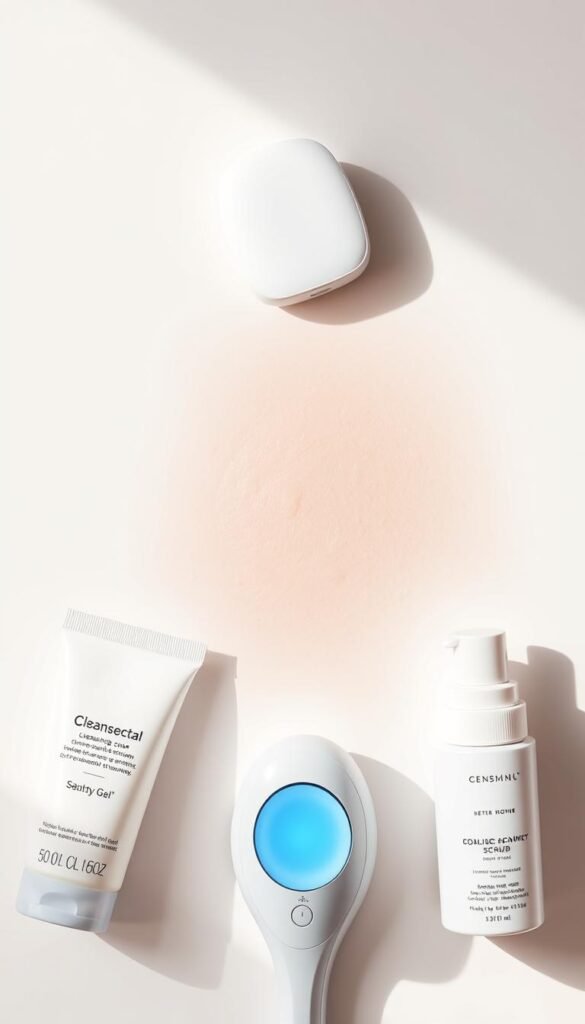
Through months of trial and error, I discovered practical strategies that transformed my approach to breakouts. My method blends immediate relief with lasting solutions – no magic potions or extreme measures required.
Here’s the system that calmed my skin:
- Ice therapy first: Pressing wrapped ice cubes for 3-4 minutes reduced angry swelling better than expensive gadgets
- DIY aspirin solution: Crushed tablets mixed with water became my budget-friendly salicylic acid alternative
- Targeted spot care: Evening applications of benzoyl peroxide prevented new bacteria colonies from forming overnight
Makeup became medicinal when I chose formulas containing acne-fighting ingredients. A tinted moisturizer with 0.5% salicylic acid concealed redness while treating underlying issues – multitasking magic during workdays.
Weekly clay masks emerged as my secret weapon. They absorbed excess oil like sponges while sulfur compounds tackled inflammation. These 20-minute sessions taught me skincare could be therapeutic self-care, not just damage control.
When stubborn cysts refused to budge, I swallowed my pride and visited a dermatologist. Their cortisone injections became emergency tools for special events – proof that professional help complements home care beautifully.
This six-phase approach taught me balance. Gentle consistency outperformed aggressive treatments every time. Now when breakouts strike, I reach for science-backed solutions instead of despair.
Step-by-Step Guide to Treating Acne at Home
Mastering my skincare routine felt like learning a new language – confusing at first, but life-changing once decoded. The breakthrough came when I stopped chasing trends and focused on foundational practices that respected my acne-prone skin.
Cleansing and Exfoliation
Mornings began with lukewarm water and a milky cleanser. Harsh soaps were replaced with formulas containing salicylic acid – gentle enough for daily use but effective at dissolving dead skin cells. Evening sessions included double cleansing: oil-based balm followed by foam to remove sunscreen without stripping moisture.
Exfoliation became strategic. Every Thursday and Sunday, I massaged a chemical toner across my T-zone. The tingling sensation signaled it was working, not burning. “Exfoliate like you’re petting a kitten,” my esthetician advised – pressure matters more than product quantity.
Targeted Treatments and Masks
Spot treatments entered the game during flare-ups. A dab of benzoyl peroxide on angry pimples before bed worked like silent warriors. For whole-face emergencies, I mixed natural acne remedies with clinical solutions – clay masks with a drop of tea tree oil became my Sunday ritual.
Hydration sealed every session. Lightweight gel moisturizers prevented the clogged pores I’d feared from heavier creams. Over time, this rhythm transformed my bathroom into a sanctuary where sensitive skin found peace through consistency.
DIY
Discovering the power of kitchen ingredients changed my skincare game. While clinical treatments formed my foundation, natural allies like raw honey and aloe vera added healing depth. A simple mask of oatmeal and yogurt soothed inflamed patches better than some store-bought products – proof that effective solutions often hide in plain sight.
Tea tree oil became my secret weapon against stubborn spots. Diluted with water, its antibacterial properties tackled emerging breakouts without overdrying. For hydration emergencies, chilled green tea bags doubled as calming compresses – a trick learned from research-backed natural remedies.
True transformation came through combining these hacks with smarter habits. Swapping late-night snacks for antioxidant-rich berries helped combat inflammation from within. Morning sunlight exposure regulated my circadian rhythm, indirectly balancing oil production. Every small change reinforced that skin health thrives on holistic care.
This journey taught me that sustainable results emerge when science meets simplicity. While my bathroom shelves still hold trusted actives, they now share space with nature’s pharmacy – a balanced approach honoring both dermatology and DIY wisdom.