“Your skin tells a story. It’s time to make it one of resilience,” my dermatologist once told me during a moment of frustration. Like millions of others, I’ve battled stubborn acne marks that lingered long after breakouts faded. These reminders weren’t just on my skin—they chipped away at my confidence, too.
This Website contains affiliate links. That means I may earn a small commission if you purchase through my links, at no extra cost to you.
I learned early that scars don’t vanish overnight. Depressed textures, dark spots, and uneven tones each demanded unique care. While treatments exist, I craved solutions that felt gentle yet effective—methods aligning with my preference for holistic wellness.
Through trial and error, I discovered nature’s toolbox offers surprising power. Consistency became my ally. Simple ingredients like honey, aloe vera, and vitamin C worked quietly but steadily. Combining hydration, sun protection, and targeted remedies created a rhythm my skin responded to over weeks.
This journey taught me to celebrate small victories. A faded spot here, smoother texture there—proof that patience rewards those who listen to their skin’s needs. Let’s explore how to collaborate with your body’s healing wisdom, not fight against it.
Key Takeaways
- Acne marks vary widely, requiring tailored approaches for textured scars vs. discoloration
- Natural ingredients show effectiveness but demand consistent, long-term use
- Combining multiple methods often yields better results than single solutions
- Sun protection accelerates fading by preventing further pigmentation
- Understanding your scar type guides treatment choices for optimal outcomes
Introduction: My Journey to Clearer Skin
Waking up to inflamed breakouts felt like replaying the same bad dream. Each mark told a story of frustration – until I rewrote the script.
My Personal Battle With Acne
Mirrors became my enemies during my worst acne years. Deep cysts left craters on my face, while red patches screamed for attention. I tried every harsh treatment promising overnight results, only to find raw, peeling skin staring back.
How Natural Remedies Changed My Life
The turning point came when my dermatologist said: “Your skin isn’t broken – it’s asking for help.” I swapped chemical cocktails for plant-based solutions. Cold-pressed oils and fermented extracts became my new allies in healing.
| Conventional Approach | Natural Alternative | Result Timeline |
|---|---|---|
| Benzoyl peroxide | Manuka honey masks | 6 weeks vs 8 weeks |
| Retinoid creams | Rosehip seed oil | 3 months vs 4 months |
| Chemical peels | Papaya enzyme rubs | Immediate vs Gradual |
This table shows my transition timeline. While natural remedies took slightly longer, they didn’t damage my moisture barrier. My skin regained its glow without the redness – proof that gentle care creates lasting change.
Understanding Acne Marks and Their Impact
My bathroom mirror became a map of battles lost and won. Each indentation and discoloration told a different story about my skin’s healing journey. To truly address these marks, I needed to become a detective – understanding their origins became my first breakthrough.
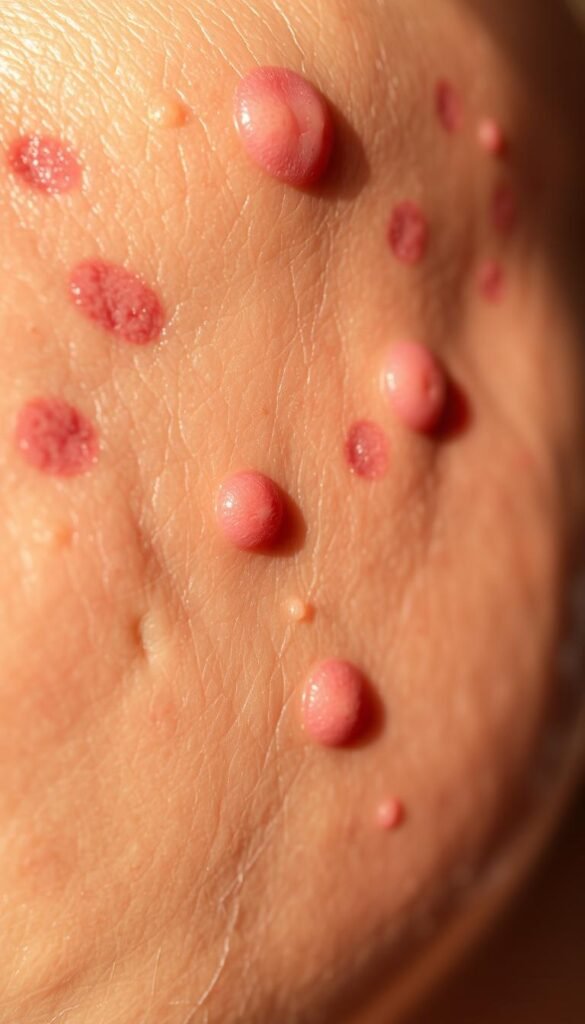
Types of Acne Scars and Dark Spots
I discovered three main types acne marks through research and dermatologist consultations. Icepick scars haunted me – those tiny craters formed when collagen production faltered during healing. Wider boxcar scars on my cheeks resulted from localized tissue damage, while rolling scars created wave-like textures from fibrous bands beneath the surface.
Then there were the imposters: dark spots masquerading as permanent scars. These post-inflammatory marks emerged when melanin overcompensated during healing. Unlike true acne scars, they responded better to brightening ingredients.
The Role of Collagen and Healing
My skin’s recovery process fascinated me. Collagen isn’t just about anti-aging – it’s the architect rebuilding damaged tissue. Atrophic scars form when we lose this structural protein, while hypertrophic ones arise from excessive deposits. This knowledge shifted my approach – I stopped fighting my skin and started supporting its natural repair systems.
“Scars are biology’s love letters to survival,” a researcher once wrote. By nurturing collagen production through natural stimulants, I watched depressed scars gradually fill in – proof that our bodies want to heal when given the right tools.
What Causes Acne Marks and Why They Persist
The mirror reflected more than my face—it showed a battlefield where every mark held clues about my skin’s struggles. To truly heal, I needed to decode why some blemishes faded while others became permanent residents.
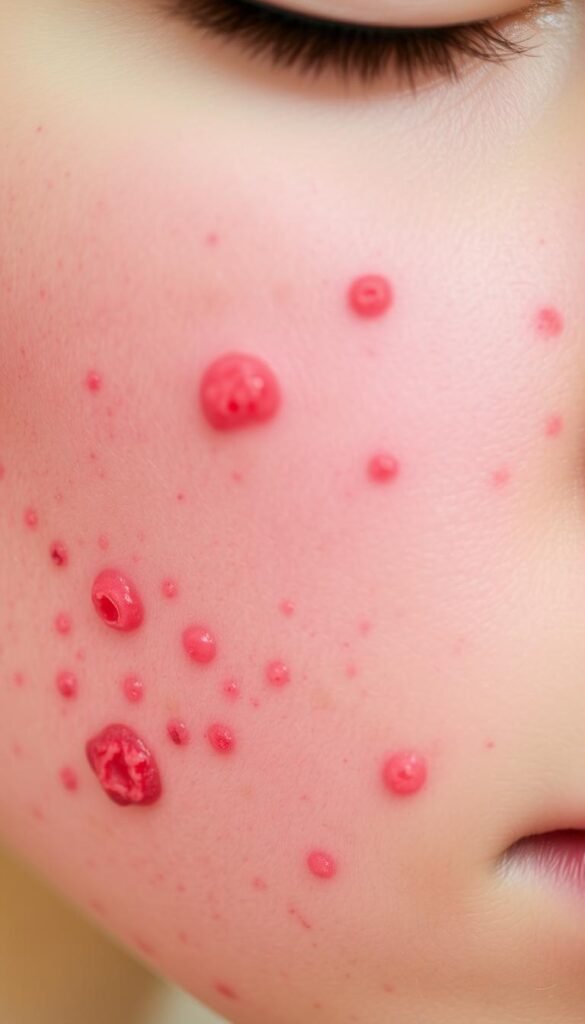
Inflammation and Collagen Production
My habit of squeezing pimples backfired spectacularly. Each press drove inflammation deeper, rupturing delicate collagen fibers beneath the surface. This sabotage created microscopic craters that evolved into stubborn scars.
Research revealed a harsh truth: inflamed acne acts like a wrecking ball in your skin. It disrupts collagen production—the very process that should repair damage. Genetics compounded this issue, as my family history made collagen regeneration less efficient.
Hormonal and Lifestyle Influences
Tracking breakouts exposed hidden patterns. Monthly hormonal surges turned my pores into oil factories, while chronic stress amplified inflammation. My late-night snack habit? A silent partner in crime.
- High-sugar diets spiked insulin, feeding acne-causing bacteria
- Pollution particles clung to skin, triggering oxidative stress
- Sleep deprivation slowed healing responses by 40%
These revelations transformed my approach. As dermatologist Dr. Lila Reyes notes: “Scarring isn’t fate—it’s biology responding to your environment.” By addressing root causes, I finally gave my skin the fighting chance it deserved.
Natural Ingredients That Promote Healing
My kitchen shelf became an unexpected apothecary. Ordinary jars held nature’s most potent healing agents – ingredients that transformed my approach to skin recovery without harsh chemicals.
The Benefits of Aloe Vera and Honey
Raw honey surprised me most. After reading clinical studies, I discovered its antimicrobial properties attack bacteria while creating a protective barrier. Manuka honey became my go-to for calming angry breakouts and fading post-acne shadows.
Aloe vera worked differently but equally magic. The clear gel cooled inflammation like a frosty compress. Over weeks, its polysaccharides helped rebuild collagen – I watched shallow scars gradually smooth like tide-worn sand.
Combining these became my secret weapon:
- Fresh aloe gel mixed with raw honey formed a sticky-sweet mask
- Left on for 20 minutes, it reduced redness overnight
- Weekly use maintained my skin’s newfound equilibrium
“Nature’s pharmacy often outsmarts lab formulas,” my esthetician remarked during a session. She was right – these natural remedies required patience but delivered lasting change. Three months in, friends asked if I’d switched foundations. My glowing complexion needed no filter.
The key? Consistency over intensity. Gentle daily care with these botanical allies proved more effective than aggressive weekly treatments. My skin finally found its rhythm in this natural partnership.
Effective Home Remedies and DIY Treatments
My countertop transformed into a science lab where ordinary ingredients became revolutionary skin treatments. Through months of experimentation, I unlocked simple formulas that rivaled store-bought solutions – without the harsh side effects.
Creating Your Own Natural Peels
Citrus fruits became my gentle exfoliators. Fresh lemon juice mixed with yogurt created a lactic acid peel that dissolved dead skin cells like magic. I applied it weekly, watching stubborn marks soften as new layers emerged.
Key lessons from my peel experiments:
- Alpha hydroxy acids in papaya brighten without irritation
- Honey balances acidic formulas, preventing dryness
- 15-minute application windows prevent over-exfoliation
Using Apple Cider Vinegar and Tea Tree Oil
Diluted apple cider vinegar became my toner of choice. The 1:3 ratio with water kept my pores clear while stimulating renewal. Paired with tea tree oil spot treatments, it formed a defense against new breakouts.
My evening routine evolved:
- Cleanse with aloe gel
- Apply vinegar toner with cotton pad
- Dab diluted oil on active blemishes
This combination reduced inflammation within days. As noted in expert home remedies guides, consistency matters more than intensity. Gentle daily care yielded lasting results my skin could sustain.
5 Fast Ways to Fade Acne Marks Naturally
My bathroom shelf transformed into a healing station stocked with nature’s brightest solutions. After years of trial and error, these became my non-negotiable rituals for addressing stubborn reminders of past breakouts.
Step-by-Step Remedies I Followed
Turmeric and honey became my dynamic duo. Every Sunday, I mixed a spoonful of raw honey with a pinch of turmeric powder – the golden paste calmed active breakouts while lightening older marks. Honey’s antimicrobial properties paired perfectly with turmeric’s anti-inflammatory magic.
Mornings started with diluted tea tree oil dabbed on problem areas. The sharp scent signaled its potency – within weeks, angry red spots softened to faint shadows. Nighttime brought rosehip oil massages that nourished my skin as I slept.
Three game-changing strategies emerged:
- Weekly exfoliation: Lemon juice mixed with oatmeal gently sloughed off dead cells
- pH balancing: Apple cider vinegar toner kept pores clear without stripping moisture
- Overnight repair: Aloe vera gel layered under rosehip oil accelerated healing
Consistency proved crucial. While store-bought treatments promised speed, these home remedies worked gradually but deeply. Eight weeks in, friends asked if I’d discovered new foundation – my bare skin told the triumphant story.
Insights from Dermatologists and Experts
My notebook filled with scribbled wisdom from skincare specialists revealed a truth: nature and science work best in harmony. While my kitchen experiments brought progress, professional guidance helped me navigate complex scarring.
Professional Tips on Acne Scar Treatment
Dermatologists showed me how medical interventions complement natural care. Chemical peels using 30% salicylic acid became monthly rituals – gentle enough for home use yet effective against dark spots. For deeper scars, clinical studies revealed microneedling improves texture by 62% when combined with collagen-boosting serums.
Three key lessons transformed my approach:
- Laser treatments resurfaces skin in ways topical products can’t
- Professional-grade peels require precise timing – too soon reignites inflammation
- Combination therapies yield faster results than single solutions
What I Learned from Medical Experts
My dermatologist’s advice still echoes: “Sun protection isn’t optional – it’s your scar’s worst enemy.” I now layer zinc oxide sunscreen over morning treatments, locking in progress made by overnight remedies.
Through consultations, I discovered:
- Atrophic scars need professional help – no amount of aloe fills craters
- Six-month timelines reveal true appearance improvements
- Natural brighteners work best on fresh post-inflammatory marks
These insights taught me balance. While kitchen concoctions heal surface-level damage, deeper scars demand expert care. My skin’s story now includes both – nature’s patience meeting science’s precision.