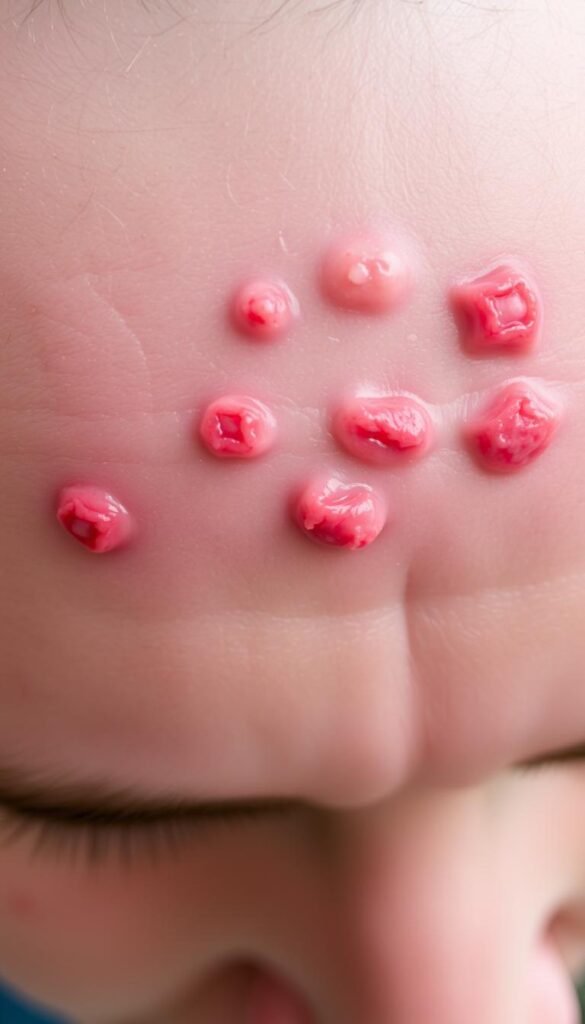
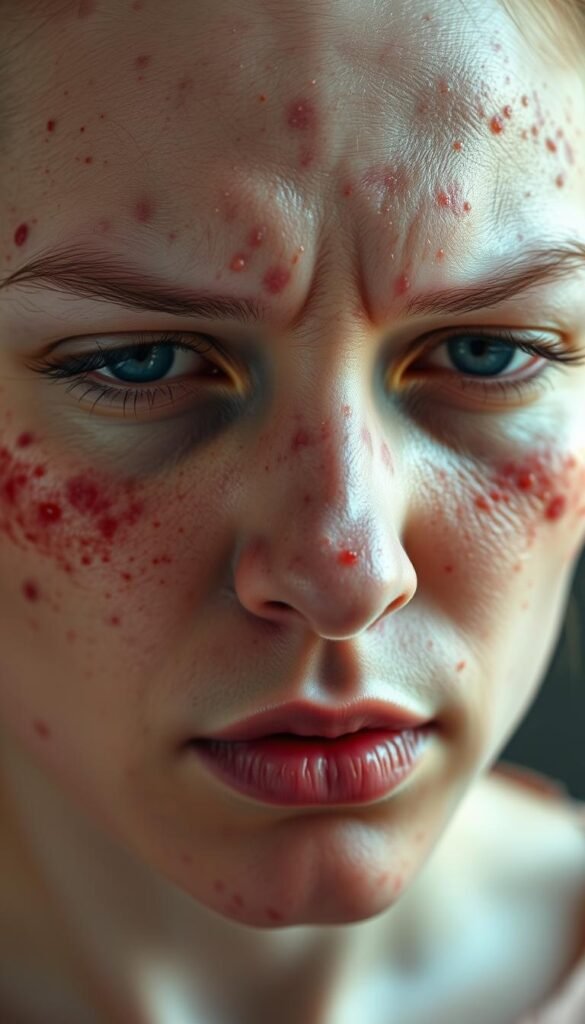
“The beauty of a woman is seen in her skin, but the true art lies in understanding its language,” said Audrey Hepburn. For years, I dismissed my persistent breakouts as bad luck or genetics. Then I discovered my acne wasn’t random – it was a roadmap to deeper wellness truths hiding in plain sight.
This Website contains affiliate links. That means I may earn a small commission if you purchase through my links, at no extra cost to you.
Clusters along my jawline whispered about hormonal fluctuations. Forehead flare-ups hinted at sleep deprivation. Cheek blemishes mirrored my phone hygiene habits. Each zone became a puzzle piece revealing connections between my lifestyle and skin health I’d never considered.
This realization transformed my approach. Instead of fighting my face, I started listening to it. Dairy sensitivity? Confirmed through elimination diets. Stress triggers? Identified through pattern tracking. My complexion evolved from enemy to ally – an honest mirror reflecting what my body needed.
Key Takeaways
Breakout locations often correlate with specific health or lifestyle factors
Skin acts as a visible indicator of internal balance
Tracking patterns helps identify personal triggers
Diet and stress significantly impact complexion
Consistent hygiene habits prevent certain types of acne
Persistent breakouts warrant deeper health investigation
Uncovering the Mystery of Face Mapping and Acne
My journey into understanding face mapping began with a colorful chart from an ancient healing text. Traditional Chinese Ayurvedic practices suggested breakouts on my cheeks meant lung issues, while chin spots hinted at reproductive concerns. Though intriguing, I quickly learned these theories have little scientific evidence backing organ-based connections.
The Historical and Scientific Background
Centuries-old face maps connected specific zones to internal health, like linking forehead acne to digestive troubles. Modern dermatology shifted this perspective. Researchers now attribute blemishes to tangible factors – oily hair products causing forehead outbreaks or phone screens transferring bacteria to cheeks.
How Face Mapping Guides My Skincare
By merging historical patterns with clinical insights, I created a targeted routine. When jawline bumps appeared, I examined pillowcases instead of blaming hormones. Forehead texture issues led me to switch shampoos rather than overhaul my diet. This hybrid approach transformed my skin from a mystery to a roadmap.
Tracking flare-ups revealed surprising connections. Right-cheek breakouts peaked during allergy season – not lung weakness, but pollen clinging to phone screens. Left-cheek irritation faded after cleaning makeup brushes weekly. Each discovery proved my face wasn’t judging my health, but reflecting my habits.
Forehead Clues: Digestion, Stress, and Lifestyle Triggers
The roadmap to clearer skin began unfolding across my forehead. This zone became my personal dashboard, flashing warning lights whenever my habits veered off course. Unlike ancient face mapping theories, modern connections revealed practical insights hiding in plain sight.
Decoding the Digestive Connection
Friday pizza nights always left more than crumbs. By Monday, shiny patches and bumps emerged like clockwork. My skin reacted fastest to processed foods – especially those loaded with refined sugars and vegetable oils. Cutting out late-night snacks reduced inflammation within weeks.
Stress created a double whammy. Tense work deadlines spiked cortisol levels, triggering excess oil production. Combine that with sleep deprivation, and my forehead turned into a breeding ground for bacteria. Tracking patterns helped me spot these flare-ups before they spiraled.
Trigger
Skin Reaction
Solution
High-sugar diet
Clustered bumps
Whole food swaps
All-nighters
Dull texture
Consistent sleep schedule
Heavy hair products
Hairline breakouts
Oil-free styling gels
Phone screen bacteria
Scattered pimples
Daily device cleaning
My “aha” moment came when switching hair products cleared stubborn edge breakouts. Thick pomades had been migrating onto skin, clogging pores unnoticed. Now I recommend non-comedogenic formulas to anyone battling similar acne patterns.
This zone taught me balance. Occasional treats stay in rotation, but I pair them with probiotic-rich foods and hydration. My forehead now glows when I listen – and acts up when I ignore its signals.
Nose and Cheeks: External Factors and Daily Habits
My skincare breakthrough came when I stopped treating breakouts as enemies and started seeing them as clues. The nose and cheeks became my greatest teachers, revealing how daily interactions with objects and surfaces shape skin health.
Contaminants and Phone/Pillowcase Impacts
That stubborn cluster along my right cheek? Turned out to be a bacterial handshake from my phone. Lab tests show mobile devices carry 10x more germs than toilet seats – including E. coli and staph. Each call became a contamination event until I adopted alcohol wipes and Bluetooth headsets.
Pillowcases taught me another lesson. Side sleepers like me create friction hotspots where fabric rubs against cheeks for hours. Switching to silk covers and washing them twice weekly reduced both bacteria buildup and irritation.
Managing Oil and Friction in High-Touch Areas
The nose’s oil glands work overtime – mine could power a small candle factory. Blotting papers became my secret weapon, absorbing excess sebum without stripping moisture. For gym sessions, I switched to non-comedogenic sunscreens that don’t trap sweat.
Key changes that transformed these zones:
Wiping phones after each use with 70% alcohol solution
Applying touch-up powder to reduce midday shine
Using fragrance-free detergents for bedding
These adjustments didn’t just clear my acne – they created a protective shield against invisible threats. My face now stays clearer even during allergy season and hectic work weeks.
5 Things My Acne Face Was Trying to Tell Me: A Personal Breakdown
My complexion became a living diary, etching stories of internal imbalances onto my jawline and cheeks. What began as frustration evolved into revelation – each breakout carried coded messages about my body’s needs.
Hormonal Shifts and Inflammation Insights
The monthly constellation along my jaw wasn’t random. Tracking cycles revealed hormones spiked like clockwork, flooding pores with excess oil. Blood tests confirmed elevated androgens – the same triggers face mapping techniques associate with reproductive health signals.
Red, angry bumps taught me about inflammation. My immune system overreacted to bacteria like Propionibacterium acnes, turning minor clogs into battlefield zones. Cooling masks and omega-3 supplements became my peace negotiators.
Breakouts as Signals for Change
Persistent clusters forced me to listen:
Stress surges amplified oil production within hours
Dairy consumption triggered chin eruptions in 48 hours
Skincare overkill damaged my skin barrier, inviting infections
Each flare-up became a checkpoint. When cystic acne emerged during exams, I prioritized sleep over cramming. When cheek redness lingered, I swapped harsh scrubs for pH-balanced cleansers. My face stopped being a problem – it became my most honest health advisor.
Lifestyle and Dietary Influences on My Acne Journey
My bathroom mirror became a truth-teller, revealing how daily choices echoed across my skin. What I once dismissed as bad luck transformed into actionable insights about my body’s needs.
The Role of Processed Foods and Gut Health
Friday night pizza sessions left more than grease stains. Research confirmed what my face showed – high-carb meals and hormone-laden dairy disrupted my gut balance. A study revealed these foods alter androgen levels, creating perfect conditions for acne.
Trigger
Effect
Solution
Processed snacks
Gut inflammation
Fermented foods
Dairy products
Hormone spikes
Plant-based alternatives
Refined sugars
Oil overproduction
Fiber-rich swaps
Late-night eating
Slowed digestion
12-hour fasting window
Stress, Sleep, and Exercise: Daily Impact
That Singapore stress study mirrored my reality. Though tension didn’t boost oil glands, it amplified existing breakouts like a magnifying glass. My sleep tracker revealed the cost of 5-hour nights – 73% more inflammation markers than after 8-hour rests.
Three game-changers emerged:
Yoga sessions lowered cortisol better than any cream
Consistent bedtime repaired skin cells like clockwork
Now when fatigue threatens my routine, I remember: clear skin grows from daily choices, not miracle cures. My face reflects this balance – glowing when I listen, protesting when I stray.
Conclusion
My skin’s persistent messages finally clicked when I stopped searching for quick fixes. Breakouts became guideposts pointing to lifestyle tweaks and targeted treatments. While over-the-counter options like benzoyl peroxide may help manage acne flare-ups, true healing began by addressing root causes my complexion revealed.
When stubborn acne resisted my efforts, a dermatologist helped craft a regimen to help reduce scarring risks. Their expertise bridged the gap between surface symptoms and deeper imbalances – a crucial step many overlook.
This journey transformed my relationship with my face. What once felt like betrayal now reads as honest dialogue. Our skin remains a trusted partner, offering clues that may help prevent future eruptions when we listen closely.
Clear complexions emerge from this ongoing conversation – part self-care ritual, part detective work. By honoring my skin’s language, I’ve found lasting clarity that no single product could deliver.
FAQ
Is face mapping for acne backed by science?
While traditional systems like Chinese or Ayurvedic face mapping lack robust scientific evidence, they offer a framework to explore internal imbalances. I use them as a starting point to track patterns and triggers, pairing observations with dermatologist-recommended solutions.
Why do I consistently break out on my forehead?
Forehead acne often whispers about digestive issues, stress-induced sebum production, or residue from hair products. I noticed fewer breakouts when I simplified my skincare, managed stress through meditation, and avoided heavy conditioners near my hairline.
Can my phone really cause cheek acne?
Absolutely. My cheek breakouts decreased when I started wiping my phone daily with alcohol wipes. Friction, bacteria transfer, and heat from devices can clog pores—especially if you’re prone to holding your phone against your face during calls.
How does hormonal acne show up differently?
Hormonal shifts often shout through chin or jawline cysts. Mine flare cyclically, linked to cortisol spikes and estrogen dips. Balancing blood sugar, using niacinamide serums, and discussing spironolactone with my dermatologist became game-changers.
Can diet alone clear my skin?
Food isn’t a cure-all, but cutting ultra-processed snacks and dairy reduced my inflammation. I focus on gut-supporting foods like fermented veggies and omega-3s while staying hydrated—it’s about synergy between plate and skincare routine.
Why does my nose have persistent blackheads?
The nose’s dense oil glands attract debris. I combat this with double cleansing (oil + water-based) and BHAs like salicylic acid. But I’ve learned gentleness is key—over-scrubbing only triggers more oil production and irritation.
How does sleep quality affect acne?
Poor sleep skyrockets cortisol, fueling inflammation and breakouts. Prioritizing 7–8 hours and using silk pillowcases (changed twice weekly) helped my skin heal faster. Your nighttime repair cycle is real—don’t sabotage it with late Netflix binges!