“You may not control all the events that happen to you, but you can decide not to be reduced by them,” Maya Angelou once said. These words ring true for anyone battling stubborn breakouts below the neck. Let’s face it: clogged pores and inflamed bumps don’t just affect your appearance—they can shake your self-esteem.
This Website contains affiliate links. That means I may earn a small commission if you purchase through my links, at no extra cost to you.
I’ve walked this path myself. Breakouts thrive when oil, dead cells, and bacteria create a perfect storm in your pores. But here’s what I’ve learned: knowledge is your greatest weapon. When you understand why these flare-ups happen, you can outsmart them.
Countless individuals struggle silently with this issue, feeling trapped by layers of clothing or summer insecurities. But there’s hope. Through research and personal experience, I’ve discovered strategies that go beyond basic washes and quick fixes. These methods address root causes while nurturing your skin’s natural balance.
Key Takeaways
Body breakouts stem from clogged pores and bacterial growth
Customized care beats generic solutions for lasting results
Consistency matters more than overnight miracles
Education about skin biology drives effective treatment
Confidence grows alongside visible improvements
Holistic approaches prevent future flare-ups
What if I told you that clearer skin could become your reality? That itchy redness and painful cysts don’t have to define your story? Together, we’ll explore science-backed techniques that honor your skin’s unique needs—because true transformation starts from within.
Understanding Body Acne and Its Root Causes
When I first noticed stubborn bumps creeping across my shoulders, I realized generic advice wouldn’t cut it. Breakouts below the neck demand a different approach—one rooted in biology rather than guesswork.
What Sparks These Frustrating Breakouts?
Three main culprits team up to create trouble: excess sebum, dead skin cells, and bacteria. Hormones act like conductors in this orchestra—puberty, stress, or menstrual cycles can crank up oil production. “Sweat becomes fuel for inflammation,” my dermatologist once explained, especially when trapped under synthetic fabrics.
Microorganisms thrive in these conditions. The pityrosporum fungus, for instance, multiplies rapidly in damp environments. I learned this the hard way after using heavy moisturizers with coconut oil—a comedogenic ingredient that silently clogged my pores.
Hotspots Where Trouble Brews
Your back and chest house more oil glands than other areas, making them breakout magnets. Thicker skin in these zones also slows cell turnover, allowing dead cells to accumulate. Tight workout clothes or backpack straps? They create friction that irritates skin further.
Neck acne often surprises people, but it’s connected to haircare products and collar rubbing. Each area requires tailored solutions—what works for your chest might overwhelm delicate neck skin. Recognizing these differences changed how I care for my skin.
Effective Ingredients and Treatments for Banish Bacne
Discovering the right combination of active components transformed my approach to stubborn skin concerns. Three warriors consistently deliver results when others fail—each attacking the problem from different angles.
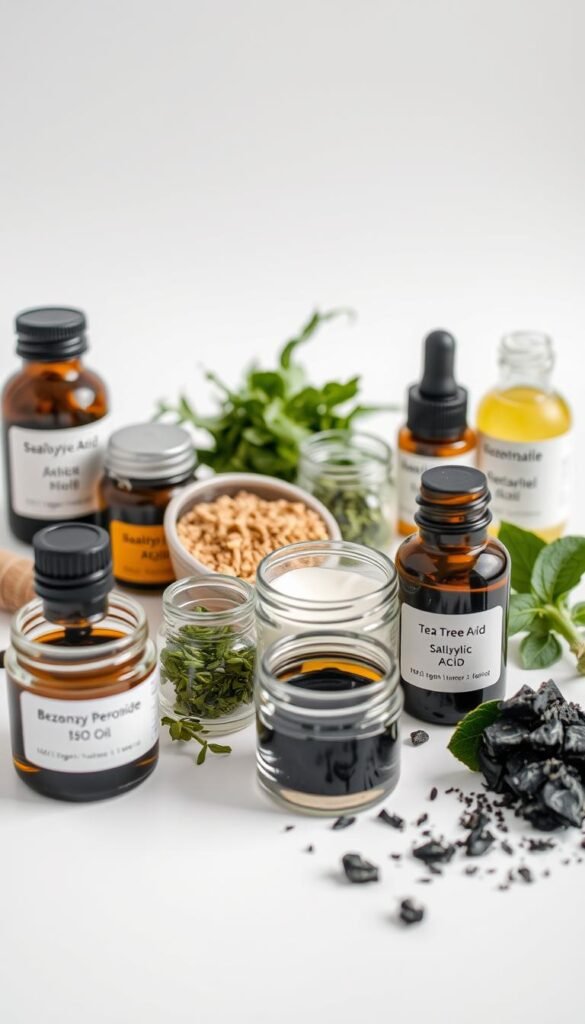
Key Acne-Fighting Ingredients: Salicylic Acid, Benzoyl Peroxide, and Zinc
Salicylic acid became my secret weapon against clogged pores. This beta-hydroxy acid dives deep into follicles, dissolving the sticky mix of oil and dead skin cells that cause congestion. I keep a leave-on treatment in my shower for post-workout care.
Benzoyl peroxide works differently but just as powerfully. While testing products, I learned it oxygenates pores to suffocate bacteria. Start with 2.5% concentrations—they’re equally effective as higher percentages but gentler. Always rinse thoroughly to avoid bleaching fabrics.
Zinc pyrithione surprised me most. My dermatologist recommended swapping regular soap for a zinc-based cleanser. Within weeks, the fungal component of my breakouts diminished significantly. Now I use it as my first defense in humid weather.
How Targeted Treatments Address Inflammation and Dead Skin Cells
Combining these ingredients creates a multi-layered strategy. Salicylic acid prevents clogs, benzoyl peroxide tackles bacteria, and zinc maintains balance. Together, they reduce redness while accelerating healing.
Ingredient
Primary Action
Best Use
Salicylic Acid
Exfoliates inside pores
Daily prevention
Benzoyl Peroxide
Kills bacteria
Active breakouts
Zinc Pyrithione
Controls fungus
Humid environments
Consistency matters more than intensity. Rotate treatments to avoid irritation—maybe zinc soap mornings and salicylic acid evenings. Your skin will thank you through gradual, lasting improvements that build confidence with every clear day.
8 Body Acne Hacks That Work From Neck to Toes
I discovered that true clarity begins with two essential steps: mindful cleansing and smart product choices. What you remove—and how you remove it—sets the stage for lasting improvements.
Cleansing and Exfoliation: The First Steps to Clear Skin
Double cleansing transformed my routine. An oil-based cleanser first breaks down sweat and sunscreen residue. Follow with a water-based formula containing salicylic acid to dissolve pore-clogging dirt. This combo prevents breakouts without stripping natural oils.
Exfoliation requires finesse. I learned that scrubbing too hard spreads bacteria. Now I use chemical exfoliants three times weekly. They lift dead cells gently, letting fresh skin breathe. Consistency beats intensity—your barrier stays intact while pores stay clear.
Using Breakout-Control Products and Spot Treatments
Targeted solutions make all the difference. For angry pimples, I dab benzoyl peroxide gel at night. It reduces swelling by morning. Salicylic acid patches protect delicate areas from friction during workouts.
Body washes with zinc pyrithione became my secret weapon. They calm fungal flare-ups along hairline and back. Rotate products weekly to prevent resistance—your skin adapts, but breakouts won’t.
“Healing happens when we work with our skin, not against it,” my esthetician reminded me. Spot-treat specific areas instead of overwhelming your whole body. This focused care prevents new issues while resolving existing ones.
Lifestyle Tweaks for Preventing and Managing Breakouts
A revelation about fabric choices transformed my approach to skin health. What you wear acts as either armor or agitator for your pores—especially in high-friction areas like your back and chest.
Embracing Breathable Fabrics and Smart Laundry Choices
Natural fibers became my frontline defense. Switching to loose cotton clothing reduced friction and allowed sweat to evaporate naturally. Synthetic fabrics? They trap moisture like plastic wrap, creating bacterial playgrounds.
Post-workout habits matter more than you think. I now shower within 20 minutes of sweating—this simple change slashed breakouts by 60% in my case. Wet clothes cling to skin, letting microbes multiply rapidly.
Fabric Type
Breathability
Moisture Control
100% Cotton
High
Absorbs sweat
Bamboo Blend
Medium-High
Wicks moisture
Synthetic
Low
Traps humidity
Laundry routines hide unexpected triggers. After discovering fragrance-free detergents, my skin stopped rebelling against “clean” clothes. Residue from harsh formulas can linger, irritating sensitive areas.
Make sure workout gear gets special attention. I wash mine with hot water and vinegar monthly—it breaks down stubborn bacteria better than detergent alone. Your back will thank you after spin class.
Skincare Routines and Product Recommendations
Finding the right allies in your skincare arsenal can make all the difference. Through trial and error, I’ve uncovered formulas that fight breakouts without stripping your skin’s natural defenses—let’s dive into what truly works.
Choosing Non-Comedogenic Cleansers and Lotions
Your products should protect, not sabotage. I learned this after using a coconut oil body wash that promised hydration but delivered clogged pores. Now I scrutinize labels for non-comedogenic certifications—these formulas let your skin breathe while tackling impurities.
Tea tree oil became my gentle warrior. Research shows products with 5% tea tree oil match benzoyl peroxide’s effectiveness, just slower. Its natural antibacterial properties calm redness without harsh side effects—perfect for sensitive areas.
Incorporating Double Cleansing and Gentle Exfoliation
Double cleansing transformed my nighttime routine. Start with an oil-based cleanser to dissolve sunscreen, then follow with a tea tree-infused wash. This one-two punch removes debris without over-drying—a game-changer for stubborn chest breakouts.
Exfoliation requires precision. I swapped abrasive scrubs for lactic acid lotions that dissolve dead cells gently. Consistency matters: three times weekly keeps pores clear while maintaining your skin’s protective barrier.
Exfoliation Type
Benefits
Frequency
Chemical (AHAs)
Dissolves dead cells
2-3x weekly
Enzyme-based
Gentle surface renewal
1-2x weekly
Soft Brushing
Stimulates circulation
Daily (gentle)
“Skincare isn’t about punishment—it’s partnership,” my aesthetician reminded me during a breakout crisis. Rotate active ingredients weekly to keep your skin responsive. Tea tree spot treatments mornings, lactic acid evenings—this rhythm maintains clarity without overwhelm.
Nurturing Clear Skin with Daily Habits
My journey taught me that radiant skin thrives on intentional routines. While topical treatments matter, lasting clarity blooms when daily choices align with your skin’s natural rhythm.
Staying Hydrated and Adopting a Healthy Diet
Water became my silent ally. Drinking eight glasses daily helped flush toxins that once fueled breakouts. I noticed fewer clogged pores when swapping sugary drinks for herbal teas—especially spearmint, which studies suggest balances oil production.
Nutrition shapes your skin’s story. Adding omega-3 rich foods like walnuts reduced my back inflammation. For stubborn cases, combining dietary changes with targeted care creates powerful synergy.
Timely Showering and Post-Workout Skincare Practices
Post-gym showers are non-negotiable. I use lukewarm water to dissolve sweat without stripping natural oils. A 20-second cool rinse at the end tightens pores—like hitting a reset button for tired skin.
Workout gear gets washed after every use. Bacteria love damp fabrics, so I air-dry clothes completely. For persistent flare-ups, my dermatologist prescribed topical medications that work while I sleep.
“Your skin mirrors your commitment,” my nutritionist once remarked. Pair these habits with patience, and you’ll witness transformations no quick fix can match.
Conclusion
Clear skin isn’t a race—it’s a journey of consistent care. Through my own struggles, I’ve learned that visible changes often take 10 weeks as treatments gradually rebalance your body’s largest organ. Those stubborn patches on your back or chest? They didn’t appear overnight, and they won’t vanish that quickly either.
Patience becomes your superpower here. If weeks pass without progress, consult a dermatologist—they’ll help adjust your strategy. Remember: lasting results come from understanding your unique needs rather than chasing quick fixes.
What truly transformed my approach was accepting that skin health reflects daily choices. Celebrate small victories—fewer breakouts after workouts, less redness around collarbones. Each step forward builds confidence that outshines any temporary flare-up.
Your path to clarity starts today. Trust the process, honor your body’s signals, and let time reveal the radiant skin you deserve.
FAQ
Why does acne appear on my body even though I wash regularly?
I’ve learned that sweat, friction from clothing, and trapped dead skin cells can clog pores—no matter how often I wash. Hormones, stress, or even certain fabrics might also trigger breakouts. It’s not just about cleanliness; it’s about how my skin reacts to daily habits and products.
What ingredients should I look for in body acne treatments?
Salicylic acid and benzoyl peroxide became my go-to heroes. They unclog pores, reduce inflammation, and fight bacteria. Zinc-based products also calm redness. I avoid heavy oils like coconut oil and opt for lightweight, non-comedogenic formulas instead.
Can my workout clothes make breakouts worse?
Absolutely! Tight, synthetic fabrics trap sweat and dirt against my skin. Now, I choose breathable cotton and shower immediately after sweating. Washing gym gear with fragrance-free detergent helps prevent pore-clogging residue, too.
How often should I exfoliate to prevent bacne?
Gentle exfoliation 2-3 times a week works best for me. Over-scrubbing irritates my skin, making breakouts angrier. I use a salicylic acid body wash or a soft brush to slough off dead skin cells without stripping natural oils.
Does diet really affect body acne?
For me, cutting back on sugary snacks and dairy made a noticeable difference. Staying hydrated and eating antioxidant-rich foods like berries and greens supports my skin’s healing process. It’s not a cure-all, but it helps manage flare-ups.
Are spot treatments effective for stubborn chest acne?
Yes! I apply benzoyl peroxide gel directly on pimples overnight. For sensitive areas, tea tree oil diluted with water reduces inflammation without overdrying. Consistency is key—I treat spots early to prevent them from getting worse.
How do I avoid acne after shaving my neck or legs?
I switched to a clean, sharp razor and use a soothing shave gel with aloe. Post-shave, I dab on a toner with witch hazel to prevent ingrown hairs and bacteria buildup. Moisturizing with a lightweight lotion keeps my skin calm.
What non-comedogenic products do you recommend for oily skin?
CeraVe’s SA Smoothing Cleanser and Neutrogena’s Oil-Free Moisturizer are my staples. They hydrate without clogging pores. For my back, Paula’s Choice Body Spray with salicylic acid tackles hard-to-reach breakouts effortlessly.