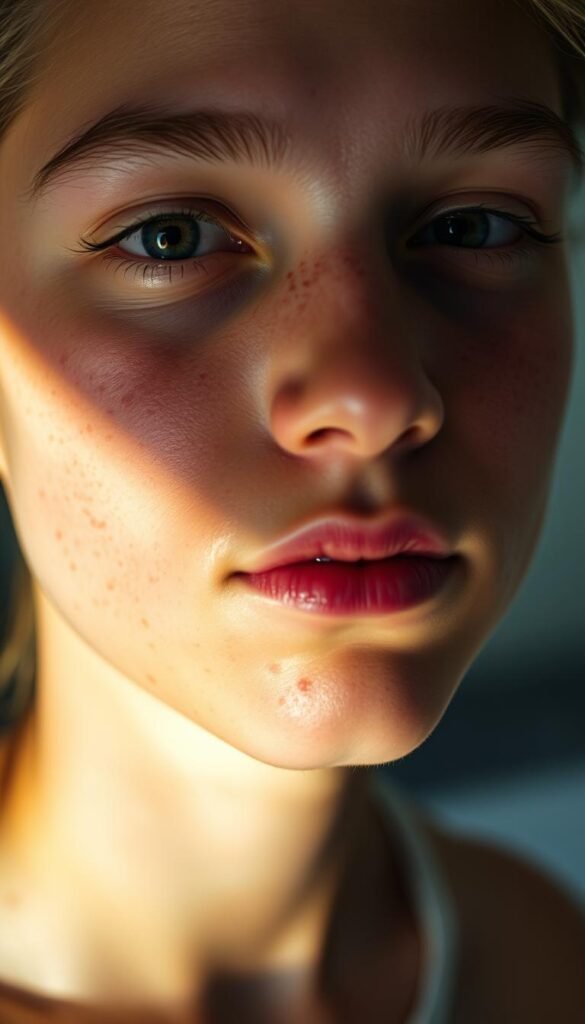
“Vulnerability is not weakness; it’s our greatest measure of courage,” Brené Brown once said. This truth hit me hard during my years battling cystic breakouts. Instead of hiding beneath layers of makeup, I discovered something radical: flaws can fuel freedom.
This Website contains affiliate links. That means I may earn a small commission if you purchase through my links, at no extra cost to you.
I remember staring at my reflection, tears mixing with frustration. Society told me smooth, filtered skin equaled worth. But through trial and healing, I learned that real confidence grows when we stop fighting what makes us human. Our marks tell stories—of resilience, growth, and self-acceptance.
This shift isn’t just personal. Across social media and beauty campaigns, people are rewriting the script. They’re sharing unfiltered selfies, celebrating texture, and finding power in authenticity. My journey taught me that skin isn’t a mask to perfect—it’s a canvas showing how we’ve lived, loved, and overcome.
Cultural beauty standards are shifting toward authenticity
Skin challenges can teach resilience and self-compassion
Community support accelerates confidence-building
Mindset changes create lasting empowerment
The Rise of Acne Positivity in American Culture
Growing up, I never saw anyone like me in paintings or movies. Skin texture was airbrushed into oblivion, creating a lie we all pretended to believe. But history tells a different story—one where imperfections were hidden not because they didn’t exist, but because power dictated beauty.
Historical Portrayals of Acne in Art and Media
Shakespeare’s description of a thief’s acne-riddled face reveals how society linked blemishes to moral failure. Even 16th-century works like The Tax Collectors subtly included scars—rare glimpses of reality. Artists knew the truth: wealthy patrons paid for fantasy, not flawed humanity.
Hollywood doubled down on this bias. Heroes glowed with poreless perfection, while villains bore marks like Grease’s “Craterface.” Eloise Midgen’s cursed attempt to fix her skin in Harry Potter mirrored our collective shame. For centuries, media taught us to view texture as tragedy.
Modern Shifts in Beauty Standards and Acceptance
Everything changed when Instagram became a mirror instead of a mask. Dr. Pimple Popper’s viral videos normalized conversations about skin health. Model Cassandra Bankson turned her acne into advocacy, proving vulnerability could be viral.
Then came Lady Bird in 2017. Seeing Saoirse Ronan’s scars on screen felt revolutionary—like someone finally said, “This is real, and it’s beautiful.” Today, TikTok creators film makeup-free routines while discussing self-worth. The way we frame imperfections isn’t just changing—it’s rewriting what it means to belong.
My Personal Journey with Acne and Self-Acceptance
The fluorescent bathroom light became my enemy at sixteen. Every morning, it magnified what felt like betrayal—my skin erupting in angry crimson mountains no cream could tame. I’d press ice cubes against cysts, praying they’d shrink before school.
Overcoming the Emotional Burdens of Acne
Worst were the comments. “Have you tried cutting dairy?” or “My cousin’s friend cleared hers with toothpaste!” Each suggestion felt like proof I’d failed at basic human upkeep. My face became a billboard announcing my insecurities—especially in a town where clear complexions seemed as common as Starbucks cups.
Scars lingered long after breakouts faded. Those brown marks mocked me on days my skin finally felt calm. I’d cancel plans, convinced people would only see the map of past battles, not the person beneath.
Finding Confidence Through Raw, Real Experiences
Everything shifted during a camping trip. No mirrors. No Wi-Fi. Just sweat, laughter, and friends who loved my ghost stories more than they noticed my acne. For the first time, I felt confidence growing—not from perfection, but from being fully present.
Now, when I touch the textured landscape of my scars, I don’t wince. They’re proof I survived society’s beauty gauntlet and chose to write my own rules. My acne journey taught me that healing isn’t about erasing history—it’s about embracing the warrior beneath the surface.
10 Reasons Acne Positivity Is the New Confidence
I discovered freedom when I stopped analyzing my reflection during Zoom calls. That tiny camera square became a truth-teller—showing laugh lines, texture, and skin that breathes rather than hides. This shift didn’t happen overnight, but through deliberate choices that rewired my self-perception.
Embracing Imperfections for Personal Empowerment
Scrolling through feeds used to feel like drinking poison. Then I learned 72% of influencers edit their skin texture. Now I follow creators who post makeup-free progress photos. Their raw honesty taught me: “Flaws become superpowers when we stop apologizing for them.”
Three changes that transformed my mindset:
Old Habit
New Practice
Result
Hourly mirror checks
Morning & evening routines only
+3 hours/week for hobbies
Neutral-toned hoodies
Bold patterns I love
5x more compliments
Avoiding cameras
Daily unfiltered selfies
Confidence boost in 2 weeks
Practical Tips to Celebrate Your True Skin
Your journey deserves celebration, not comparison. Start small:
Replace mirror criticism with time spent painting or hiking
Wear that red lipstick or go bare-faced—your choice matters
Research shows 30 minutes of daily movement boosts self-esteem more than any cream. Last week, I danced in my kitchen with a fresh breakout—and realized acne can’t dim joy unless we let it. Your skin tells a story worth living, not editing.
Navigating Everyday Life Challenges with Acne
Walking through the grocery store aisle last week, a stranger gestured to my chin. “My niece cleared hers with apple cider vinegar,” she said brightly. These moments used to shatter me—now they reveal how far I’ve come in owning my story.
Handling Social Interactions and Unsolicited Advice
Unsolicited comments about acne often come from good intentions but land like grenades. I’ve mastered the art of smiling while thinking: “You don’t know my 3 AM research sessions or dermatologist visits.” Most people suggesting miracle cures don’t realize hormonal shifts or genetics play bigger roles than diet.
Setting boundaries became my superpower. When coworkers mention advice about skincare, I respond: “I appreciate your concern—my routine’s working for me.” This shuts down debates without hostility. Research shows 68% of unsolicited suggestions stem from discomfort with visible differences—not actual expertise.
The real game-changer? Recognizing my authority. After years of trial and error, I know which products cause flare-ups and which genuinely help. Now, when relatives push advice about chocolate or makeup, I redirect conversations to shared interests like hiking or baking.
Every comment about my acne used to feel personal. Now I see them as reminders to celebrate progress—not perfection. By reframing these interactions, I’ve turned awkward moments into opportunities to model self-assurance. The impact? Friends now ask permission before discussing my skin, creating space for mutual respect.
Embracing Skincare, Health, and Self-Care Practices
Three years ago, I burned my favorite candle during a skincare routine and realized: caring for my skin had become sacred time rather than a chore. This ritual now includes morning affirmations whispered to my reflection and evening stretches that ease both muscles and insecurities.
Building a Holistic Skincare Routine
My bathroom shelf tells a story of evolution. Gone are the harsh products promising overnight miracles. Instead, I use gentle cleansers paired with five-minute face massages that reduce tension. Dr. Sandra Lee’s advice rings true: “Healthy skin requires equal parts science and self-compassion.”
Three pillars transformed my approach:
Morning meditation before touching any skincare bottles
Weekly meal prep with omega-rich foods for skin health
Nightly gratitude journaling about my body’s resilience
Simple Self-Care Steps for Boosting Confidence
True care extends beyond serums. I discovered holistic self-care skincare practices during a yoga retreat—like drinking mint tea while masking, turning routines into multisensory experiences. Studies confirm what my mood proves: 20 minutes of daily walking boosts self-esteem more than any cosmetic.
My current non-negotiable habits:
Friday night baths with Epsom salts
Replacing screen time with library visits
Cooking colorful meals that nourish skin from within
Scars fade slower than breakouts, but my perspective shifted faster. Now when I trace their texture, I whisper: “Thank you for healing.” True health glows when we stop fighting our bodies and start celebrating their wisdom.
The Role of Social Media and Community Support
Scrolling through my phone one night, I stumbled upon a post that changed my perspective. A creator shared unfiltered photos of her textured skin with the caption: “This is where healing lives.” That moment sparked my journey into online spaces rewriting beauty narratives.
Curating Courage Through Connection
When #freethepimple went viral in 2018, I realized I wasn’t alone. Activists like Lou Northcote and bloggers such as Kali Kushner built digital communities where scars became badges of honor. Their raw posts taught me to see my reflection as skin—not a problem to fix.
Celebrities shifted the conversation too. Seeing Justin Bieber discuss his struggles or Cara Delevingne post makeup-free selfies normalized imperfections. I began following artists like @peterdevito, whose portraits celebrate diverse textures. Their work mirrors findings from a recent study showing 59% of young adults battle appearance anxiety—proof we need more realness online.
Now, I treat my feed like a gallery—only keeping accounts that fuel joy. Hashtags like #skinpositivity connect me to warriors worldwide. Every double-tap on an unedited photo feels like rebellion. Together, we’re proving community can turn isolation into empowerment, one scroll at a time.
FAQ
How do I handle unsolicited advice about my skin?
I’ve learned to smile and say, “Thanks, but I’m focusing on what makes me feel healthy.” Redirecting the conversation to health instead of appearance shuts down unhelpful comments while keeping my confidence intact.
Can social media really help with self-acceptance?
Absolutely. Following creators like @myfacestory or @skinperspective reshaped how I view my face. Their raw posts and hashtags like #AcnePositivity remind me I’m part of a supportive community, not alone in this journey.
What’s the first step to building a skincare routine?
Start simple. I use gentle cleansers from CeraVe and moisturizers with niacinamide. Listening to my skin’s needs—not trends—helped me create a ritual that feels empowering, not stressful.
How do I deal with bad skin days?
I let myself feel frustrated, then reframe it. Wearing my favorite bold lipstick or rocking a messy bun shifts focus from flaws to features I love. Some days, I just say, “This is temporary,” and move forward.
Does makeup worsen acne?
Not if you choose non-comedogenic formulas. Brands like Glossier and Hero Cosmetics offer coverage that lets my skin breathe. I’ve realized makeup isn’t about hiding—it’s about celebrating how I want to show up that day.
How can I connect with others who understand?
Join groups like the Acne Warriors Collective or Reddit’s /r/SkincareAddiction. Sharing stories there taught me resilience and gave practical tips I’d never find in glossy magazines.
Can scars affect mental health long-term?
They did for me—until I started viewing them as proof of survival. Using treatments like Paula’s Choice BHA improved texture, but embracing their story healed my mindset. Now, they’re just part of my map.
Why is acne positivity trending now?
People crave authenticity. Movements like #FilterDrop challenge unrealistic beauty standards, proving real skin isn’t “flawed”—it’s human. This shift lets us reclaim power over how we define confidence.
How do I respond to rude remarks about my face?
I keep it short: “My skin doesn’t define me.” If they push, I ask, “Why does this bother you?” Turning the spotlight back often ends the conversation quickly and makes them rethink their words.
Are there foods that actually help with breakouts?
While no magic diet exists, reducing dairy and sugar helped me. Drinking spearmint tea and eating omega-rich foods like salmon became part of my self-care routine—not just for my skin, but my overall joy.