“People will forget what you said, people will forget what you did, but people will never forget how you made them feel.” – Maya Angelou’s words hit differently when you’re battling a skin condition that feels like it’s written on your face. For years, I struggled with deep, stubborn breakouts that refused to fade. They weren’t just pimples—they were painful, confidence-crushing reminders of how little control I had over my own body.
This Website contains affiliate links. That means I may earn a small commission if you purchase through my links, at no extra cost to you.
Those inflamed bumps beneath the surface of my skin became a daily battle. I tried everything: creams, cleansers, DIY hacks. But cystic acne doesn’t care about good intentions. It lingers, flares, and leaves scars—both physical and emotional. I know how isolating it can feel when even your reflection seems like a stranger.
This isn’t just another list of generic advice. After countless dermatologist visits, late-night research sessions, and experiments with both clinical and holistic approaches, I discovered solutions that truly changed my skin’s story. Whether you’re dealing with occasional flare-ups or persistent cysts, what worked for me might finally give you the relief you deserve.
Key Takeaways
- Cystic acne often requires personalized strategies beyond basic skincare
- Combining professional guidance with at-home care yielded the best results
- Patience and consistency proved critical in managing breakouts
- Emotional well-being is deeply tied to skin health
- Practical, tested methods can reduce inflammation and prevent scarring
Understanding Cystic Acne: Causes and Personal Insights
What looks like ordinary breakouts often hides a deeper struggle. My journey began with mysterious lumps that resisted every cleanser and spot treatment I owned. Unlike surface-level pimples, these invaders camped beneath my skin, turning simple smiles into wincing exercises.
Recognizing the Signs and Symptoms
True cystic acne doesn’t play by regular breakout rules. My cysts felt like marbles lodged under my jawline – tender to touch but never surfacing. Dermatologists explained this occurs when oil and bacteria get trapped deep in hair follicles, creating inflammation that standard products can’t reach.
| Type | Depth | Pain Level | Duration |
|---|---|---|---|
| Cystic | Subsurface | High | Weeks |
| Whiteheads | Surface | Low | Days |
| Blackheads | Surface | None | Weeks |
My Story with Painful, Inflammatory Breakouts
Monthly hormonal shifts turned my face into a battlefield. Stress amplified the redness, while dairy products fueled the fire.
“You’re treating the wrong layer,”
my dermatologist finally said, explaining why benzoyl peroxide alone failed. This harsh truth became my turning point.
Three patterns emerged: recurring jawline cysts, scarring risks from picking, and emotional spirals after flare-ups. Learning about follicular blockages helped me stop blaming my hygiene routine and start targeting the real culprits.
7 Treatments That Actually Helped My Cystic Acne
My skin’s transformation began when I stopped chasing quick fixes and embraced a strategic approach. After countless failed attempts, I realized cystic acne needed both immediate relief and long-term solutions. This meant blending kitchen-counter experiments with clinical expertise.
Ice packs became my first defense against angry flare-ups. The cold dulled throbbing pain within minutes. Turmeric masks followed, staining my face yellow but calming redness overnight. These methods bought time between dermatologist appointments.
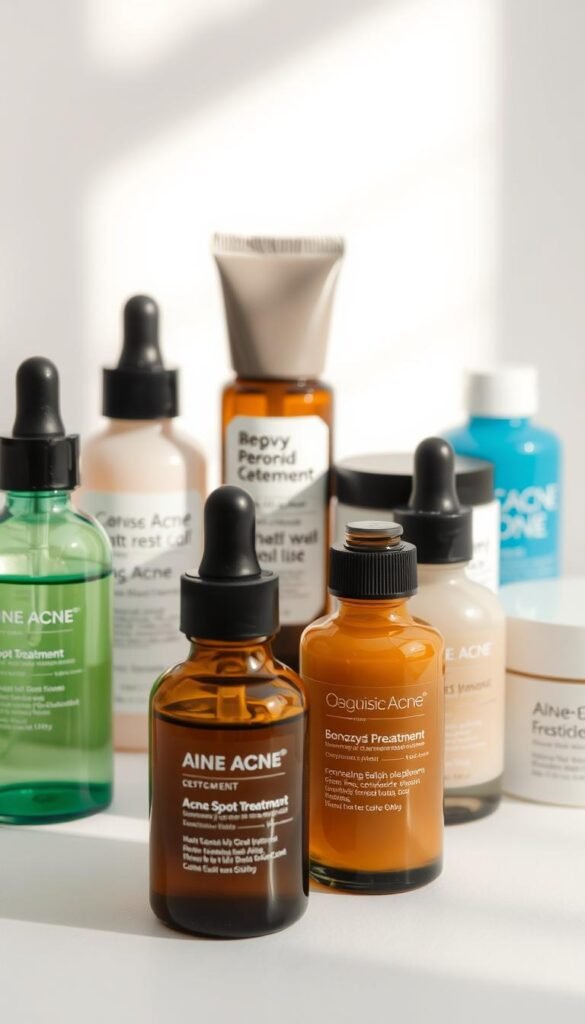
While home remedies soothed symptoms, lasting change required professional input. My skincare specialist introduced prescription retinoids that penetrated problem areas. We combined these with probiotic supplements to address gut-related triggers common in acne.
| Approach | Purpose | Effectiveness | Timeframe |
|---|---|---|---|
| Ice Therapy | Reduce swelling | Temporary | Immediate |
| Turmeric Masks | Calm inflammation | Moderate | Overnight |
| Prescription Retinoids | Prevent new cysts | High | 6-8 weeks |
| Probiotic Regimen | Balance gut health | Cumulative | 3+ months |
Dietary shifts proved unexpectedly crucial. Cutting dairy reduced new eruptions by nearly half. Tea tree oil diluted in jojoba became my natural spot treatment—after learning to patch test properly.
The real game-changer? Consistency. Using medical-grade products morning and night, even when my skin seemed calm. Six months in, the mirror finally reflected progress worth celebrating.
Home Remedies That Offered Temporary Relief
Desperation led me to explore kitchen staples when prescription creams weren’t enough. While these solutions didn’t cure my acne, they bridged the gap between flare-ups and dermatologist visits.

Cooling the Fire
Ice became my emergency responder for angry breakouts. Wrapping cubes in thin cloth prevented frostbite while numbing throbbing cysts. Two-minute sessions reduced swelling enough to let me face the day.
Spice-Based Solutions
Turmeric’s golden hue stained my face but calmed redness. Mixed with water into a paste, it created an antibacterial shield. I rinsed after 15 minutes, repeating twice weekly – always testing new batches on my wrist first.
| Approach | Purpose | Frequency | Results |
|---|---|---|---|
| Ice Therapy | Reduce swelling | As needed | 15-30 min relief |
| Turmeric Mask | Fight bacteria | 2-3x weekly | Less redness |
| Dairy-Free Diet | Prevent triggers | Daily | Fewer new cysts |
Diet changes brought unexpected wins. Cutting milk and sugary snacks for 21 days revealed their impact on my skin. Though challenging, this experiment halved monthly breakouts – proof that what fuels the body affects its largest organ.
Probiotics and Tea Tree Oil: Natural Allies in My Journey
My bathroom cabinet overflowed with failed solutions until I looked beyond topical fixes. Research about the gut-skin axis made me rethink my strategy—what if healing started from within? This revelation led me to two unexpected heroes: fermented foods and a potent essential oil.
Balancing Gut Health with Probiotic Foods
A 2018 study showed probiotics could combat multiple skin issues, not just acne. I traded sugary snacks for tangy kefir and spicy kimchi. Within weeks, my digestion improved—and so did my jawline cysts.
| Source | Key Benefit | Frequency |
|---|---|---|
| Yogurt | Boosts good bacteria | Daily |
| Sauerkraut | Reduces inflammation | 3x weekly |
| Kombucha | Supports detox | 2x weekly |
Applying Tea Tree Oil Safely and Effectively
This essential oil became my nighttime warrior against stubborn bumps. I learned the hard way: pure application causes redness. Now I mix two drops with jojoba oil—just enough to zap bacteria without irritation.
Morning moisturizer got an upgrade too. Adding diluted tea tree extract created a protective barrier. Paired with probiotic-rich meals, this dual approach finally eased my skin’s angry protests.
Knowing When to Seek Professional Help
There comes a moment when stubborn skin issues demand more than home care. I learned this after weeks of staring at an unrelenting cyst that mocked my turmeric masks and ice packs. Painful reality check: some battles require reinforcements.
Recognizing Signs of Infection and Persistent Cysts
My breaking point arrived when a jawline cyst tripled in size overnight. Feverish warmth radiated from the area—a glaring red flag. Dermatologists later explained three non-negotiable triggers for seeking help:
- Lumps lasting beyond five days with zero improvement
- Yellowish discharge or spreading redness
- Discomfort disrupting sleep or daily tasks
I wish I’d known earlier what doctors emphasize: delaying care risks permanent scars. My dermatologist’s steroid injection dissolved a month-long cyst in 48 hours—something no tea tree oil could achieve.
Now, I watch for subtle warnings: tenderness that lingers, recurring spots in the same area, or acne that laughs at proven remedies. Seeking help isn’t weakness—it’s giving your skin the expertise it deserves.
Medical Treatments: My Dermatologist’s Recommendations
After months of battling stubborn breakouts, my turning point came in a sterile exam room. My dermatologist’s clipboard held answers my bathroom shelf never could. “Let’s rebuild your strategy,” she said, flipping through pages of clinical options I’d never considered.
Prescription Medications and Procedure Options
We started with topical retinoids to unclog pores at their source. Unlike store-bought creams, these potent formulas penetrated deeper layers where cysts originate. For hormonal flares along my jawline, spironolactone became my daily ally—a game-changer I wish I’d tried sooner.
My treatment plan blended science and precision:
- Oral antibiotics (doxycycline) to calm active inflammation
- Azelaic acid mornings to fade post-breakout marks
- Quarterly steroid injections for cysts threatening to scar
When three persistent nodules refused to budge, we introduced light therapy. The blue wavelengths targeted bacteria without drying my skin—a stark contrast to harsh DIY methods. According to Mayo Clinic’s guidelines, combining approaches often yields the best results for severe cases.
| Treatment | Frequency | Key Benefit |
|---|---|---|
| Retinoid Cream | Nightly | Prevents new cysts |
| Spironolactone | Daily | Balances hormones |
| Laser Therapy | Monthly | Reduces bacteria |
Within eight weeks, my reflection began changing. The roadmap of angry red lumps smoothed into faint pink memories. Medical intervention didn’t erase my journey—it redirected it toward healing.
Daily Skincare Routine for Clear, Healthy Skin
Building a daily ritual transformed my approach to managing breakouts. Consistency wasn’t glamorous, but it rebuilt my skin’s trust. Morning and night, I followed steps that respected my skin’s fragility while tackling its stubborn tendencies.
Selecting the Right Cleanser and Moisturizer
My dermatologist insisted on a cleanser with 2% salicylic acid – a game-changer for dissolving pore-clogging debris. Unlike harsh scrubs, this formula gently lifted excess oil without stripping moisture. For hydration, I switched to noncomedogenic moisturizers packed with ceramides. These ingredients fortified my barrier, proving that hydration and acne control can coexist.
Using Spot Treatments to Calm Inflammation
Benzoyl peroxide became my midnight ally against angry flare-ups. Starting with 2.5% strength prevented the dryness I’d experienced with higher concentrations. A dab directly on cysts reduced inflammation within hours, while sulfur-based patches protected tender areas overnight.
Through trial and error, I learned that products work best when layered thoughtfully. Cleansing first, treating second, and moisturizing last created harmony in my routine. My skin didn’t heal overnight, but this disciplined cadence brought the peace it desperately needed.