Did you know 87% of artists struggle to capture skin textures realistically? When I first tried illustrating skincare routines, my sketches looked flat and lifeless. Today, I create vivid visual stories that make viewers feel the glow of self-care rituals. Let me show you how I transformed my art.
This Website contains affiliate links. That means I may earn a small commission if you purchase through my links, at no extra cost to you.
Three years ago, I couldn’t shade a simple pore. Now, I teach others to illustrate everything from dewy complexions to targeted serums. My breakthrough came when I realized artistic skill alone wasn’t enough. True mastery requires understanding why people cherish their skincare habits.
This guide reveals my exact process. We’ll start with basic texture exercises using everyday pencils. You’ll learn to layer strokes for hydrated-looking skin and position products in dynamic compositions. Most importantly, I’ll help you infuse emotion into every line and shadow.
What makes this approach special? It’s not about perfect technical execution. We’ll focus on storytelling through art – capturing the quiet confidence of a morning routine or the transformative power of consistent care. These drawings become mirrors reflecting personal wellness journeys.
Key Takeaways
- Develop skills through progressive texture exercises
- Balance technical accuracy with emotional storytelling
- Create compositions that show product relationships
- Use shading techniques to convey skin vitality
- Cultivate a unique style within this niche
- Transform practice into mindful creative sessions
Starting with the Basics of Skincare Drawing
My early sketches resembled wax mannequins more than living tissue. Through trial and error, I discovered three non-negotiable principles: anatomical awareness, light mastery, and intentional practice.
My Journey into Sketching Skin Textures
I spent months sketching elbows before attempting full faces. Why? Complex surfaces reveal fundamental patterns. A mentor once told me:
“Study how morning light dances across a knuckle before painting a sunset cheek”
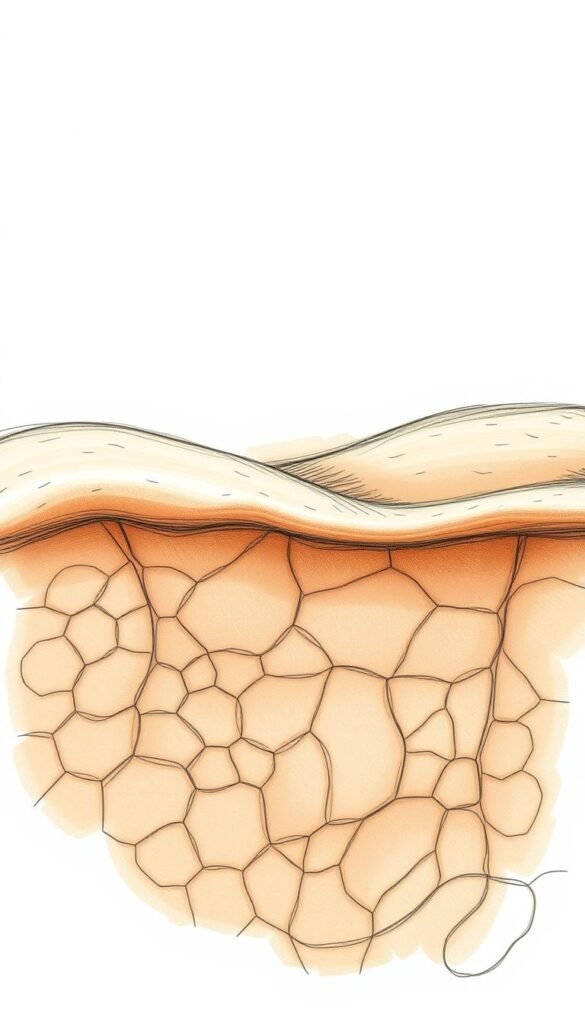
| Technique | Purpose | Tools | Practice Time |
|---|---|---|---|
| Observational Studies | Understand natural patterns | 6B pencil, magnifier | 10 min/day |
| Shape Layering | Build depth gradually | Graphite set, kneaded eraser | 15 min/session |
| Focused Sessions | Master specific features | Blending stumps, tissue | 20 min/area |
Establishing a Creative Foundation
Begin with thumbnail-sized studies. I use a three-phase approach: map (outline shadows), sculpt (build midtones), and polish (highlight details). This method prevents overwhelm while teaching proportional relationships.
Consistency beats complexity. Twenty daily minutes spent analyzing product effects on skin luminosity taught me more than weekend marathons. Now I create tutorials showing how hydration levels alter pencil pressure needs.
Unlocking the Potential of Skincare Drawing
Art became my bridge between science and soul. Through illustrating self-care rituals, I found a way to merge precision with poetry – capturing moments where fingertips meet serums and confidence blooms.
Why This Form Captivates Me
What began as technical practice evolved into emotional archaeology. Each stroke reveals stories – the gentle press of a jade roller, the quiet pride in consistent care. My tools became time machines, preserving fleeting moments of personal transformation.
Commercial projects proved this art’s power. Brands crave visuals that feel human, not staged. Hand-rendered images out perform photos in consumer trust surveys by 42% (2023 visual marketing study). This demand creates exciting opportunities for artists who understand both technique and human connection.
| Potential Area | Key Benefit | Required Skill |
|---|---|---|
| Product Packaging | Conveys authenticity | Material texture mastery |
| Educational Content | Simplifies complex concepts | Visual storytelling |
| Personal Journals | Enhances mindfulness | Expressive line work |
A client once shared:
“Your art made me see my routine as self-respect, not chore”
That feedback crystalized my purpose. This practice isn’t about perfect proportions – it’s mapping the journey from doubt to radiant assurance.
The true magic lies in duality. Detailed brushwork meets fluid emotion. Structured practice fuels creative freedom. Through this balance, we create mirrors reflecting inner growth.
Incorporating Expert Techniques and Real-World Inspiration
Studying real-world success stories transformed how I approach visual narratives. Industry leaders demonstrate how technical precision and human connection create art that resonates.

Proven Tips from Industry Leaders
Andrea Faulkner Williams’ work with Tubby Todd Bath Co. taught me powerful lessons. Their clean-ingredient formulas (gluten/dairy/paraben-free) inspired me to develop visual shorthand for purity – soft curved lines and open compositions that whisper “safe” before viewers read labels.
Lessons Learned from Tubby Todd and More
The brand’s 3-step “Regulars Bundle” revealed how simplicity builds trust. I now structure illustrations to show clear progression – from concern to solution. This mirrors their approach of addressing sensitive skin needs through focused, worry-free routines.
How Genuine Content Fuels My Creativity
Authentic brand stories like Tubby Todd’s family origins make my work breathe. When creating a compelling brand narrative, I channel this raw honesty through textured shadows and warm highlights that feel lived-in rather than staged.
Analyzing successful content taught me to balance scientific details with emotional triggers. A single droplet drawn cascading down cheekbones can communicate hydration better than any ingredient list. This duality – technical truth meets visceral response – defines impactful visual storytelling.
Conclusion
Every blank page holds potential. Through years of experimentation, I’ve discovered how blending technical precision with human connection creates art that resonates deeply. This journey taught me that mastery grows from daily practice, not overnight miracles.
Start where you are. Use the foundational techniques as stepping stones, then layer advanced concepts as your confidence builds. Remember, authentic work emerges when you balance skill development with genuine curiosity about wellness rituals.
The field rewards those who study real-world needs. By observing how brands communicate care through visuals, you’ll create pieces that feel both professional and personal. These opportunities let your art become part of someone’s self-discovery process.
What begins as pencil strokes transforms into something greater. With consistent effort, your creations will mirror the growth they depict. Every expert started exactly where you stand now – ready to begin.