Did you know 60% of adults experience the frustrating duality of shiny foreheads paired with flaky cheeks? Cosmetic dermatologist Dr. Sam Bunting reveals this surprising reality—one I’ve personally navigated and mastered. If you’ve ever felt like your face has two different agendas, you’re not alone.
This Website contains affiliate links. That means I may earn a small commission if you purchase through my links, at no extra cost to you.
I used to waste hours layering serums on dry zones while battling oil slicks elsewhere. Now, I’ll show you how to harmonize these extremes without juggling six different creams. The secret? Understanding that your T-zone and cheeks aren’t enemies—they’re teammates needing tailored support.
Through trial, error, and expert insights, I’ve cracked the code for maintaining comfort year-round. You’ll learn to simplify your routine while achieving that elusive “just right” balance—even when winter winds blow or summer humidity strikes.
Key Takeaways
- Over half of adults manage both oily and dry facial areas simultaneously
- Balanced results come from strategic care, not complex product layering
- Targeted hydration minimizes visible differences between zones
- Seasonal adjustments prevent weather-related imbalances
- Consistent routines transform frustration into confidence
Understanding Combination Skin
Have you ever wondered why your face feels like two different territories? Let’s start with a simple experiment. Wash with a sulfate-free cleanser, wait 20 minutes, and observe. If your T-zone glistens like a summer sidewalk while your cheeks mimic parched desert soil, congratulations—you’ve got textbook combination skin.
Identifying Oily Versus Dry Areas
Your nose, brow, and chin often betray you first. These zones produce excess sebum, creating shiny patches and visible pores. Meanwhile, cheek areas might feel tight or rough—like they’re silently begging for moisture. I’ve seen clients shocked to learn their “normal” skin was actually combination all along.
| Oily Zones | Dry Zones | Care Strategy |
|---|---|---|
| Shiny appearance | Flaky texture | Blotting papers |
| Visible pores | Tightness | Gel moisturizers |
| Prone to breakouts | Dullness | Hyaluronic acid |
Genetic and Environmental Influences
Blame your parents first—genetics dictate oil gland distribution. But lifestyle choices amplify differences. Harsh products strip moisture from dry patches while triggering oil surges elsewhere. Even weather plays tricks: winter winds parch cheeks, while humidity turns foreheads into oil fields.
Some experience an oily-yet-tight sensation everywhere. This dehydration stems from barrier damage, not true oiliness. Treat it like combination skin—balance hydration without suffocating pores. Your unique pattern holds the key to harmony.
Skincare for Combination Skin: A Comprehensive Approach
Your face isn’t betraying you—it’s asking for a smarter strategy. I’ve learned through years of consultations that true balance comes from working with your complexion’s contradictions, not against them. This philosophy transformed how I treat my own T-zone shine and cheek tightness.
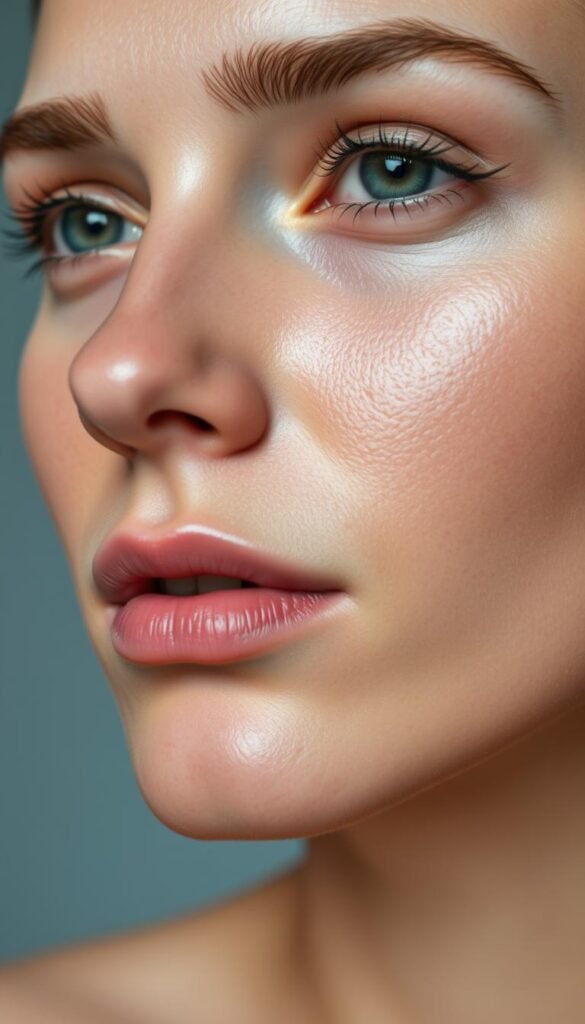
The Dual Nature of Combination Skin
Think of your face as a landscape with distinct microclimates. Oil-rich zones often crave control, while drier regions need nurturing. But here’s what most miss: these areas influence each other. Over-drying your forehead can trigger more oil production, worsening the imbalance.
New research reveals an eye-opening twist. Dermatologist Dr. Alexis Stephens notes:
“Darker complexions (Fitzpatrick types V-VI) frequently show barrier weaknesses causing dehydration without excess oil. This creates a unique combination scenario needing specialized care.”
| Concern | Oily Zones | Dry Zones |
|---|---|---|
| Primary Need | Sebum control | Barrier repair |
| Key Ingredients | Niacinamide | Ceramides |
| Application Tip | Targeted serums | Layered hydration |
My method focuses on unified solutions that address multiple needs. A gel-cream hybrid moisturizer, for instance, quenches parched cheeks without overwhelming pores. It’s about finding products that speak both languages fluently.
Those with melanin-rich tones face particular challenges. Tightness alongside breakouts often gets misdiagnosed. Recognizing this pattern as combination characteristics—rather than separate issues—leads to better outcomes. Your routine should celebrate complexity, not fear it.
Diagnosing Your Unique Skin Type
Your face tells a story written in oil and flakes. I’ve developed a diagnostic method that reveals hidden patterns through simple observations. Start by pressing a clean tissue to your forehead after waking up. If it leaves translucent marks while your jawline feels like sandpaper, you’ve found your first clue.
How to Tell if You Have Combination Skin
Many mistake their complexion’s mood swings for temporary issues. True combination characteristics persist through proper cleansing and moisturizing. Track these three days after switching to gentle products:
| Oil Signals | Dry Signals | Quick Fix |
|---|---|---|
| Midday shine | Flaky patches | Blotting strips |
| Blackheads | Rough texture | Mist sprays |
| Acne clusters | Stinging sensation | Barrier creams |
My client Rachel discovered her “normal” skin was actually combination when hormonal shifts caused chin breakouts alongside cheek redness. “I thought I needed separate routines,” she told me. “Now I use targeted solutions that multitask.”
Recognizing the T-Zone and Cheek Differential
Not all oil deserts and hydration oases follow the classic map. Some experience an oily hairline with dry temples, or dewy cheeks paired with a parched chin. Create your personal skin map by:
- Documenting shine patterns hourly
- Noting product reactions in each zone
- Tracking seasonal changes
Your unique blueprint determines whether you need mattifying serums on the nose or hydrating masks on the jawline. Remember: Combination doesn’t mean complicated—it means customizable.
Lifestyle Factors Impacting Your Skin
Your daily choices write invisible messages across your face. I’ve seen clients transform their complexions by addressing hidden triggers beyond their bathroom shelves. Let’s decode how your habits shape your unique landscape.
Seasonal, Hormonal, and Dietary Influences
Testosterone doesn’t just build muscle—it fuels your T-zone’s oil factories. During my pregnancy, raging hormones turned my chin into a breakout zone while my cheeks cracked. Life’s transitions amplify existing patterns:
| Trigger | Dry Zone Impact | Oily Zone Reaction |
|---|---|---|
| Menstrual cycles | Increased flaking | Blackhead surge |
| Birth control pills | Parched texture | Shine reduction |
| High-sugar diets | Dullness | Cystic acne |
“Cold weather strips protective lipids, tricking oil glands into overdrive,” explains dermatologist Dr. Hadley King. Your morning latte could be stirring trouble—caffeine spikes cortisol, worsening both dryness and breakouts.
Managing Stress and Environmental Aggressors
Your commute matters more than you think. Subway heat blasts parch cheeks while pollution particles clog pores. My three-step defense system works wonders:
- Humidifiers combat office AC dryness
- Antioxidant serums neutralize free radicals
- Lukewarm showers prevent moisture robbery
When deadlines loom, I mist rosewater on dry patches and press ice cubes along my hairline. Remember: Your skin mirrors internal storms. Nourish it with omega-rich foods and mindfulness practices to quiet the chaos.
Gentle Cleansing Routines for Balanced Skin
Finding harmony in your cleansing routine starts with understanding your complexion’s unique needs. Many make the mistake of treating their T-zone like an enemy rather than a partner. Let’s explore how to clean effectively without disrupting your natural equilibrium.
Choosing the Right Cleanser for Each Zone
Your driest areas should dictate your product choice. I learned this the hard way after stripping my cheeks with acne-focused formulas. Water-soluble gels work best—they lift impurities without disturbing delicate moisture levels.
| Harsh Ingredients | Effects | Gentle Alternatives |
|---|---|---|
| Sodium lauryl sulfate | Strips natural oils | Cocamidopropyl betaine |
| Denatured alcohol | Causes irritation | Glycerin |
| Fragrance oils | Triggers redness | Chamomile extract |
Dermatologist Dr. Whitney Bowe explains:
“Aggressive cleansing confuses oil glands. They compensate by producing more sebum, creating a vicious cycle of shine and dryness.”
Avoiding Harsh Ingredients and Over-Cleansing
Twice-daily washing suffices for most. I guide clients toward balanced cleansing routines using lukewarm water and fingertips—no abrasive tools. Over-cleaning erodes protective lipids, leaving all zones vulnerable.
Notice these warning signs:
- Tightness after washing
- Sudden midday oil surges
- Rough patches near temples
My golden rule? Treat delicate regions like royalty, and oily zones will follow suit. Consistency builds resilience—your barrier deserves nothing less.
The Role of Exfoliation in Your Routine
Exfoliation walks a tightrope between revelation and ruin. I’ve seen clients erase years of dullness with smart acid use—and others trigger chaos by scrubbing like they’re sanding furniture. The trick? Treating your face like a mosaic, not a monolith.
Weekly Exfoliation Techniques
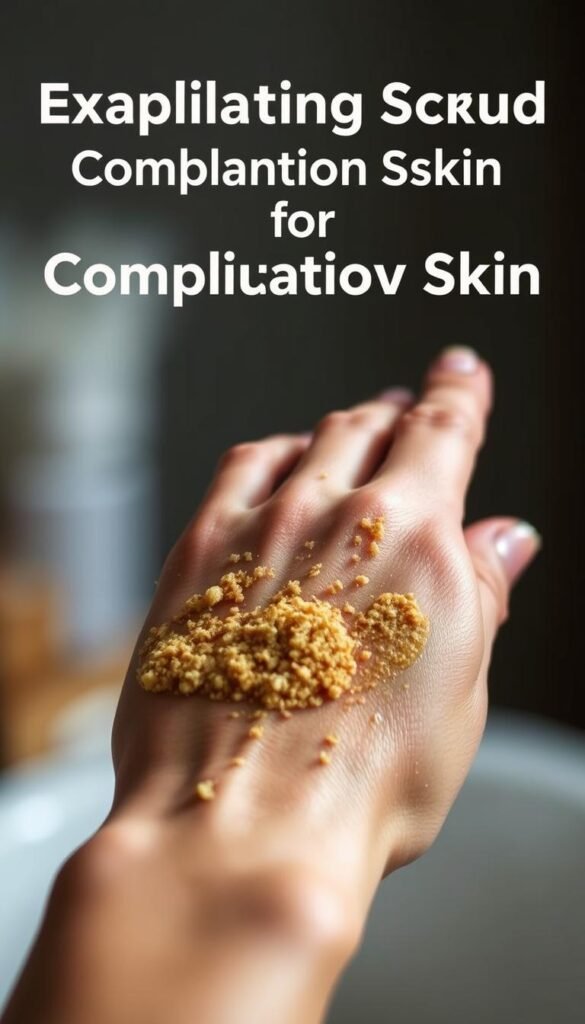
Start with this golden rule: Never exfoliate all zones equally. My Thursday ritual involves azelaic acid on my nose and chin—it melts dead skin cells while calming redness. Cheeks get a hydrating PHA serum that works while I sleep. This targeted approach transformed my client Mark’s rough T-zone into satin-smooth terrain.
| Acid Type | Best For | Frequency |
|---|---|---|
| Azelaic | Pores & inflammation | 2x weekly |
| PHAs | Dry areas & hydration | 3x weekly |
| Lactic | Even texture | 1x weekly |
Benefits of Gentle Chemical and Physical Exfoliants
Chemical exfoliants became my secret weapon after disastrous scrub experiments. As dermatologist Dr. Whitney Bowe explains:
“PHAs offer the perfect balance—they lift debris without stripping moisture. Ideal for complexions that can’t decide between oily and dry.”
When physical exfoliation calls, I mix rice powder with honey for sensitive zones. The grainy texture buffs flakes on my jawline, while the sticky sweetness protects delicate cheek areas. Strategic exfoliation methods let me control shine and softness simultaneously—no guesswork required.
Remember: Exfoliation isn’t punishment. It’s a conversation with your skin’s evolving needs. Listen closely, respond gently, and watch your complexion find its equilibrium.
Targeted Treatments and Active Ingredients
What if your morning serum could negotiate peace between conflicting zones? The answer lies in strategic actives that speak both hydration and regulation fluently. I’ve transformed my routine by treating each area like a distinct neighborhood needing customized governance.
Powerhouse Trio for Balanced Results
Niacinamide became my holy grail after witnessing its dual superpowers. At 5% concentration, this B3 derivative calms my T-zone’s oil production while reinforcing cheek moisture barriers. Dermatologist Dr. Sam Bunting confirms:
“It’s the diplomat of ingredients—mediating between extremes without taking sides.”
Hyaluronic acid works backstage, delivering weightless hydration where needed most. I layer it under moisturizer, letting its magnetic molecules pull moisture into both parched and oily regions. For textured areas, azelaic acid smooths bumps while reducing redness—a triple threat against inflammation.
| Active | Oily Zones | Dry Zones |
|---|---|---|
| Niacinamide 5%+ | Reduces shine | Strengthens barrier |
| Hyaluronic Acid | Mattifies | Plumps |
| Azelaic Acid 10% | Unclogs pores | Softens texture |
Precision Application Techniques
Customization is key. I apply niacinamide serums globally, then target azelaic acid on problem patches. This layered approach tackles multiple concerns without overwhelming delicate areas.
Morning routine hack: Mix 2 drops of hyaluronic acid with your toner for instant balance. Evening secret: Alternate actives—niacinamide on Mondays, azelaic acid on Thursdays. Your complexion thrives on this rhythmic care, evolving from reactive to resilient.
Essential Moisturizing Strategies
Balancing hydration feels like conducting an orchestra—every section needs distinct attention to create harmony. My breakthrough came when I stopped fighting my face’s dual demands and started curating layers that respect each zone’s language.
Lightweight Versus Rich Formulas
I use humectant-rich gels on my forehead—they drink up water like sponges without leaving residue. For cheeks craving comfort, a ceramide-infused lotion rebuilds the barrier overnight. The magic lies in molecular weight: lighter formulas penetrate oily zones, while thicker textures cocoon dry patches.
Layering Moisturizers for Varied Needs
Try this pro move: apply a hyaluronic acid serum everywhere, then dab squalane on parched areas. Ingredients like urea and glycerin work backstage, pulling moisture into thirsty cells. I’ve found targeted hydration solutions prevent the midday shine-and-flake tango better than any single cream.
Your routine should feel like a tailored suit—snug where needed, breathable elsewhere. With smart layering and water-binding actives, you’ll transform frustration into radiant equilibrium. That’s the art of mastering moisture without compromise.