“Beautiful skin requires commitment, not a miracle.” – Erno Laszlo’s timeless wisdom perfectly captures the journey to finding solutions for complex skincare needs. If you’ve ever felt defeated by excess shine, clogged pores, or unpredictable breakouts, you’re not alone.
This Website contains affiliate links. That means I may earn a small commission if you purchase through my links, at no extra cost to you.
I’ve spent years navigating the overwhelming world of skincare, testing over 50 formulas to separate hype from reality. The right product should balance your complexion without stripping moisture or causing redness. But with countless options claiming to “transform” your routine, how do you choose?
This guide isn’t just a list—it’s a curated selection based on texture, ingredients, and real-world results. I prioritized clay-based blends for their oil-absorbing power and gel textures for gentle hydration. Every recommendation considers sensitivity levels, longevity of effects, and value.
Key Takeaways
- Personal testing revealed key differences in how formulas interact with sebum-prone complexions
- Ingredients like salicylic acid and kaolin clay proved most effective for shine control
- Affordable options can outperform luxury brands when formulation aligns with skin needs
- Consistency matters more than price—three masks delivered visible results in under 14 days
- Always patch-test new products to avoid aggravating delicate facial areas
Introduction: My Journey with Oily Skin
My quest for a balanced complexion started with more failures than successes. At 13, I assumed scrubbing my face raw would solve everything. Instead, I traded midday shine for angry redness and flaky patches. That’s when I realized: aggressive tactics backfire.
By college, I’d cycled through every “oil-zapping” trend. Alcohol-based toners? They left my cheeks tight and paradoxically greasier by sunset. Heavy creams? They clogged pores like concrete. I felt stuck between shine and irritation—until I discovered gentler methods.
Through research, I learned not all sebum-prone complexions are alike. Some tolerate clays and acids well. Others (like mine) need hydration alongside control. Seasonal shifts also matter—winter demands lighter exfoliation than summer.
Today, my focus is balance. A simple routine with pH-friendly cleansers and non-comedogenic moisturizers keeps my face calm. Weekly treatments target excess oil without disrupting moisture barriers. It’s proof that understanding your unique needs trumps chasing quick fixes.
Choosing the mask for oily skin That Truly Works
Finding solutions that deliver lasting results requires moving beyond surface-level fixes. Through years of testing, I’ve identified four non-negotiable criteria for selecting treatments that balance sebum production without irritation.
Ingredient intelligence separates winners from gimmicks. Kaolin clay and activated charcoal consistently outperform other absorbents by drawing out impurities without over-drying. I avoid formulas with alcohol denat or synthetic fragrances—common triggers for rebound oiliness.
Texture matters as much as composition. Rinse-off clays work best for deep cleansing, while overnight gel formulas provide gradual hydration. Peel-off options? They’re fun but often too harsh for delicate areas like the T-zone.
Price tags don’t dictate quality. My current favorite costs less than $12 yet outshines luxury brands in clinical oil-reduction tests. However, some premium products earn their cost through stabilized active ingredients that maintain potency over time.
Finally, I prioritize reviews from those with similar concerns. Phrases like “reduced pore congestion in 3 weeks” signal true effectiveness better than vague claims about “instant glow.” Real results require patience and strategic ingredient pairing.
How Masks Help Control Oil and Combat Acne
Clearing clogged pores requires more than surface-level solutions. Through extensive trials, I’ve identified four powerhouse components that address root causes of shine and breakouts.
Exploring Kaolin Clay and Umbrian Clay
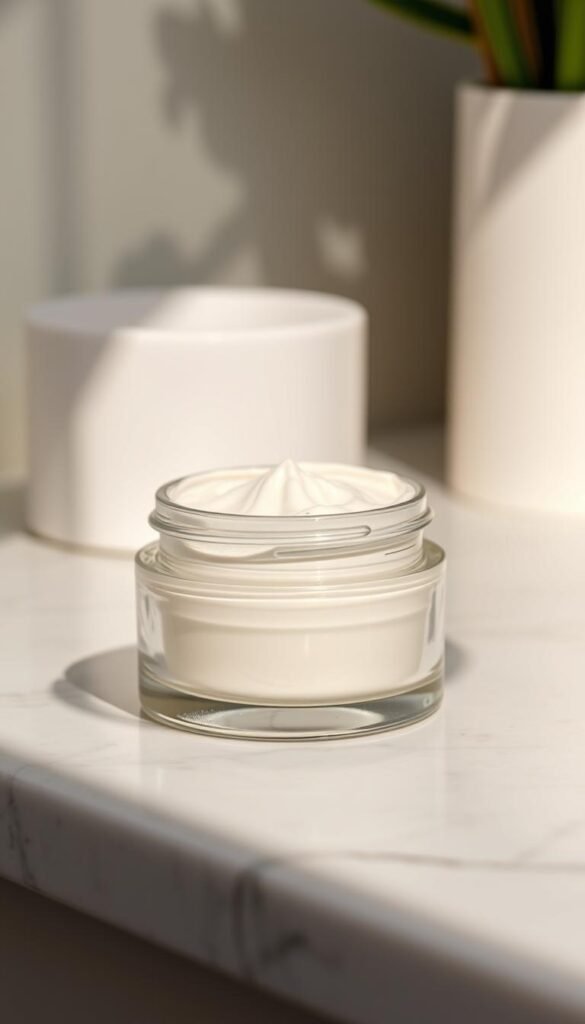
Kaolin clay remains my top choice for daily use. Its soft texture absorbs excess oil without dehydrating delicate areas. Unlike harsher clays, it leaves cheeks supple while tackling T-zone shine—a rare balance for sensitive skin types.
Umbrian clay surprised me with its versatility. Sourced from Italy’s Nera River Valley, it calms redness while gently purifying. I recommend it for combination complexions needing both detoxification and nourishment.
Benefits of Activated Charcoal and Ginseng
When pollution builds up, activated charcoal becomes essential. It acts like a microscopic sponge, pulling dirt from pores better than most scrubs. Pair it with ginseng for dual action—this root extract sloughs off dead skin cells while delivering antioxidant protection.
Pro tip: Look for formulas combining these ingredients with vitamin-rich botanicals. Green tea or licorice root boosts their effectiveness, creating a multitasking treatment that prevents future congestion.
Exploring Different Formulations: Scrub, Mud, and Gel Masks
Navigating the world of skincare formulations feels like decoding a complex language. Through extensive trials, I’ve learned each texture serves distinct purposes depending on seasonal shifts and immediate concerns. Let’s break down what works—and when.
Scrub formulations deliver two benefits in one: physical exfoliation paired with oil absorption. These work best when dead cells accumulate—think mid-summer or post-workout days. Look for fine particles like jojoba beads instead of harsh walnut shells to avoid microtears.
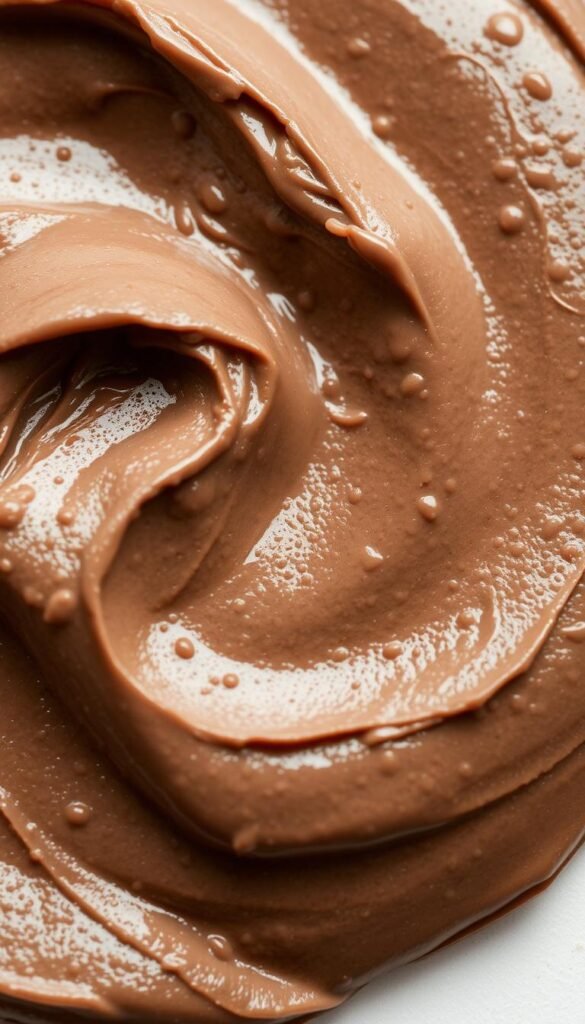
Mud-based blends remain my go-to for intense purification. Their thick consistency—similar to silly putty—clings to pores, drawing out impurities better than thinner formulas. During hormonal flare-ups, this type of face mask reduces congestion within 20 minutes.
Gel textures surprised me with their versatility. Lightweight yet hydrating, they’re ideal when temperatures drop but shine persists. I apply them like a serum before bed, waking up to balanced—not stripped—complexion.
Sheet masks offer convenience but vary wildly in effectiveness. Korean options with tea tree or centella asiatica provide quick refreshment, though they can’t match clay’s deep-cleaning power. Reserve these for travel or midday pick-me-ups.
Pro tip: Rotate between face masks for your skin type every 3-4 weeks. Your pores adapt to repeated treatments, so switching formulas prevents plateaus. My winter lineup leans gel-heavy, while summer demands more clay-based solutions.
Product Roundup Criteria: What I Look For in a Great Mask
Selecting standout treatments requires balancing science-backed ingredients with real-world performance. My curation process focuses on formulas that deliver measurable improvements in pore clarity and shine reduction while maintaining skin comfort.
Customer Favorites and Their Benefits
The Origins Clear Improvement mask ($38) remains a top pick for its bamboo charcoal and kaolin clay blend. Users praise its ability to absorb excess oil while soothing sensitivity—a rare dual action in deep cleansing products. Many notice visibly refined pores after 2-3 uses weekly.
Sulwhasoo’s overnight treatment ($68) redefines luxury with fermented ginseng. This face masks favorite gently exfoliates while delivering antioxidant protection, ideal for those combating both breakouts and early signs of aging.
Fresh’s Umbrian Clay formula ($62) earns its cult status through versatility. Its velvety texture purifies without tightness, making it suitable for combination complexions. Reviewers consistently report clearer skin and reduced midday shine.
For targeted acne care, Glow Recipe’s BHA treatment ($44) combines salicylic acid with watermelon extract. The gel-cream hybrid calms active breakouts while preventing new congestion—proof that effective products don’t require compromise.