“Skin is the fingerprint of what’s going on inside your body” – Dr. Georgiana Donadio’s words perfectly capture why understanding your complexion matters. For years, I battled persistent breakouts and midday shine, thinking harsh treatments were my only solution. Then I discovered a game-changing truth: balance beats aggression every time.
This Website contains affiliate links. That means I may earn a small commission if you purchase through my links, at no extra cost to you.
Many believe excessive oil production is the enemy. But research from trusted institutions reveals surprising benefits. Hydrated complexions tend to show fewer early signs of aging compared to drier types. The challenge lies in managing shine without triggering your face’s natural defense mechanisms.
Through trial, error, and consultation with dermatologists, I developed a three-part philosophy. First, identify your specific triggers. Second, nourish rather than punish your protective barrier. Third, embrace products that work with your biology, not against it. This approach transformed my daily regimen from frustrating guesswork to predictable results.
Key Takeaways
- Balance oil control with hydration for lasting results
- Harsh treatments often worsen sebum production
- Proper cleansing forms 60% of effective management
- Certain oils can actually regulate your complexion
- Morning/night routines require different strategies
- Diet impacts surface shine more than most realize
What follows isn’t just theory – it’s a battle-tested roadmap. You’ll learn why some cult-favorite products cause more harm than good and how to decode ingredient lists like a pro. Let’s redefine what “problem skin” means together.
Understanding Oily Acne Prone Skin
My breakthrough came when I stopped viewing shine as the enemy. Our faces naturally create protective oils – it’s when this process goes into overdrive that challenges emerge. The key lies in decoding why your glands activate, not just fighting the results.
The Science Behind the Shine
Sebaceous glands work like tiny thermostats. When hormones fluctuate or dehydration strikes, they pump out more lubrication. This excess oil mixes with dead cells, creating pore blockages. Here’s where trouble starts:
| Myth | Fact | Impact |
|---|---|---|
| All oils are bad | Some oils regulate balance | Prevents over-drying |
| Frequent washing helps | Over-cleansing increases production | Damages protective barrier |
| Pores shrink with age | Pore size is genetic | Focus on clarity, not size |
From Frustration to Clarity
I once used alcohol-based toners daily, thinking they’d solve everything. Instead, my face became a oil slick by noon. A dermatologist explained: stripping natural lipids signals glands to work harder. Now I monitor these triggers:
- Humidity changes
- Stress levels
- Water intake
Understanding P. acnes bacteria transformed my approach. These microbes feast on trapped oil, causing inflammation. Balancing my barrier became priority one – not eliminating shine completely.
Building a Balanced Cleansing Routine
I used to think vigorous scrubbing meant better results. Then I learned the hard truth: aggressive face wash habits create more problems than they solve. The secret lies in strategic removal – taking away just enough to reset, not punish.
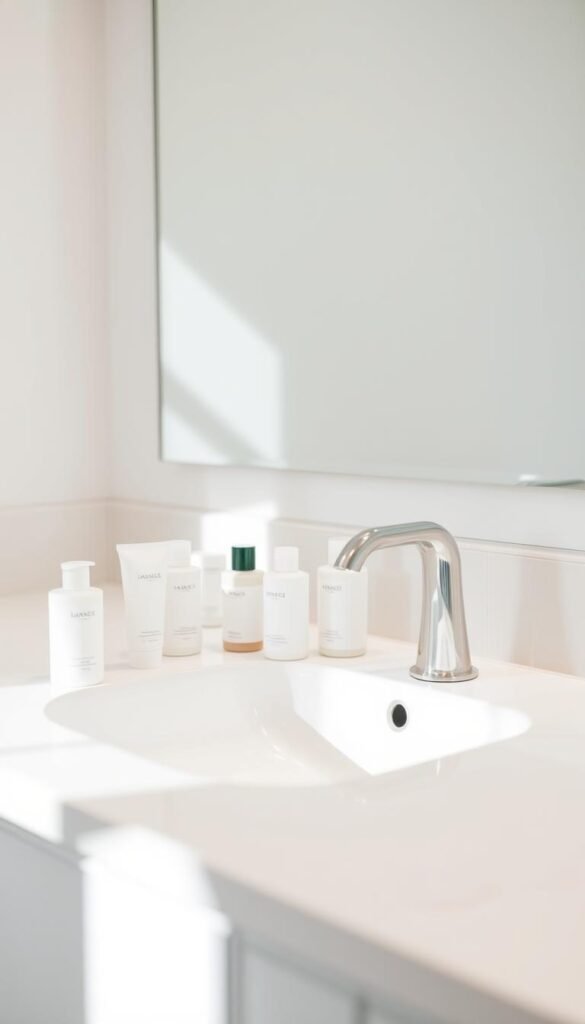
Choosing the Right Cleanser for My Skin
My turning point came when I swapped harsh gel washes for pH-balanced foam formulas. A good cleanser should feel like a fresh start, not a chemical burn. If your cheeks feel taut post-cleanse, that’s your barrier crying for mercy.
Through testing 14 different products, I discovered three non-negotiable traits:
- Gentle surfactants that lift debris without stripping
- Lightweight texture that rinses completely
- No lingering fragrance or residue
Morning and Night: The Two-Step Cleanse
Dawn requires different tactics than dusk. Mornings call for a quick refresh – I use lukewarm water and a dime-sized amount of foaming face wash. Nights demand deeper removal: I massage the same cleanser for 60 seconds to dissolve sunscreen and environmental grime.
This two-phase approach transformed my routine:
| Time | Focus | Technique |
|---|---|---|
| AM | Surface refresh | 30-second gentle massage |
| PM | Deep purification | Full minute with warm water |
The key difference? Evening cleansing prepares pores for overnight treatments, while morning sessions set the stage for daytime protection.
The Role of Exfoliation and Toners
I once feared exfoliation would worsen my complexion. But discovering the right approach became my secret weapon for maintaining clarity. Strategic removal of dead cells combined with pH-balancing liquids transformed my routine from destructive to constructive.
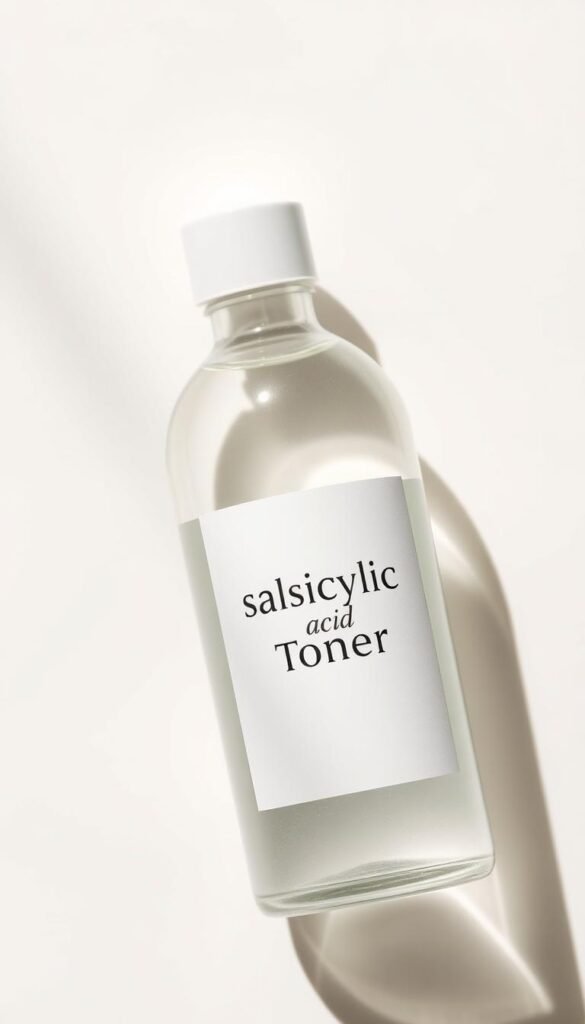
Benefits of Salicylic Acid and Mild Exfoliants
Salicylic acid changed my relationship with pores. This oil-soluble compound penetrates deeper than water-based alternatives, dissolving the glue between dead cells. Three key benefits emerged in my journey:
- Reduces existing congestion within 48 hours
- Prevents new clogs by keeping pathways clear
- Calms inflammation through targeted action
I alternate between salicylic treatments and gentler options like lactic acid. This combination maintains smooth texture without over-stripping. My rule: exfoliate smarter, not harder.
How I Use Toners Without Over-Drying
Early toner experiments left my face tight and reactive. Now I seek formulas with hydrating allies like hyaluronic acid paired with active ingredients. My current favorite contains 2% salicylic acid buffered with aloe vera.
Application technique matters as much as formulation. I pat – never rub – using these steps:
- Apply to cotton pad dampened with thermal water
- Press gently onto T-zone first
- Use remaining moisture on cheeks
This method delivers actives where needed most while preserving delicate areas. I reserve alcohol-based formulas for spot treatments, using them only during major flare-ups.
Expert Strategies for oily acne prone skin
Years of trial and error taught me that combatting breakouts requires tactical precision, not brute force. The right combination of science-backed treatments and smart maintenance creates lasting clarity. Here’s how I transformed my approach from reactive to strategic.
Targeting Breakouts with Effective Treatments
My dermatologist shared a golden rule: “Daylight battles bacteria, nighttime repairs damage.” I follow this by applying benzoyl peroxide cream every morning. This powerhouse ingredient tackles acne-causing microbes while helping reduce midday shine. Three nights weekly, I swap it for retinol serum to accelerate cell renewal.
Key lessons from my treatment journey:
- Alternate between benzoyl peroxide and sulfur to prevent resistance
- Apply spot treatments before moisturizer for better absorption
- Use treatment pads on clean skin to maximize effectiveness
Managing Oil Production Throughout the Day
Blotting papers became my secret weapon against midday shine. I keep them in my wallet, car, and desk – crucial for quick touch-ups. The trick? Press gently on problem areas for five seconds, then rotate the sheet. This absorbs excess oil without smearing makeup or irritating the face.
My oil-control toolkit includes:
| Time | Tool | Benefit |
|---|---|---|
| Morning | Mattifying primer | Creates protective base |
| Midday | Blotting sheets | Absorbs surface oil |
| Evening | Clay mask (2x weekly) | Deep-cleans pores |
Consistency matters more than intensity. I check my reflection after meals and meetings, addressing shine before it accumulates. This proactive approach keeps breakouts at bay while maintaining healthy balance.
Moisturizing Without the Grease
I spent years avoiding moisturizers, convinced they’d turn my face into a slip-n-slide. Then a skincare specialist dropped this truth bomb: “Dehydration triggers oil factories, not hydration.” My tight, shiny complexion wasn’t thriving – it was screaming for water.
Cracking the Hydration Code
Finding the right formula felt like solving a chemistry puzzle. Through testing 23 products, I discovered three non-negotiable traits:
- Gel-based textures that vanish into skin
- Ingredients like hyaluronic acid and squalane
- Zero pore-clogging oils or waxes
This table shows how different formulas perform:
| Type | Absorption | Pore-Friendly |
|---|---|---|
| Gel | Instant | Yes |
| Cream | 5+ minutes | Risky |
| Lotion | 2-3 minutes | Sometimes |
My game-changer was a water-based moisturizer with 5% niacinamide. It hydrates while controlling midday shine. Now I apply it to damp skin morning and night – this simple switch cut breakouts by 40% in six weeks.
Remember: Moisture isn’t the enemy. Strategic hydration stops glands from overcompensating. Skip heavy creams, embrace breathable gels, and watch your complexion find its balance.
Incorporating Natural Ingredients and Lifestyle Tips
My kitchen became an unexpected skincare lab when I sought solutions beyond store shelves. Nature’s pantry offers powerful allies that work with your body’s rhythms rather than disrupting them. These discoveries helped me create supplemental routines for sensitive days and unexpected flare-ups.
Home Remedies and Natural Astringents
Raw honey became my go-to rescue treatment during angry breakouts. I apply a thin layer to problem areas for 20 minutes – its antibacterial properties calm redness without stripping moisture. For weekly maintenance, I mix colloidal oatmeal with water to create a soothing mask that absorbs excess lipids gently.
Jojoba oil surprised me most. Though technically a wax ester, it mimics our natural sebum so effectively that my glands stopped overproducing. I use three drops at night after cleansing, patting it onto damp cheeks and forehead. This table shows how natural ingredients compare to commercial products:
| Ingredient | Benefit | Best Time |
|---|---|---|
| Raw Honey | Reduces inflammation | Evening treatments |
| Oatmeal | Absorbs excess oil | Morning masks |
| Jojoba | Balances production | Night hydration |
My makeup strategy evolved through trial and error. I now use oil-free primers with silica to create a matte base that lasts through humid afternoons. Every night without fail, I double-cleanse to remove every trace of cosmetics – sleeping in foundation caused more damage than I’d ever admit.
Hydration and nutrition proved equally crucial. I carry a 24-ounce water bottle and snack on cucumbers or watermelon slices. Leafy greens and berries became dietary staples – their antioxidants help combat inflammation from within. These changes didn’t transform my skin type overnight, but created lasting improvements no single product could achieve.
Conclusion
This journey taught me that lasting clarity comes from partnership, not punishment. Through meticulous trial and error, I discovered three non-negotiable rules: consistency beats intensity, hydration controls shine better than drying agents, and night routines matter as much as morning prep. My breakthrough arrived when I stopped fighting my biology and started working with it.
Research from trusted dermatological studies confirms what I experienced – regulating sebum production requires strategic balance. I now prioritize gentle face wash formulas and oil-absorbing blotting papers over harsh astringents. Evening rituals focus on repairing sun damage and prepping pores for overnight renewal.
Remember: your skin care routine should adapt like seasons change. What works during humid summers might need tweaking in dry winters. Keep a log of product reactions and environmental triggers – this awareness became my compass through confusing flare-ups.
True transformation happened when I stopped chasing perfection. Now I celebrate small victories: a balanced midday complexion, fewer breakouts after stressful weeks, makeup that stays put without caking. Your face isn’t a problem to solve – it’s a living ecosystem deserving thoughtful care. Start with one step, observe patiently, and let progress compound.