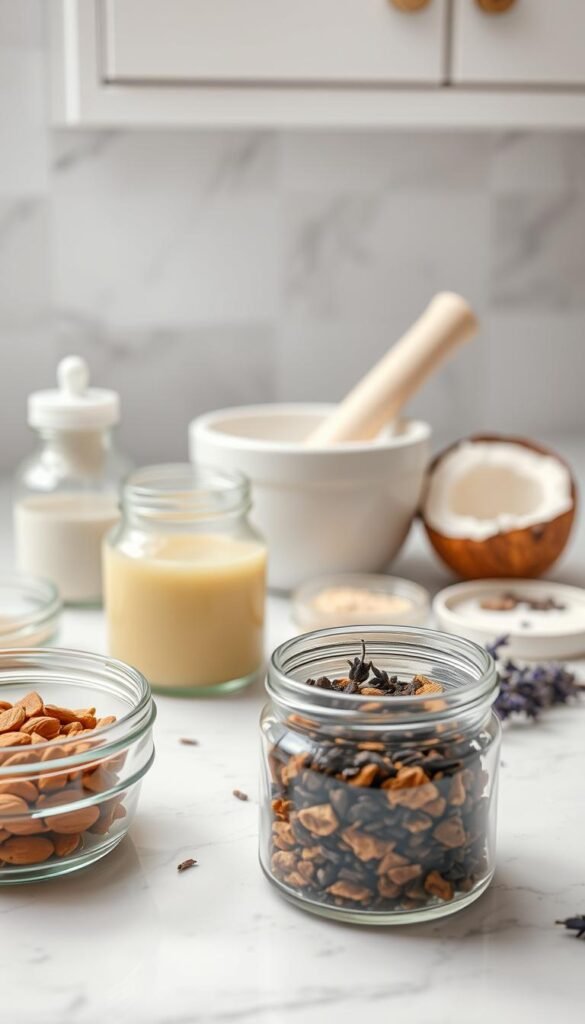
“If you don’t like something, change it. If you can’t change it, change your attitude.” – Maya Angelou’s wisdom perfectly captures my journey with managing a shiny complexion. For years, I chased quick fixes and expensive products, only to discover that simple kitchen ingredients could deliver better results than crowded shelves of serums.
This Website contains affiliate links. That means I may earn a small commission if you purchase through my links, at no extra cost to you.
Like many, I struggled with excess shine and occasional breakouts. Commercial products often left my face feeling stripped or greasy by midday. That changed when I experimented with natural alternatives during a budget-conscious phase. The results shocked me – clearer texture, balanced oil production, and visible improvements within weeks.
This guide shares what I’ve learned through trial and error. You’ll discover how everyday items like honey, oats, and green tea can become powerful allies. I’ll explain why focusing on gentle, pH-balanced solutions works better than harsh astringents for maintaining a healthy glow.
Key Takeaways
Natural ingredients often outperform pricey products for managing shine
Consistency matters more than complexity in daily regimens
Homemade solutions can adapt to your skin’s changing needs
Proper cleansing forms the foundation of any effective routine
Diet and lifestyle choices significantly impact oil production
What makes this approach different? It’s not about masking symptoms but nourishing your skin’s natural balance. I’ve curated these methods to work with your body’s rhythms, not against them. Let’s explore how to create a personalized system that evolves with your unique needs.
Introduction to My Oily Skin Journey
Midday touch-ups became my ritual as commercial solutions failed to address my complexion’s natural oil production. By age 19, I’d cycled through every “oil-control” product at the drugstore – each leaving my face either parched or greasier than before. That’s when I noticed an unexpected pattern: the simpler the ingredients, the better my skin behaved.
Why I Chose a Homemade Approach
Traditional options often contained alcohol or sulfates that created a rebound effect. My turning point came after using a clay mask with natural yogurt – my pores looked smaller, and shine stayed controlled for hours. This experiment revealed how gentle, food-based components could outperform lab-made formulas.
Conventional Products
Natural Solutions
Key Ingredients
Synthetic alcohols, fragrances
Plant extracts, clays
Immediate Effect
Matte finish
Balanced texture
24-Hour Result
Increased oiliness
Stable hydration
My Experience with Natural Remedies
Through weekly tests, I discovered green tea reduced redness while oatmeal gently exfoliated. The real breakthrough came when I stopped fighting oil and started supporting my skin’s moisture barrier. Now, I combine 2-3 ingredients weekly based on my complexion’s needs – a flexibility store-bought items can’t match.
Key Factors Influencing Oily Skin
I used to blame my genes for my shiny forehead until science showed me the bigger picture. Three main elements work together like orchestra conductors directing oil production: biology, environment, and personal habits.
Understanding Excess Oil and Sebum Production
Our bodies produce sebum naturally – it’s like built-in moisturizer. But when glands go into overdrive, this protective substance becomes problematic. During my worst breakouts, I learned hormonal shifts could double oil output overnight.
Stress acts like a volume knob for these glands. Late nights at work often meant morning slickness. Tracking patterns revealed menstrual cycles and caffeine intake influenced my sebum levels more than any skincare product.
The Role of Diet, Genetics, and Environment
My grandmother’s complexion hinted at inherited tendencies, but pizza Fridays proved equally culpable. Researchers confirm what I experienced: greasy foods don’t directly clog pores, but sugar spikes and dairy can rev up oil factories beneath the surface.
Humidity transformed my face into a frying pan, while winter heaters left it parched yet greasy. Pollution particles stuck to excess sebum like magnets, creating a gritty texture. Switching to green tea instead of lattes became my secret weapon against midday shine.
Through trial and error, I created this checklist to identify personal triggers:
Family history of combination complexions
High-glycemic snack habits
Urban pollution exposure levels
Stress management effectiveness
Crafting an Effective oily skin care routine homemade
Morning light revealed what store-bought products couldn’t fix – a slick forehead hiding beneath yesterday’s efforts. My breakthrough came when I stopped copying influencer routines and started listening to my complexion’s rhythm.
Step-by-Step Cleansing Strategies
Twice-daily cleansing became my non-negotiable ritual. I mix colloidal oatmeal with lukewarm water for a milky wash that removes overnight buildup without tightness. The key lies in massaging upward circles for 90 seconds – enough time to dissolve debris but not irritate.
Exfoliation Techniques for Cellular Renewal
Ground rice powder blended with honey became my Wednesday and Saturday staple. This gentle scrub sweeps away dull layers while keeping my moisture barrier intact. I learned the hard way: over-scrubbing triggers more oil production within hours.
Balancing Hydration Needs
Aloe vera gel chilled overnight replaces heavy moisturizers. Patting it onto damp skin creates a protective veil that lasts through humid afternoons. On drier days, I add two drops of jojoba oil – surprisingly, this plant wax mimics my natural sebum better than any silicone serum.
My current system adapts weekly based on three factors: weather changes, stress levels, and hormonal cycles. This flexibility keeps shine controlled better than rigid product schedules ever did.
Exploring Natural Ingredients and DIY Remedies
My kitchen pantry became my skincare lab when I discovered how common ingredients could replace complex formulas. Through trial and error, I found combinations that tackle shine without stripping essential moisture.
Homemade Cleanser and Toner Recipes
Gram flour and Multani Mitti transformed my cleansing game. Mix 1 tbsp each with rosewater to create a paste that lifts dirt while absorbing excess lipids. For mornings, I blend raw honey with lukewarm water – its sticky texture traps impurities better than most home remedies.
My go-to toner combines brewed green tea with three drops of tea tree oil. Stored in a spray bottle, this mixture tightens pores and fights bacteria without alcohol’s harshness. Apply with cotton pads or mist directly after cleansing.
Benefits of Natural Exfoliants and Face Masks
Ground oatmeal became my gentle exfoliation hero. Mixed with yogurt, it sloughs off dead cells while calming redness. For deeper cleansing, I alternate between clay masks and fruit enzymes – papaya pulp works wonders for dissolving buildup.
Rotating ingredients prevents adaptation. Mondays feature cinnamon-honey masks for circulation, while Fridays use cooling cucumber gels. This variety keeps my regimen effective without overwhelming delicate facial tissues.
Optimizing My Daily Skincare Routine
Perfecting my daily regimen required understanding my complexion’s unique rhythm. Through months of observation, I discovered three non-negotiable elements: strategic cleansing, intelligent hydration, and adaptive product selection.
Morning and Night Routine Essentials
Dawn begins with a honey-water rinse followed by aloe mist. This combination removes sleep residue while maintaining pH balance. My secret weapon? A chilled jade roller that depuffs and enhances product absorption in 90 seconds flat.
Evenings call for double cleansing – first with oat milk, then green tea steam. This ritual dissolves the day’s grime without over-drying. I follow with a custom blend of chamomile-infused gel that calms inflammation while prepping for overnight repair.
Selecting Lightweight, Noncomedogenic Products
Finding the right moisturizer became my holy grail quest. Water-based formulas with hyaluronic acid from vegetable sources now replace heavy creams. These provide essential hydration without triggering midday shine or congestion.
Seasonal shifts dictate my arsenal. Summer brings clay-based serums, while winter demands ceramide-rich emulsions. When traveling, I pack single-use portions of rice powder cleanser and matcha tonics – simple yet effective solutions that maintain my skincare routine anywhere.
Through trial and error, I learned that consistency beats complexity. A streamlined approach with multi-tasking ingredients keeps my regimen manageable and results visible. The key lies in listening to your body’s signals rather than rigidly following trends.
Conclusion
Navigating the world of skincare taught me that balance comes through partnership, not punishment. My journey revealed that natural ingredients work with your body’s rhythms – calming breakouts while preserving protective oils. What began as frustration with midday shine transformed into appreciation for my complexion’s resilient nature.
Three principles guide my approach: adapt formulas to weather changes, prioritize gentle cleansing over stripping scrubs, and let hydration lead. This mindset shift helped me see excess oil as a collaborator rather than an enemy. Now, I swap ingredients weekly – clay masks when humidity spikes, honey rinses during drier months.
For those starting out, remember: progress beats perfection. Track how your face responds to different combinations, and don’t fear adjustments. Consistency with simple, nourishing solutions often yields better results than complex regimens. Your personalized system will emerge through patient experimentation.
Skincare became self-care when I stopped chasing instant fixes. Wiping my face with chilled green tea or massaging in aloe gel now feels like a ritual, not a chore. Embrace the process – your future glow awaits in the kitchen, not the cosmetics aisle.
FAQ
How can I balance hydration without clogging pores?
I use lightweight, noncomedogenic moisturizers like Neutrogena Hydro Boost. They provide moisture without heaviness, and I avoid thick creams that trap sebum.
What natural ingredients reduce excess oil production?
I rely on witch hazel and tea tree oil. My DIY toner combines apple cider vinegar and green tea to minimize shine and tighten pores.
Can homemade exfoliants prevent acne breakouts?
Yes! I use oatmeal or baking soda 2–3 times weekly. They gently remove dead cells without irritating my complexion.
Does diet influence sebum levels?
I noticed high-sugar foods increase my oiliness. Adding omega-3s from salmon helped balance my sebum levels.
How do I adjust my regimen for humid climates?
In humidity, I switch to a clay cleanser and use blotting papers. Niacinamide serums keep excess oil in check all day.
Are DIY masks effective for large pores?
I apply bentonite clay or honey weekly. They absorb oil and leave my texture smoother without drying me out.
What’s the best way to layer morning products?
I start with a gentle cleanser, then an alcohol-free toner. A light serum and SPF 30+ sunscreen finish my routine without buildup.