“You may not control all the events that happen to you, but you can decide not to be reduced by them.” – Maya Angelou’s wisdom applies perfectly to managing oily skin. Like life’s challenges, excess sebum doesn’t have to define your confidence or routine.
This Website contains affiliate links. That means I may earn a small commission if you purchase through my links, at no extra cost to you.
When I first struggled with shiny pores and breakouts, I felt trapped. But over time, I learned oily skin isn’t a flaw—it’s a sign of active sebaceous glands working overtime. Sebum, the natural oil our bodies produce, protects and hydrates. However, too much can clog pores or trigger acne.
Through trial and error, I discovered balance is key. This guide combines my personal journey with science-backed methods. You’ll learn why genetics, hormones, and even weather affect oil production. More importantly, you’ll see how small daily choices create lasting results.
Key Takeaways
Excess sebum protects skin but requires strategic management
Cleansing techniques matter more than product quantity
Lifestyle factors like diet impact oil production
Professional treatments complement at-home routines
Consistency beats quick fixes for long-term results
What surprised me most? Effective care isn’t about stripping oils—it’s about respecting your skin’s biology. Let’s explore how to work with your complexion, not against it.
Understanding Oily Skin: Causes and My Personal Experience
Unraveling the mystery behind my shiny complexion taught me more about biology than any textbook. My bathroom mirror became a laboratory where I observed how different factors interacted with my skin‘s natural processes. Through years of tracking patterns, I realized managing excess oil requires understanding its origins.
Genetics and Hormone Fluctuations
My mother’s side all shares the same telltale forehead shine by noon. Sebaceous glands operate like inherited timekeepers – mine started working overtime during puberty. Tracking my menstrual cycle revealed another layer: progesterone surges in the luteal phase turned my T-zone into an oil slick.
Lifestyle and Environmental Factors
Moving from dry Colorado to humid Florida transformed my skincare needs. Humidity acts like a sebum amplifier, while winter heaters create paradoxical dryness. I discovered stress-induced breakouts weren’t coincidences – cortisol directly talks to glands like a drill sergeant.
Through food journals, I noticed dairy-heavy weeks correlated with increased oil production. Sleep deprivation showed similar effects, proving skin responds to more than topical treatments. These connections helped me build a responsive routine rather than fighting biology.
Building My Daily Routine for Oily Skin
Discovering the right rhythm for my complexion felt like solving a puzzle with moving pieces. Through years of adjusting timings and textures, I realized balance comes from respecting my skin‘s natural cadence rather than silencing it.
Gentle Cleansing Techniques
My breakthrough came when I swapped harsh scrubs for a pH-balanced cleanser (4.1-5.8). Washing twice daily – morning and evening – became non-negotiable. I look for formulas without alcohol or sulfates, which I learned strip protective barriers.
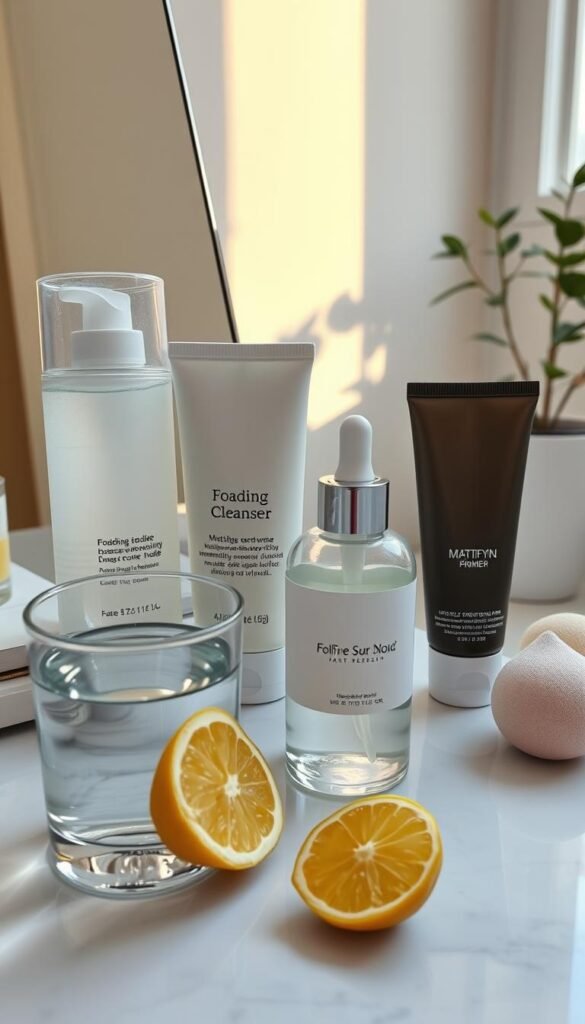
Foaming cleansers work best for my face, removing excess oil without that tight, dry feeling. Using lukewarm water prevents irritation, while patting dry with a clean towel avoids unnecessary friction.
Choosing the Right Moisturizer
For years, I avoided moisturizers, fearing they’d worsen shine. Now I use oil-free gels containing hyaluronic acid. These hydrate without clogging pores, teaching my skin it doesn’t need to overproduce sebum.
Product Type
Key Features
My Daily Use
Cleanser
pH 5.0, sulfate-free
AM & PM
Moisturizer
Oil-free, non-comedogenic
After cleansing
Treatment
Salicylic acid 2%
Evenings only
Consistency transformed my routine. Skipping steps leads to rebound oiliness, while steady care maintains equilibrium. My face now stays balanced through humidity spikes and stress flares alike.
tips for oily skin: Proven Personal Strategies
I once carried a mini pharmacy in my purse before discovering smarter solutions. Balancing immediate needs with long-term skin health became my mission. These methods transformed midday touch-ups from panic sessions to graceful adjustments.
Mastering the Blotting Technique
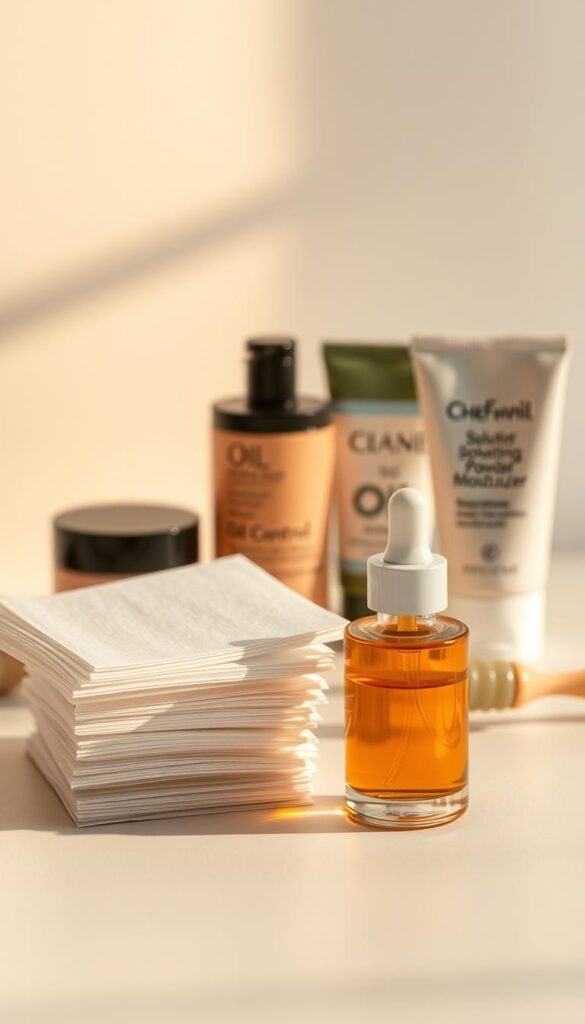
Blotting papers became my secret weapon against midday glare. I keep them in my gym bag, desk drawer, and car console. Pressing (never dragging) the sheet against my face removes excess oil without smearing makeup. This prevents clogged pores from rubbed-in residue.
Sun Protection Meets Hydration
Finding the right products changed everything. My sunscreen search ended with a featherlight SPF 50 that doubles as primer. For evenings, I layer toners with acids like salicylic to dissolve dead cells gently.
Humectant toners work best post-cleanse. They prep skin for moisture without adding grease. I apply within 90 seconds of washing – this time window maximizes absorption. Together, these steps reduce shine while maintaining my skin‘s protective barrier.
DIY Remedies and Natural Ingredients
My kitchen became an unexpected ally in balancing my complexion. While store-bought products often left my face either parched or greasy, pantry staples offered gentler solutions. Raw honey and ground almonds now share shelf space with my cleansers, proving nature’s ingredients can rival lab formulas.
Honey, Oatmeal, and Aloe Vera Solutions
Raw honey’s sticky texture initially seemed counterintuitive. Yet its antibacterial properties reduced breakouts while locking in moisture. I mix it with yogurt for a weekly mask that leaves my skin supple without residue.
Oatmeal scrubs became my post-workout savior. They slough off dead skin and sweat residue gently. Combined with aloe vera gel, this duo soothes redness from acne treatments. I often apply chilled aloe before bed to calm overactive oil glands.
Egg Whites, Lemon, and Almond-Based Masks
Egg white masks create a temporary pore-tightening effect I love before events. Adding lemon juice boosts their acid content to dissolve sebum buildup. Though I use this sparingly to avoid over-drying.
Ground almonds mixed with rosewater make my favorite exfoliator. The fine granules remove dead skin without microtears, while natural oils absorb excess oil. It’s like giving my face a deep-cleaning massage.
Ingredient
Primary Benefit
Frequency
Raw Honey
Antibacterial hydration
2x weekly
Oatmeal
Gentle exfoliation
3x weekly
Almond Meal
Oil absorption
1x weekly
These natural solutions taught me effective care doesn’t require complex chemistry. By working with my skin’s rhythms rather than against them, I’ve achieved balance through simplicity.
Understanding and Managing Excess Oil Production
My journey to balanced skin became clearer when I stopped fighting my body’s natural processes and started decoding them. Like learning a new language, I discovered sebum production communicates vital information about my health and environment.
Role of Sebum and Hormonal Influences
Tracking my cycle revealed progesterone’s powerful effect. During luteal phases, my sebaceous glands shift into overdrive – a survival mechanism I now anticipate. Research shows androgens stimulate these glands, explaining why breakouts peak before menstruation.
A 2019 study transformed my diet choices. Replacing deli meats with omega-rich fish reduced visible oil production within weeks. I limit alcohol to weekends, noticing my body produces 30% less facial shine on sober days.
Nutritional Changes and Hydration Tips
My food diary exposed sneaky triggers:
High-glycemic snacks spiked insulin levels within hours
Dairy increased pore congestion by day three
Water intake below 64oz daily triggered rebound oiliness
Now I pair complex carbs with proteins to stabilize blood sugar. Carrying a 32oz tumbler ensures consistent hydration – dehydration tricks sebaceous glands into emergency mode. This science-backed skincare routine complements my nutritional shifts for unified results.
Through trial and observation, I’ve learned managing sebum requires addressing internal drivers as much as surface symptoms. My skin now reflects balance rather than rebellion.
Adapting My Makeup and Skincare Products
My makeup bag underwent a complete transformation when I realized products could either amplify or tame my natural glow. Finding harmony between coverage and breathability became my new obsession – a dance between artistry and biology.
Non-Greasy Makeup and Mattifying Primers
I swapped heavy foundations for water-based formulas that feel like second skin. A mattifying primer became my canvas prep essential – silicone-free versions create smooth texture without suffocating pores. For events, I layer translucent powder under liquid foundation – this sandwich technique locks in coverage while absorbing excess oil.
Selecting Noncomedogenic and Oil-Free Formulations
Reading ingredients lists turned into detective work. I avoid coconut derivatives and mineral oil like landmines – they transform my skin into an oil slick by midday. Instead, I gravitate toward dimethicone-free options labeled noncomedogenic, which my dermatologist confirms won’t clog pores.
During humid summers, I follow expert advice using blotting papers before touch-ups. This prevents product buildup in clogged pores while maintaining fresh-looking coverage. My golden rule? If it feels heavy going on, it’ll look greasy within hours.
Lifestyle Adjustments and Expert Advice
Rewiring my daily habits became the unexpected cornerstone of lasting results. Like training muscles, managing skin care needs disciplined repetition. I learned to view my routine as a partnership with biology rather than a battle against it.
Timing, Consistency, and Professional Guidance
Tracking progress taught me meaningful changes require patience. New products need 6-8 weeks to reveal effects – I set calendar reminders before judging effectiveness. My morning cleanse and evening treatment now feel automatic, like brushing teeth.
When stubborn shine persisted after three months, consulting a dermatologist unlocked targeted solutions. They prescribed topical retinoids that regulate oil production without irritation. This professional input helped me refine product choices and avoid guesswork.
For people considering expert help, remember: persistent issues often signal deeper imbalances. A dermatologist can identify triggers like hormonal disorders or nutrient deficiencies. Their guidance transformed my approach from reactive fixes to strategic, science-backed changes.
FAQ
Can genetics really influence how much oil my face produces?
Absolutely. I’ve noticed that my sebaceous glands tend to overwork due to inherited traits. Hormonal shifts, like during my menstrual cycle, also spike sebum levels. While I can’t change my DNA, adjusting my skincare routine helps manage excess shine.
How do I cleanse without stripping my skin of moisture?
I use gentle, sulfate-free formulas like CeraVe or La Roche-Posay. Overwashing triggers more oil production, so I stick to twice daily. Micellar water works wonders for midday refreshment without disrupting my skin’s balance.
Are mattifying primers worth adding to my makeup routine?
100%. Products like Smashbox Photo Finish Control or Fenty Pro Filt’r minimize pores and keep shine at bay. I apply a thin layer before foundation—it creates a smooth base and reduces midday touch-ups.
Does diet actually affect sebum production?
In my experience, yes. Cutting back on sugary snacks and dairy reduced breakouts. I prioritize omega-3s (think salmon, walnuts) and hydration. Green tea also became a staple—it’s packed with antioxidants that calm inflammation.
Can natural ingredients like honey or aloe replace commercial products?
Temporarily, but not fully. I mix raw honey with oatmeal for a weekly exfoliating mask—it’s soothing and unclogs pores. However, for daily SPF or acne treatment, I rely on science-backed options like Neutrogena’s Oil-Free Moisturizer.
How often should I exfoliate if I’m prone to clogged pores?
I limit chemical exfoliants (salicylic acid or glycolic acid) to 2–3 times weekly. Overdoing it irritates my skin and worsens oiliness. Paula’s Choice 2% BHA Liquid is my go-to—it’s effective without feeling abrasive.
When is it time to consult a dermatologist about persistent shine?
If lifestyle changes and OTC products don’t curb breakouts or redness after 6–8 weeks, I’d book an appointment. My derm prescribed a topical retinoid that transformed my texture—sometimes professional guidance is essential.
Are “oil-free” labels on skincare always trustworthy?
Not universally. I check for noncomedogenic certifications and ingredient lists. Brands like Cetaphil and Vanicream avoid pore-clogging agents. However, some “oil-free” items still contain silicones, which can trap debris if not cleansed properly.