“Beautiful skin requires commitment, not a miracle,” Coco Chanel once remarked. This truth became clear during my years-long battle with excess shine and breakouts. Like many, I cycled through harsh products that left my face tight and irritated – only to trigger more oil production hours later.
This Website contains affiliate links. That means I may earn a small commission if you purchase through my links, at no extra cost to you.
Everything changed when I discovered a philosophy focused on balance rather than stripping. Instead of fighting my skin’s natural processes, I learned to work with them. This approach transformed my complexion from greasy and reactive to calm and glowingly healthy.
What makes this method different? Traditional regimens often treat symptoms temporarily. The strategy I now follow prioritizes long-term healing through lightweight hydration and targeted solutions. It addresses multiple concerns at once – like clogged pores and uneven texture – without overwhelming delicate skin.
Key Takeaways
Balance oil control with hydration to avoid over-drying
Prevent future issues through gentle, consistent care
Choose water-based formulas that absorb quickly
Customize steps based on daily skin needs
Layer products strategically for maximum benefits
In this guide, I’ll walk through my morning and evening rituals developed through trial, error, and research. You’ll learn how to select products that nourish without heaviness and master application techniques that make each step count. Let’s redefine what “healthy skin” means for those of us with active sebum production.
Introduction: Embracing My Journey with Oily Skin
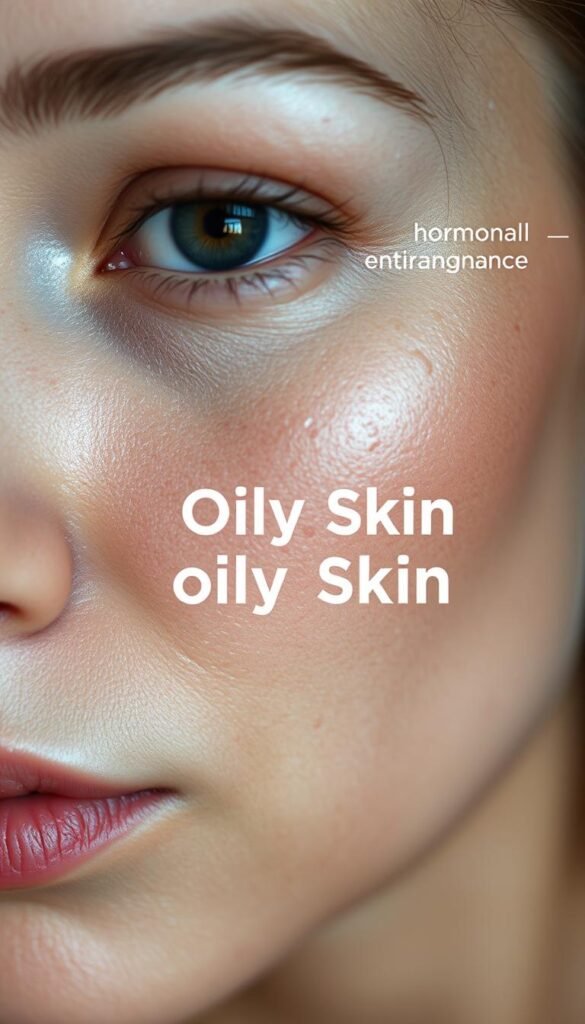
My relationship with my skin has been a rollercoaster of emotions. Growing up, I thought blotting papers were a permanent accessory. By noon, my forehead and nose glistened like polished marble. Breakouts appeared like uninvited guests, leaving red reminders across my cheeks and chin.
What Oily Skin Means to Me
For years, I believed smooth texture meant scrubbing my face raw. Acidic toners and alcohol-based astringents became my weapons. Instead of solving the problem, they left my skin tight and angry. My pores retaliated by producing even more oil – a vicious cycle I couldn’t escape.
Genetics explained part of it. My mother still carries blotting sheets in every purse. But discovering how diet affects sebum production changed everything. Those late-night fries? They weren’t just expanding my jeans size.
My Motivation to Try Korean Skincare
Traditional Western products felt like punishment. “Dry it out!” they seemed to scream. But when a friend mentioned her dewiness came from Asian beauty principles, I listened. The idea of nurturing rather than fighting my natural oils felt revolutionary.
Research revealed an unexpected silver lining. Those same oils I despised might keep wrinkles at bay longer than my dry-skinned peers. This perspective shift turned my frustration into curiosity – and ultimately, into lasting solutions.
Understanding Oily Skin: Causes, Challenges, and Hidden Benefits
My bathroom cabinet used to resemble a chemistry lab before I grasped why my face produced enough oil to fry an egg. Through research and consultations, I uncovered complex biological processes that explain this common condition – and why traditional “solutions” often backfire.
Common Causes and Skin Concerns
Hormones act like invisible puppet masters. Androgens – present in all genders – signal glands to pump excess sebum. This oil mixes with dead skin cells, creating sticky plugs in pores. When trapped, these become blackheads or inflamed breakouts.
Genetics load the gun, but environment pulls the trigger. Humid weather accelerates oil production, while harsh cleansers worsen the problem. “Over-washing removes protective lipids, triggering emergency oil production,” explains dermatologist Dr. David Jack. My own skin rebelled when I scrubbed it raw – proof that aggression breeds retaliation.
Diet plays a stealth role. Cutting sugary snacks and increasing antioxidant-rich foods helped balance my sebum levels. Greens became my new french fries.
Surprising Advantages of Having Oily Skin
Here’s the plot twist: this “problem” offers built-in anti-aging benefits. Natural oils form a protective barrier that slows moisture loss. While dry types battle flakiness, our lubrication delays fine lines. Friends with parched complexions now envy my forehead’s smooth terrain.
With proper care, active pores become allies rather than enemies. The key lies in managing excess without disrupting nature’s moisturizing system. Hydration-focused routines transformed my slick surface into what I now proudly call “controlled dew”.
My korean skincare routine for oily skin: A Step-by-Step Process
Finding the right approach transformed my daily regimen from chaotic to calculated. Through experimentation, I discovered that success lies in strategic layering rather than product overload. Each step builds upon the last, creating harmony between oil control and nourishment.
The Power of the Double Cleanse
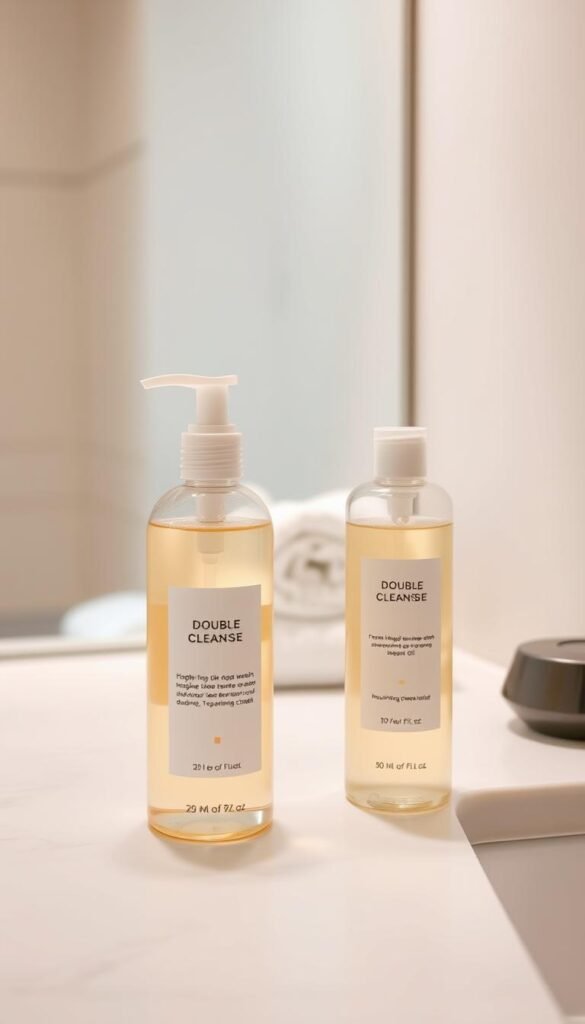
Many initially balk at using oil-based formulas on shiny complexions. My game-changer? The SKIN1004 Centella Light Cleansing Oil. It dissolves sunscreen and sebum like a magnet attracting iron filings. The trick lies in emulsifying thoroughly – I massage for 90 seconds before adding water to create a milky rinse.
Next comes the COSRX Low pH Gel Cleanser. Its bubbly texture sweeps away residue without that dreaded squeaky feel. This two-phase method taught me that effective cleansing means removing impurities, not stripping natural moisture.
How I Layer Toners, Treatments, and Moisturizers
Post-cleanse, I pat Isntree’s Green Tea Fresh Toner onto damp skin. This step resets my pH balance while delivering antioxidants. Unlike astringent formulas of my past, it feels like splashing cool water on parched earth.
For treatments, the SKIN1004 Centella Ampoule shines. Three drops pressed into cheeks and forehead calm redness within minutes. I follow with a pea-sized amount of lightweight moisturizer, focusing on areas prone to dehydration.
Mornings might skip heavier layers, while evenings incorporate targeted solutions. This flexibility keeps my regimen responsive rather than rigid – because even oily skin has fluctuating needs.
Morning and Night Routines: Tailoring Steps for Every Time of Day
Timing transforms everything in skin care – like knowing when to hydrate versus when to detox. My days now flow between two distinct rituals: one that armors up against urban grime, and another that repairs while I sleep.
My Sunrise Strategy for All-Day Balance
Dawn begins with a splash of cool water and the COSRX Low pH Gel Cleanser. This foamy wash removes overnight sweat without disturbing my moisture barrier. Patting skin dry leaves it supple, not stripped.
Next comes the Isntree Green Tea Fresh Toner. I pour three drops into my palms and press it into my cheeks. This step preps my canvas like priming a painting surface.
For midday defense, Beauty of Joseon’s Relief Sun becomes my shield. Its rice-infused formula melts in without the dreaded white cast. “Sunscreen is non-negotiable,” my dermatologist reminds me during every checkup.
Moonlit Methods for Cellular Renewal
Twilight calls for the SKIN1004 Centella Oil Cleanser. It dissolves sunscreen and city pollutants like a magnet attracting iron filings. The second cleanse with a milky foam ensures zero residue.
Nighttime treatments pack more punch. I layer the SKIN1004 Centella Ampoule under Dear, Klairs Midnight Blue Cream. This combo reduces redness while I dream. Gel textures prevent midnight shine.
Step
Morning Focus
Night Focus
Cleansing
Gentle foam
Double oil+water
Treatment
Antioxidants
Repair actives
Moisturizer
Lightweight lotion
Calming gel
Seasonal shifts mean swapping products, not steps. Summer brings lighter textures, while winter demands extra hydration. This 10-step regimen taught me flexibility – the true secret to lasting results.
Essential Tips and Product Recommendations for Oily Skin Care
Mastering shine control requires more than blotting papers. The real magic happens when science-backed components meet smart application habits. Let’s explore the elements that transformed my midday shine into all-day balance.
Choosing the Right Ingredients: Centella Asiatica, Salicylic Acid, and More
Centella asiatica became my skin’s best friend during flare-ups. This antioxidant-rich herb calms redness while strengthening the moisture barrier. Pair it with salicylic acid – my go-to for dissolving dead skin cells inside pores without irritation.
Ingredient
Key Benefit
Best Used
Niacinamide
Reduces oil production
Morning serum
Tea Tree Oil
Fights bacteria
Spot treatments
Hyaluronic Acid
Lightweight hydration
Under sunscreen
I learned through trial that layering these components creates synergy. A niacinamide serum before moisturizer keeps my T-zone matte for hours. For sensitive skin types, diluted tea tree oil prevents breakouts without stripping natural oils.
Practical Advice to Prevent Breakouts and Shine
Three rules changed my game: never skip moisturizer, avoid alcohol-based toners, and balance skin pH with gentle cleansers. Over-washing triggers more oil – I now cleanse twice daily using a pH-balanced formula.
Non-comedogenic products became non-negotiable. I test new items by applying them to my jawline for three days before full-face use. This simple regimen prevents pore-clogging disasters. Remember: hydration signals your glands to slow oil production – it’s not the enemy!
Conclusion
Transforming my complexion required rewriting everything I thought I knew about care. Where harsh treatments failed, a philosophy of nourishment over punishment succeeded. This approach taught me that balance comes from respecting my skin’s natural rhythms, not declaring war on them.
The magic lies in adaptable layering. Some days call for extra hydration, others for gentle exfoliation. Seasonal shifts demand formula swaps – lighter textures in summer, richer ones when winds bite. I learned to treat my regimen like a conversation, adjusting based on my face’s daily needs.
Patience proved vital. My skin needed weeks to trust I wasn’t attacking it. Starting with three core products – cleanser, toner, moisturizer – prevented overwhelm. Gradual additions let me pinpoint what truly works.
Discover more about selecting compatible components and restoring equilibrium. Your journey will differ from mine, and that’s okay. Embrace experimentation – glowing results come to those who listen as much as they act.
FAQ
Can I skip moisturizer if my face feels greasy?
I used to think moisturizer would make my face oilier, but skipping it actually triggers more sebum production. Now, I opt for lightweight, gel-based formulas with hyaluronic acid. These hydrate without clogging pores or leaving a greasy residue.
How often should I exfoliate to avoid clogged pores?
Over-exfoliating stripped my barrier and worsened shine. I stick to gentle salicylic acid or PHA toners 2–3 times weekly. This keeps dead skin cells in check without irritating my sensitive areas.
Is an oil-based cleanser necessary for oily complexions?
Yes! I was skeptical at first, but double cleansing with a balm or oil dissolves sunscreen and sebum better than foaming washes alone. It’s crucial for preventing buildup in pores—just follow with a water-based cleanser.
What ingredients help control excess shine?
Niacinamide balances my oil production, while centella asiatica soothes redness. For stubborn breakouts, I use a BHA serum to unclog pores. Always patch-test new actives to avoid irritation.
Should I use different products in my morning and evening regimen?
Absolutely. My AM focus is protection: a vitamin C serum and lightweight sunscreen. At night, I prioritize repair with retinol alternatives like bakuchiol and a ceramide-rich moisturizer to strengthen my barrier.
How do I prevent midday shine without over-washing?
Blotting papers are my go-to for quick touch-ups. I also carry a mattifying mist with green tea extract. Avoid harsh alcohol-based products—they’ll dehydrate your face and ramp up oil production long-term.