“Healthy, radiant skin is not a luxury—it’s a form of self-respect,” said beauty icon Coco Chanel. Her words capture why nurturing a dehydrated complexion matters. For years, I’ve refined my approach to address tightness, flaking, and irritation. It’s not just about slathering on lotion. It’s about building habits that protect and heal.
This Website contains affiliate links. That means I may earn a small commission if you purchase through my links, at no extra cost to you.
Living with a parched complexion taught me how easily environmental stressors like pollution or harsh weather can worsen discomfort. Without proper attention, sensitivity increases, and fine lines become more pronounced. But there’s hope. Through trial, research, and countless product tests, I’ve uncovered strategies that restore balance.
This guide isn’t a quick fix. It’s a science-backed roadmap to strengthen your moisture barrier and prevent long-term damage. I’ll share ingredient insights, application techniques, and lifestyle tweaks that made the biggest difference for me. Let’s ditch the guesswork and create a plan tailored to your needs.
Key Takeaways
- Consistency is critical for managing dehydration and preventing irritation
- Understanding your moisture barrier helps combat environmental damage
- Product selection should focus on humectants and occlusives
- Layering techniques maximize hydration throughout the day
- Avoid common mistakes that worsen dryness over time
My Personal Journey with Dry Skin
When persistent tightness replaced my natural glow at 23, I realized generic lotions weren’t enough. What started as occasional flakes became cracked patches that makeup couldn’t hide. This wasn’t just discomfort—it reshaped how I approached daily life.
Decoding My Body’s Signals
Winter air transformed my cheeks into sandpaper, while summer humidity offered brief relief. I tracked reactions to foods, fabrics, and even pillowcases. Key discovery? My dehydrated skin acted as a stress barometer—flaring during deadlines or travel.
Late-night itching became so intense I’d wake with scratch marks. A dermatologist explained: “When your moisture barrier fails, nerves overreact to minor triggers.” This explained why old favorites like citrus toners suddenly burned.
Beyond Surface-Level Solutions
Central heating and hot showers—staples of my routine—were secretly causing harm. I learned warm water strips natural oils faster than skin can replenish them. My skin may appear calm mornings, but by afternoon, tightness returned with a vengeance.
Social outings became anxiety triggers. I’d decline pool parties fearing visible flakes, and handshakes felt risky. This isolation taught me true self-care means prioritizing health over appearances.
Through food journals and symptom tracking, patterns emerged. Low-fat diets correlated with increased dryness, while omega-rich meals brought subtle improvements. Seasonal shifts demanded routine adjustments—heavier creams in January, lighter layers come June.
Rebuilding trust with my reflection took years. But each small victory—a full night’s sleep without itching, makeup applying smoothly—proved customized care works. The journey continues, but now I move forward armed with knowledge.
The Science Behind Dry Skin and Its Causes
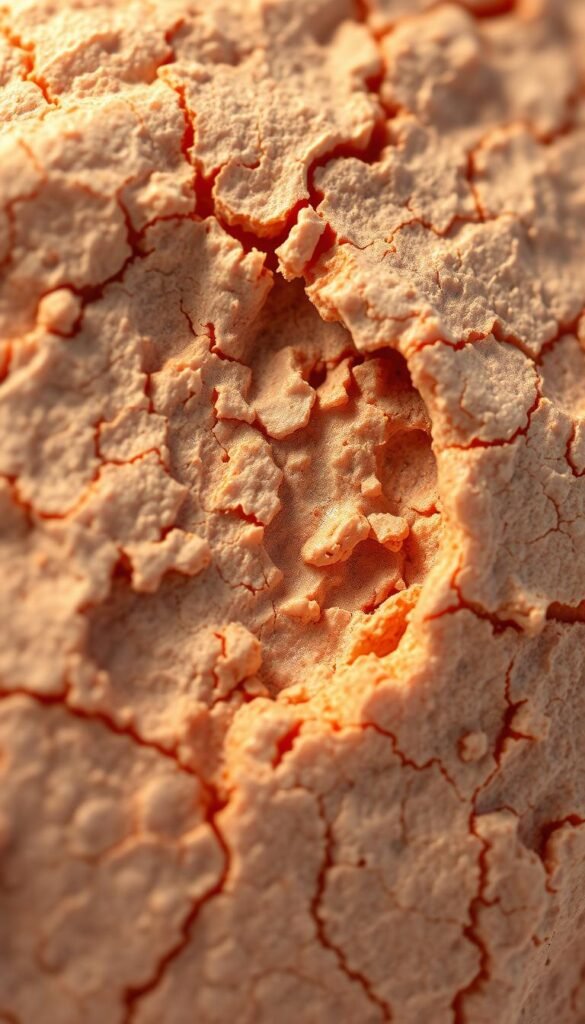
Many assume dehydration stems from surface-level issues, but my research revealed intricate biological processes. At its core, dryness occurs when moisture escapes faster than our bodies replenish it. This imbalance triggers tightness, flaking, and heightened sensitivity.
Environmental and Lifestyle Triggers
Low humidity environments act like sponges, pulling water from the skin’s natural surface. I tracked how indoor heating during winter accelerated my moisture loss. Hot showers and harsh cleansers worsened the problem by stripping protective oils.
Lifestyle choices also play roles. Alcohol dehydrates tissues, while smoking restricts blood flow to the skin barrier. Even common medications—like acne treatments or antihistamines—can reduce sebum production over time.
Genetics and a Compromised Skin Barrier
My dermatologist explained: “Some people inherit weaker lipid layers in the stratum corneum.” This outermost barrier acts as armor against pollutants and moisture loss. When damaged, it can’t perform its filtering role effectively.
Genetic testing confirmed I produce less ceramides—key molecules that seal moisture. While I can’t alter DNA, using targeted products helps reinforce this vulnerable skin structure. Repairing the barrier became my foundation for lasting relief.
Creating the Best Skin Care Routine for Dry Skin
The breakthrough came when I stopped chasing quick fixes and focused on sustainable hydration strategies. My journey taught me that effective moisture management begins with understanding your unique triggers. Is it indoor heating? Hard water? Stress hormones? Answering these questions shaped my entire approach.

Through trial and error, I developed a two-phase system that works year-round. Morning focus: protection against environmental stressors. Evening priority: intensive repair. This rhythm helped my parched complexion recover without overwhelming it with products.
Here’s what transformed my results:
| Focus Area | Immediate Relief | Long-Term Repair |
|---|---|---|
| Cleansing | Milk-based formulas | pH-balancing toners |
| Hydration | Hyaluronic acid sprays | Ceramide-infused serums |
| Protection | Silk pillowcases | Barrier-supporting creams |
Consistency proved more valuable than any single product. I set phone reminders for midday mists and tracked progress through weekly photos. “Hydration is cumulative,” my esthetician noted during a consultation. She was right – small daily acts created lasting change.
Seasonal adjustments became crucial. Summer demands lighter layers but more antioxidant protection. Winter requires richer textures and humidifier use. This flexibility prevents the tightness that once derailed my progress.
Building this system took six months of careful experimentation. Now, maintaining it feels natural – like brushing teeth. The reward? Waking up to supple, resilient texture that glows without assistance.
Essential Steps in My Daily Routine
Finding balance in my regimen transformed how my complexion responds to daily challenges. Through years of adjustments, I’ve identified non-negotiable practices that maintain hydration without overwhelming delicate tissue.
Cleansing, Toning, and Optional Exfoliation
Evening cleansing became my sacred ritual. I use milky formulas that dissolve makeup without aggressive rubbing. Pro tip: Massage for 60 seconds to break down sunscreen residue while preserving natural oils.
Toners aren’t mandatory, but I keep an alcohol-free option handy. When my pH feels off—usually after travel—a damp cotton pad swiped gently restores equilibrium. Exfoliation happens sparingly: once weekly with enzyme powders that melt dead cells without abrasion.
Locking in Moisture with Serums and Moisturizers
Layering is everything. After cleansing, I pat in a ceramide serum while skin’s still damp. This creates a moisture-trapping base. My daytime moisturizer contains squalane for lightweight protection, while night versions blend shea butter with healing oat extract.
| Step | Key Products | Purpose |
|---|---|---|
| Cleansing | Cream-based cleansers | Remove impurities gently |
| Toning | pH-balancing mists | Prep for absorption |
| Moisturizing | Ceramide creams | Seal in hydration |
Order matters most. Thin textures first, thick ones last. On hectic days, I streamline to cleanser and moisturizer—but never skip either. This flexibility keeps my regimen sustainable through seasons and stress levels.
Powerful Ingredients for Hydration and Repair
Navigating ingredient labels transformed my approach to dehydration. Early mistakes taught me that not all hydrating ingredients work equally. Strategic combinations create lasting results where single solutions fail.
Core Hydration Heroes
Hyaluronic acid became my moisture magnet. Its ability to hold 1,000x its weight in water plumps fine lines and prevents midday tightness. I apply serum forms to damp skin for deeper absorption.
Ceramides repair like masonry cement. These lipids fill cracks in the skin’s natural barrier, locking hydration beneath the surface. Night creams with ceramide complexes reduced my winter flaking by 80%.
Glycerin’s simplicity surprised me. This humble ingredient pulls moisture from air and deeper tissue layers. Mixed with occlusives, it creates a self-replenishing hydration cycle.
Supporting Nutrient Boosters
Niacinamide (vitamin B3) calms redness while strengthening barrier function. I noticed fewer reactive flares after six weeks of consistent use. Pairing it with vitamin E amplifies antioxidant protection against environmental stressors.
Collagen-supporting peptides and vitamin C maintain structural integrity. They help skin retain elasticity—critical for preventing moisture loss through micro-tears. My morning routine always includes these allies.
Through trial, I learned layering humectants first, then emollients, then occlusives creates a fortress against dehydration. This method outlasts dry office air and harsh winters better than any single product.
Products to Avoid for Sensitive Dry Skin
Protecting fragile complexions requires knowing what not to use. Through years of flare-ups, I identified ingredients that sabotage moisture retention. Your skin may react differently, but these troublemakers consistently caused setbacks in my healing journey.
Steering Clear of Harsh Formulas
Alcohol-based toners taught me brutal lessons. One swipe left my face feeling like parchment paper. These formulas strip natural oils faster than compromised skin can recover. Now I check labels for ethanol, denatured alcohol, and isopropyl alcohol.
Fragrances masquerade as harmless additives. Even “natural” essential oils triggered redness along my jawline. Unscented products became non-negotiable after realizing how synthetic perfumes degrade delicate tissue over time.
Retinoids required careful navigation. While effective for others, high-strength versions caused painful peeling around my nostrils. I learned to avoid them during winter or stress periods when my skin barrier weakens.
Sulfates lurked in my favorite foaming cleansers. Their satisfying lather came at a cost—stripping protective lipids vital for moisture retention. Switching to sulfate-free formulas reduced midday tightness by 70% within weeks.
Dyes and rough scrubs complete my exclusion list. Artificial colors caused unpredictable reactions, while physical exfoliants created micro-tears. Gentle chemical exfoliants now provide renewal without damage.