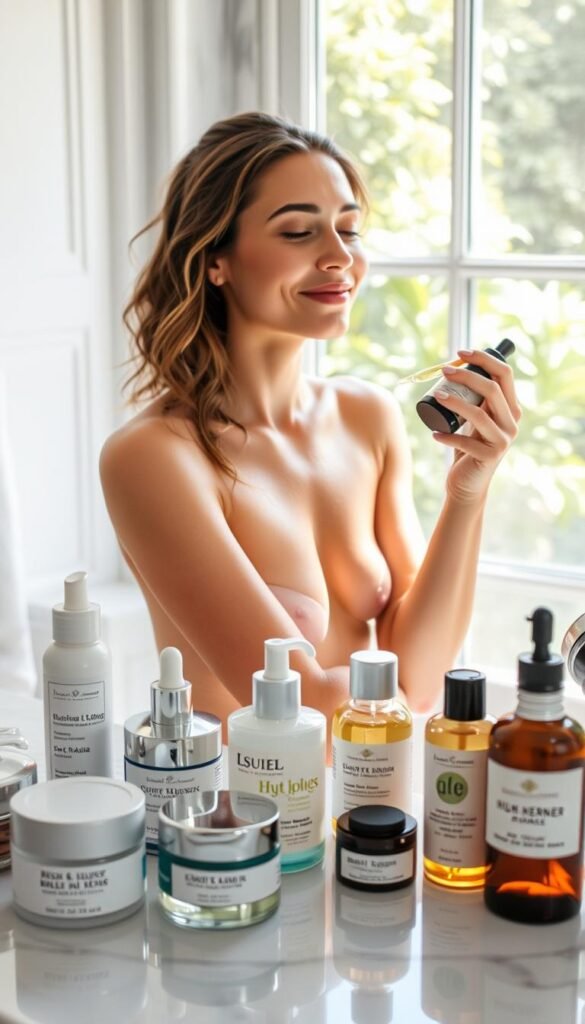
“Self-care is how you take your power back.” – Maya Angelou’s words ring true when tackling persistent dryness. If your face feels tight or flaky despite slathering on creams, you’re not alone. Recent searches reveal thousands asking: Why does my skin still feel parched? The answer often lies in understanding what your body truly needs.
This Website contains affiliate links. That means I may earn a small commission if you purchase through my links, at no extra cost to you.
Cold weather and indoor heating zap moisture from the air, leaving your protective barrier vulnerable. Even well-meaning routines can backfire—harsh cleansers, excessive exfoliants, or fragranced lotions might worsen the problem. I’ve spent months consulting dermatologists like Dr. Justine Hextall and testing solutions to crack this code.
This guide isn’t about quick fixes. It’s a science-backed blueprint to repair your moisture shield and lock in hydration. We’ll explore how environmental factors trigger transepidermal water loss and why choosing gentle, barrier-supporting products matters more than chasing trends.
Key Takeaways
Learn the critical difference between dry and dehydrated skin types
Discover how indoor heating and weather accelerate moisture loss
Identify common product mistakes that worsen irritation
Build a dermatologist-approved routine for lasting relief
Get tested recommendations that balance efficacy with safety
Understanding Dry Skin: Causes and Common Myths
Many assume flaky patches mean their face just needs more cream. But confusion between dryness and dehydration often leads to wasted products and frustration. Let’s cut through the noise.
The Science Behind Dry and Dehydrated Skin
Dryness stems from oil deficiency, while dehydration means water shortage. Think of it like a sponge: dehydrated skin shrivels without hydration, while dry skin lacks the natural oils to seal moisture in. Dr. Justine Hextall notes this distinction matters because “treating oil-starved skin with water-based products won’t fix the core issue.”
Environmental factors play a bigger role than most realize. Heating systems and chilly winds trigger transepidermal water loss – moisture literally evaporates from your face. Your body responds by overproducing oil if dehydrated, which explains why some people battle both tightness and unexpected breakouts.
Debunking Misconceptions About Cleansing and Moisturizing
That “squeaky clean” feeling? It’s not a badge of honor. Harsh cleansers disrupt your skin’s pH balance, weakening its defense against irritants. I’ve seen clients use heavy fragranced creams hoping for relief, only to worsen redness.
Here’s what works: gentle formulas with ceramides reinforce your barrier. Avoid alcohol-based toners and opt for hydrating serums instead. Remember – effective care starts with understanding whether your routine addresses oil loss, water depletion, or both.
Identifying the Best Skincare for Dry Skin
The secret to lasting relief lies in understanding three key ingredient categories. Humectants work like moisture magnets, emollients fill cracks between cells, and occlusives create protective seals. Getting this balance right makes all the difference.
Essential Ingredients: Hyaluronic Acid, Ceramides, and More
Hyaluronic acid remains unmatched for hydration. This humectant holds 1,000 times its weight in water, plumping parched areas instantly. Pair it with ceramides – lipids that rebuild your barrier like mortar between bricks. Dr. Hextall emphasizes: “Ceramide-rich creams repair damage from harsh climates better than oils alone.”
Niacinamide pulls double duty. It minimizes water loss while calming irritation. Panthenol (vitamin B5) goes deeper, strengthening skin’s resilience over time. I prioritize these over trendy additives that promise miracles but deliver flakes.
What I Look for in Daily Products
My checklist starts with avoiding irritants. Sulfates strip natural oils, while synthetic fragrances trigger inflammation. Instead, I seek:
Effective products shouldn’t need layers. A well-formulated moisturizer with ceramides and hyaluronic acid often outperforms 5-step routines. Remember – simplicity prevents overwhelm and keeps your barrier intact.
Building a Hydrating Morning and Nighttime Routine
The key to quenching parched complexions lies in timing and texture. What works at dawn often differs from dusk solutions. Let’s map out strategies that adapt to your body’s circadian rhythms and environmental demands.
The Role of Gentle Cleansers and Hydrating Toners
Morning cleansing shouldn’t feel like a battle. I start with La Roche-Posay Toleriane Dermo Cleanser – its creamy texture removes impurities without stripping oils. Dr. Hextall notes: “Non-foaming formulas maintain pH balance better than sulfates, especially during low-humidity months.”
Hydrating toners bridge cleansing and treatment. Think of them as moisture primers. Spritz or pat one on damp skin to amplify serum absorption. For severe tightness, layering a glycerin-based toner under cream creates a protective sandwich effect.
Balancing Act: Applying Moisturizers and Serums Effectively
Here’s where “skin flooding” changes the game. Apply hyaluronic acid serums to wet skin post-cleansing, then lock it in with moisturizer within 60 seconds. This traps hydration like a botanical pressurization system.
Step
Morning
Night
Cleanser
Creamy, non-rinse optional
Balancing, mild exfoliation
Hydration Boost
Vitamin C + HA serum
Ceramide toner + peptide serum
Sealant
Sunscreen with squalane
Shea butter-based night mask
Simplify if needed: a plumping serum under sunscreen can replace moisturizer in humid climates. At night, richer textures work overtime. Wait 90 seconds between layers – rushing causes pilling and wasted product.
Adjust your approach seasonally. Swap summer gels for winter balms when indoor heating kicks in. Track changes monthly – hormonal shifts might demand extra ceramides during certain cycles.
Effective Moisturizers and Emollients for Lasting Hydration
Finding the right moisturizer feels like solving a puzzle where every piece matters. After testing dozens of formulas, I’ve learned that texture and ingredient synergy determine whether your complexion stays supple or rebels by midday. Let’s break down what truly works.
Comparing Top Moisturizer Recommendations
Vichy Minéral 89 72HR Moisture Boosting Cream became my winter staple. Its trifecta of squalane, glycerin, and hyaluronic acid creates a reservoir that lasts through harsh indoor heating. For budget-conscious choices, CeraVe Moisturizing Cream delivers ceramides that rebuild cracked barriers without greasiness.
Product
Key Ingredients
Texture
Best For
Vichy Minéral 89
Squalane + HA
Silky cream
Severe tightness
CeraVe Cream
Ceramides
Rich balm
Barrier repair
The Ordinary NMF
Amino acids
Lightweight
Daily use
How Emollients Help Repair and Protect Your Skin Barrier
Dr. Hextall clarifies: “Emollients act like mortar between bricks – they fill gaps in your barrier to prevent water escape.” Squalane mimics natural oils, while glycerin draws moisture from the air. Apply creams to damp skin – this simple step boosts absorption by 30% in my experience.
Watch for these signs your moisturizer isn’t working: persistent flakiness, midday tightness, or product pilling. Richer night creams with shea butter often solve winter woes. Layer serums underneath, but wait 60 seconds between steps to avoid rolling.
Incorporating Sunscreen: Protection Against UVA & UVB Rays
Shielding your face from ultraviolet damage isn’t just for beach days. UVA rays silently penetrate car windows and cloud cover, accelerating collagen breakdown even when you’re indoors. I learned this the hard way after noticing fine lines despite avoiding direct sun exposure.
Why Sunscreen is Essential Year-Round
Research shows 80% of UV rays reach your skin through overcast skies. Winter brings reflective snow glare, while office lighting emits trace UVA. My dermatologist stressed: “Daily SPF application prevents cumulative damage that leads to sensitivity and premature aging.”
Choose broad-spectrum formulas labeled PA++++ or “UVA/UVB protection.” SPF 30 blocks 97% of UVB, but higher numbers offer marginal gains. For dry complexions, I prioritize creamy textures with glycerin or hyaluronic acid to avoid chalky residues.
Top Sunscreen Picks for Dry, Sensitive Skin
La Roche-Posay UVMune 400 became my holy grail. Its invisible fluid texture layers smoothly over serums without pilling. Those needing extra barrier support might prefer Anthelios UV Correct SPF 70 – its niacinamide calms redness while defending against pigmentation.
Budget-friendly options exist. I tested 14 formulas and found these standouts:
EltaMD UV Clear: Zinc oxide + lactic acid combo that moisturizes while protecting
Beauty of Joseon Relief Sun: Rice extract boosts hydration for under $15
Supergoop Unseen Sunscreen: Silicone-free gel ideal under makeup
Reapply every two hours if outdoors. Skip SPF-infused foundations – you’d need seven layers to match standalone sunscreen efficacy. Instead, pat powder over your midday touch-up for a fresh finish.
Revamping Your Routine with Hydrating Serums and Cleaners
Have you ever layered products only to feel tighter an hour later? Many frustration stems from mismatched formulas. Let’s rebuild your regimen around two pillars: serums that hydrate smarter and cleansers that respect your barrier.
Hydration-Boosting Serums and Their Key Benefits
The Ordinary Amino Acids + B5 transformed my routine. Its panthenol (vitamin B5) strengthens resilience while amino acids mimic natural moisturizing factors. Dr. Hextall explains: “Panthenol acts like scaffolding – it supports repair processes while attracting water molecules.”
Hyaluronic acid serums work best on damp skin. Apply 3-5 drops within 15 seconds of cleansing. This traps moisture against your face like a humidity dome. For daytime, I alternate with Medik8 Hydr8 B5 – its ceramide complex prevents midday dullness.
Cleansing Tips to Prevent Unnecessary Dryness
Foaming cleansers create that satisfying lather… and strip essential lipids. After testing 23 options, I found non-foaming formulas maintain hydration better. CeraVe Hydrating Cleanser removes sunscreen without that dreaded “stripped” feeling.
Product
Key Ingredients
Texture
CeraVe Hydrating
Ceramides + Hyaluronic Acid
Milky Lotion
La Roche-Posay Toleriane
Niacinamide + Glycerin
Creamy Gel
Use lukewarm water and massage for 45 seconds max. Rinse thoroughly but gently – leftover residue can clog pores. If your face feels taut or looks red post-cleanse, switch formulas immediately.
My Personal Tips for the “best skincare for dry skin”
Years of trial and error taught me that true hydration starts with listening to your body’s signals. When my face felt like parchment last winter, Dr. Hextall’s advice changed everything: “Apply creams to damp skin – it traps 30% more moisture.” I now keep Avène Thermal Spring Water in my gym bag for midday spritzes before reapplying body lotion.
Lessons From Derms and Lived Experience
Hand care transformed when I swapped thick lotions for La Roche-Posay Lipikar Balm AP+M. Its shea butter soothes cracked knuckles without greasiness. For the body, I layer hydrating serums under creams post-shower – patting instead of rubbing makes absorption faster.
Adapting to Weather Shifts
Summer demands lighter textures. I switch to gel-based products dry areas crave during humidity spikes. Winter? Heavier balms protect against furnace air. Always adjust your routine dry seasons demand – what works in July often fails by January.
Remember: hydration isn’t just about your face. Treat elbows and knees to overnight masks. And never skip body lotion after lukewarm showers – it’s the simplest hack people dry skin often overlook.
FAQ
What ingredients should I prioritize for dry skin?
I focus on hyaluronic acid to lock in moisture and ceramides to strengthen my skin barrier. Glycerin and squalane also work wonders for long-lasting hydration without irritation.
How often should I apply moisturizer?
I use a rich cream twice daily—right after cleansing in the morning and before bed. Layering it over a hydrating serum boosts absorption, especially during colder months.
Do I need sunscreen if my skin feels tight or flaky?
Absolutely. UV rays break down moisture barriers, worsening dryness. I choose mineral-based formulas with zinc oxide for sensitive, parched skin and reapply every two hours outdoors.
Can oily skin types still experience dehydration?
Yes! My skin sometimes feels both greasy and dry. Lightweight, water-based serums paired with oil-free lotions balance excess sebum while addressing underlying dehydration.
How do I adjust my routine between seasons?
In winter, I swap gel cleansers for creamy ones and add a facial oil at night. Summer calls for lighter textures but never skipping humectants like aloe vera or beta-glucan.
Are fragranced products safe for dry skin?
I avoid them. Synthetic perfumes often trigger redness or peeling. Look for labels like “fragrance-free” or formulas with calming oat extract or allantoin instead.