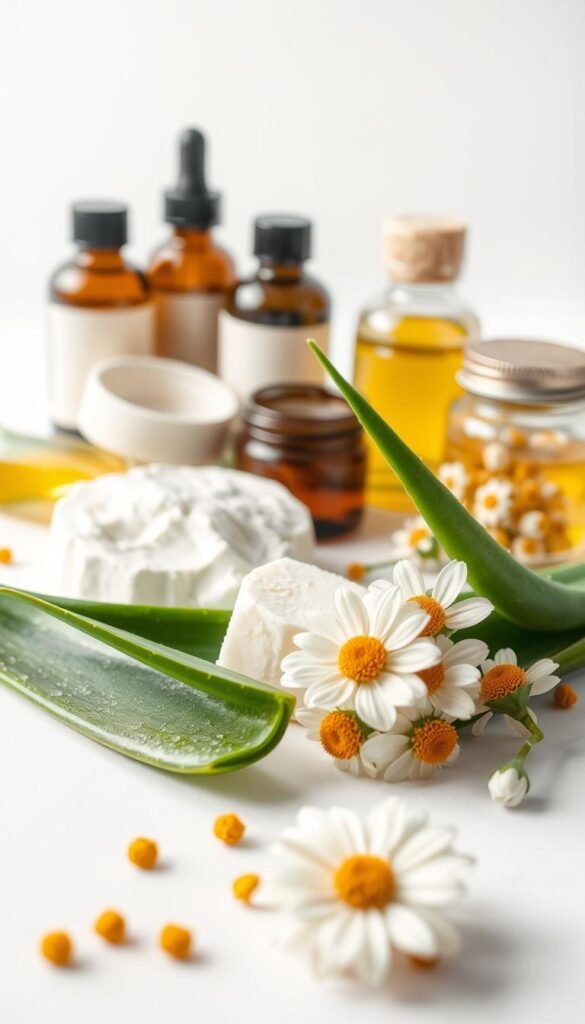
“The beauty of a woman is not in the clothes she wears, but in the confidence her skin radiates.” – Audrey Hepburn’s timeless words remind us that healthy, nourished skin forms the foundation of true self-assurance. When discomfort and flakiness disrupt that confidence, understanding your skin’s needs becomes essential.
This Website contains affiliate links. That means I may earn a small commission if you purchase through my links, at no extra cost to you.
Xerosis, commonly called dry skin, affects millions globally. While environmental factors like harsh weather or aggressive cleansers often strip moisture, the solution lies in restoring balance. Through years of personal experimentation and research, I’ve discovered that effective care combines science-backed strategies with gentle, natural ingredients.
This guide isn’t about quick fixes. It’s about building habits that address root causes—whether a weakened moisture barrier or lifestyle triggers. You’ll learn why some products work miracles for certain people but fail others, and how to tailor routines to your unique needs.
Key Takeaways
Environmental factors and skincare habits are primary contributors to dryness
Natural ingredients can offer immediate relief while supporting long-term health
Personalized routines prevent recurring dryness better than generic solutions
Modern science enhances traditional remedies for faster, visible results
Affordable, accessible strategies fit seamlessly into daily life
Let’s explore how to transform your approach to hydration—starting with understanding your skin’s unique language. Together, we’ll unlock methods that deliver lasting comfort and resilience.
Understanding Dry Skin and Its Causes
Skin’s moisture balance is fragile, easily disrupted by unseen aggressors. Through trial and error, I discovered most irritation stems from two core issues: external triggers and internal vulnerabilities. Let’s unpack what weakens our protective outer layer and why some bodies struggle to maintain hydration.
Environmental Factors and Irritants
Winter taught me hard lessons about moisture theft. Cold air acts like a sponge, pulling hydration from exposed surfaces. Indoor heating worsens this effect, creating desert-like conditions. My worst flare-ups occurred after long showers—steam might feel soothing, but hot water dissolves essential oils faster than a spilled drink evaporates.
Aggressor
Impact
Prevention Tip
Low Humidity
Draws moisture from surface cells
Use humidifiers at 40-60% RH
Harsh Cleansers
Strips protective lipids
Choose pH-balanced formulas
Chemical Exposures
Triggers inflammation
Wear gloves during chores
Compromised Skin Barrier and Its Impact
“Think of your stratum corneum as a brick wall,” a dermatologist once explained to me. When the ‘mortar’ between skin cells degrades, moisture escapes like water through cracked pavement. Overzealous scrubbing shattered my barrier—what I mistook for thorough cleansing actually created microscopic entry points for irritants.
Certain medications accelerated this damage. Retinoids revolutionized my acne but left surfaces parched until I learned to buffer their effects with ceramide-rich creams. Now I monitor my barrier’s resilience through simple tests: if water beads form when splashed, protection remains intact.
My Personal Journey with Dry Skin
At seven years old, I pressed my mittened hands against frosted windows, unaware those same winters would spark a decades-long battle. Flaky patches appeared like unwelcome guests, turning simple movements into uncomfortable reminders of my skin’s vulnerability. What began as seasonal discomfort evolved into a quest for lasting solutions.
Lessons Learned from My Experience
Early attempts brought frustration. Luxury creams promised miracles but left redness. “More expensive doesn’t mean more effective,” I realized after wasting $80 on a celebrity-endorsed jar. Consistency with basic ceramide products outperformed flashy trends.
Triggers revealed themselves through observation. Central heating during Chicago winters worsened my condition, while stress amplified symptoms before big presentations. I tracked patterns like a detective, swapping harsh exfoliants for colloidal oatmeal washes.
Three truths emerged:
Personalized treatment beats generic advice
Progress happens in weeks, not days
Gentle products often work best for sensitive types
Through failed experiments, I discovered my skin thrives on simplicity—a lesson costing years but worth every flake. Now, adjusting my routine with seasonal shifts keeps discomfort at bay better than any quick fix ever did.
Effective Home Remedies: How to Fix Dry Skin
Kitchen cabinets often hold surprising solutions for parched complexions. Through years of trial, I’ve curated three powerhouse home remedies that outperform luxury creams for many—including my reactive sensitive skin.
Coconut Oil & Protective Barriers
Coconut oil became my daily savior after discovering its saturated fatty acids bond with skin lipids. I apply a pea-sized amount to damp under-eye areas each morning. Unlike heavy creams, it absorbs without clogging pores while creating a breathable shield against moisture loss.
For cracked elbows or heels, I layer petroleum-based products over damp skin. This occlusive method traps hydration like a greenhouse for cells. Research shows this approach boosts healing by 40% in mature skin compared to lotions alone.
Oatmeal’s Soothing Magic
Colloidal oatmeal transformed my winter flare-ups. A 2015 Rutgers University study confirmed its anti-inflammatory avenanthramides calm itching within 15 minutes. My method: grind rolled oats into powder, then whisk into bathwater until milky.
Post-soak, I pat skin dry and apply coconut oil while pores remain open. This combo delivers immediate relief and lasting protection. Over six weeks, this routine reduced my reliance on medicated creams by 80%.
Three keys to success with natural treatments:
Apply to damp skin for deeper absorption
Combine occlusives (petroleum) with humectants (oatmeal)
Consistency matters more than quantity
Effective Moisturizers and Skincare Ingredients
Discovering the right combination of components transformed my approach to hydration. The secret lies in strategic layering—using science-backed elements that mimic the body’s natural defenses while addressing specific concerns.
Key Ingredients for Hydration and Barrier Repair
Through years of testing, I found ceramides, cholesterol, and fatty acids form the holy trinity for barrier restoration. These ingredients work like microscopic mortar, filling gaps between surface cells. My morning ritual begins with hyaluronic acid serum on damp skin, followed by glycerin-rich toners.
Nighttime brings richer creams containing shea butter and squalane. This combination locks in moisture while allowing cellular repair during sleep cycles. Research shows consistent use strengthens the skin barrier by 30% within eight weeks.
Balancing Oils, Ceramides, and Moisturizers
Layering oil before moisturizer became my game-changer. After cleansing, I pat argan or jojoba blends onto wet cheeks—the water helps dispersion. This technique creates a breathable seal that prevents midday tightness.
Three rules guide my product selection:
Lightweight moisturizers for facial zones prone to congestion
Thick creams for rough patches like knees and elbows
Fragrance-free formulas to avoid irritation triggers
Selecting Products Suitable for Sensitive Skin
Navigating ingredients lists taught me to spot red flags. I avoid alcohols and sulfates, opting instead for oat extracts and panthenol. For reactive skin, I prioritize products with fewer than ten components—simplicity reduces flare-up risks.
My current rotation includes a ceramide gel-cream for daytime and petroleum-infused balm for extreme dryness. This balanced approach maintains comfort without overwhelming delicate areas.
Smart Lifestyle Adjustments for Lasting Relief
My bathroom habits once sabotaged my progress without realizing it. Simple changes transformed tight, irritated surfaces into supple comfort. Three adjustments made the biggest impact: temperature control, protective barriers, and environmental awareness.
Adapting Your Shower Routine and Protecting Your Hands
Switching to lukewarm water showers felt counterintuitive initially. Now I set a 7-minute timer and use soap-free cleansers. This preserves natural oils better than my old 20-minute steaming sessions ever did.
Hands demanded special attention. After developing cracks from dishwashing, I implemented a glove protocol:
Situation
Solution
Result
Washing dishes
Vinyl gloves with cotton liners
Zero detergent contact
Winter walks
Insulated mittens
Windburn prevention
Gardening
Breathable nitrile gloves
No soil irritation
Indoor air quality became another focus. My $35 humidifier runs nightly, maintaining 60% humidity. Combined with loose cotton sleepwear, this prevents waking up with parched cheeks.
These care strategies require minimal effort but deliver maximum protection. Consistency with these ways keeps my body comfortable through seasonal shifts and daily challenges.
Additional Tips for Relieving and Preventing Dry Skin
True skin health extends beyond topical treatments—it thrives on holistic care. Through trial and error, I discovered lasting relief comes from combining internal nourishment with external protection. Let’s explore practical strategies that address multiple angles of hydration.
Fueling Resilience Through Daily Choices
My most transformative change? Adding antioxidant-rich blueberries and wild-caught salmon to meals. Research confirms these foods strengthen cellular defenses against environmental stressors. I pair this with nightly humidifier use (40-60% humidity) and loose cotton layers that let my body breathe.
Eliminating Hidden Aggressors
Label literacy became crucial. I now avoid products listing sulfates or synthetic fragrances—common chemicals that disrupt moisture balance. Even laundry routines changed: fragrance-free detergents prevent residual irritation on clothes.
Three non-negotiable tips from my journey:
Prioritize sleep quality for optimal cellular repair
Manage stress through yoga to reduce cortisol spikes
Choose medical-grade humidifiers with auto-shutoff features
These methods, medically reviewed by dermatology experts, create a cumulative effect that helps prevent dry patches before they form. While results take weeks, the lasting comfort proves patience pays.
FAQ
What lifestyle changes help relieve dry skin?
I adjust my shower routine by using lukewarm water and gentle cleansers. Protecting hands with gloves during chores and applying moisturizer immediately after washing prevents moisture loss. Adding a humidifier at night also combats dry air.
Can diet impact skin hydration?
Yes! I prioritize omega-3-rich foods like salmon and walnuts, which support the skin barrier. Staying hydrated with water and herbal teas maintains internal moisture, while avoiding excess caffeine or alcohol reduces dehydration.
How do environmental factors worsen dryness?
Cold weather, low humidity, and harsh winds strip natural oils. Indoors, heating systems dehydrate the air. I minimize exposure by wearing protective clothing and using fragrance-free products to avoid irritation.
Which ingredients effectively repair the skin barrier?
Ceramides, hyaluronic acid, and squalane are my go-tos. Ceramides reinforce the lipid layer, while hyaluronic acid attracts water. Petroleum jelly locks in hydration overnight, especially on rough patches like elbows.
Are natural remedies like coconut oil reliable?
Coconut oil works for me as a quick fix, but it’s comedogenic for some. For sensitive areas, colloidal oatmeal baths soothe irritation. Always patch-test first to avoid reactions.
How do I choose products for sensitive skin?
I avoid sulfates, alcohol, and synthetic fragrances. Look for labels like “hypoallergenic” or “dermatologist-tested.” Creams with niacinamide reduce redness, and mineral-based sunscreens prevent further barrier damage.
Can stress affect dry skin conditions?
Absolutely. Stress weakens the skin’s defense mechanisms, leading to flare-ups. I manage it through mindfulness practices and ensuring consistent sleep, which helps my skin recover faster.