“The best thing is to look natural, but it takes makeup to look natural.” – Audrey Hepburn’s wisdom applies perfectly to how we approach our daily habits. Just like makeup, the right regimen can enhance what’s already there. For those struggling with tightness or irritation, finding balance isn’t about masking flaws—it’s about nurturing resilience.
This Website contains affiliate links. That means I may earn a small commission if you purchase through my links, at no extra cost to you.
I’ve spent years refining methods that strengthen your body’s protective barrier without relying on harsh formulas. Discomfort from dehydration isn’t just frustrating—it leaves you vulnerable to redness and premature aging. That’s why building a tailored plan matters more than chasing quick fixes.
This guide isn’t about rigid rules. Instead, I’ll show you how to decode your body’s signals and adapt solutions that fit your lifestyle. You’ll discover how simple swaps—like prioritizing plant-based ingredients—can transform texture and radiance over time.
Key Takeaways
- Learn to create a personalized regimen that combats dehydration effectively
- Discover why gentle, plant-derived ingredients often outperform synthetic options
- Identify environmental factors worsening your sensitivity
- Implement daily habits that lock in moisture without greasiness
- Avoid common pitfalls that sabotage long-term results
Introduction: My Personal Journey with Dry Skin
For years, I battled persistent tightness and irritation that no cream could soothe. My turning point came during a harsh winter when store-bought cleansers left my face feeling like parchment. “Why does ‘hydrating’ mean sticky residue?” I wondered, staring at another disappointing product label.
Why I Chose Simpler Solutions
Traditional cleansers stripped my protective barrier, worsening redness. After switching to plant-based alternatives, I noticed fewer flare-ups within weeks. Gentle oils like jojoba became allies instead of enemies—a revelation after decades of frustration.
What You’ll Gain Here
This guide cuts through the noise with science-backed strategies I tested myself. You’ll learn to identify triggers (spoiler: stress plays a role) and build habits that nourish from within. I’ll share exact timelines—because real change doesn’t happen overnight—and warn against common mistakes that reverse progress.
Understanding Dry Skin and Its Unique Challenges
Navigating the complexities of sensitivity requires understanding both internal and external factors. While some conditions are inherited, daily choices often determine their intensity. Let’s explore what amplifies discomfort and how to break destructive cycles.
Common Causes and Environmental Triggers
Through trial and error, I discovered three primary culprits:
| Genetic Factors | Environmental Aggressors | Lifestyle Influences |
|---|---|---|
| Inherited barrier weaknesses | Low humidity & extreme temps | Long hot showers |
| Reduced lipid production | Harsh cleaning products | Alcohol consumption |
How Sensitivity Shapes Daily Choices
My mornings used to start with steam-filled bathrooms. Now, I set timers to prevent overheating. Tightness after washing dishes taught me to wear gloves religiously.
A compromised skin barrier creates a domino effect. Water escapes faster, leaving tissues vulnerable. This leads to more irritation from fabrics or weather changes. Breaking this cycle requires consistent protection.
Simple adjustments made lasting differences. Switching to lukewarm water preserved my comfort. Identifying stress patterns helped me prevent flare-ups before they began.
Essential Steps in a “dry skin care routine natural” for Healthy Skin
Building resilience starts with four non-negotiable actions. These stages work together like puzzle pieces—skip one, and the whole picture crumbles. Here’s what transformed my approach after years of trial:
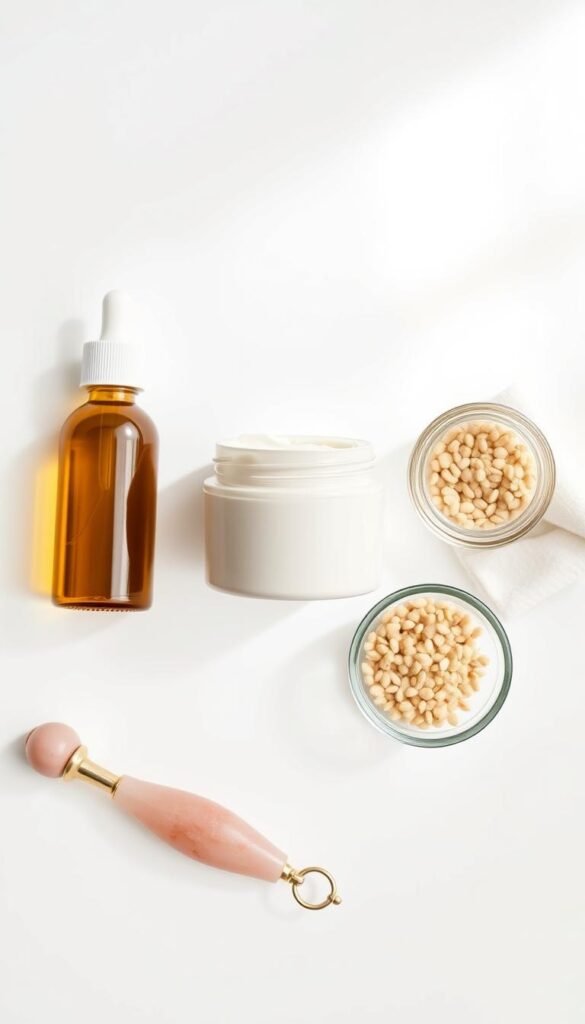
- Cleanse with purpose: I use formulas that lift dirt without disrupting protective oils. Cream-based options became my go-to—they leave tissues supple, not squeaky.
- Exfoliate mindfully: Once weekly, I apply fruit enzymes to dissolve dead layers. This lets hydrating products penetrate deeper without abrasion.
- Layer hydration strategically: Thin serums go first, followed by richer creams. The combination seals moisture like a fortified dam against dehydration.
- Guard daily: Even indoors, I never skip SPF 30+. UV rays weaken defenses, making tissues prone to moisture loss.
Consistency matters more than fancy products. A $10 moisturizer used daily outperforms luxury jars collecting dust. I track progress monthly—plumper texture appears around week six.
Synergy between steps creates compounding benefits. Proper cleansing enhances serum absorption. Regular protection prevents setbacks. Miss a phase, and the chain breaks.
“Progress isn’t perfection—it’s showing up,” my dermatologist reminded me during slip-ups. Now, I keep travel-sized versions in my gym bag for seamless adherence.
Crafting My Daily AM and PM Skin Care Regimen
Timing transforms ordinary habits into powerful rituals. My regimen divides into two phases: morning prep focuses on defense, while nighttime steps prioritize recovery. This rhythm works with my body’s clock—not against it.

Morning Routine: Hydration and Protection
Dawn begins with a gel cleanser that feels like silk. I follow with a serum containing glycerin—it acts like a moisture magnet. A light cream seals everything without clogging pores.
The final step? SPF 50 sunscreen. Rain or shine. “UV rays don’t take days off,” my dermatologist warned. Now, I treat it as non-negotiable as brushing my teeth.
Evening Routine: Repair and Nourishment
Twilight calls for double cleansing—first to remove sunscreen, then to refresh. A peptide serum rebuilds resilience while I sleep. Thick ceramide cream locks it all in.
On extra windy days, I add two drops of marula oil. It’s like giving tissues a healing hug. This layered approach stopped midnight itchiness within three weeks.
| AM Focus | PM Focus |
|---|---|
| Barrier defense | Damage reversal |
| Light layers | Rich textures |
| Preemptive protection | Deep absorption |
Consistency beats complexity. I rotate products seasonally but keep the framework intact. Results surfaced after 45 days—softer texture, fewer flakes.
Key Ingredients I Trust for Skin Hydration
Through countless trials, I’ve identified components that work synergistically to address dehydration at its source. Not all formulas deliver equal benefits—some merely sit on surfaces, while others transform texture from within. Let’s explore the powerhouses behind lasting comfort.
Hyaluronic Acid, Glycerin, and Ceramides
Hyaluronic acid remains unmatched in its moisture-binding capacity. One drop plumps fine lines like a sponge soaking water. I apply serums with varying molecular weights—lighter versions penetrate deeper, while thicker ones shield surfaces.
Glycerin acts as my daily hydration anchor. Unlike sticky alternatives, it pulls moisture from humid air without greasiness. Paired with ceramides, this trio rebuilds compromised barriers. “Think of them as mortar between bricks,” my esthetician explained—they seal gaps where moisture escapes.
Natural Oils and Antioxidants
Jojoba and rosehip oils mimic the skin’s natural sebum, preventing midday tightness. During flights, I pat on argan oil—its fatty acids create an invisible shield against recycled cabin air.
Antioxidants like vitamin E neutralize pollutants that accelerate dehydration. Green tea extract became my gym bag staple after noticing fewer post-workout flares. These elements don’t just defend—they help tissues repair themselves overnight.
| Humectants | Emollients | Occlusives |
|---|---|---|
| Hyaluronic acid | Jojoba oil | Beeswax |
| Glycerin | Squalane | Shea butter |
The Art of Cleansing, Exfoliating, and Toning
Mastering foundational steps transformed how my face feels throughout the day. It’s not about scrubbing harder—it’s about working smarter with formulas that respect your body’s needs.
Cleansing Without Stripping Natural Oils
I abandoned foaming washes years ago. Now, cream-based products with avocado oil dissolve sunscreen without tugging. The right cleanser leaves a subtle veil of protection—not that dreaded tightness.
Double cleansing became my evening ritual. First, jojoba oil melts makeup. Then, a pH-balanced formula sweeps away residue. This two-step process prevents clogged pores while maintaining essential lipids.
Optional Exfoliation Techniques for Gentle Renewal
Exfoliation requires restraint. I use rice enzyme powders mixed with honey once weekly. They buff away flakes without microtears. Overdoing it leads to redness—a lesson learned through painful trial.
Toning? Only when needed. Alcohol-free options with chamomile calm after city pollution exposure. Most days, I skip this step entirely. My rule: “If it doesn’t actively help, don’t add it.”
| Morning Cleanse | Evening Cleanse |
|---|---|
| Water rinse only | Oil + cream cleanser |
| No exfoliation | Weekly enzyme treatment |
Boosting Moisture with Serums, Moisturizers, and Facial Oils
The secret to lasting hydration lies in how you layer your products. Like building a weatherproof house, each element serves a distinct purpose. Thin, potent formulas work beneath the surface, while richer textures shield against daily stressors.
Strategic Layering for Maximum Absorption
I start with serums packed with vitamin C or peptides. These sink in quickly, delivering active ingredients where they’re needed most. A hyaluronic acid formula plumps my skin within minutes—no greasy residue.
Next, moisturizers act as moisture sealants. I opt for glycerin-based creams in humid months and switch to shea butter blends when temperatures drop. The right consistency prevents midday tightness without clogging pores.
Facial oils come last in my evening ritual. Two drops of marula oil create a protective veil against pollution. Plant-derived options nourish while letting tissues breathe—unlike heavy petroleum jellies I’ve abandoned.
Timing matters. I apply hydrating serums to damp skin for better absorption. Moisturizers follow within 60 seconds to lock in dewiness. This sequence transformed my texture faster than any single product ever could.