“Aging is not ‘lost youth’ but a new stage of opportunity and strength.” – Betty Friedan’s words remind me that while time leaves its mark, I hold the power to shape how those marks affect my confidence. Like many, I’ve noticed lines forming where expressive brows and sunlit days once left their trace. But here’s what I’ve learned: these changes aren’t sentences—they’re invitations to act.
This Website contains affiliate links. That means I may earn a small commission if you purchase through my links, at no extra cost to you.
My journey began by understanding why these lines appear. Collagen and elastin—the proteins keeping skin firm—naturally decline with age. Add sun exposure or repeated facial movements, and the problem deepens. But dermatologists agree: while we can’t stop time, we can influence how it shows on our faces.
Today’s options range from simple daily habits to clinical treatments. Retinol creams boost cell turnover. Hydration plumps fine lines. For deeper creases, procedures like microcurrent therapy or injectables offer targeted solutions. What excites me most? Many methods work synergistically, creating cumulative results over weeks.
Key Takeaways
Natural aging and external factors both contribute to facial lines
Collagen loss accelerates visible signs of maturity
Daily skincare routines can significantly improve texture
Professional treatments provide faster, more dramatic changes
Combination approaches yield the best long-term results
Sun protection remains the ultimate preventive measure
As I explore solutions, I’m learning to celebrate progress over perfection. Each small step—applying SPF, trying facial yoga—adds up. My skin tells a story, but now I’m writing the chapters.
Understanding the Causes of Forehead Wrinkles
When I started noticing changes in my skin’s texture, I realized multiple factors team up to create visible signs of aging. Dermatologist Shereene Idriss helped me see these changes aren’t random—they follow predictable patterns rooted in biology and lifestyle.
Natural Aging vs. Lifestyle Choices
Intrinsic aging slowly reduces collagen and elastin—proteins that keep skin springy. By my 30s, my body produced 1% less collagen yearly. This natural decline makes skin thinner and less resilient.
External factors accelerated this process. Hours spent squinting at screens or smiling broadly etched temporary lines that became permanent. “Every facial expression leaves a trace,” my dermatologist noted during a consultation.
Sunlight and Muscle Memory
UV rays emerged as a silent culprit. Just 15 minutes of daily sun exposure breaks down collagen faster than aging alone. I noticed deeper lines after beach vacations despite wearing hats.
Repeated muscle movements created grooves over time. Dynamic lines from eyebrow raises eventually stayed visible, even when relaxed. Genetics play a role too—my mother’s skin timeline gave clues about what to expect.
Establishing an Effective Skincare Routine
Crafting a skincare routine that delivers results requires strategy, not just product stacking. Through trial and error, I discovered three powerhouse ingredients that transformed my approach: retinol, vitamin C, and peptides.
Key Ingredients: Retinol, Vitamin C, and Peptides
Retinol became my nighttime hero. Dermatologist studies show it boosts collagen production by 40% over six months. I started with L’Oréal’s 0.3% formula, applying it twice weekly to build tolerance. “Consistency matters more than concentration,” my esthetician reminded me during flare-ups.
Morning routines got brighter with SkinCeuticals’ vitamin C serum. Its 15% L-ascorbic acid formula fights free radicals while fading sun spots. I noticed fewer fine lines around my eyes within eight weeks—a bonus I hadn’t expected.
Peptide-infused products rounded out my regimen. Matrixyl and Argireline work like cellular messengers, telling skin to repair itself. Layering these with retinol created a visible smoothing effect that single-ingredient treatments couldn’t match.
Patience proved essential. While some products promise overnight miracles, real change took 90 days. Now, sunscreen stays non-negotiable—retinol’s sensitivity demands it. My textured areas? They’ve softened into proof that smart formulations win over time.
Boosting Collagen Production Naturally
Discovering collagen’s role in maintaining youthful texture changed my approach to skincare. While long-term collagen support requires targeted strategies, I found one ingredient delivers instant gratification while supporting overall skin health.
The Moisture Magnet Effect
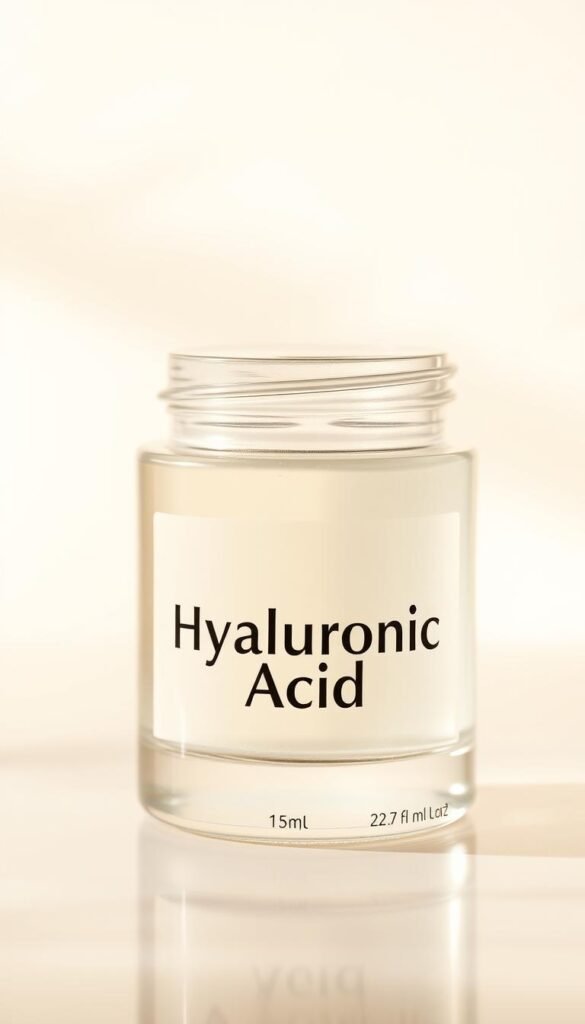
Hyaluronic acid became my secret weapon for immediate visual improvements. This powerhouse ingredient acts like a sponge, holding up to 1,000 times its weight in water. “Think of it as temporary scaffolding for your skin cells,” explains dermatologist Brian Hibler. I noticed plumper texture within three days of using Kiehl’s Hydro-Plumping Serum Concentrate.
Application technique matters. I pat the serum onto damp skin after cleansing, letting it pull moisture deeper into cells. Layering Charlotte Tilbury’s Magic Cream Moisturizer over it creates a dewy finish that softens lines. While the effects fade without consistent use, this combo gives me confidence during video calls.
It’s crucial to manage expectations. Unlike retinol’s collagen-boosting action, hyaluronic acid works superficially. I pair it with peptide treatments for deeper support. Morning routines now feel like an art—balancing instant gratification with long-term investment in my skin’s resilience.
Targeting Fine Lines with Advanced Treatments
Exploring professional treatments revealed options I never considered during my early skincare days. While serums and creams laid the foundation, stubborn lines demanded stronger solutions. My dermatologist’s office became a classroom where I learned about two game-changers: exfoliation science and light-based technology.
Chemical Solutions That Renew
Chemical peels became my gateway to professional care. During my first session, the esthetician explained: “We’re tricking your skin into healing itself by removing damaged layers.” The TCA peel tingled momentarily before revealing smoother texture days later. Blended Jessner Peels combined multiple acids for customized results—ideal for uneven tones accompanying my fine lines.
Light-Based Precision Tools
Laser resurfacing intrigued me with its promise of deeper renewal. Fractional lasers created microscopic treatment zones, leaving surrounding tissue intact for faster healing. While pricier than peels, the results lasted longer. Skin felt tighter within weeks as collagen rebuilt itself beneath the surface.
Treatment
Cost Range
Downtime
Best For
Chemical Peels
$150-$650
1-3 days
Surface texture & mild lines
Laser Resurfacing
$1,000-$5,000
3-7 days
Deep collagen stimulation
Recovery timelines surprised me. Light peels required only sunscreen avoidance, while laser treatments needed strict sun protection for months. Risks like temporary redness reminded me why professional guidance matters—I’d never attempt these at home.
Now I alternate between peels for maintenance and annual laser sessions for cumulative benefits. My advice? Start with superficial treatments before graduating to intensive options. Every face tells a different story—make sure yours gets the right editor.
Exploring In-Office Procedures for Forehead Wrinkles
Navigating professional treatments felt overwhelming until I learned how different solutions target specific concerns. My dermatologist explained that options range from quick “lunchtime procedures” to collagen-boosting therapies requiring multiple sessions.
Botox vs. Fillers: Which Is Right for Me?
I discovered Botox works best for expression-related lines. During my first session, the practitioner said: “We’re calming overactive muscles that create temporary folds.” Results appeared within five days, smoothing areas that creased when I raised my brows. Maintenance every 3-4 months keeps muscles relaxed.
Fillers addressed deeper grooves visible at rest. Hyaluronic acid-based formulas lifted depressed areas instantly. Unlike Botox’s muscle focus, these injections add volume beneath the skin’s surface. For stubborn horizontal lines, this became my go-to solution.
Benefits of Microneedling and PRP Therapy
For long-term improvement, I tried microneedling with PRP. Tiny needles created micro-channels, triggering natural repair. Adding platelet-rich plasma accelerated healing—my own blood cells supercharged collagen production. After three sessions, my texture resembled polished marble.
Fillers plump static lines with immediate visible effects
Microneedling costs $600-$1,200 depending on clinic and add-ons
Combined PRP enhances skin regeneration by 40% in studies
Budgeting proved crucial. While Botox requires quarterly visits, microneedling offers cumulative benefits with fewer sessions. Now I alternate between quick fixes and foundational treatments—a strategy keeping my confidence steady between appointments.
The Role of Lifestyle Changes in Wrinkle Reduction
I discovered lasting improvements require more than topical solutions—they demand daily choices that support skin from within. While creams and treatments help, true transformation happens when lifestyle becomes part of the strategy.
Sun Protection and Hydration Best Practices
Sun exposure remains the fastest accelerator of visible age. I now apply SPF 30 broad-spectrum sunscreen like EltaMD UV Clear even on cloudy days. Studies show this simple habit reduces skin damage by 24% compared to SPF 15.
Hydration works double-duty. I drink eight glasses of water daily and use hyaluronic acid serums on damp skin. This combo plumps cells from inside and out, softening lines caused by dehydration.
Managing Stress and Improving Nutrition
Chronic stress breaks down collagen through elevated cortisol levels. My solution? Ten-minute meditation sessions and evening walks. These rituals calm both mind and facial muscles.
Dietary shifts made surprising differences. I prioritize antioxidant-rich foods like blueberries and spinach while reducing sugar. Omega-3s from walnuts and salmon became my skin’s best friends—their anti-inflammatory effects rival some serums.
FAQ
What’s the fastest way to minimize lines on my forehead?
I prioritize hydration, daily SPF 30+ sunscreen, and products with retinol or hyaluronic acid. Temporary fixes like silicone patches or makeup primers can smooth texture instantly while long-term solutions build collagen.
How does sun exposure contribute to visible aging?
UV rays break down collagen and elastin fibers, causing sagging and deeper creases. I always pair broad-spectrum sunscreen with antioxidants like vitamin C to neutralize free radicals and protect my skin barrier.
Can facial movements like frowning make lines worse?
Yes, repetitive motions create dynamic wrinkles that become etched over time. I use frown-reducing techniques like mindfulness or silicone patches to limit muscle strain while preserving natural expression.
Which ingredients actually boost collagen production?
Retinol accelerates cell turnover and collagen synthesis, while peptides signal skin to repair itself. I layer these with vitamin C serums to protect existing collagen and brighten my complexion.
Are chemical peels or lasers better for stubborn texture?
Peels work on surface-level discoloration, while lasers like Fraxel target deeper layers. I consult a dermatologist to match my skin type with the right intensity, ensuring minimal downtime and maximum renewal.
Should I choose Botox or fillers for deep creases?
Botox relaxes muscles causing dynamic wrinkles, whereas fillers plump static lines. I combine both for severe cases but start with neuromodulators for early prevention, adjusting based on my skin’s response.
How does microneedling improve skin quality?
Tiny needles create micro-injuries that trigger collagen and elastin repair. Adding PRP (platelet-rich plasma) amplifies results—I’ve seen smoother texture and reduced pore size after three sessions spaced six weeks apart.
What lifestyle habits prevent premature aging?
I drink 80 oz of water daily, eat omega-3-rich foods, and manage stress with yoga. Sleeping on silk pillowcases reduces friction, and reapplying sunscreen every two hours outdoors is non-negotiable.