“The beauty of a woman is not in the clothes she wears, but in the skin she inhabits.” – Audrey Hepburn’s timeless wisdom reminds us that radiant skin reflects both care and confidence. Like many, I’ve navigated the journey of maintaining healthy-looking skin while addressing visible signs of aging. Let me share what I’ve learned.
This Website contains affiliate links. That means I may earn a small commission if you purchase through my links, at no extra cost to you.
Sun exposure plays a surprising role in how our skin evolves over time. Research reveals up to 80% of visible aging comes from UV damage. This isn’t just about beach days – daily habits matter more than we realize. Through trial and error, I’ve discovered practical strategies that balance prevention and correction.
This guide combines science-backed methods with realistic lifestyle adjustments. You’ll find options ranging from simple hydration tricks to professional-grade solutions. The goal? To help you create a personalized approach that fits your life while respecting your skin’s natural rhythms.
Key Takeaways
UV protection prevents up to 80% of visible aging signs
Natural methods can improve texture without harsh chemicals
Professional treatments offer targeted solutions when needed
Daily habits significantly impact long-term skin health
Combination approaches yield the best results over time
Understanding Aging and Fine Lines
Our skin tells the story of our lives, but not all chapters are written by choice. Over time, biological shifts alter its structure and appearance. To address visible changes effectively, we must first understand the science beneath the surface.
What Happens to Skin as We Age
Your body’s natural collagen production drops about 1% yearly after your mid-20s. This vital protein works with elastin to maintain firmness and bounce. Without them, skin becomes thinner and loses its ability to snap back after stretching.
Moisture retention also declines with age. I’ve noticed this personally – my cheeks felt drier even though my routine hadn’t changed. This dehydration magnifies the appearance of fine lines, especially around delicate eye areas.
The Role of Collagen and Elastin
Think of collagen as your skin’s scaffolding and elastin as its rubber bands. Together, they create a supportive network that keeps texture smooth. When this system weakens, repetitive motions (like squinting) leave temporary creases that eventually stay visible – these are dynamic lines.
Static lines form differently. Gravity and structural loss cause folds that appear even when your face rests. While genetics influence this process, lifestyle choices like sun habits play a bigger role than most realize. Protecting your skin’s elasticity early makes a noticeable difference later.
Sun Protection: A Crucial Step for Healthy Skin
Many underestimate how daily light exposure shapes our skin’s future. I learned this truth through personal experience and scientific evidence. One groundbreaking study tracked adults for four years – those applying sunscreen daily showed 24% fewer aging signs than occasional users.
Choosing the Right Sunscreen
Not all sunscreens work equally. I prioritize broad-spectrum formulas with SPF 30+ that block both UVA and UVB rays. Texture matters too – I opt for non-greasy versions that blend easily under makeup.
Application technique makes a difference. Most people use only 25% of the needed amount. I follow the “teaspoon rule”:
1/2 tsp for face and neck
1 tsp per arm
2 tsp for torso and back
Additional Protective Measures
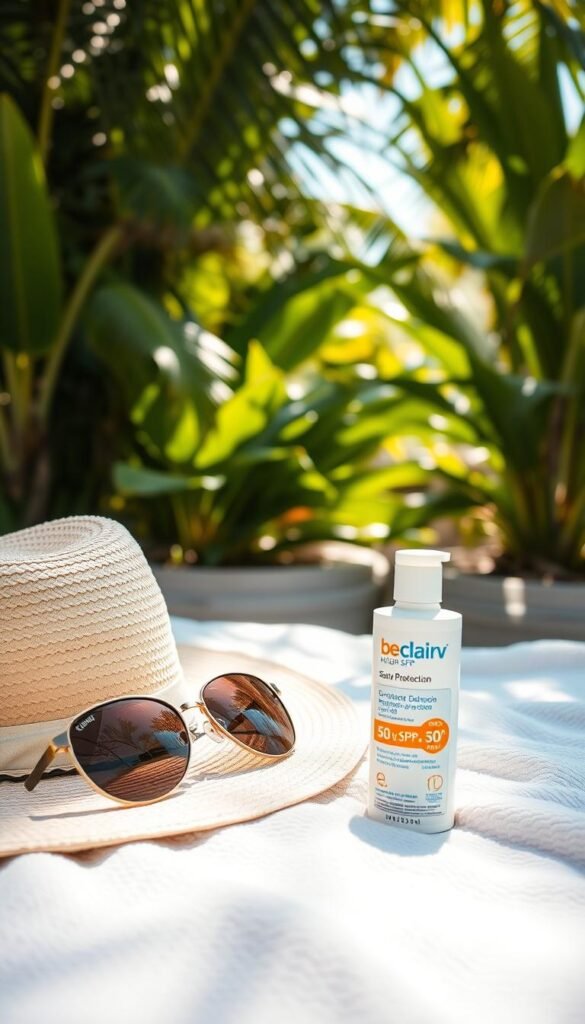
Sunscreen alone isn’t enough. I wear wide-brimmed hats during peak sun hours (10 AM-4 PM) and choose clothing with UPF 50+ ratings. My sunglasses have UV400 lenses – they protect skin around eyes while preventing squint lines.
Many forget that UV rays penetrate clouds and windows. I keep a travel-sized sunscreen in my car and desk drawer. Reapplication every two hours becomes second nature, especially after swimming or sweating.
Facial Exercises and Massages for Enhanced Elasticity
Can you tone facial muscles like other body parts? Research offers mixed answers. A JAMA Dermatology study tracked women doing 30-minute facial workouts every other day. After 20 weeks, some saw improved cheek fullness. But critics argue these movements might create unwanted effects over time.
Effective Facial Exercise Techniques
Some practitioners suggest resistance exercises using fingertips. For forehead lines, press palms against brows while lifting. Cheek lifts involve smiling while gently pushing up. I tried these but noticed temporary redness. Skin experts caution against repetitive motions that pull delicate tissues.
Though muscle tone might improve, overworking facial expressions could deepen creases. A 2023 analysis found participants using aggressive techniques developed more visible lines within six months. Moderation proves key.
Benefits of Regular Facial Massages
Gentle massage offers safer benefits. Using jade rollers with light pressure boosts circulation. I prefer upward strokes with rosehip oil – it leaves my skin glowing without tugging. Lymphatic drainage techniques reduce puffiness better than creams in my experience.
Clinical trials show massage increases elasticity by 12% when done properly. Always use clean hands and smooth motions. Pair with hydrating serums to amplify natural lifting effects. This approach respects your skin’s limits while supporting its structure.
Effective wrinkles remedies face: Natural Tips and Treatments
Your kitchen holds surprising allies in the quest for vibrant skin. Through years of experimenting, I’ve found pantry staples often rival high-end products. Let’s explore nature’s toolkit for maintaining smoothness and resilience.
Powerhouse Ingredients From Nature
Coconut oil remains my go-to for overnight hydration. Its fatty acids penetrate deeper than most creams, creating a protective barrier. I apply a pea-sized amount to damp skin – too much can clog pores.
Beta carotene supplements transformed my routine. Taking 30 mg daily helped reverse sun damage from my surfing days. Pairing them with vitamin C-rich foods like oranges boosts absorption.
Smart DIY Approaches
Mix oils strategically for maximum benefit. My favorite blend combines:
1 tsp coconut oil
5 drops vitamin E
1/4 tsp avocado oil
Apply this nightly to get rid of dryness without greasiness. For morning use, add lemon zest – its natural acids gently exfoliate.
Ingredient
Key Benefit
Best For
Coconut Oil
Deep moisture
Night repair
Olive Oil
Antioxidants
Massage blends
Avocado Oil
Vitamin E
Daytime protection
Sunflower Oil
Light texture
Sensitive skin
Don’t overlook colorful produce. Blueberries and spinach contain antioxidants that combat environmental stressors. I blend them into smoothies and use pulp as mini masks.
Consistency matters more than complexity. Simple treatments applied regularly yield better results than occasional elaborate routines. Start with one method for 4-6 weeks before adding others.
Anti-Aging Skincare: Ingredients That Make a Difference
Modern skincare science offers powerful tools to combat visible aging signs. After testing countless products, I’ve identified key ingredients that deliver measurable results. These components work at cellular levels to support your skin’s natural renewal processes.
Peptides, Hyaluronic Acid, and Vitamin C
Peptides became my secret weapon against sagging. These amino acid chains trigger collagen production – your skin’s natural support system. Consistent use improved my jawline definition within eight weeks.
Hyaluronic acid acts like a moisture magnet. I apply serum before moisturizer to lock in hydration. This plumps fine lines so effectively, my makeup sits smoother. For best results, use on damp skin.
Vitamin C does double duty. It shields against pollution while brightening dark spots. My morning routine always includes a 15% L-ascorbic acid formula. Pair it with sunscreen for enhanced protection.
Understanding Niacinamide and Antioxidants
Niacinamide transformed my uneven texture. This vitamin B3 derivative minimizes pores and reduces deeper creases. I noticed fewer breakouts since adding it to my nightly regimen.
Alpha-hydroxy acids (AHAs) gently exfoliate delicate areas. Glycolic acid smoothed my crow’s feet better than any eye cream. Start with low concentrations to avoid irritation.
Ingredient
Primary Action
Optimal Use Time
Peptides
Boost collagen
Night
Hyaluronic Acid
Increase moisture
Morning & Night
Vitamin C
Antioxidant defense
Morning
Niacinamide
Reduce lines
Night
Layer these ingredients strategically. I apply vitamin C first, followed by hyaluronic acid, then peptides. Always finish with SPF during daytime. Quality matters – check concentrations before purchasing.
Lifestyle Choices That Impact Wrinkle Formation
Daily habits shape our skin’s destiny more than we acknowledge. While creams and serums help, lasting results come from consistent choices that either protect or stress our body’s largest organ. Let’s explore how nutrition and vices influence texture over time.
The Effect of Diet and Hydration
What you eat directly affects collagen quality. Sugar triggers glycation – a process where molecules bind to proteins, making them stiff. This accelerates the development of wrinkles by 57% in heavy dessert lovers, according to dermatology research.
Hydration maintains plumpness. My rule? Drink half your body weight in ounces daily. When I increased my water intake, fine lines around my mouth softened within three weeks. Pair this with omega-3-rich foods like walnuts for supple texture.
How Smoking and Alcohol Increase Aging
Smoking starves skin of oxygen. The Tanaffos study found smokers develop creases 10 years earlier than non-smokers. Each puff reduces blood flow, creating a dull complexion. I’ve seen friends quit and regain natural glow within months.
Alcohol dehydrates tissues and disrupts sleep – your body’s repair time. Heavy drinkers often show pronounced lines between eyebrows and under eyes. Moderation matters: limit to one drink daily and alternate with sparkling water.
These choices compound over decades. Swap sugary snacks for berries, and smoking breaks for brisk walks. Your future self will thank you for delaying the development of wrinkles through mindful consumption today.
Cosmetic and Professional Treatments for Wrinkles
When daily care isn’t enough, professional treatments offer targeted solutions. I’ve explored various options through consultations and personal trials. Modern approaches balance effectiveness with minimal downtime, making them accessible for busy lifestyles.
Minimally-Invasive Procedures
Anti-wrinkle injections softened my forehead lines within days. Dermal fillers plumped deep wrinkles using hyaluronic acid – results lasted six months. Mild swelling faded faster than expected, though bruising required concealer for three days.
Laser resurfacing surprised me most. The gentle heat boosted collagen without scarring. Recovery took just four days with proper aftercare. These procedures work best when tailored to your skin’s unique needs.
When to Seek Professional Advice
Consult an expert if lines resist home care. My dermatologist assessed factors like skin thickness and muscle activity. They recommended combining treatments for optimal results.
Not every option suits all people. Temporary solutions let you test effects before committing. Always verify credentials – proper training prevents complications. Your skin deserves expert attention when pursuing lasting changes.
FAQ
How does sun exposure accelerate visible signs of aging?
UV rays break down collagen and elastin fibers, leading to loss of firmness. Daily broad-spectrum SPF 30+ sunscreen like Neutrogena Ultra Sheer or La Roche-Posay Anthelios helps block UVA/UVB damage. Pair it with hats and sunglasses for full protection.
Can facial exercises really improve skin elasticity?
Yes! Studies show consistent facial yoga, like forehead smooths or cheek lifts, boosts circulation and muscle tone. I combine these with gua sha massages using rose quartz tools to reduce tension and promote lymphatic drainage.
What natural ingredients combat fine lines effectively?
Cold-pressed argan oil, rosehip seed oil, and raw honey are my go-tos. A 2020 Journal of Cosmetic Dermatology study found coconut oil’s fatty acids improve hydration in dry skin types—ideal for DIY overnight masks mixed with aloe vera.
Which skincare ingredients deliver proven anti-aging benefits?
Hyaluronic acid (The Ordinary’s HA Serum), vitamin C (Skinceuticals CE Ferulic), and niacinamide (Glossier Super Pure) boost collagen and fade hyperpigmentation. Peptides in Olay Regenerist also strengthen the skin barrier over time.
How does alcohol consumption affect wrinkle development?
Alcohol dehydrates skin and depletes antioxidants like vitamin A. Chronic use weakens elasticity, causing sagging. I limit drinks to 1–2 weekly and hydrate with electrolytes. Green tea with matcha is my antioxidant-rich alternative.
Are cosmetic treatments worth considering for deep lines?
For stubborn areas like nasolabial folds, I recommend consulting a dermatologist. Options like fractional laser (Fraxel) or microneedling with PRP show faster results than topical products alone. Always verify clinic credentials before booking.
Does sleep position influence facial aging?
Sleeping on your side or stomach causes compression lines. I switched to silk pillowcases from Slip and trained myself to sleep on my back—reducing “sleep wrinkles” in just 3 months, per a 2016 NIH study.