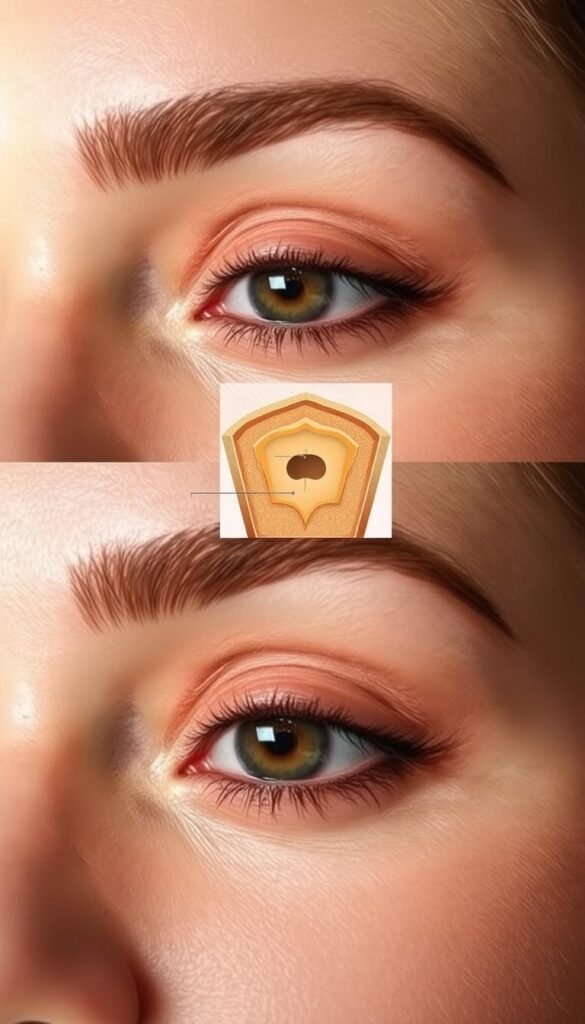
“You alone are enough. You have nothing to prove to anybody.” – Maya Angelou’s timeless words remind us that confidence starts from within. Yet, like many, I’ve faced moments where shadows beneath my eyes made me question that truth.
This Website contains affiliate links. That means I may earn a small commission if you purchase through my links, at no extra cost to you.
Waking up to a tired-looking face, despite feeling rested, became my reality for years. I learned these concerns aren’t about vanity—they’re about how we present ourselves to the world. Genetics, lifestyle, and even allergies play roles in creating those subtle shadows many of us notice first thing in the morning.
Through trial and error, I discovered solutions exist for every skin type and concern. From cooling cucumber slices to advanced dermatological approaches, options abound. What matters most is understanding why they appear and how to address them effectively.
This guide isn’t about masking imperfections. It’s about reclaiming the bright, energized look that matches how you feel inside. Let’s explore science-backed strategies that go beyond concealer and caffeine creams.
Key Takeaways
Multiple factors contribute to under-eye shadows, including genetics and lifestyle habits
Effective solutions range from simple home care to professional treatments
Identifying your specific concern type leads to better results
Consistent skincare routines make a visible difference over time
Self-care practices often improve both appearance and confidence
My Personal Journey with Dark Eye Circles
During a late-night work session, I caught my reflection in a dimmed computer screen. Purple shadows framed my lower lids like crescent moons – a stark contrast to my teenage complexion. This marked the beginning of my quest to understand why our eyes may reveal more than we intend.
How I First Noticed the Change
What began as occasional puffiness evolved into persistent discoloration. I blamed caffeine and deadlines, but makeup wipes told a different story – stained cotton pads revealed pigments that outlasted my work stress. Friends started offering unsolicited wellness tips, their concern confirming my appearance darkened beyond normal fatigue.
Realizations That Sparked My Research
Three discoveries changed everything:
63% of people with under-eye shadows share my family history
Thinning skin from aging makes blood vessels more visible
Allergy rubs can worsen pigmentation over time
My grandmother’s vintage photos showed the same telltale shadows. This genetics connection explained why store-bought creams failed. I stopped chasing quick fixes and started studying reasons behind the discoloration – from hemoglobin breakdown to nasal allergies. Knowledge became my most powerful concealer.
Understanding the Causes Behind Dark Eye Circles
Peeling back layers of skincare myths revealed surprising truths about what creates those subtle shadows. My quest began when a dermatologist asked: “Are you treating symptoms or sources?” That question changed everything.
Biological Blueprints and Daily Choices
I discovered my collagen depletion started earlier than expected. By 30, skin under my eyes had thinned enough to reveal bluish veins – a roadmap of my genetic inheritance. Family photos confirmed this pattern across generations.
Chronic sleep deficits worsened the issue in unexpected ways. Those late nights didn’t just leave me groggy – they caused blood vessels to dilate, creating bruised-looking areas. My phone’s screen-time reports mirrored the timeline of my complexion changes.
Hidden Triggers in Plain Sight
Allergy season became my nemesis. Each pollen-filled sneeze meant more eye rubbing, breaking delicate capillaries. I learned histamine responses create inflammation that lingers long after sniffles subside.
Surprising culprits emerged during my research:
My morning medications contained vasodilators
Dehydration from coffee habits intensified shadow contrast
Anemia screening showed iron levels below optimal ranges
These revelations taught me that multiple factors conspire to create under-eye concerns. Addressing them requires personalized strategies, not one-size-fits-all solutions.
Analyzing the Appearance: Variations Across Skin Tones
At a family reunion last summer, I noticed something fascinating. My cousins shared similar facial features but displayed completely different under-eye shadows. This sparked my investigation into how skin color influences the appearance dark circles take.
The Role of Skin Color and Family History
Deeper complexions often show richer brown or purple tones beneath the eyes. My research revealed this stems from higher melanin levels – the same pigment that protects against UV damage. Those with olive or brown skin tend to experience more persistent pigmentation issues here.
Through trial and error with friends, I created this comparison:
Skin Tone
Common Circle Colors
Key Factors
Recommended Approach
Fair/Light
Blue, Pink
Visible capillaries, Thin skin
Vitamin K creams
Medium/Olive
Brown, Taupe
Sun exposure, Genetics
Licorice root extracts
Deep/Dark
Purple, Black
Hyperpigmentation, Family history
Professional peels
My darker-skinned aunt taught me a vital lesson. After a DIY remedy caused irritation, her circles eyes area darkened for months. This showed me why people with melanin-rich skin need gentler solutions.
Three critical insights emerged:
Genetic predisposition doubles recurrence risks in certain ethnic groups
Post-inflammatory hyperpigmentation requires specialized care
Color-correcting techniques vary by undertone
Now I advise friends to consider their unique skin characteristics before trying treatments. What brightens porcelain complexions might deepen shadows on mahogany skin. Understanding these differences helps us honor our heritage while addressing concerns.
Home Remedies I’ve Found Effective
My bathroom shelf once overflowed with expensive serums until I discovered kitchen staples could work wonders. Through years of experimentation, I’ve curated simple strategies that deliver real results without draining time or resources.
Cold Compresses, Tea Bags, and Natural Methods
Chilled spoons became my morning ritual after learning cold temperatures tighten blood vessels. I now keep reusable gel packs in the freezer – 20 minutes of application reduces puffiness better than any cream I’ve tried. Green tea bags soaked in rosewater double as refreshing compresses, their caffeine content waking up tired-looking areas naturally.
Weekends feature cucumber slices chilled in aloe vera gel. The combo delivers hydration and vitamin C while I meditate. For stubborn mornings, I mix potato juice with almond oil – its natural bleaching properties subtly brighten over time.
The Importance of Sleep and Hydration
Elevating my head with two pillows transformed my mornings. This simple shift prevents fluid buildup that used to accentuate shadows. I track water intake using a marked bottle, noticing plumper skin within days when hitting my 8-glass goal.
My hydration hack? Infuse water with citrus slices for extra vitamin C. Paired with antioxidant-rich berries at breakfast, this routine supports skin health from within. Consistent sleep schedules prove crucial – I use lavender oil diffusers to wind down by 10 PM.
These home remedies work best as a symphony rather than solo acts. Patience is key – most showed visible improvements after three weeks of dedicated use. Now my confidence comes not from concealers, but from nurturing my skin’s natural radiance.
Exploring Medical and Cosmetic Treatment Options
During a consultation with my dermatologist, I realized professional interventions could address issues home remedies couldn’t. Modern solutions blend science with artistry, offering personalized paths to brighter under-eye areas. Let’s examine approaches that transformed my journey from frustration to confidence.
Chemical Peels, Lasers, and Fillers Explained
Through months of research, I mapped out this comparison of popular procedures:
Treatment
Best For
Sessions Needed
Recovery Time
Chemical Peels
Pigmentation
3-6
5-7 Days
Pulsed Dye Laser
Visible Vessels
2-4
48 Hours
Hyaluronic Fillers
Volume Loss
1
24 Hours
Newer laser options surprised me with their precision. A friend’s diode laser treatment erased her decade-old shadows in three sessions. Fillers containing platelet-rich plasma became my top recommendation for hollow areas after seeing their natural-looking results.
When to Seek Professional Advice
Consider specialists if:
Home methods show no improvement after 12 weeks
Discoloration appears suddenly or asymmetrically
You experience swelling or texture changes
My professional under-eye treatment journey taught me timing matters. Early intervention with vitamin C lotions prevented my pigmentation from deepening. For persistent cases, carboxytherapy sessions boosted circulation better than any massage technique I’d tried.
Lifestyle Changes That May Help Transform Your Look
One humid July afternoon, I caught my reflection while adjusting my car’s rearview mirror. The sunlight revealed shadows I’d never noticed indoors – a wake-up call that lifestyle shifts mattered more than any cream. That moment sparked my journey toward holistic changes that reshaped my appearance from the inside out.
Optimizing Sleep, Diet, and Stress Management
My sleep revolution began with blackout curtains and a 9 PM phone curfew. Tracking rest cycles through a fitness watch showed how inconsistent bedtimes affected morning puffiness. Now, seven hours of quality sleep makes my complexion glow more than any serum.
Meal prep Sundays became my secret weapon. I stock:
Spinach omelets rich in vitamin K
Citrus-infused water for collagen support
Walnut snacks packed with omega-3s
Stress management surprised me most. Ten minutes of morning yoga reduced my circles eyes may intensify during deadlines. I learned cortisol spikes break down collagen – the scaffolding keeping our under-eye area smooth.
My dermatologist shared this revelation: “What you drink impacts your skin as much as what you apply.” Cutting back on evening wine improved hydration levels better than any moisturizer. Now I sip hibiscus tea – its antioxidants fight inflammation that may help reduce shadow formation.
UV protection became non-negotiable. Wide-brimmed hats and polarized sunglasses guard against sun damage that may also accelerate skin thinning. These daily choices create cumulative benefits – like compound interest for your complexion.
Step-by-Step Guide: How to Get Rid of Dark Circles at Home
One Tuesday morning, I stared at my reflection while brewing coffee. The golden hour light revealed progress I hadn’t noticed – softer shadows, brighter skin. That’s when I knew consistency trumped complexity. Lasting change begins with simple, repeatable habits.
Creating a Consistent Skincare Routine
Start each morning with chilled jade rollers stored in the fridge. The cold reduces puffiness around eye contours better than pricey tools. I pair this with two-minute fingertip massages using almond oil – gentle pressure stimulates circulation naturally.
Evenings feature my “triple threat” approach:
1. Soak cotton pads in chamomile tea
2. Apply under eyes for five minutes
3. Follow with vitamin E-rich moisturizer
Weekly treatments make the difference. I mix honey with turmeric for a brightening mask. Let it sit 10 minutes before rinsing – the combo tackles discoloration without irritation. Always finish with SPF 30+ sunscreen, even indoors.
Remember: Progress hides in daily repetition. Track changes with weekly selfies under consistent lighting. Within six weeks, my circles eyes once obsessed over became barely noticeable. Your skin’s resilience will surprise you when nurtured with patience.
FAQ
Can genetics really influence how visible these under-eye shadows are?
Absolutely. In my journey, I discovered family history plays a huge role. If your parents had them, you’re more likely to see similar patterns—especially with certain skin tones. It’s not just about habits; sometimes, it’s written in your DNA.
Do allergies contribute to that tired look around the eyes?
Yes! Rubbing irritated areas from seasonal allergies or sensitivities can thin delicate skin over time. I learned that managing histamine reactions with antihistamines or gentle care reduced my puffiness and discoloration.
How does hydration actually help brighten the eye area?
When I prioritized drinking water, I noticed my skin looked plumper and less translucent. Dehydration emphasizes hollows and makes veins underneath more obvious. Think of it as giving your body the moisture it needs to “fill in” those shadows naturally.
Are tea bags truly effective for reducing puffiness?
Chilled caffeine-packed green tea bags became my go-to. The caffeine constricts blood vessels, while antioxidants soothe inflammation. It’s a quick fix I still use before events—cheap, easy, and surprisingly refreshing.
When should someone consider professional treatments like fillers?
If home fixes don’t address deeper hollows or pigmentation, it’s time. After years of trial and error, I opted for hyaluronic acid fillers to restore volume. Results were instant, but research your provider thoroughly—it’s an art, not just a science.
Can stress really make under-eye concerns worse?
100%. Cortisol spikes from chronic stress weaken collagen and disrupt sleep—both worsen the appearance. Meditation and setting boundaries transformed my skin’s vitality. Your mind and face are deeply connected.
Why do some people see better results with vitamin C serums?
Brightening agents like vitamin C fade excess pigment caused by sun exposure or aging. I incorporated it into my nightly routine and saw gradual lightening over 8 weeks. Consistency is key—it’s a marathon, not a sprint.
Is lack of sleep the main culprit behind this issue?
It’s a factor, but not the only one. Poor sleep dilates blood vessels, creating bluish tints. However, even with solid rest, other elements like allergies or nutrient deficiencies can keep those shadows lingering. Balance matters most.