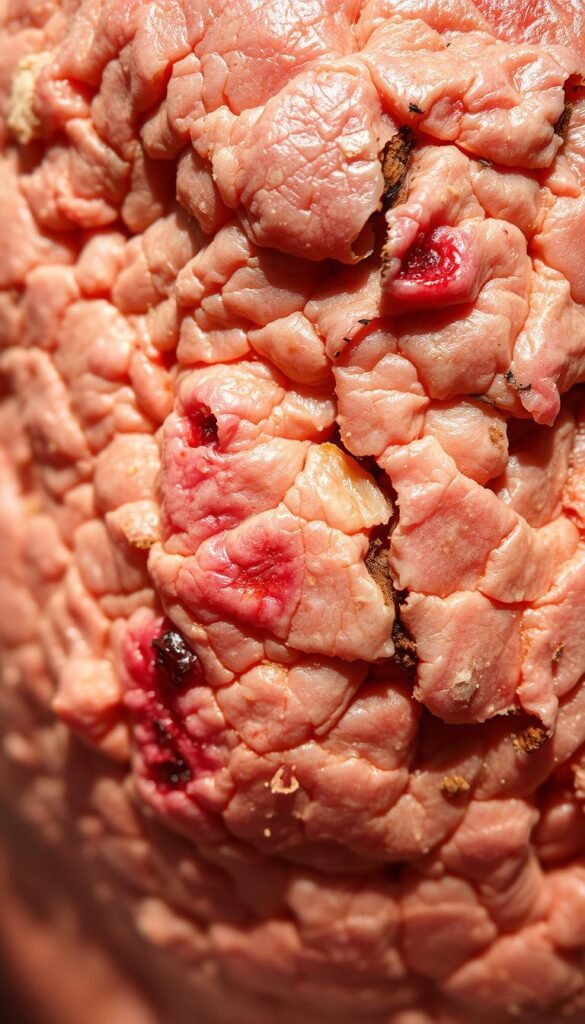
“The beauty of a woman is not in facial mode but the true beauty in a woman is reflected in her soul.” – Audrey Hepburn’s words struck me deeply during my lowest point with a compromised complexion. Like many, I chased quick fixes only to realize true transformation begins with nurturing what’s beneath the surface.
This Website contains affiliate links. That means I may earn a small commission if you purchase through my links, at no extra cost to you.
Years of harsh treatments left my face tight, flaky, and lifeless. Every moisturizer burned. Every foundation clung to patches. I blamed my genetics until a dermatologist revealed the truth: my aggressive “solutions” had destroyed my moisture barrier. Repairing it required patience—not punishment.
This journey taught me that glowing results demand more than trendy products. They require understanding your body’s signals. Through trial and error, I discovered a science-backed method to rebuild resilience. Now, I’ll share every step that revived my confidence—and how you can avoid the mistakes that delayed my progress.
Key Takeaways
Barrier repair is foundational for addressing dryness and sensitivity
Imagine your body’s largest organ as a living fortress. The outer walls—though paper-thin—determine whether invaders breach your defenses or nourishing agents reach their targets. My breakthrough came when I stopped seeing flakes and redness as enemies, but as urgent messages from this protective system.
What Is the Skin Barrier?
Scientifically termed the stratum corneum, this topmost layer combines hardened skin cells and fatty compounds. These corneocytes stack like bricks, sealed by lipid mortar containing ceramides and cholesterol. Though technically “dead,” this structure actively shields living tissue beneath.
I once dismissed this layer as mere dead skin to scrub away. How wrong I was! Its intricate design blocks pollutants while locking in hydration—a dual function essential for comfort and health.
Why Protecting It Matters
A compromised barrier isn’t just uncomfortable—it’s dangerous. Gaps between cells allow allergens to penetrate, triggering inflammation. Simultaneously, water escapes faster than parched soil in drought, leading to chronic dryness.
Through research, I grasped that barrier health impacts immunity. This thin veil determines whether we react to pet dander or shrug it off. By nurturing it, we support our body’s frontline defenders.
Recognizing Signs of Damage and Dryness
It started with subtle whispers—a slight tightness here, an unexpected flush there—that escalated into full-blown SOS signals. For months, I dismissed these cries for help as temporary reactions. Only when my reflection showed rough, papery patches did I confront the truth: my protective shield was crumbling.
Common Skin Symptoms
Persistent tightness became my unwelcome companion, paired with itching that intensified after cleansing. Simple moisturizers stung like alcohol on a wound. Discolored areas emerged—ashy islands in a sea of redness—while familiar products suddenly triggered fiery reactions.
These weren’t random flare-ups. Flakiness signaled lost moisture reserves. Sensitivity revealed microscopic cracks letting irritants invade. Each symptom whispered “barrier breach” long before I understood the language.
Internal and External Damage Factors
My nightly ritual of steaming showers and fragrant soaps—once comforting—emerged as silent saboteurs. Hot water stripped natural oils, while alkaline cleansers disrupted pH balance. Sun exposure compounded the assault, breaking down lipid defenses like sunlight through cracked glass.
Stress hormones and genetic tendencies worked invisibly, weakening cellular bonds from within. The realization hit hard: healing required addressing both environmental aggressors and internal vulnerabilities. By mapping these triggers, I finally stopped the damage spiral.
My Skin Was Damaged and Dry—This Skin Repair Routine Changed Everything
One humid July morning, I stared at my medicine cabinet overflowing with half-used serums. Each promised miracles but delivered misery. That’s when clarity struck—true healing begins when we stop fighting our biology.
The Turning Point in My Routine
I emptied my shelves, keeping only a pH-balanced cleanser and fragrance-free moisturizer. Gone were the acid toners and gritty scrubs. My new care routine became a meditation: gentle motions, lukewarm water, and products mimicking natural lipids.
Within 14 days, the burning subsided. By week six, texture smoothed like weathered stone under steady rain. I discovered that time—not ten-step regimens—was the secret ingredient. Morning and night, I repeated three sacred steps:
Cleansing without stripping
Moisturizing while skin stayed damp
Applying mineral sunscreen religiously
Trends lost their allure. When a friend raved about fermented snail mucin, I smiled but stayed course. My skin whispered its gratitude through diminishing redness. Now I understand: lasting repair happens when we work with our body’s wisdom, not against it.
Essential Ingredients for Effective Skin Repair
Rebuilding compromised skin demands more than surface-level fixes—it requires strategic ingredient selection. Through meticulous research and personal experimentation, I identified powerhouse components that work synergistically to restore balance.
Moisturizers, Oils, and Ceramides
Ceramides became my restoration cornerstone, replenishing the waxy lipids that constitute 50% of our barrier’s structure. Paired with fatty acids in moisturizers, they reformed the “mortar” between my skin cells like nature’s own masonry crew. Jojoba and argan oils proved particularly transformative, their molecular similarity to human sebum allowing deep absorption without clogging pores.
I discovered plant-derived oils offer dual benefits—sunflower oil’s linoleic acid reduced inflammation while almond oil’s antioxidants shielded against environmental stressors. Layering these with ceramide-rich creams created a protective matrix that healed cracks within weeks.
Hydration and Barrier-Replenishing Components
Humectants revolutionized my approach to dryness. Hyaluronic acid serums applied to damp skin pulled moisture inward like microscopic sponges, creating lasting plumpness. Glycerin and honey followed as hydration anchors, their humectant properties preventing water loss even in arid climates.
A 2018 study on plant oils validated my experience—participants using formulations with sunflower and soybean oils showed 34% faster barrier recovery. This scientific backing empowered me to choose products containing urea and pseudo-ceramides, which eased persistent flaking better than any exfoliant ever had.
Selecting the Right Skin Care Products
Navigating the skincare aisle felt like deciphering hieroglyphics until I learned to decode labels through science. The real magic lies not in flashy packaging, but in understanding what happens at molecular level.
Understanding Labels and pH Balance
My breakthrough came when I discovered pH levels determine product effectiveness. Our protective acid mantle thrives at 4.0-5.8 pH—slightly acidic to combat pathogens. Using alkaline cleansers had been stripping my natural defenses like bleach on silk.
I created this comparison chart to simplify decisions:
pH Level
Product Type
Barrier Impact
3.5-4.5
Gentle cleansers
Strengthens acid mantle
5.0-6.0
Moisturizers
Maintains balance
7.0+
Traditional soaps
Disrupts lipid matrix
Seeking products labeled “pH-balanced” became non-negotiable. I prioritized formulas with lactic acid and ceramides that mimic natural skin chemistry. Fragrance-free options proved essential—even “natural” essential oils triggered reactions in compromised barriers.
Through trial and error, I learned to spot red flags. Foaming agents like SLS? Instant dryness. Alcohol denat? Flake city. Now I hunt for glycerin-rich textures and hyaluronic acid in airless pumps to preserve potency.
This meticulous approach transformed product selection from guesswork to strategic healing. As researchers from the Journal of Dermatological Science confirm: “Barrier repair accelerates when topical agents match skin’s acidic environment.”
Implementing Gentle Cleansing Strategies
Cleansing, once a harsh ritual, became a healing ceremony when I understood its true purpose. For years, I’d treated this step like a battlefield—scrubbing away oils I now know were vital protectors. The shift began when I discovered how simple adjustments could transform this daily act from destructive to restorative.
Choosing Soap-Free and Mild Cleansers
Traditional soaps became my sworn enemies. Their alkaline nature disrupted my skin’s delicate pH balance, stripping away beneficial bacteria along with dirt. Switching to pH-balanced cleansers formulated for sensitivity was revolutionary—like replacing sandpaper with silk.
Cleanser Type
pH Level
Impact
Traditional Soap
9-10
Strips lipids, disrupts microbiome
Gentle Gel
5.5
Maintains acid mantle
Milk Cleanser
4.5
Preserves natural oils
I learned to seek ingredients like glycerin and ceramides that mimic skin’s natural composition. Fragrance-free options eliminated unnecessary irritation, letting my barrier rebuild without interference.
Temperature and Technique Tips
Hot water’s damage became clear through a simple kitchen analogy: just as boiling water melts butter, it dissolves protective lipids. Lukewarm rinses now preserve these crucial oils. My technique evolved too—30-second massages with fingertips replaced aggressive scrubbing.
This gentler approach eliminated the tightness I’d mistaken for cleanliness. Morning and night, I honor my skin’s needs rather than fighting them. The result? A resilient canvas ready to absorb nourishing treatments.
Step-by-Step Guide to Your Repair Routine
Three months into my healing journey, patterns emerged that transformed erratic efforts into lasting results. Consistency became my compass—not perfection—as I crafted a blueprint anyone can adapt.
Preparing Your Skin for Treatment
Every session begins with sanitized hands and a clean slate. I rinse my face with lukewarm water, patting dry with a dedicated microfiber cloth. This ritual removes debris without stripping natural oils—the foundation for effective product absorption.
Application Methods for Maximum Benefit
Technique matters as much as formulation. After cleansing, I press moisturizer into damp skin like sealing an envelope. For oils, warm three drops between palms before gently gliding over cheeks. The way you layer determines outcomes—thinnest textures first, richest last.
Mornings focus on protection: a mineral sunscreen crowns the routine. Evenings prioritize restoration—ceramide creams work overnight when skin renews itself. Through trial, I discovered moisture thrives in simplicity. Three steps, twice daily, rebuilt what years of complexity destroyed.
FAQ
How do I know if my skin barrier is compromised?
Look for redness, flakiness, or a tight, uncomfortable feeling. Sensitivity to products you’ve used before or sudden breakouts can also signal damage. Your skin might feel rough or look dull, like mine did before I adjusted my routine.
Can hot showers worsen dryness and barrier damage?
Absolutely. Hot water strips natural oils, leaving your face and body parched. I switched to lukewarm water and noticed less irritation. Pairing this with a gentle cleanser like CeraVe Hydrating Cleanser helped my skin retain moisture.
What ingredients should I prioritize for repairing dry, damaged skin?
Hyaluronic acid, ceramides, and squalane are game-changers. These replenish hydration and reinforce the lipid layer. I also love using La Roche-Posay’s Toleriane Double Repair Moisturizer—it’s packed with ceramides and prebiotics to soothe and repair.
How often should I apply moisturizer for optimal repair?
Twice daily, after cleansing. At night, I layer a thicker balm like Aquaphor over damp skin to lock in moisture. Consistency is key—stick to your routine even after seeing improvements to maintain results.
Are oils better than creams for dehydrated skin?
It depends. Oils like jojoba or rosehip seal in moisture but work best layered over water-based products. For daytime, I prefer a cream with humectants like glycerin. At night, I mix a few drops of The Ordinary’s B Oil with my moisturizer for extra nourishment.
Can sunscreen help repair a damaged barrier?
Yes! UV rays worsen inflammation and break down collagen. I use EltaMD UV Clear Broad-Spectrum SPF 46 daily—it’s lightweight, non-irritating, and contains niacinamide to calm redness while shielding against sun damage.
How long does it take to see results from a repair-focused routine?
Give it 4–6 weeks. My flakiness improved within two weeks, but full recovery took patience. Avoid switching products too quickly; let ingredients like ceramides and peptides rebuild your skin’s resilience over time.