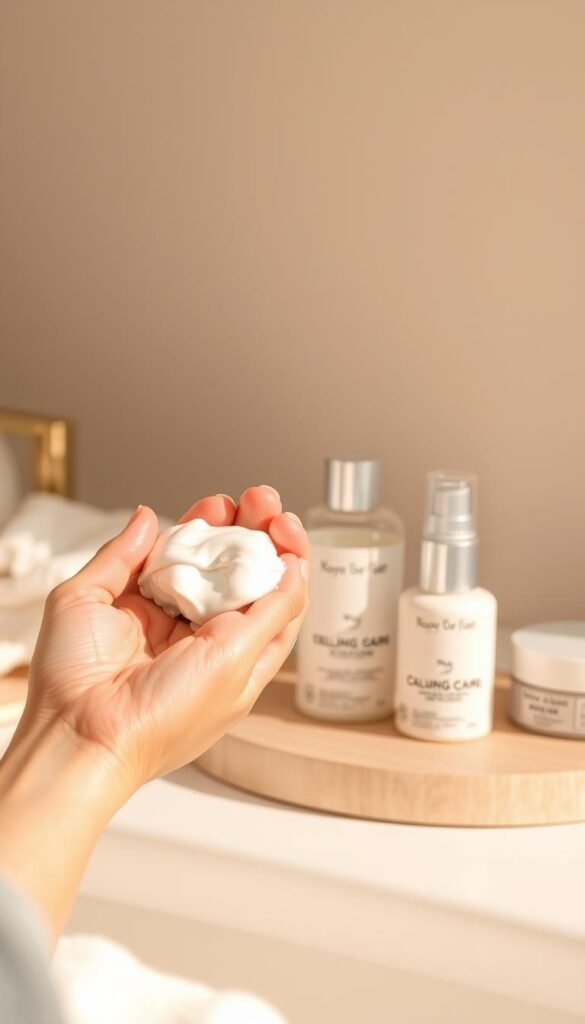
“The beauty of a woman is not in facial mode but the true beauty in a woman is reflected in her soul.” – Audrey Hepburn. While true confidence comes from within, those with temperamental complexions know firsthand how discomfort can dim that inner light.
This Website contains affiliate links. That means I may earn a small commission if you purchase through my links, at no extra cost to you.
If your face flares up at the slightest change – whether from weather, stress, or new products – you’re not alone. Over 60% of people report some degree of reactivity. But here’s what many miss: your redness or itching might not be permanent. Temporary triggers often masquerade as chronic issues.
Through years of working with reactive complexions, I’ve learned one truth: gentleness creates resilience. This isn’t about avoiding every potential irritant. It’s about building a personalized ritual that respects your unique biology. We’ll explore how to identify true triggers versus false alarms, and why “less is more” becomes your mantra.
Key Takeaways
Reactive skin affects millions and requires customized solutions
Temporary sensitivity often improves with proper care
Product reactions don’t mean permanent limitations
Strategic ingredient selection reduces flare-ups
Consistent routines strengthen natural defenses
Understanding Sensitive Skin and Its Challenges
Many assume a reactive complexion means constant discomfort, but I’ve found it’s more like having a personal alarm system. Your body signals when something’s off – through stinging, tightness, or sudden warmth. Learning to interpret these signs is the first step toward harmony.
Defining Sensitive Skin and Common Symptoms
Reactivity wears many masks. For some, it’s blotchy patches after trying a new lotion. Others feel persistent itching during seasonal shifts. Dry areas that resist hydration or visible capillaries near the surface often indicate compromised barrier function.
Conditions like rosacea or eczema amplify these responses. One client described her flare-ups as “invisible bee stings” – unpredictable and intense. Tracking patterns helps distinguish temporary reactions from chronic issues needing professional care.
Lifestyle and Environmental Impacts
Your morning coffee ritual or late-night scrolling might influence your complexion more than you realize. Chronic stress spikes cortisol, weakening your skin’s defenses. Skimping on sleep reduces cell regeneration by up to 30%, according to recent studies.
Urban dwellers face a double challenge: pollution particles cling to skin like microscopic Velcro, while UV rays penetrate even through windows. I recommend lightweight mineral sunscreens for daily armor against these silent aggressors.
Remember – sensitivity isn’t a life sentence. Simple swaps like lukewarm showers instead of hot ones, or fragrance-free detergents, can create noticeable improvements. Your skin’s resilience grows with consistent, mindful care.
Causes and Triggers of Sensitive Skin
Your skin’s reactions often whisper clues about hidden aggressors. While genetics lay the foundation, daily encounters with environmental stressors and product formulations frequently tip the scales toward discomfort. Let’s decode these instigators to build smarter defenses.
Environmental Factors: Sun, Wind, and Pollution
UV rays do more than cause sunburns. They degrade your skin’s collagen matrix over time, making it thinner and more reactive. Daily SPF 30+ isn’t optional—it’s your first shield against cumulative damage.
Ever notice how windy days leave your cheeks feeling sandpapered? Harsh air currents steal moisture faster than your moisturizer can replenish it. Combine this with extreme temperatures, and your protective barrier starts cracking like drought-stricken soil.
City dwellers face an invisible foe: pollution. Microscopic particles bind to skin, triggering inflammation that lingers for days. One client compared it to “breathing smog through your pores”—a vivid reminder to cleanse thoroughly each night.
Product Ingredients and Irritants
Your favorite foam cleanser might be the problem. Sulfates create that satisfying lather but strip natural oils mercilessly. I’ve seen countless complexions rebound after switching to cream-based formulas with oat extracts.
Watch for these stealth irritants:
Alcohol denat: Dries skin while enhancing product penetration (a double-edged sword)
Synthetic fragrances: 26% of people develop reactions, per recent dermatology studies
Essential oils: Natural doesn’t always mean gentle
Those with inherited sensitivity often benefit from pH-balanced products that mimic skin’s natural acidity. Remember—what soothes your friend might assault your face. Patch testing isn’t just cautious; it’s crucial.
Dealing With Sensitive Skin? This Calming Skincare Routine
Crafting a daily regimen for reactive complexions requires precision—like tuning a delicate instrument. The right sequence of steps can transform your face from a battleground to a sanctuary. Let’s break down what works when the sun rises and when stars appear.
Morning Skincare Practices
Start your day by rinsing with lukewarm water—hot temperatures aggravate redness. Follow with a milky cleanser containing colloidal oatmeal. This creates a protective veil while removing overnight residue.
Pat—don’t rub—your face dry. Apply a hyaluronic acid serum on damp skin to lock in hydration. Top it with a silicone-free moisturizer. These formulas absorb quickly without clogging pores.
Sun protection is non-negotiable. Mineral options with zinc oxide sit on skin’s surface instead of soaking in. One client told me, “It’s like armor against the outside world.” Reapply every two hours if outdoors.
Evening Routine Essentials
Nighttime begins with dissolving the day’s layers. An oil cleanser melts makeup and sunscreen gently. Massage for 60 seconds to lift impurities without tugging. Rinse thoroughly—leftover residue causes morning puffiness.
Follow with a cream-based cleanser to reset your pH balance. Look for ceramides or squalane in the formula. These ingredients repair while they cleanse.
Finish with a peptide-rich night cream. Your skin repairs itself most actively during sleep. Consistency here builds resilience better than any quick fix. Remember—skincare routines thrive on rhythm, not revolution.
Essential Ingredients for a Soothing Skincare Routine
Navigating ingredient lists can feel like deciphering a secret code when your complexion rebels at everything. Let’s simplify this puzzle with targeted components that comfort reactive skin while reinforcing its defenses. The right mix transforms products from potential foes to trusted allies.
Soothing Natural Extracts and Oils
Aloe vera acts like a cool drink for parched skin, delivering instant hydration while calming redness. Roman chamomile takes this further – its azulene compound reduces inflammation better than many lab-made solutions. I’ve seen calendula work miracles on clients with rosacea, gently healing tiny cracks in the protective barrier.
Lightweight oils often surprise those wary of breakouts. Hemp oil absorbs quickly, packing omega fatty acids that repair without greasiness. For nighttime recovery, pracaxi oil’s behenic acid creates an invisible shield against moisture loss. These aren’t just additives – they’re lifelines for fragile complexions.
Barrier-Strengthening Actives
Ceramides are your skin’s natural mortar – replenishing them prevents irritants from slipping through cracks. Pair with hyaluronic acid serum to plump parched areas. Niacinamide (vitamin B3) deserves its cult status – it soothes while boosting collagen production.
Ingredient
Primary Benefit
Best Time to Use
Oat Extract
Relieves itching
Morning/Night
White Willow
Reduces inflammation
Morning
Rose Hip Oil
Antioxidant protection
Night
Squalane
Barrier repair
Night
Remember: consistency matters more than complexity. A minimalist routine with these power players often yields better results than 10-step regimens. Your skin craves reliability, not revolution.
Steps to Build a Calming Skincare Routine for Sensitive Skin
Ever notice how morning rituals can feel like walking through a minefield? One wrong product choice or aggressive technique might leave your face stinging for hours. Let’s transform that uncertainty into confidence with science-backed methods that respect your complexion’s boundaries.
Gentle Cleansing and Makeup Removal
Your cleanser choice sets the tone for everything that follows. I recommend non-foaming formulas with milky textures – they lift impurities without stripping natural oils. Look for keywords like “pH-balanced” or “micellar technology” on labels.
When removing sunscreen or makeup, use lukewarm water and soft circular motions. Imagine you’re petting a butterfly’s wings – that’s the pressure level needed. Double cleansing works wonders when done right: start with an oil-based cleanser, then follow with a cream formula.
Cleanser Type
Best For
Application Tip
Cream Cleanser
Dry/Reactive Skin
Massage 60 seconds
Micellar Water
Quick Morning Cleanse
Use cotton pads
Balancing Gel
Combination Skin
Rinse thoroughly
Hydration and Moisturizing Techniques
Hydration isn’t just about quantity – it’s about delivery. Apply hyaluronic acid serum to damp skin, then immediately layer moisturizer. This sandwich method locks in 3x more moisture according to dermatology studies.
Seek out barrier-repair ingredients like ceramides or squalane in your moisturizer. During winter months, I add a thin layer of jojoba oil as final defense against dry air. Remember – a personalized skincare routine adapts to your environment and needs.
Skincare Tips: Avoiding Irritation and Over-Cleansing
Ever wonder why your face feels like parchment paper after washing? The line between clean and stripped is thinner than you think. Let’s explore how to keep your complexion balanced without crossing into harsh territory.
Understanding Double-Cleansing vs Over-Cleansing
Double-cleansing isn’t about scrubbing harder—it’s about working smarter. Start with an oil-based formula to dissolve sunscreen and makeup. Follow with a milky cleanser that removes pore debris without that dreaded tightness. Think of it as “unlocking dirt” versus “scrubbing it raw.”
Over-cleansing sneaks up when you wash every time your T-zone glows. That squeaky-clean sensation? It’s your skin crying for mercy. Stick to morning and evening sessions—any more risks breaking your moisture barrier. I’ve seen clients reverse redness just by cutting midday washes.
Watch for these warning signs:
Tightness lingering 10 minutes post-wash
Increased sensitivity to products that never bothered you before
Sudden dry patches near your temples or jawline
When building a personalized skincare routine, temperature matters. Lukewarm water keeps pores calm while dissolving impurities. Always pat dry with a clean towel—rubbing inflames delicate areas. Remember: gentle hands create resilient skin.
Tailoring the Routine for Different Skin Types
Finding your skin’s sweet spot starts with recognizing its unique language. What works for your friend’s combination texture might leave your dry patches begging for mercy. Let’s decode these differences together.
Dry and Reactive Solutions
Cream-based heroes become your best allies. I recommend formulas with ceramides and hyaluronic acid that hug parched areas like a protective blanket. Avoid foaming cleansers—they’re moisture thieves in disguise.
Oily Yet Delicate Care
Lightweight gels with niacinamide balance shine without stripping. Look for “non-comedogenic” labels to keep pores clear. A common myth? Oily skin doesn’t need moisture. Wrong—skipping hydration often triggers more oil production.
Combination Challenges
This skin type demands strategic zoning. Try multi-masking—apply richer creams to dry zones while using mattifying products on your T-zone. I’ve seen clients transform their texture by treating each area like its own ecosystem.
Body Care Considerations
Your limbs deserve the same gentle approach. Fragrance-free body washes with colloidal oatmeal soothe irritation. Skip loofahs—they’re too abrasive. Pat skin dry and apply moisturizer within 3 minutes to lock in hydration.
Remember, your needs evolve with seasons and stress levels. What worked last summer might need tweaking when winter arrives. Stay curious, stay flexible, and let your skin guide the journey.
FAQ
How do I know if my skin is sensitive?
If your face often feels tight, itchy, or reacts with redness to new products, you might have sensitivity. Look for signs like dryness, flushing, or stinging after using certain formulas.
What environmental factors trigger skin irritation?
Sun exposure, wind, and pollution can weaken your protective barrier. I always layer SPF and wear hats outdoors to shield my face from UV rays and harsh weather.
Which ingredients should I avoid with reactive skin?
Skip harsh alcohols, synthetic fragrances, and sulfates. I check labels for irritants like menthol or essential oils—they often cause flare-ups in my routine.
What’s the best morning routine for redness-prone skin?
I rinse with lukewarm water, apply a hyaluronic acid serum, and follow with a fragrance-free moisturizer. Always finish with mineral sunscreen to prevent further damage.
What ingredients calm inflammation quickly?
Oat extract, centella asiatica, and squalane soothe my skin instantly. I keep a thermal water spray handy for midday refreshment without disrupting my makeup.
How do I adjust my routine for oily, sensitive skin?
Use a gel-based cleanser and lightweight, non-comedogenic moisturizers. I avoid heavy creams and focus on balancing hydration without clogging pores.
Can I use physical exfoliants if I have rosacea?
I steer clear of scrubs and opt for gentle chemical exfoliants like PHAs once a week. Always patch-test and follow with a ceramide-rich cream to repair the barrier.
Is double-cleansing safe for reactive skin?
Yes, if you use an oil cleanser first to dissolve impurities, then a milky or cream formula. I avoid foaming cleansers—they strip moisture and worsen my sensitivity.
How do I protect my skin barrier while traveling?
I pack travel-sized barrier-repair serums and stick to minimal steps. A humidifier in hotel rooms helps combat dryness from air conditioning or heating.