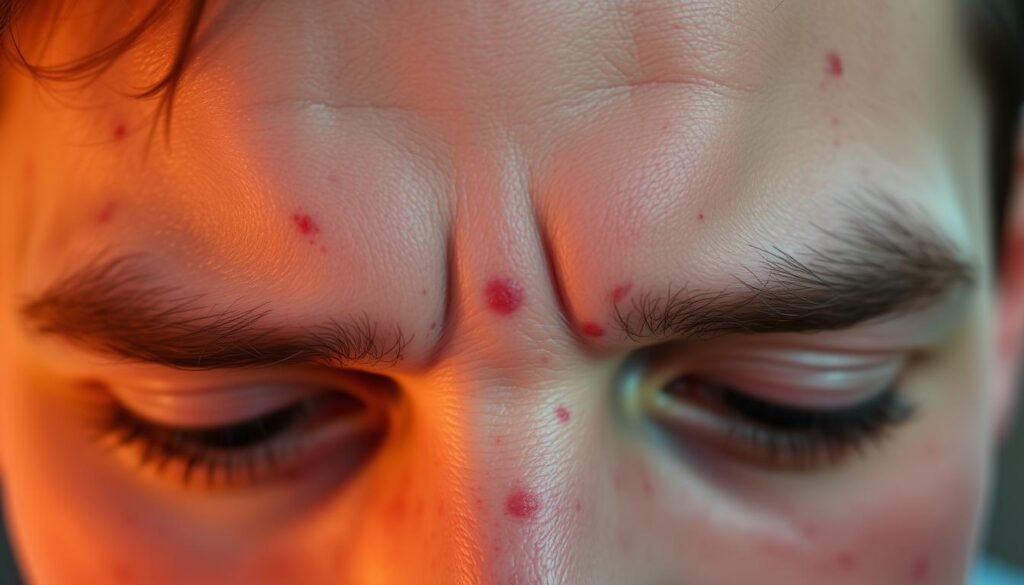
“You may encounter many defeats, but you must not be defeated.” Maya Angelou’s words echoed in my mind during the darkest moments of my skin struggles. For years, persistent breakouts dominated my life, shaping routines and stealing confidence. Every glance in the mirror felt like a battle—one I wasn’t sure I could win.
This Website contains affiliate links. That means I may earn a small commission if you purchase through my links, at no extra cost to you.
The obsession was exhausting. Nights involved frantic inspections under harsh bathroom lights. Mornings began with fingertips tracing my face, searching for new bumps. Social plans? Cancelled. Confidence? Shattered. Acne wasn’t just a skin issue—it became a shadow over every interaction.
But this story isn’t about defeat. It’s about discovering that real transformation often starts when you feel most stuck. Through trial, error, and relentless research, I uncovered solutions that finally worked. My skin healed. My mindset shifted. And the freedom I found? It’s worth sharing.
Key Takeaways
Persistent acne impacts mental health, daily habits, and social confidence
Obsessive behaviors like frequent mirror checks are common with skin struggles
Effective treatments exist even after repeated disappointments
Healing involves both physical care and emotional resilience
Personal journeys can offer actionable insights for others
Understanding Forehead Acne and Its Causes
Skin breakouts often feel like random attacks, but there’s precise science behind every bump. The forehead’s T-zone—a hotspot for oil glands—becomes a battleground when biological processes spiral. Let’s decode what fuels these stubborn flare-ups.
What Happens When Oil Production and Dead Skin Cells Mix
Sebum, our skin’s natural moisturizer, turns traitor when overproduced. Healthy oil production maintains hydration, but excess sebum clings to dead skin cells like glue. This sticky combo forms microscopic plugs in pores, creating ideal conditions for acne.
Imagine a traffic jam under your skin’s surface. Trapped debris attracts bacteria, triggering inflammation. Blackheads emerge when plugs reach the surface. Deeper blockages become painful cysts. The cycle repeats unless interrupted.
The Impact of Sebaceous Glands on Acne Formation
Your forehead houses more sebaceous glands than cheekbones or jawlines. These glands pump out sebum based on hormones, stress, or genetics. When hyperactive, they flood pores with oil faster than skin can shed dead cells.
This imbalance explains why some areas break out relentlessly. Managing acne requires calming these glands while accelerating cell turnover. It’s not about fighting your skin—it’s about restoring its natural rhythm.
My Personal Acne History and Struggles
Genetics dealt me a complicated hand when it came to skin health. My mother’s perpetually dewy complexion hid a tendency for clogged pores, while my father’s teenage battle with body-wide cystic breakouts foreshadowed my destiny. By sixth grade, what began as scattered whiteheads erupted into angry cysts that dominated my forehead and temples.
Early Encounters and Lifelong Battles
Over-the-counter solutions became nightly rituals. I rotated between creams with salicylic acid and benzoyl peroxide, watching helplessly as new bumps surfaced faster than old ones faded. By fourteen, my first dermatologist recommended the nuclear option: Accutane.
Treatment Type
Active Ingredient
Result
Duration
Topical Gel
Benzoyl Peroxide 5%
Temporary Reduction
6 Months
Prescription Cream
Clindamycin
Mild Improvement
3 Months
Oral Medication
Isotretinoin
Complete Clearance
8 Months
Navigating Hormonal Changes and Persistent Breakouts
The initial Accutane victory felt miraculous—until sophomore year. Hormonal changes triggered fresh eruptions, mocking my earlier efforts. Second-round side effects hit harder: cracked lips, joint stiffness, and skin so dry it flaked like parchment. Yet hope persisted—maybe this time, peace would last.
Looking back, each failed attempt taught me about my skin’s unique language. What worked for others often backfired on my sensitive face. The journey wasn’t linear, but every setback sharpened my resolve to find answers that respected my biology.
How I Cleared My Forehead Acne After Months of Trying Everything
Real progress began when I stopped chasing quick fixes. Instead of rotating products weekly, I built a treatment plan combining science-backed solutions with lifestyle adjustments. My bathroom shelf transformed from a graveyard of abandoned creams to curated essentials.
Step-by-Step Insights into My Treatment Journey
Three elements became non-negotiable:
Consistent tracking: A journal revealed patterns between stress levels and flare-ups
Layered approach: Combining prescription retinoids with pH-balanced cleansers
Preventive care: Silk pillowcase swaps and hands-off face policies
The game-changer? Recognizing that visible breakouts were late-stage symptoms. By addressing pore congestion early through chemical exfoliants, I reduced inflammation before cysts formed.
Monthly progress photos proved what mirror checks couldn’t—gradual improvement. When old habits resurfaced, I’d review these images. They showed fading scars and smoother texture, tangible proof that strategic persistence worked where frantic experimentation failed.
This method didn’t just clear my skin. It rebuilt trust in my ability to solve complex problems—one data point at a time.
Exploring Treatment Options and Professional Insights
Breaking free from endless trial-and-error required professional guidance. While over-the-counter products provided temporary relief, persistent acne demanded expert intervention. This shift from self-treatment to medical collaboration marked a turning point in my skin’s recovery story.
Consultations With Dermatologists and Their Recommendations
My first dermatology visit at sixteen involved rushed explanations and generic prescriptions. Years later, Whitney Hersh, PA-C, changed everything. She mapped my skin’s history like a detective, connecting hormonal shifts to specific breakouts patterns. “Your forehead cysts aren’t random—they’re messengers,” she explained, prescribing doxycycline to calm inflammation and spironolactone to balance hormones.
Each specialist offered unique perspectives. One focused on bacterial overgrowth, recommending prescription-strength sulfur washes. Another prioritized lifestyle factors, suggesting stress management techniques. As noted in professional guidelines, effective treatment often combines multiple approaches tailored to individual needs.
Whitney’s transparency stood out. When I asked about trendy therapies, she advised: “Save your money—blue light devices work better at home than in-office for mild cases.” This honesty built trust, helping me commit to her regimen without second-guessing.
Through these consultations, I learned that acne solutions aren’t one-size-fits-all. What failed with one provider succeeded with another, proving that persistence in finding the right dermatologist matters as much as the treatments themselves.
Natural and At-Home Remedies: My Experience
Desperation fuels risky choices. After conventional treatments failed, social media’s siren song lured me toward glowing testimonials from “natural healing” advocates. One account stood out—a self-proclaimed skin coach promising clear complexions through plant-based regimens.
The Role of Diet, Skincare Products, and Home Protocols
The program demanded $300 worth of specialized skincare products and supplements from a curated Amazon list. For eight weeks, I followed restrictive meal plans while applying turmeric masks and fermented toners. Weekly progress photos were scrutinized like criminal evidence.
“Your skin would improve if you committed fully,” the coach insisted when red bumps persisted. Never mind that I’d eliminated sugar, dairy, and joy. Blaming genetics was forbidden—my forehead breakouts supposedly reflected poor discipline, not biology.
Other experiments followed. Apple cider vinegar toners burned. Tea tree oil dried out acne but caused peeling. Switching hair products reduced temple pimples temporarily. Each failure compounded guilt—was I simply not trying hard enough?
While some find relief through home remedies, my journey required medical expertise. Now, I view expensive “miracle” products with healthy skepticism—and urge others to consult professionals before emptying their wallets.
The Role of Hormones, Oil Production, and Skin Cells
Discontinuing birth control felt like regaining control—until my skin rebelled violently. By 2020’s end, cystic invaders dominated my face, particularly my cheeks. Each painful eruption left lasting scars, mocking years of hormonal interventions. Whitney and I finally confronted the truth during a tense consultation: my acne wasn’t hormone-driven. Standard treatments had failed because they targeted the wrong enemy.
Understanding How Hormonal Changes Affected My Skin
Birth control pills and spironolactone had provided temporary relief, but post-discontinuation breakouts revealed their limitations. Blood tests showed normal androgen levels, contradicting typical hormonal acne patterns. “Your glands produce abnormal sebum texture,” Whitney noted, pointing to microscope images of sticky oil binding dead skin cells.
This viscous blend created perfect conditions for bacteria proliferation. While hormonal fluctuations influence oil production, my primary issue lay in sebum quality rather than quantity. Recognizing this distinction shifted our strategy from regulating hormones to addressing pore congestion directly.
Managing Excess Oil and Clogged Pores
Traditional methods focused on reducing sebum volume through harsh drying agents. Instead, we prioritized dissolving existing blockages. Double cleansing with oil-soluble surfactants broke down stubborn plugs without stripping moisture. Regular chemical exfoliation accelerated skin cell turnover, preventing dead cell accumulation in pores.
Research from Medical News Today confirms that sebum composition significantly impacts acne severity. For those with similar struggles, understanding your skin’s unique chemistry proves more transformative than chasing trending solutions. Sometimes, clarity comes when we stop fighting presumed causes and start listening to what our skin actually needs.
FAQ
What causes forehead acne?
Forehead acne often stems from excess oil production in sebaceous glands mixing with dead skin cells. This combo clogs pores, creating a breeding ground for bacteria. Hormonal changes, hair products, or sweat can worsen it.
How do sebaceous glands impact acne formation?
Sebaceous glands produce sebum, which keeps skin hydrated. But overproduction—triggered by stress, hormones, or genetics—can lead to clogged pores. This creates blackheads, whiteheads, or inflamed red bumps.
Can hormonal changes really affect breakouts?
Absolutely. Hormones like testosterone spike sebum production. During puberty, menstrual cycles, or stress, my skin became an oil factory. Balancing hormones through diet or medication made a noticeable difference.
What treatments worked best for stubborn forehead acne?
Salicylic acid became my hero. It exfoliates dead skin cells and unclogs pores. Combined with non-comedogenic skincare and consistent dermatologist visits, it transformed my skin. Patience was key—results took weeks.
Did natural remedies help your acne journey?
Some did! Tea tree oil reduced inflammation, and cutting dairy eased flare-ups. But consistency mattered most—gentle cleansing, avoiding pore-clogging hair products, and staying hydrated. Not all “miracle” hacks worked, though.
How do you manage excess oil without drying skin?
Lightweight, oil-free moisturizers saved me. Overwashing strips skin, triggering more oil. I used blotting papers midday and incorporated niacinamide to regulate sebum. It’s a balance—control shine without irritating sensitive areas.
When should someone see a dermatologist for acne?
If over-the-counter products fail after 8 weeks, consult a pro. My dermatologist prescribed retinoids for cell turnover and identified triggers I’d missed. Severe cystic acne or scarring? Don’t wait—early treatment prevents long-term damage.