“You may not control all the events that happen to you, but you can decide not to be reduced by them.” — Maya Angelou’s words echoed in my mind during years of staring at the mirror, willing my skin to heal. For anyone who’s felt trapped by persistent breakouts, the struggle isn’t just physical—it reshapes routines, confidence, and even sleep.
This Website contains affiliate links. That means I may earn a small commission if you purchase through my links, at no extra cost to you.
Waking up at 3 a.m. to inspect a swollen spot. Blending layers of concealer before facing the world. Avoiding social plans when flare-ups felt unbearable. These rituals became a silent language of shame, one that millions understand but rarely discuss openly.
This isn’t just a story about clearer skin. It’s about reclaiming ownership of your reflection—and your life. After countless failed attempts, a combination of research, patience, and tailored habits led to breakthroughs that felt almost impossible. The journey wasn’t quick, but it was real.
If you’ve ever doubted whether change is possible, let this be your reminder: transformation often starts in the quietest moments. In bathroom lights. In small adjustments. In refusing to let a single aspect of your face define your worth.
Key Takeaways
Severe acne impacts daily habits, self-esteem, and emotional well-being
Nighttime anxiety and constant skin-checking are common struggles
Credible solutions require personalized approaches and consistency
Real progress often comes from combining multiple strategies
Clearer skin can lead to renewed confidence and quality of life
My Acne Journey: From Struggle to Success
Genetics stacked the odds against me long before my first breakout. With a parent on each side of the oil-production spectrum—one battling persistent shine, the other enduring severe acne—it felt like a biological time bomb waiting to detonate.
Early Challenges and Family History
Middle school brought more than homework stress. By 12, clusters of bumps appeared—first on the forehead, then spreading like stubborn weeds. Over-the-counter creams became nightly rituals, their burning sensations a twisted comfort. “Give it time,” adults would say, but patience wears thin when your reflection feels foreign.
Milestones in My Battle with Acne
At 14, a dermatologist’s office changed everything. Weighing risks versus rewards led to a pivotal choice: isotretinoin. The six-month treatment brought relief, but not permanence. Breakouts resurfaced two years later, demanding new strategies.
Treatment Phase
Duration
Effectiveness
Key Lesson
OTC Topicals
2 years
Mild improvement
Consistency matters
First Isotretinoin Course
6 months
85% clearance
Results aren’t always permanent
Post-Treatment Care
Ongoing
Variable
Adaptation is essential
Collaboration proved crucial—parents tracking side effects, doctors adjusting dosages, and school nurses storing emergency spot treatments. Each flare-up taught resilience, every clear week fueling hope that lasting solutions existed.
The Struggles of Adult Acne
Dorm rooms and career fairs brought unexpected battles. What began as college stress soon appeared as angry clusters beneath the skin—deep, stubborn bumps resistant to teenage solutions. Adult breakouts don’t announce themselves with surface-level drama. They simmer where creams can’t reach.
When Biology Meets Big Life Changes
New environments reshaped everything. Dining hall meals, irregular sleep patterns, and academic pressure created a perfect storm. A dermatologist identified hormonal acne triggered by cortisol spikes and dietary shifts. “Your body’s reacting to more than stress,” she explained, prescribing a three-pronged approach:
Low-dose antibiotics to reduce inflammation
pH-balanced cleansers for sensitive skin
Birth control to regulate androgen levels
Office life introduced fresh challenges. Important presentations coincided with cystic flare-ups. Coworkers’ casual “Have you tried toothpaste?” comments stung more than the blemishes. Research shows 50% of women aged 20-29 experience hormonal acne, yet many still feel isolated in their struggles.
Breakthroughs came through adaptation. Tracking menstrual cycles helped anticipate flare-ups. Learning which foods exacerbated inflammation brought gradual control. Most importantly, understanding that adult breakouts reflect life’s complexities—not personal failure—changed the game.
My Breaking Point: The Impact on Mental Health
2020 became the year my reflection turned into a battlefield. After discontinuing birth control, cystic acne erupted across my cheeks like landmines—deep, throbbing lesions that resisted every cream and mask. Each morning revealed fresh casualties: angry red bumps where clear skin had been hours earlier.
The cycle felt cruel. Just as one wound healed, another emerged, leaving behind dark scars that mapped every defeat. Research shows 94% of people with severe breakouts experience mental health declines—a statistic that became my reality. Canceling plans became routine. Mirrors transformed into enemies.
Treatment Attempt
Duration
Impact on Skin
Mental Health Effect
Prescription Topicals
8 weeks
Increased dryness
Heightened anxiety
Oral Antibiotics
3 months
20% improvement
Gut health decline
DIY Remedies
6 weeks
Worsened inflammation
Self-blame spiral
Desperation led to questionable choices—$200 serums, lemon juice masks, even avoiding showers to “protect” my face. The shame wasn’t just about appearance. It stemmed from losing control over my own body despite relentless efforts.
“Healing requires patience we don’t think we have,” a therapist reminded me during this time. That truth became vital when conventional solutions failed. For anyone feeling trapped by their skin: your worth isn’t measured in active breakouts or faded scars. Recovery often begins when we stop fighting alone.
Discovering Alternative Treatments
Scrolling through Instagram at midnight, hope flickered with each glowing testimonial. A grid of flawless faces promised what prescriptions couldn’t: a “natural cure” requiring no harsh ingredients or side effects. When desperation outweighs logic, even bold claims feel worth testing.
Exploring Natural Remedies and At-Home Solutions
“The Skin Coach” program demanded an $800 deposit and unwavering faith. For eight weeks, mornings began with 12 supplements and nights with a 10-step routine using pricey products from the coach’s Amazon store. Dairy-free, sugar-free, and gluten-free meal plans left little room for spontaneity—or joy.
While some ingredients like tea tree oil reduced surface redness, the rigid protocol ignored individual needs. Research confirms certain plant extracts aid mild breakouts, but severe cases often require layered treatments. As weeks passed, frustration grew alongside my credit card balance.
“Natural doesn’t always mean gentle,” a dermatologist later noted, reviewing the regimen’s abrasive exfoliants. Though alternative acne treatments offer temporary comfort, lasting results rarely come from a single “magic” thing. True progress emerged when blending evidence-backed methods with patience—not viral promises.
I Treated My Acne at Home—Here’s What Finally Worked for Real
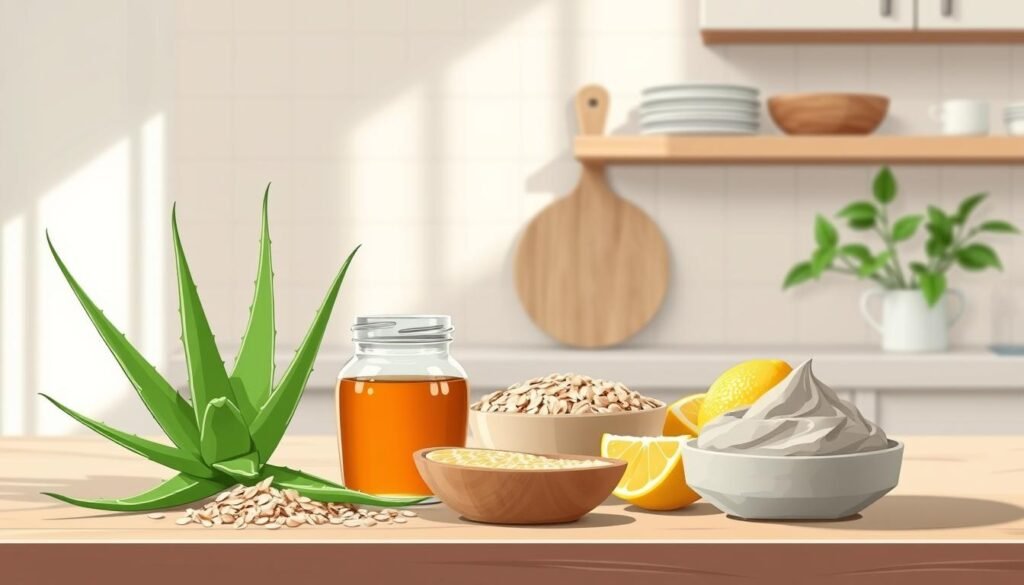
Skepticism lingered as raw honey mixed with jojoba oil in a mason jar. Could homemade skincare outperform years of prescriptions? The answer emerged through precise ratios:
Ingredient
Key Benefit
Role in Formulation
Tea Tree Oil
Kills acne bacteria
1% concentration in cleanser
Shea Butter
Reduces inflammation
Base for moisturizer
Carrot Seed Oil
Fades scars
5% blend with coconut oil
Mornings began with a honey-based cleanser—gentle yet effective against overnight buildup. Evenings featured a whipped moisturizer combining six nourishing ingredients. By day seven, redness diminished. By week’s end, texture smoothed.
“Natural doesn’t mean weak,” the formula proved. Tea tree’s antibacterial power disrupted breakouts while anti-inflammatory allies calmed angry pores. Consistency mattered most—applying twice daily despite doubts.
Patience transformed incremental changes into visible results. This routine taught that clear skin thrives on simplicity: quality ingredients, measured hope, and trusting the process. While not a universal cure, it offered proof that sometimes healing starts in your own kitchen.
The Science Behind AviClear: A Game-Changer in Acne Treatment
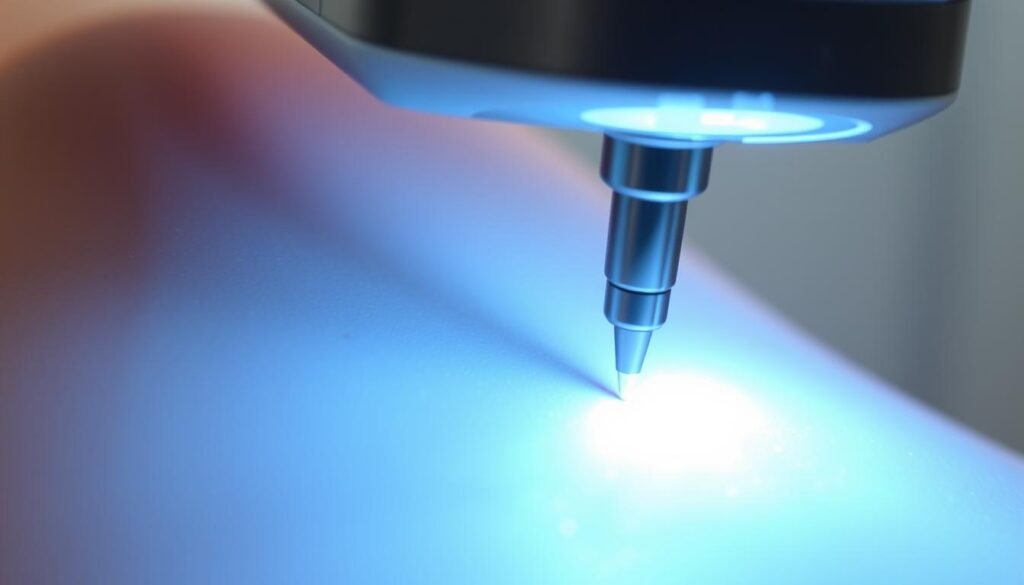
In a dimly lit clinic, the hum of machinery promised what creams couldn’t—a fresh start. Cutera’s AviClear laser stood apart from other treatments, targeting acne at its biological roots rather than masking symptoms. As the first FDA-approved device of its kind, it offered hope where prescriptions fell short.
How AviClear Targets Overactive Sebaceous Glands
This technology focuses on sebum control—the holy grail of acne management. By delivering precise laser energy to oil glands, it reduces their activity by up to 80% within six months. Unlike topical solutions, this approach prevents clogged pores before breakouts form.
Traditional Approach
AviClear Advantage
Timeframe
Surface-level symptom relief
Root-cause gland regulation
3 sessions
Daily applications
Long-term results
6+ months
Potential side effects
Non-invasive procedure
1-hour sessions
Experiences with Laser Sessions and Minimal Downtime
Each session felt like quick rubber band snaps across the skin. Though temporary redness occurred, makeup-free recovery days proved manageable around work schedules. The $3,000 investment stung more than the laser—most insurance plans deem it cosmetic—but watching oil production normalize made the cost worthwhile.
For professionals seeking lasting solutions without daily routines, AviClear redefines possibility. As my dermatologist noted: “Sometimes progress looks like stepping back from endless products—and letting science do the work.”
DIY Skincare Experiments and Lessons Learned
Mixing potions in my kitchen felt like alchemy—each teaspoon measured with equal parts hope and skepticism. After years of commercial products falling short, creating personalized formulas became both science and self-care. The goal? To harness nature’s pharmacy while respecting skin’s delicate balance.
Crafting My Own Clean Beauty Recipes
Success began with understanding how ingredients interact. Tea tree oil—a proven warrior against acne-causing bacteria—required careful dilution. Blending it with raw honey’s anti-inflammatory magic created a morning cleanser that calmed without stripping moisture. Evening routines featured carrot seed oil’s scar-fading power, mixed with coconut oil’s lauric acid to combat residual bacteria.
Ingredient
Key Action
Usage Tip
Tea Tree Oil
Destroys bacteria
Dilute to 1-2% in carrier oils
Raw Honey
Reduces redness
Apply as 5-minute mask
Coconut Oil
Balances microbiome
Use fractionated for oily skin
Essential oils like lavender and chamomile (research-backed options) became rotational players. But not all natural ingredients play nice—lemon juice caused burns, while undiluted apple cider vinegar disrupted pH levels. Patch testing revealed which allies deserved a permanent spot in the routine.
The biggest lesson? Quality matters. Organic, cold-pressed oils outperformed grocery-store versions. And while DIY skincare can’t replace medical treatments, it taught me to see breakouts as puzzles—not personal failures. Sometimes healing begins when we trade quick fixes for thoughtful experimentation.
A Shift in Self-Care: Embracing Professional Guidance
Trusting a professional transformed my approach more than any serum ever could. When dermatologist Whitney dismissed blue light therapy as ineffective for my case, her candor stood out. “Save your money,” she advised, redirecting focus toward root causes rather than surface-level fixes.
Years of hormonal treatments had failed because my acne wasn’t hormone-driven—a revelation only possible through detailed analysis. Together, we mapped my skin’s unique triggers, abandoning one-size-fits-all protocols. This partnership proved vital: 68% of people with persistent breakouts benefit from customized plans, studies show.
The AviClear Laser strategy emerged from this collaboration—a solution targeting sebum control without hormonal side effects. Unlike previous providers, Whitney prioritized sustainable results over quick promises. Her willingness to say “this won’t work” built trust where generic advice had faltered.
True progress began when ego stepped aside. Letting a dermatologist challenge assumptions created space for science-led healing. For anyone stuck in treatment loops: specialized guidance often reveals paths hidden beneath frustration’s noise.
FAQ
Can hormonal acne truly improve without prescription medication?
Yes! Balancing hormones naturally through diet changes, stress management, and targeted ingredients like niacinamide made a huge difference for me. While severe cases may need professional help, many find relief with consistent lifestyle adjustments and non-comedogenic skincare.
How long did it take to see results with at-home treatments?
Patience was key—my skin needed 8-12 weeks to respond fully. Incorporating benzoyl peroxide spot treatments and double cleansing nightly accelerated progress, but real transformation came from sticking to a simplified routine without overloading my skin.
Is laser treatment like AviClear worth the investment for stubborn breakouts?
For my cystic acne that resisted topical solutions, AviClear’s laser technology targeting oil glands was life-changing. Three sessions spaced a month apart delivered clearer skin with zero downtime—a worthwhile splurge after years of trial and error.
What’s the biggest mistake people make when treating acne at home?
Over-exfoliating and constantly switching products! My skin barrier suffered until I prioritized gentle formulas with ceramides and hyaluronic acid. Less truly became more when I stopped scrubbing away oil and focused on hydration.
Can DIY skincare recipes actually help with active breakouts?
Proceed with caution—while honey masks and tea tree oil blends temporarily soothed inflammation, they couldn’t replace clinical-grade actives. My game-changer was pairing occasional natural remedies with proven acne fighters like salicylic acid cleansers from CeraVe.
How do you maintain clear skin while wearing makeup daily?
Non-negotiable double cleansing! I switched to mineral-based formulas from brands like BareMinerals and always use micellar water first. Incorporating a lightweight, oil-free moisturizer from La Roche-Posay prevented clogged pores without sacrificing coverage.