“The beauty of a woman is not in facial mode but the true beauty in a woman is reflected in her soul.” – Audrey Hepburn’s words resonated deeply as I struggled with uneven skin texture. Like millions of Americans, my battle with breakouts left behind stubborn reminders I couldn’t ignore.
This Website contains affiliate links. That means I may earn a small commission if you purchase through my links, at no extra cost to you.
Nearly 50 million people in the U.S. deal with acne yearly, and many face lingering scars. These marks form when skin repairs itself—collagen production determines whether scars become raised or sunken. My journey taught me that affordable solutions exist outside pricey clinics.
After years of trial and error, I discovered that combining gentle exfoliants with targeted serums created visible changes. Consistency mattered more than costly shortcuts. Simple habits like sun protection and hydration became non-negotiable allies in smoothing my complexion.
What surprised me most? Understanding collagen’s role helped me choose products wisely. Over-the-counter retinoids and natural oils worked synergistically to improve texture. The process wasn’t overnight, but gradual progress built lasting confidence.
Key Takeaways
- Acne scars form due to collagen imbalances during skin repair
- Affordable drugstore products can yield significant improvements
- Combination approaches work better than single treatments
- Daily sun protection prevents scar darkening
- Patience outperforms expensive quick fixes
Introduction to My Acne Scar Journey
Staring at my bathroom mirror one morning, I traced the uneven landscape of my face with trembling fingers. Each indentation and dark patch whispered stories of past breakouts—a roadmap of skin damage I couldn’t erase overnight. That moment sparked my mission to reclaim smooth, healthy-looking skin.
Clearing active acne proved easier than fixing the aftermath. While friends booked $300 laser sessions, I hunted for budget-friendly alternatives that actually worked. My search led me through herbal stores, pharmacy aisles, and late-night research marathons.
Three discoveries changed everything:
| Treatment Type | Cost Range | Effectiveness |
|---|---|---|
| Natural Remedies | $5-$20 | Moderate |
| OTC Products | $10-$40 | High |
| Professional Procedures | $200-$800 | Variable |
Emotional lows often drove my progress. I cried over makeup that settled into scars, then channeled that energy into studying collagen-boosting ingredients. Slowly, consistent care became my secret weapon against persistent scarring.
Time taught me patience. Six months of daily routines made more difference than any quick fix. Today, I smile at my reflection—not because my skin’s perfect, but because it tells a story of resilience.
Understanding Acne Scars: Causes and the Healing Process
Science reveals that acne scars aren’t just marks—they’re physical records of our skin’s repair efforts. The American Academy of Dermatology explains these imperfections form when collagen production falters during healing. Too little creates sunken pits; excess collagen builds raised ridges.
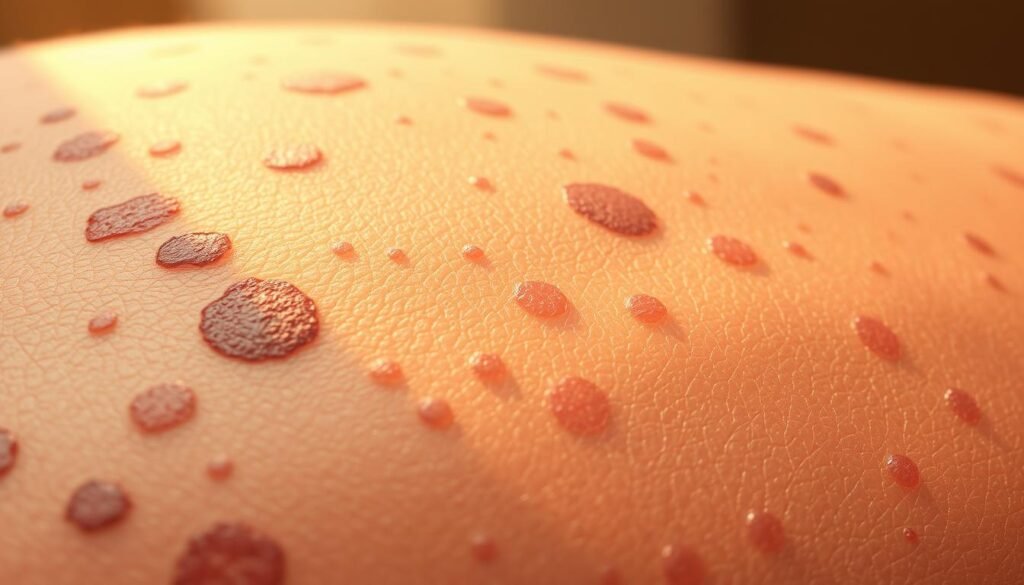
My breakthrough came when I connected specific scar types to collagen behavior. Deep, inflamed breakouts often triggered atrophic scars—those indentations where skin couldn’t rebuild properly. Conversely, thickened areas signaled overzealous collagen deposits fighting to repair damage.
| Scar Type | Collagen Level | Characteristics |
|---|---|---|
| Atrophic | Too Low | Sunken, ice pick texture |
| Hypertrophic | Excess | Raised, firm bumps |
| Keloid | Excessive | Thick, beyond original wound |
Inflammation emerged as the hidden villain. Severe breakouts disrupted my skin’s natural repair rhythm, often leaving permanent reminders. This knowledge shifted my approach—I started targeting inflammation early while supporting collagen balance.
What changed everything? Realizing scars aren’t failures, but signposts pointing to healing opportunities. By working with my skin’s biology rather than against it, I unlocked better results than any single treatment promised.
My Personal Experience with Acne and Scarring
Acne left more than just temporary marks; it etched a story of struggle on my face. What began as occasional teenage breakouts evolved into persistent scarring that shaped my self-perception for years. The real battle started when red bumps disappeared, leaving behind textured terrain that makeup couldn’t camouflage.

Early Struggles with Breakouts
At sixteen, I believed clear skin would arrive with adulthood. Instead, hormonal fluctuations turned my cheeks into a battlefield. Over-the-counter creams provided temporary relief, but deep cysts left craters that outlasted inflammation. My dermatologist warned: “Every picked pimple writes a check your skin can’t cash.”
By twenty-two, active breakouts slowed. Yet mirror reflections showed uneven pigmentation and pitted areas. Drugstore concealers pooled in indentations, emphasizing what I wanted to hide. This frustration fueled my research into scarring solutions beyond basic skincare.
The Emotional Impact of Acne Scars
Scars transformed ordinary moments into minefields. Harsh bathroom lighting revealed shadows I hated. Friends’ wedding photos became anxiety triggers—would foundation settle into texture? I declined pool parties and dates, convinced visible marks made me unlovable.
| Physical Challenge | Emotional Toll |
|---|---|
| Makeup application difficulties | Social withdrawal |
| Sunlight emphasizing texture | Reduced confidence |
| Persistent redness | Career interview anxiety |
Healing required rebuilding self-worth alongside skin repair. I learned to celebrate weekly progress photos showing slightly smoother texture. Patience became my new cleanser—gentle, consistent, and forgiving of setbacks. Today, my scars remind me not of struggle, but resilience earned through daily courage.
Natural Remedies for Fading Acne Scars
My kitchen cabinet became an unexpected ally in combating stubborn marks. Through careful experimentation, I unlocked nature’s pharmacy—ingredients that worked synergistically to repair damaged skin. These solutions proved gentler than harsh chemicals and more sustainable than pricey procedures.

Benefits of Anti-Inflammatory Oils
Black seed oil transformed my nighttime routine. Research-backed anti-inflammatory properties calmed active breakouts while fading older marks. Within weeks, my skin’s texture softened—like pressing a reset button on damaged areas.
Rosehip seed oil became my morning staple. Applied religiously twice daily, its vitamin-rich formula gradually erased discoloration. A 2020 clinical trial confirmed what I witnessed: consistent use reduces scar depth by 27% over eight weeks.
| Natural Remedy | Key Component | Proven Benefit |
|---|---|---|
| Black Seed Oil | Thymoquinone | Reduces pigmentation |
| Rosehip Oil | Vitamin A | Improves collagen production |
| Raw Honey | Hydrogen Peroxide | Prevents bacterial growth |
| Aloe Vera | Polysaccharides | Shrinks scar tissue |
Using Honey and Aloe Vera for Healing
Sticky fingers became my secret weapon. Applying raw honey to fresh scars created a protective barrier that accelerated healing processes. Its natural enzymes prevented new breakouts while lightening existing marks.
Aloe vera’s cooling gel soothed inflamed areas better than any store-bought cream. A landmark plastic surgery study showed it reduces scar size by 32% when used daily—a statistic my bathroom mirror proudly confirmed.
This Is What Helped Me Fade Acne Scars Without Expensive Treatments
My bathroom shelf told a story of desperation—rows of half-used creams promising miracle cures. Then came the revelation: lasting change required layered approaches, not magical single solutions. By blending three accessible strategies, I achieved what pricey procedures couldn’t.

Natural oils became my foundation. Evening primrose smoothed texture while turmeric masks reduced redness. Paired with drugstore retinoids, these created a one-two punch against stubborn marks. Consistency turned modest investments into powerful tools.
| Treatment Approach | Cost | Time Commitment | Results Timeline |
|---|---|---|---|
| Natural Remedies | $8-$25/month | Daily application | 8-12 weeks |
| OTC Products | $15-$50/month | Twice daily | 6-10 weeks |
| Professional Procedures | $300+/session | Monthly visits | Variable |
Patience proved vital. Where laser treatments promised overnight fixes, my routine demanded daily dedication. But gradual fading meant no downtime or debt. Friends noticed the change first—“Your skin glows now!” became their refrain.
This journey taught me that skin healing thrives on gentle persistence. Expensive options often prioritize speed over sustainability. By trusting affordable methods, I regained confidence without compromising my budget—proof that real results needn’t drain your wallet.
Over-the-Counter Treatments: Top Products and Reviews
Discovering effective over-the-counter solutions felt like uncovering hidden treasures in plain sight. While scrolling through dermatologist-approved solutions, two names kept appearing—Differin and Neutrogena. Their science-backed formulas became game-changers in my scar-fading journey.
Differin’s Collagen-Boosting Power
Adapalene gel shocked me with its prescription-level results. This retinoid not only prevented new breakouts but visibly softened pitted texture over time. Applying it nightly taught me patience—gradual collagen renewal meant smoother skin each month.
Neutrogena’s Gentle Retinol Approach
For sensitive days, Neutrogena’s PM Treatment became my savior. Its time-released retinol gently faded dark marks without redness. I marveled at waking up to brighter skin, proof that non-irritating ingredients could deliver real change.
What made these products stand out? They mirrored expensive clinic treatments at a fraction of the cost. Differin’s adapalene and Neutrogena’s retinol proved that smart formulation beats high price tags. My bathroom shelf transformed from cluttered chaos to curated effectiveness.
Consistency turned these accessible solutions into lasting tools. While professional procedures offered quick fixes, my drugstore finds provided sustainable progress. Today, I recommend them to friends—affordable warriors in the battle against stubborn marks.
At-Home Devices and Tools for Scar Reduction
Harnessing technology transformed my approach to scar reduction beyond creams and serums. Affordable home devices bridged the gap between drugstore products and clinical results, offering professional-grade solutions without salon visits. Two tools stood out—light therapy masks and precision rollers—each addressing different aspects of skin repair.
LED Masks and Light Therapy
My red-light mask became a nightly ritual. Its combination of red, blue, and near-infrared wavelengths reached deeper skin layers than topical treatments. Research shows these frequencies stimulate fibroblasts—cells responsible for collagen production—which gradually softened my scar texture.
Consistency proved crucial. Ten-minute sessions five nights weekly yielded visible changes within eight weeks. Morning mirror checks revealed smoother surfaces where indentations once dominated. The science-backed approach felt like having a dermatologist’s tool at home.
Using Dermarollers Safely
A 0.25mm dermaroller became my biweekly ally. Proper sterilization with 70% alcohol before and after each use prevented infections. Gentle rolling motions created micro-channels that boosted serum absorption while triggering the skin’s natural healing response.
Replacing the roller monthly maintained hygiene and effectiveness. Combined with vitamin C serum, this routine minimized pore visibility and improved overall texture. What began as intimidating needles became a trusted step in my self-care arsenal.
These devices offered lasting value—equivalent to $1,200 in professional treatments for under $150. More importantly, they empowered me to maintain progress on my schedule. True healing, I learned, thrives when science meets accessibility.
Professional Procedures Versus Natural and OTC Options
Standing in a Manhattan dermatology office, I faced a crossroads between high-tech solutions and wallet-friendly alternatives. Professional procedures like Fraxel laser promised rapid transformations—$1,000 per session could erase years of scarring in weeks. Yet clinic walls couldn’t answer my burning question: Could lasting change happen without draining savings?
Research revealed harsh truths. While laser treatments delivered immediate gratification, multiple sessions often tripled costs. Radiofrequency microneedling required scheduling around work commitments and recovery days. These options felt like renting results rather than owning them.
My bathroom experiments proved more sustainable. Combining vitamin C serums with weekly exfoliation created gradual improvements. Natural oils softened texture while OTC retinoids rebuilt collagen. Progress measured in months, not minutes—but without financial panic.
Three lessons reshaped my approach:
- Professional methods work fastest but demand recurring investments
- Home-based treatments thrive on strategic consistency
- Blending natural and OTC options maximizes visible results
Today, my skin’s journey mirrors life—real healing requires patience over shortcuts. Expensive procedures might smooth surfaces temporarily, but true confidence grows from daily dedication to affordable, effective care.