“Do the best you can until you know better. Then when you know better, do better.” Maya Angelou’s words perfectly capture my journey with a skin condition that wasn’t what it seemed. For months, I battled clusters of stubborn bumps across my chest and forehead. Despite meticulous care, traditional acne treatments left my skin angrier than ever.
This Website contains affiliate links. That means I may earn a small commission if you purchase through my links, at no extra cost to you.
What I discovered changed everything. My “acne” wasn’t bacterial—it was a yeast-driven condition called Pityrosporum folliculitis. This revelation explained why benzoyl peroxide failed and why my skin improved with antifungal solutions. The experience taught me that misdiagnosed skin issues create unnecessary frustration for millions.
Through trial, error, and medical research, I learned to spot the differences. Fungal breakouts often appear as uniform, itchy bumps rather than varied pimples. They thrive in humid environments and respond poorly to standard acne products. Recognizing these patterns became my key to lasting relief.
Key Takeaways
- Yeast overgrowth causes fungal breakouts, not bacteria or excess oil
- Traditional acne treatments often worsen fungal skin conditions
- Itchy, uniform bumps may signal yeast-related folliculitis
- Antifungal approaches yield better results than standard acne care
- Proper diagnosis prevents months of ineffective treatments
This journey transformed how I view skin health. By sharing these insights, I hope to help others shortcut their path to clarity. Your skin’s story might be more complex than it appears—and the solution simpler than you imagine.
Understanding Fungal Acne vs. Regular Acne
My battle with persistent skin issues taught me that not all breakouts are created equal. What looked like typical acne on my chest and jawline turned out to be a yeast rebellion beneath the surface. This realization came after months of frustration with products that promised clear skin but delivered only irritation.
What Is Fungal Acne?
Malassezia folliculitis isn’t about clogged pores or excess oil. My research uncovered that this condition stems from yeast naturally living on skin growing out of control. When sweat, humidity, or harsh products disrupt our skin’s ecosystem, these microorganisms invade hair follicles, creating clusters of tiny, stubborn bumps.
How It Differs From Acne Vulgaris
Traditional acne forms when oil and bacteria mix in pores, creating varied pimples and blackheads. The fungal version appears as identical itchy bumps that resist standard treatments. I learned this the hard way when benzoyl peroxide inflamed my skin instead of calming it.
Three key differences changed my understanding:
- Yeast-driven breakouts itch persistently, unlike bacterial acne
- Uniform bumps signal folliculitis, while acne causes mixed lesions
- Antifungal ingredients clear fungal flares faster than drying agents
Recognizing these patterns helped me break free from the cycle of ineffective treatments. Your skin might be telling a similar story through its unique reactions.
Exploring the Causes Behind Fungal Acne
My skin’s rebellion began as a mystery. Months of trial and error revealed how daily habits and hidden imbalances created a playground for yeast overgrowth. Understanding these triggers became my roadmap to recovery.
Yeast Overgrowth and Skin Environment
Sweat-drenched workout clothes clung to my skin longer than they should. Tight fabrics trapped moisture, creating a sauna-like habitat where fungi multiplied. Humid summers in Texas turned my morning jog into a yeast feast.
I discovered yeast thrives when:
- Non-breathable fabrics prevent airflow
- Showers get delayed after sweating
- High humidity meets body heat
External and Internal Triggers
Antibiotics for a sinus infection wiped out my skin’s protective bacteria. Sugary breakfasts fueled fungal growth like gasoline on fire. Stress weakened my immune system’s ability to control microorganisms.
Three surprising factors worsened my condition:
- Carb-heavy diets feeding yeast colonies
- Steroid creams altering skin pH
- Shared gym equipment harboring fungi
Recognizing these patterns helped me rebuild my skin’s defenses. Small changes created big shifts—proof that understanding causes unlocks real solutions.
Recognizing the Symptoms and Signs
The mirror became my detective partner during my fungal acne journey. While friends dismissed my chest bumps as “stress pimples,” their relentless itch and military-like uniformity whispered a different truth. This wasn’t teenage acne reborn—it was a fungal uprising demanding specialized attention.
Spotting Uniform, Itchy Bumps
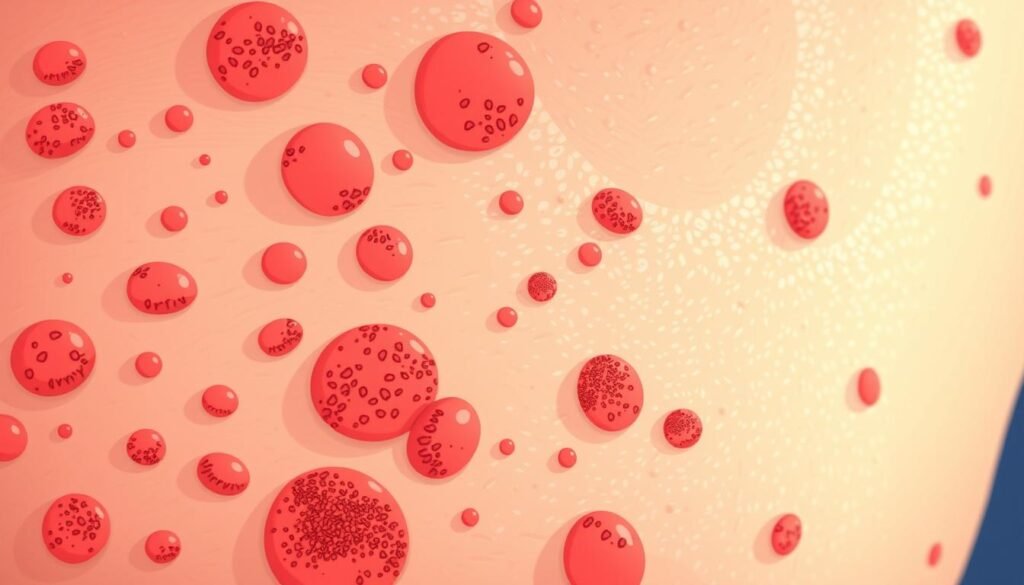
My chest breakout taught me three critical clues: identical size, persistent itching, and clustered patterns. Unlike bacterial acne’s random pimples, these bumps resembled cookie-cutter soldiers marching across sweat-prone zones. During humid workouts, they’d multiply like wildfire under damp workout gear.
Key identifiers I wish I’d known sooner:
- Sandpaper-like texture in affected areas
- Burns when using oil-based skincare
- No visible pus despite redness
The absence of whiteheads confused me initially. My dermatologist later explained that yeast-driven breakouts create closed comedones rather than pus-filled lesions. This revelation explained why squeezing attempts only caused pain, not relief.
Armed with this knowledge, I began tracking flare-ups. Sweaty afternoons and tight synthetic fabrics consistently triggered new clusters. Recognizing these symptoms became my compass for choosing antifungal solutions over traditional zit creams—a decision that finally stopped the itch-scratch cycle.
Think It’s Just Acne? It Could Be Fungal—Here’s How to Tell and Fix It
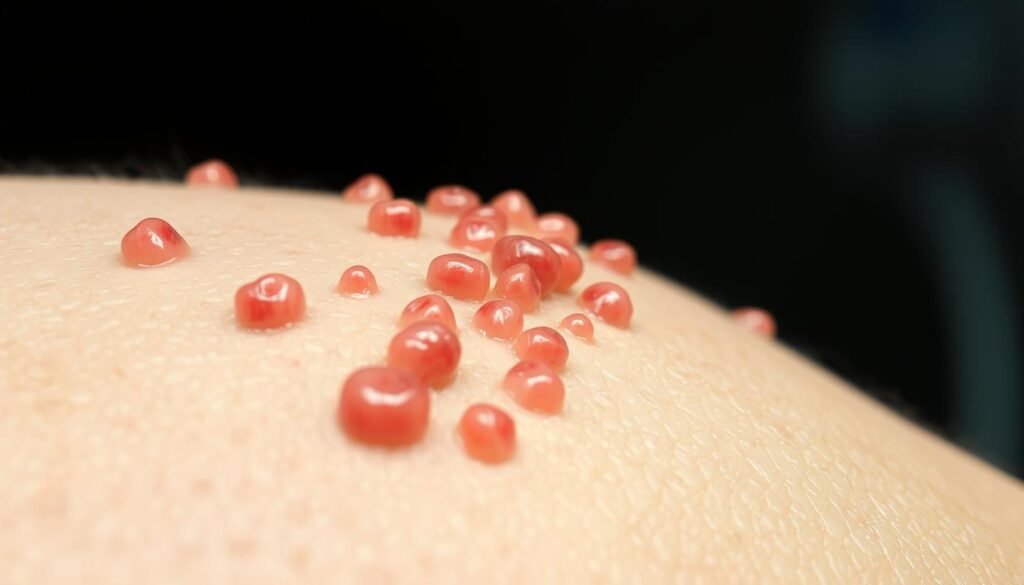
The day I stopped fighting my skin and started listening to it changed everything. Clusters of persistent bumps on my upper back taught me this critical lesson: location dictates diagnosis. While regular acne favors the face, fungal acne claims territory where sweat pools—shoulders, chest, and hairline areas.
Three revelations transformed my approach:
- Itchiness that feels like a mild sunburn signals yeast activity
- Identical small bumps resist popping attempts
- Oil-free moisturizers unexpectedly worsen texture
My turning point came when benzoyl peroxide turned my chest into a fiery landscape. This harsh reaction exposed the truth—my breakout wasn’t bacterial. The uniformity of each lesion became my visual clue, like matching beads on a necklace rather than random pimples.
Now I track two key factors:
- Response to traditional acne treatments (worsening = fungal)
- Environmental triggers (humidity, tight clothing)
Discovering this distinction freed me from the cycle of failed solutions. When sulfur-based washes calmed my skin within days, I knew I’d cracked the code. Your path to clarity might begin by asking one simple question: “Does this itch more than it hurts?”
Effective Home Treatments and Skincare Tips
Transforming my skincare routine became my secret weapon against stubborn breakouts. Through experimentation, I unlocked practical solutions using accessible products that target yeast overgrowth while nurturing skin health.
Using Antifungal Shampoos and Creams
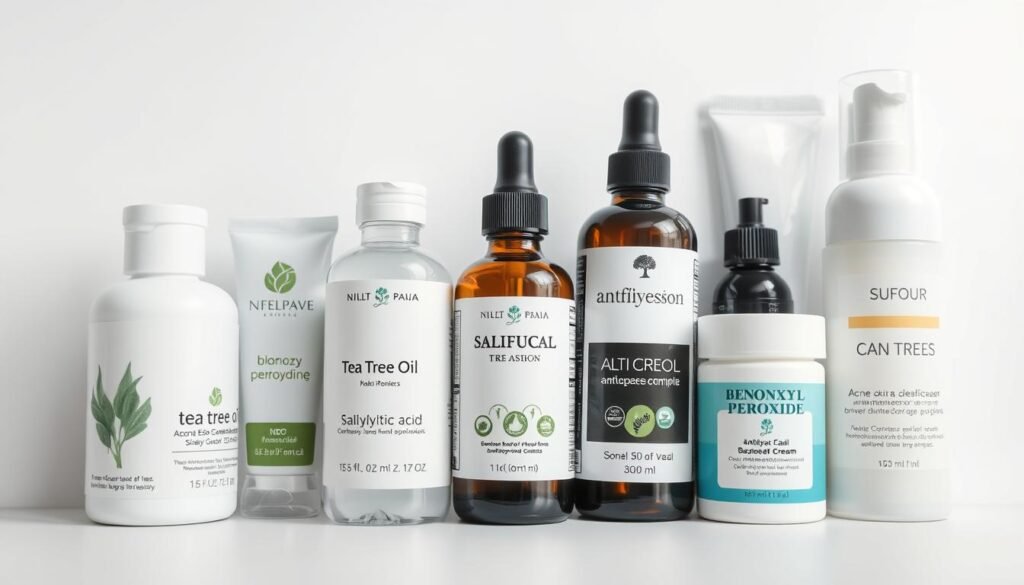
Repurposing dandruff shampoo revolutionized my approach. I apply selenium sulfide formulas to affected areas during showers, massaging gently and letting them sit for five minutes. This simple adjustment delivered better results than expensive specialty products.
My go-to solutions now include:
| Product Type | Active Ingredient | Usage Tip |
|---|---|---|
| Antifungal Shampoo | Pyrithione Zinc | Use as body wash 3x weekly |
| OTC Cream | Clotrimazole 1% | Apply thin layer at bedtime |
| Dandruff Treatment | Ketoconazole 2% | Leave on skin 5 minutes before rinsing |
Adjusting My Daily Skincare Routine
Switching to non-comedogenic products proved crucial. I now avoid heavy moisturizers that once fed yeast colonies, opting instead for lightweight formulas labeled “oil-free” and “fungal-acne safe”.
Three changes made the biggest impact:
- Using pH-balanced cleansers morning and night
- Storing products in cool, dry places to prevent contamination
- Patting skin dry instead of rubbing with towels
Consistency with these treatments taught me that small, daily actions create lasting change. What began as frustration evolved into empowered self-care—proof that effective solutions often live closer than we expect.
Professional Guidance and Prescription Options
Persistent breakouts taught me when to seek expert help. After four weeks of diligent home care with minimal improvement, I booked my first dermatology appointment. This decision unlocked medical-grade solutions that transformed my skin’s recovery timeline.
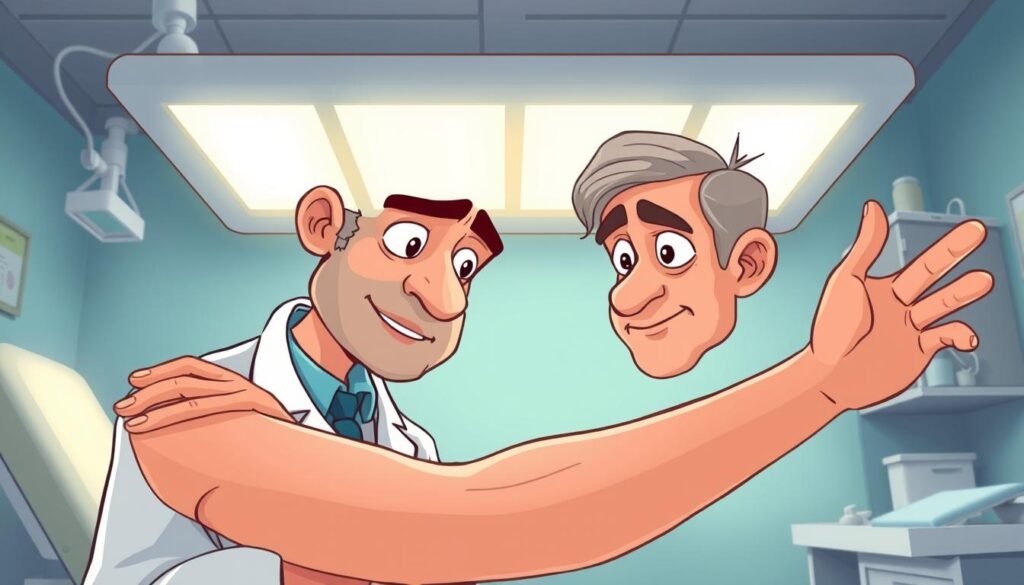
Consulting a Dermatologist for Accurate Diagnosis
My dermatologist performed a painless skin scraping during our consultation. Under the microscope, we saw the yeast colonies causing my fungal infection—visual proof explaining why store-bought treatments failed. This precise diagnosis replaced guesswork with targeted action.
Three prescription approaches changed my journey:
- Oral medications like fluconazole attacking yeast from within
- High-strength topical creams penetrating hair follicles
- Customized skincare routines avoiding trigger ingredients
The fungal acne specialist explained how prescription options work faster than over-the-counter alternatives. My itraconazole regimen cleared stubborn bumps in 12 days—something months of home care couldn’t achieve. Clinical-grade treatments addressed both visible symptoms and hidden fungal reservoirs.
Through this experience, I learned that professional guidance creates shortcuts to healing. Dermatologists don’t just treat skin—they decode its unique language, turning frustration into lasting solutions.
Preventive Lifestyle and Skincare Adjustments
Mastering prevention transformed my relationship with my skin. Small daily choices now create powerful barriers against recurring issues, turning frustration into confidence-building habits.
Breathable fabrics became my first line of defense. I swapped synthetic workout gear for moisture-wicking cotton blends that let my body breathe. Post-exercise showers within 30 minutes stopped yeast growth before it could start—a simple change with dramatic results.
My kitchen became part of my skincare strategy. Reducing sugary snacks and adding probiotic-rich foods helped balance my system from within. Strengthening my immune health through zinc and vitamin C supplements created an inhospitable environment for yeast overgrowth.
Consistent hygiene practices made the final difference. I now use pH-balanced cleansers and rotate antifungal dandruff shampoos into my routine. Lightweight, non-comedogenic moisturizers keep my skin protected without feeding potential breakouts.
Three prevention pillars guide my days:
- Washing gym clothes after single use
- Drying skin thoroughly post-cleanse
- Choosing oil-free sunscreens
These adjustments taught me that lasting clarity comes from nurturing skin health daily. Your prevention plan might look different, but the principle remains—knowledge paired with action stops acne imposters before they gain ground.