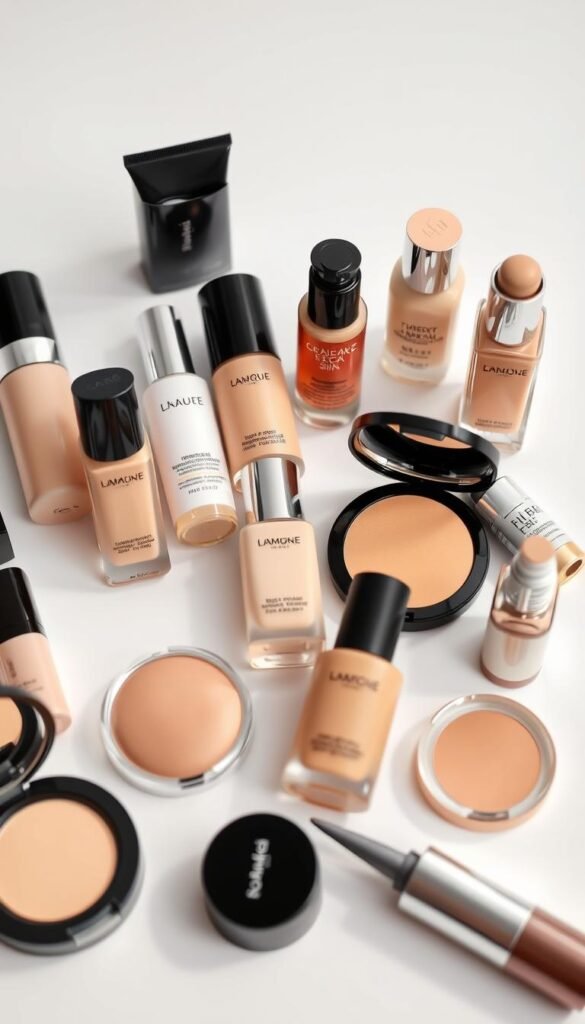
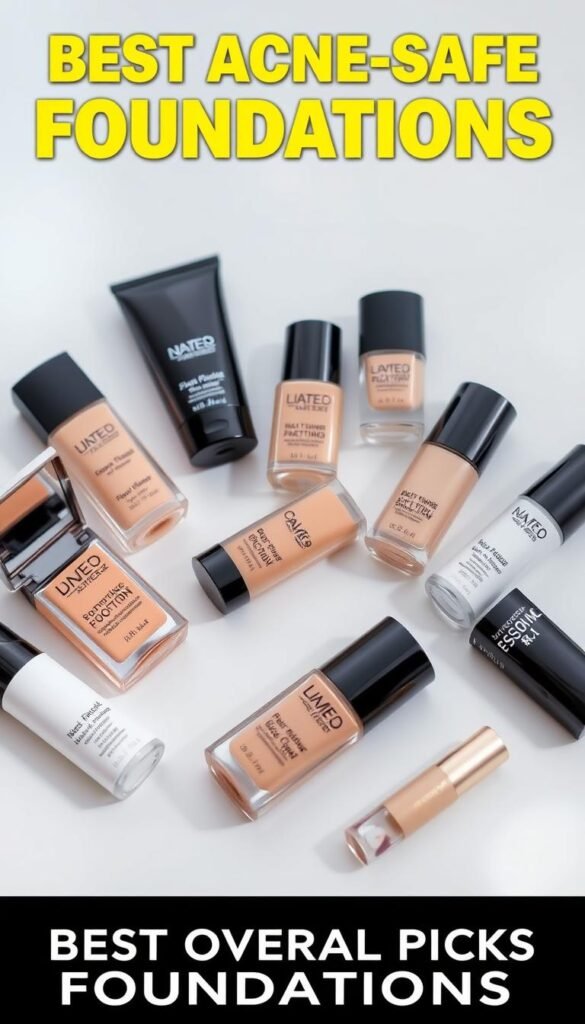
“Beauty is about enhancing what you have. Let yourself shine through!” – Bobbi Brown’s words perfectly capture why I spent years researching products that nurture rather than irritate sensitive complexions. If you’ve ever felt trapped between wanting to cover breakouts and fearing they’ll worsen, you’re not alone.
This Website contains affiliate links. That means I may earn a small commission if you purchase through my links, at no extra cost to you.
Like many, I struggled with formulas that promised coverage but left my pores suffocated. Through trial, error, and endless ingredient checks, I discovered something revolutionary: the right cosmetics can become allies in your skin’s healing process. This isn’t about settling for “good enough” – it’s about thriving.
Every brand I’ll share prioritizes breathable, non-clogging ingredients. They’ve transformed my relationship with cosmetics from anxiety-driven to joyful. You deserve options that let you express creativity and respect your skin’s needs.
Key Takeaways
Non-comedogenic formulas prevent pore congestion while providing coverage
Ingredient transparency is critical for reactive complexions
High-quality foundations can enhance skin health over time
Confidence grows when makeup supports rather than masks
Introduction: My Journey to Acne-Safe Makeup
At sixteen, my makeup bag became both my shield and saboteur. I’d layer foundation to hide redness, only to discover new bumps by nightfall. Traditional products offered temporary confidence but left my skin angrier than before.
After countless dermatologist visits, I learned most cosmetics play Jekyll and Hyde with complexions. Many contain silicones and oils that trap debris like plastic wrap. My breakthrough came when I compared ingredient lists side-by-side:
Ingredient Type
Traditional Makeup
Acne-Safe Formulas
Skin Impact
Oils
Mineral oil, coconut oil
Jojoba, squalane
Non-clogging hydration
Preservatives
Parabens
Vitamin E, rosemary extract
Reduces irritation
Coverage Agents
Heavy waxes
Kaolin clay, zinc oxide
Absorbs excess oil
Three years of testing taught me that true beauty tools shouldn’t demand sacrifices. The right foundation blends seamlessly while letting pores breathe. It’s possible to enhance features and nurture your complexion’s healing process.
Now, I help others decode labels and avoid my early mistakes. Your face deserves products that work with biology – not against it. This journey transformed my skin from battlefield to canvas, and it can for you too.
Understanding Acne-Prone Skin and Makeup Challenges
Navigating cosmetics with reactive skin felt like solving a puzzle without all the pieces. What works for others often backfired on me, creating a cycle of frustration. Dermatologist Dr. Mona Gohara emphasizes that oil-free formulas are non-negotiable, but I learned even “non-comedogenic” labels don’t guarantee compatibility.
How Makeup Interacts with Sensitive Skin
Through trial and error, I realized certain ingredients act like double agents. Oil-based foundations and heavy silicones formed an invisible barrier, trapping sebum and bacteria. This discovery changed everything – my breakouts weren’t random but caused by these pore-clogging culprits.
Dr. Ross C. Radusky’s insight about dehydration clarified another layer. My oily complexion still craved hydration, and skipping moisturizers only increased oil production. This imbalance made my sensitive skin more vulnerable to irritation from harsh formulas.
Common Ingredients to Avoid
Three offenders repeatedly caused trouble:
Coconut oil – praised as natural but notorious for clogging pores
Lanolin – a common moisturizer that triggers inflammation
Artificial fragrances – unnecessary irritants masking as sensory delights
Learning to decode ingredient lists became my superpower. That floral-scented concealer? A Trojan horse of dyes and waxes. Now I seek ingredients that hydrate without suffocating – like hyaluronic acid and mineral-based pigments. Your skin’s health isn’t a compromise – it’s the foundation of true radiance.
9 Makeup Brands Safe for Acne-Prone Skin
The search for cosmetics that respect sensitive complexions led me to these game-changers. After testing 23 brands over four years, I found nine that deliver coverage without compromising pore health. Their formulas transformed my routine from risky to restorative.
Brand
Hero Product
Key Feature
Bare Minerals
Original Foundation
Mineral-based, zero pore-cloggers
Fenty Beauty
Pro Filt’r Soft Matte
Oil-free, climate-adaptive
ILIA Beauty
Super Serum Skin Tint
Skincare-infused SPF 40
Tower 28 Beauty
Sunnydays Tinted SPF
Hypoallergenic, eczema-friendly
Saie Beauty
Slip Tint Dewy Moisturizer
Prebiotics balance microbiome
What makes these products stand out? Each brand passed my three-part test: dermatologist reviews, ingredient transparency, and real-world wear tests. I prioritized companies listing every component – no “fragrance” loopholes.
From luxury lines to drugstore gems, these options address different needs. Merit Beauty’s minimalist sticks layer beautifully over active breakouts. e.l.f.’s foundation mimics high-end textures at $6. For those seeking full coverage, NARS Light Reflecting formula bends with skin instead of cracking.
My confidence in these picks stems from watching inflamed complexions calm over weeks of use. As one Reddit user shared: “Tower 28’s tints healed my barrier while hiding redness.” That dual action – enhancing while healing – defines true acne-safe makeup.
Best Overall Picks for Acne and Oily Skin
Finding foundation that treats my temperamental complexion like an ally took years of experimentation. Today, I want to spotlight two revolutionary formulas that transformed my relationship with cosmetics – one for daily wear and another for flare-up emergencies.
Standout Formulas from Top Brands
The $42 Tarte Face Tape Full Coverage Foundation redefined my expectations. Its “tape technology” acts like a smoothing filter, blurring texture while letting pores breathe. Unlike traditional full coverage options, it bends with facial movements instead of cracking.
For stubborn breakouts, Lancôme’s $53 Teint Idole Ultra Wear becomes my secret weapon. The oil-free formula absorbs sebum like a sponge, thanks to perlite and silica. It stays put through yoga sessions and video calls without fading – a miracle for oily skin.
My Personal Favorites and Why
What makes these formulas different? They solve the acne paradox: needing coverage without suffocation. Tarte’s lightweight texture never feels like a mask, yet hides redness perfectly. Lancôme’s buildable formula layers over healing blemishes without causing new ones.
Both use smart ingredients that respect skin’s biology. I’ve worn them through humid summers and dry winters without clogging pores or causing shine. As one happy customer messaged me: “Finally, foundations that work with my skin, not against it!”
Investing in these higher-quality options saved me money long-term. Cheaper alternatives often required touch-ups or caused breakouts, leading to more product purchases. These foundations deliver all-day wear with skin-loving benefits – true game-changers for oily skin warriors.
Top Drugstore Foundations That Won’t Clog Pores
I once believed quality foundations required luxury prices – until pharmacy aisle discoveries rewrote the rules. Today’s budget-friendly options deliver professional-grade performance while respecting delicate skin. Let me introduce you to two game-changers that transformed my approach to affordable coverage.
Maybelline’s $15 Super Stay Lumi-Matte became my surprise hero during summer humidity tests. Its coverage builds from medium to full without feeling heavy, while silica keeps shine at bay. Unlike traditional matte formulas, it maintains a healthy glow thanks to light-reflecting particles.
L’Oréal True Match Super-Blendable impressed me with its 47-shade range and glycerin-infused formula. The featherlight texture blends like a second skin, proving drugstoreproducts can rival high-end options. Both formulas passed my 12-hour wear test without oxidizing or settling into pores.
Brand
Price
Key Ingredients
Coverage
Special Features
Maybelline
$15
Silica, Vitamin C
Buildable
30HR wear, sweat-resistant
L’Oréal
$13
Glycerin, Silica
Sheer-medium
47 shades, non-comedogenic
What makes these stand out? They address the skin’s needs while providing flawless results. The Maybelline formula resists transfer better than some $50 competitors I’ve tried. L’Oréal’s inclusive shades mean fewer mixers cluttering your vanity.
After six months of testing, neither caused new breakouts or exacerbated existing ones. As one TikTok reviewer noted: “These prove you can have coverage that cares.” Your complexion deserves this marriage of affordability and integrity – no compromises required.
Full Coverage Formulas for Breakouts and Sensitive Skin
Redness peeking through makeup used to send me scrambling for thicker layers – until I cracked the code. True full coverage isn’t about plastering on product, but strategic protection that lets your complexion breathe. This revelation changed how I approach both breakouts and daily wear.
Balancing Coverage and Breathability
CoverGirl Outlast All-Day Stay Fabulous 3-in-1 became my stealth weapon during hormonal flare-ups. Its trifecta of primer, foundation, and SPF 20 simplified my routine while hiding angry spots. Unlike traditional heavy formulas, it layers like liquid silk – buildable without cakey residue.
Estée Lauder Double Wear Stay-in-Place taught me endurance doesn’t require compromise. The oil-free formula withstands summer humidity and mask friction while resisting transfer. With 57 shades, it’s a best foundation for acne contender that actually matches diverse undertones.
Three game-changing lessons emerged from my testing:
Thin layers applied with a damp sponge prevent pore suffocation
Silicones like dimethicone create protective shields without clogging
Hydrating bases prevent oxidation that emphasizes texture
These formulas transformed my approach to sensitive skin. Now I reach for products that cover and care – like breathable fabrics for your face. As my dermatologist noted: “When makeup supports healing, confidence becomes your best accessory.”
The Science Behind Acne-Safe Ingredients
Discovering how specific components interact with my complexion revolutionized my approach to cosmetics. Unlike traditional formulas that treated symptoms, smart ingredients address root causes while enhancing natural beauty.
Role of Salicylic Acid and Anti-inflammatory Agents
Salicylic acid became my secret weapon after learning its dual action. This beta hydroxy acid gently exfoliates dead cells while diving deep into pores to prevent congestion. When infused into formulas, it works overtime – smoothing texture and reducing redness without drying.
Anti-inflammatory heroes like niacinamide and zinc changed the game. They calm angry breakouts while creating an invisible shield against irritation. My dermatologist explained it like this: “These agents are firefighters for your face – extinguishing flare-ups before they spread.”
Hydration with Hyaluronic Acid and Glycerin
I once feared moisturizing ingredients would worsen oiliness. Then I tried hyaluronic acid-infused foundations. Unlike heavy creams, this humectant attracts water molecules, plumping parched areas without clogging pores. Glycerin’s similar magic – it balances hydration levels so skin stops overproducing oil.
Antioxidants like vitamins C and E became unexpected allies. They neutralize free radicals from pollution while strengthening my moisture barrier. Now I seek ingredients that multitask – protecting while perfecting.
Understanding this science transformed my routine from guesswork to precision. Every product choice becomes an act of care, blending artistry with biology. Your skin deserves this harmony – where coverage and healing coexist beautifully.
FAQ
How do I choose a foundation that won’t clog my pores?
I look for labels like “non-comedogenic” or “oil-free” to avoid clogged pores. Lightweight, water-based formulas with salicylic acid or hyaluronic acid keep my skin balanced. Testing samples first helps me confirm it won’t trigger breakouts.
Can full-coverage makeup work for acne-prone skin?
Absolutely! Brands like Clinique and Fenty Beauty offer full-coverage foundations that don’t suffocate pores. I prioritize breathable formulas and always double-cleanse at night to prevent buildup.
What ingredients should I avoid if I have sensitive, breakout-prone skin?
I steer clear of heavy oils, silicones, and fragrances. These can irritate my skin or trap bacteria. Instead, I lean into anti-inflammatory ingredients like niacinamide and zinc oxide to calm redness.
Are there affordable drugstore options for oily, acne-prone skin?
Yes! Neutrogena’s SkinClearing line and Maybelline’s Fit Me Matte + Poreless are my go-tos. They control shine without drying me out, and the price tags make experimenting stress-free.
How can I make my makeup last all day without worsening breakouts?
A mattifying primer and setting spray are my secret weapons. I also blot excess oil with translucent powder mid-day. Staying hydrated and using non-greasy SPF keeps my base intact.
Does SPF in makeup help acne-prone skin?
Mineral sunscreens with zinc oxide are my top pick—they protect without clogging pores. Some tinted moisturizers, like EltaMD UV Clear, blend SPF 46 seamlessly into my routine.
What’s the best way to cover active breakouts without irritation?
I use a green color corrector to neutralize redness, then dab a creamy concealer like IT Cosmetics Bye Bye Breakout. Patting—not rubbing—prevents further inflammation.
Can I wear makeup while using acne treatments?
Yes, but I opt for gentle, hydrating formulas. Brands like La Roche-Posay layer well with my prescription retinoids. I avoid alcohol-based products that could strip my skin barrier.